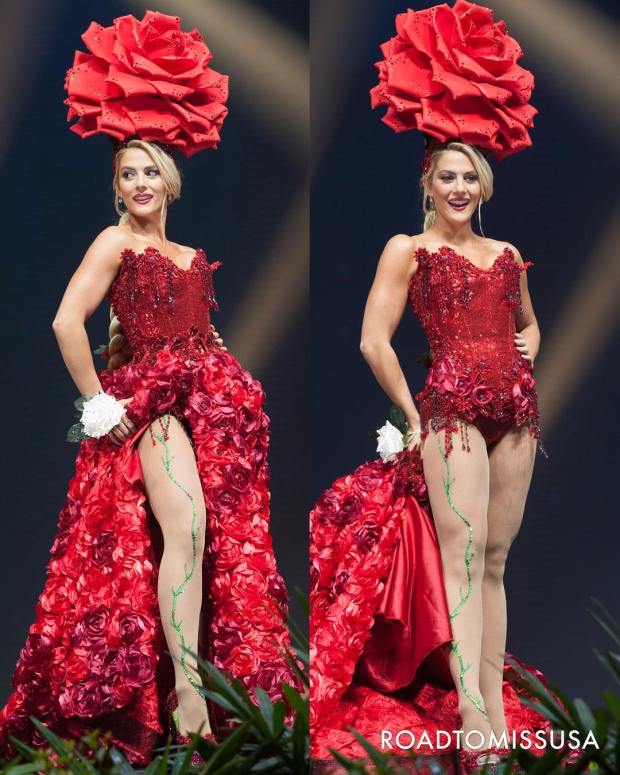
A rose is a rose is a… Miss USA? Miss USA 2018, Sarah Rose Summers has gone ahead and competed in the Miss Universe pageant wearing a rose as her national costume this year. Miss Summers opted for an homage to her middle name and the national flower of the US, which was fantastic choice, of course. Wearing a white rose on her wrist was to highlight the #MeToo movement and how the social movement has been the most successful social movement in her lifetime thus far. The national costume segment of the Miss Universe pageant has arguably become the most enticing part of the show – it’s along the lines of an even bolder version of the Victoria’s Secret fashion show. Bravo to Miss USA this year, that was an ideal choice.
I was struck by the musical combination of U2, Brian Eno, and Luciano Pavarotti and how the vast differences in musical style very much complimented the other. The tragedy that happened in the Siege of Sarajevo between 1992 – 1996, was touchingly conveyed in the 1995 U2 and Brian Eno song “Miss Sarajevo” where Pavarotti sings the opera solo. Bono considers this to be his favorite song, and perhaps his magnum opus. This song is a poignant reminder of the need for peace on earth. May you all have peace this holiday season.
There are four Sundays before Christmas, and the lead up to the holiday in the Catholic faith includes celebrating this with the tradition of Advent. This is accompanied by an Advent wreath with candles, and each Sunday, a candle is lit to celebrate the time before Jesus’ birth. I am not usually one to profess much religiosity in a public forum, but I find that it’s been too often that I have Catholic friends who are no longer celebrating with the Advent wreath. In my formative years, my memories of Advent are truly some of the fondest memories that I have from the Christmas season.
I think taking time on Sunday evenings to reflect on the season and what the season truly represents is incredibly important in connecting with the basic values of Christmas: faith, hope, love, joy, gratitude, and the sophistication that simplicity can have. Celebrating Advent each Sunday before Christmas with tea and Lebkuchen is a time for families to cherish being together and foster a shared love of the season.
One of the largest barriers, perhaps the largest barrier, for the spray tan industry is the chemical formulas that are downright unhealthy and unnecessary, especially when the look is less bronze and more Crayola orange. Personally, I’ve never had a spray tan, and I am perfectly happy with my fair complexion, but after stumbling across this brand based out of San Francisco, and now the hippest bronzing spot in Los Angeles, I thought I’d spread the word further.
In a short time, Organic Shimmer has acquired quite the following from models like Mara Teigen to Lindsey Pelas to former Miss California USA Mabelynn Capeluj, all of these ladies have been worshiping Organic Shimmer’s all-natural spray tan formulas. Best of all, the look is actually quite bronze in the right way. Whether you are in SF or LA, this is definitely the go-to place to bronze if you simply must get a spray tan for a special event. A good rule of thumb though: never go for a first time immediately before your event, and make sure that the shade you choose is ideal for your skin shade. It’s always better to be safe than sorry.
Nothing generates more enthusiasm in me than a passion for roses. The perfection of the rose is fascinating in all of its states, and as writer Paulo Coelho puts it, “The rose is a rose from the time it is a seed to the time it dies. Within it, at all times, it contains its whole potential. It seems to be constantly in the process of change: yet at each state, at each moment, it is perfectly all right as it is.” Perfectly put, and a lovely way of defining the state of change, because through a rose’s lifespan, you see how change can be for the good.
Roses are emblematic symbols as well. The rose is the national flower of America (hence why Miss America always accepts the crown with a bouquet of red roses) and the New Year is rung in with the Tournament of Roses (Rose Parade) in Pasadena, California each year, symbolizing the timelessness of tradition and the dawn of a new year, similar to the freshness of a rose.
The American Rose Society was founded in 1892, and it first began as a trade society for florists. The first rose show was in 1900 in New York City and judges were left to their own devices of determining which rose was considered the “best” rose. Of course, beauty is in the eye of the beholder, so these selections are purely based on the inclinations of each of the judges. Today, the American Rose Society lives on with chapters all around the country. The San Francisco Rose Society is notable for its work in continuing to cultivate interest and passion for the love of roses.
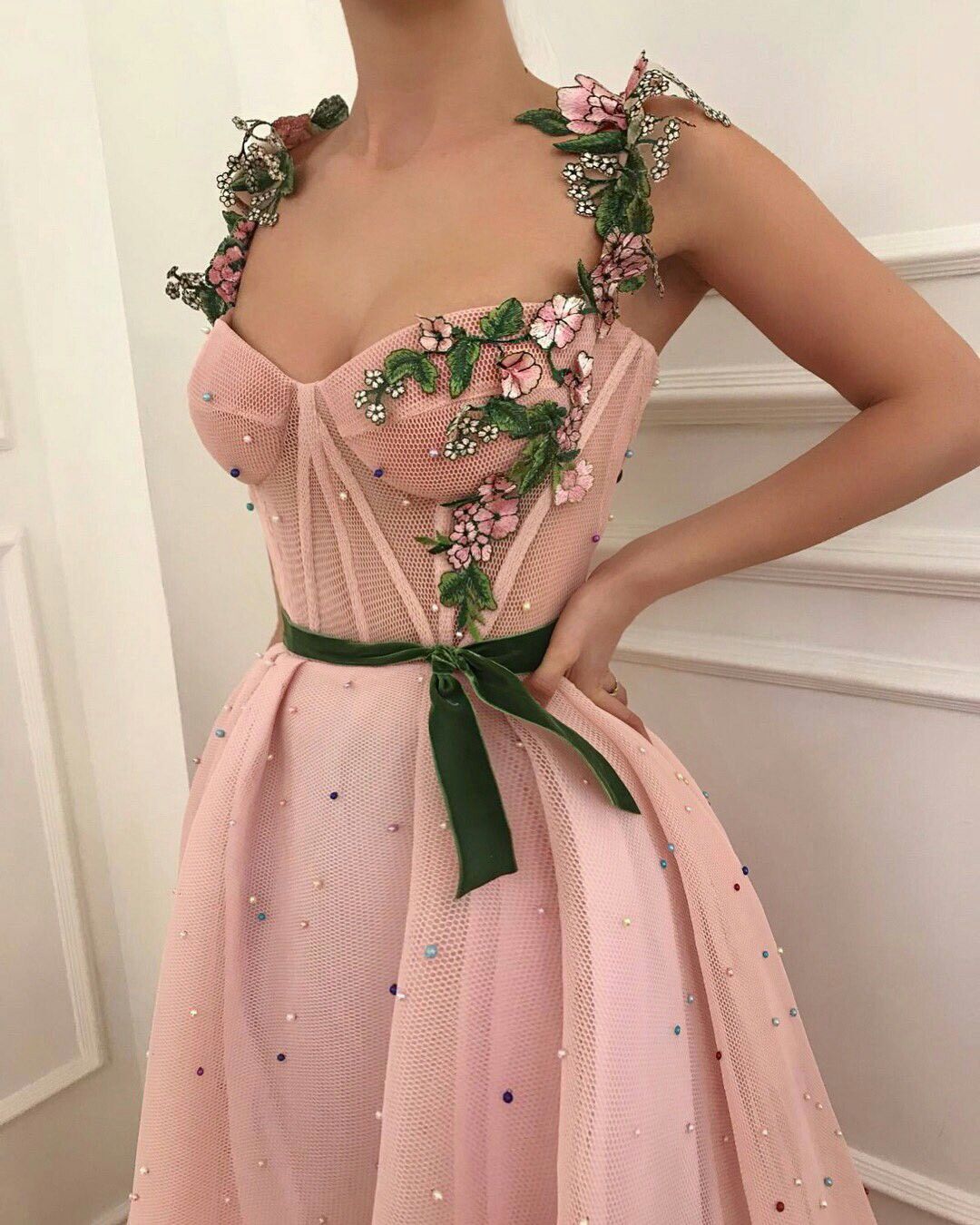
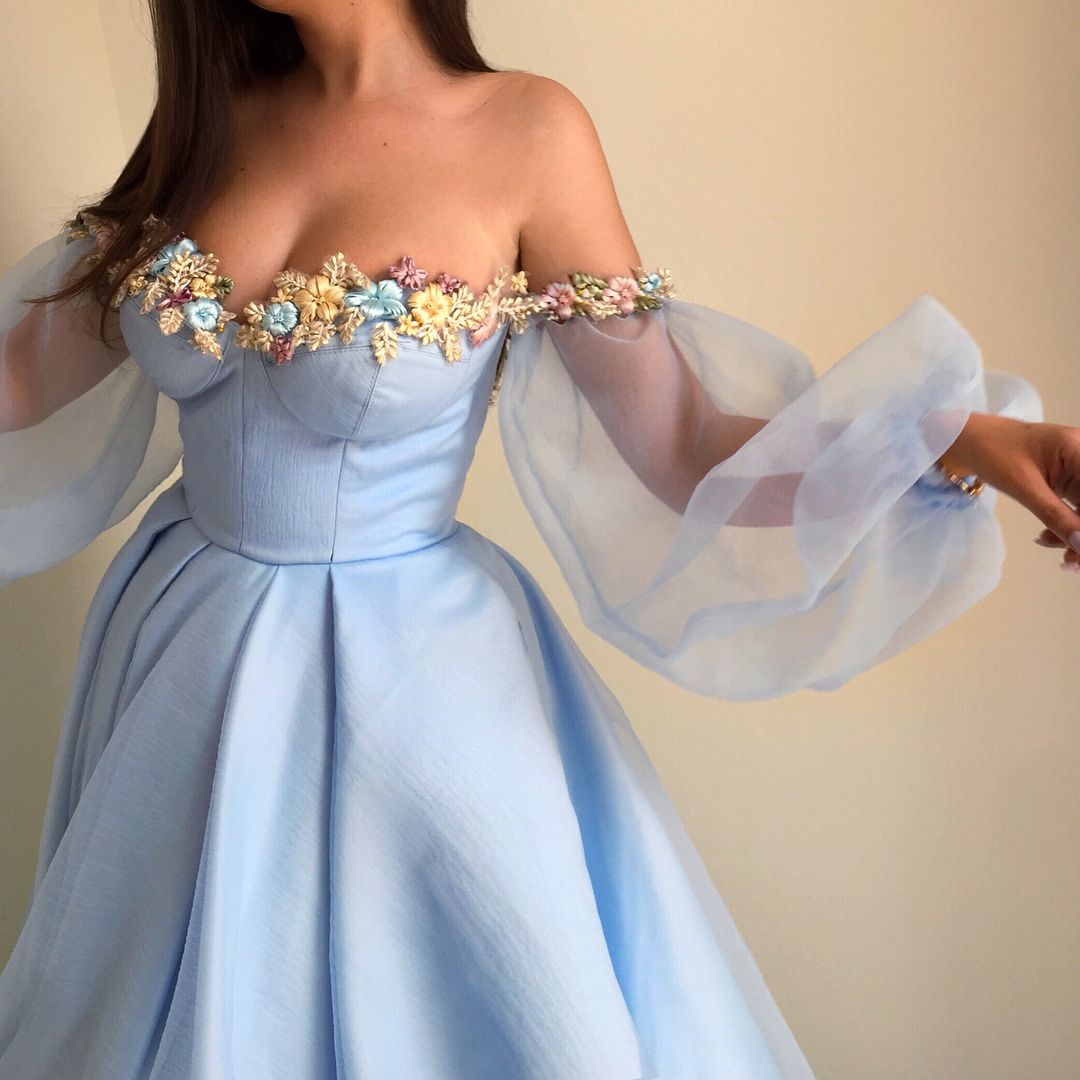
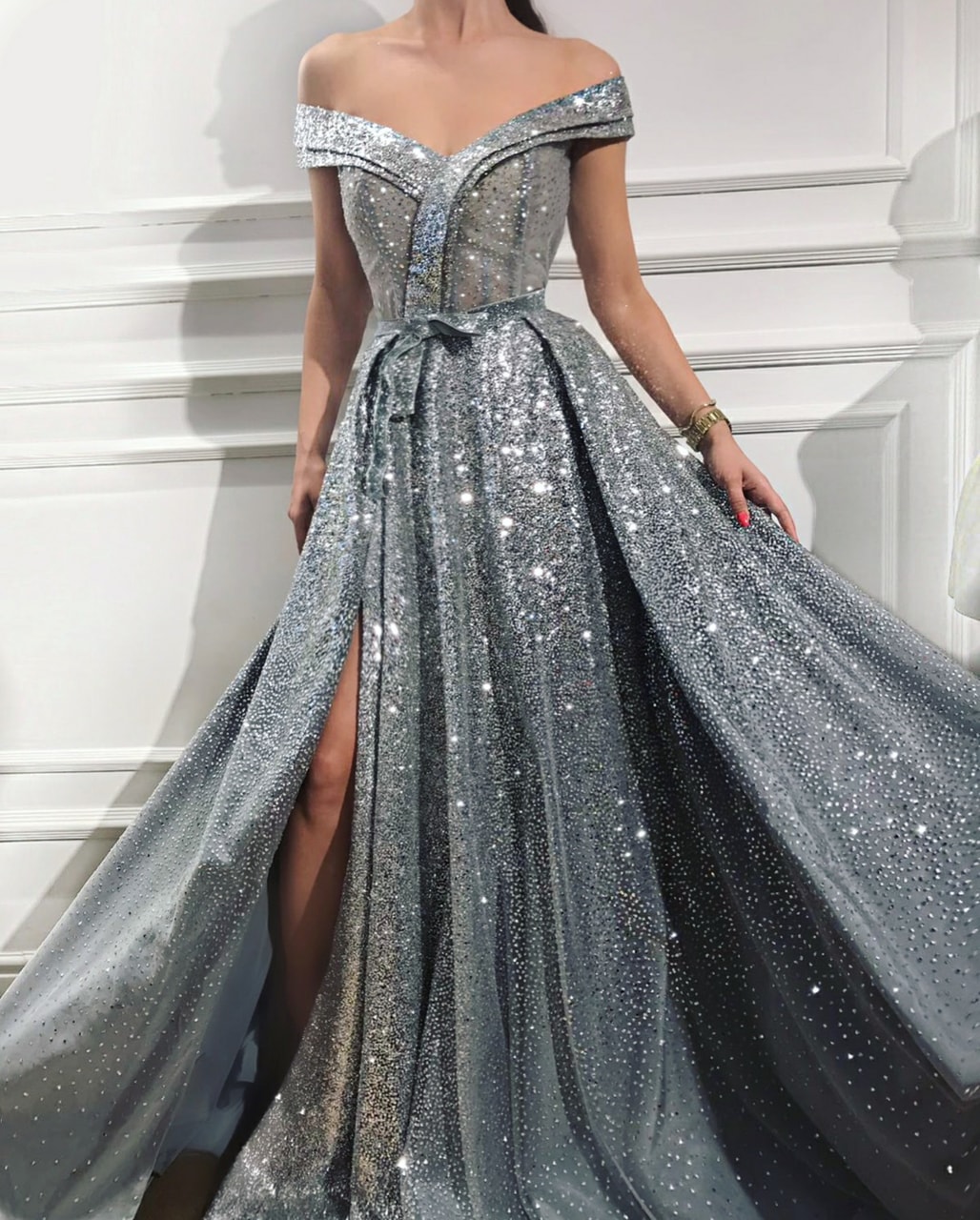
Well, I have an all-time favorite designer, and these gowns are what every fairy tale would include: the ultimate princess style gown. The unique and handmade designs of Teuta Matoshi Duriqi are just stunning, down to every detail and color combination and cut of each gown. I am in love with every gown she designs; the designs have a whimsical style about them emphasizing the female figure, as if they belong in a Disney film, except I’d rather see them on ladies at Fashion Week. For being handmade, the price range is not out of control either: most of these gowns are in the $1,000 range (an incredible price for atelier style work!) and you can purchase them through her website, and a showroom is now open in New York City where you can book an appointment for your fitting. I adore these styles and am incredibly in awe of each and every gown…
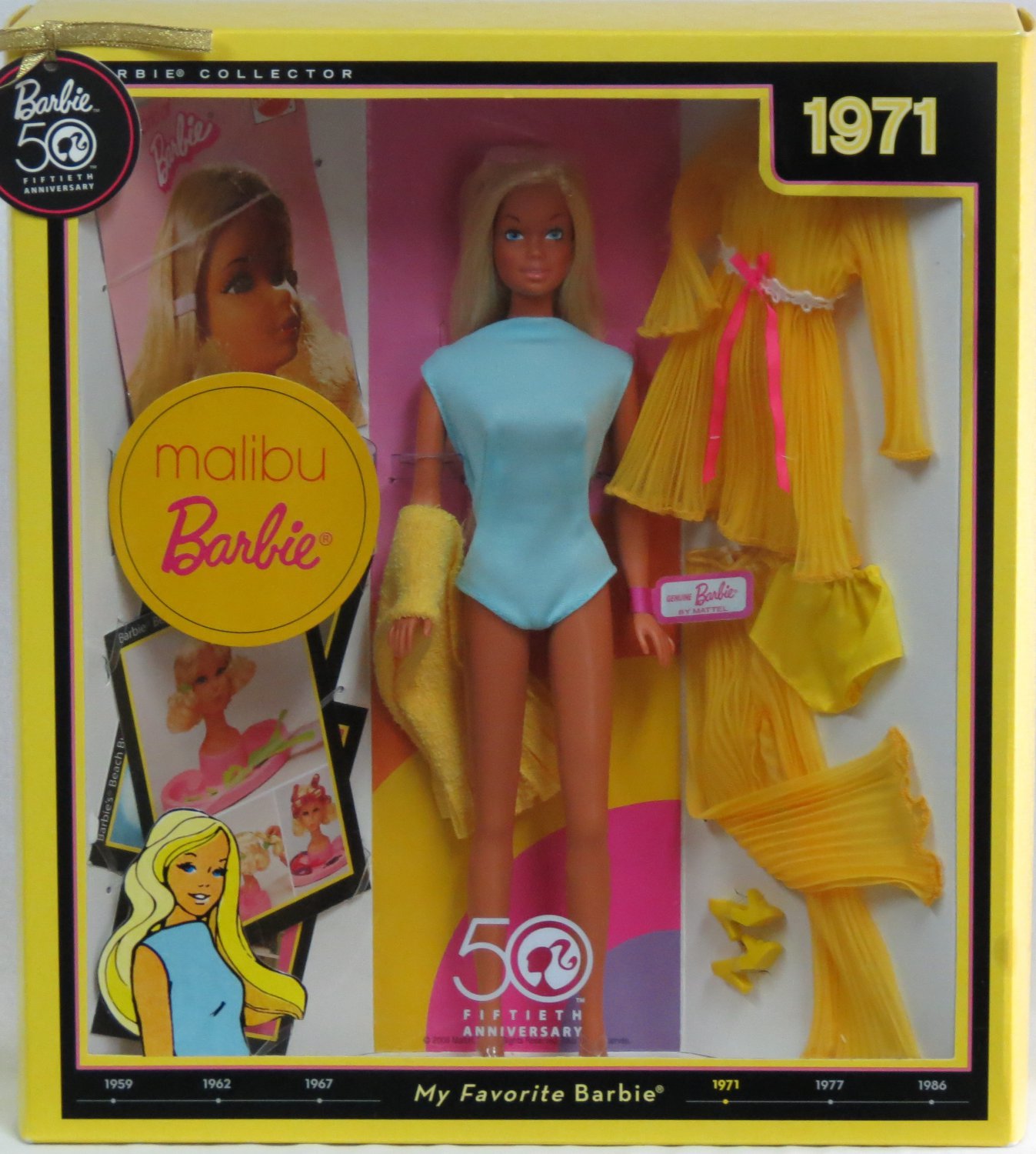
Barbara Millicent Roberts (Barbie) is from the fictional town of Willows, Wisconsin. How many people know that? Probably very, very few. Why does that matter? Barbie, as a character, is not as multi-faceted as Mattel has tried to market her over the years. Barbie has always been marketed as a woman who has many careers and therefore can be anyone she wants to be. Lawyer Barbie? Sure! Astronaut Barbie? You’ve got it. Olympian Barbie? Certainly. Fashion designer Barbie? Fabulous. This is all great, but truly, proceed with caution with Barbie. All of the above is feminist: a doll who can show girls that they can be anything is fundamentally feminist. However, a doll whose most easily equated by the masses as a doll with blonde hair, a voluptuous body, and often equated with the word “Malibu” before her name is worth scrutinizing a bit more.
“Hey Malibu Barbie! This isn’t LA!” is what gets yelled at Elle Woods when she arrives onto campus at Harvard University where she will attend Harvard Law School in the film Legally Blonde. Throughout the entire film, Elle must prove herself to her (less pink loving) peers that she is just as smart and just as worthy as everyone else to attend Harvard Law and go on to be a successful lawyer. Moments of this include Elle being tricked into wearing a Playboy bunny costume to a party that was not a costume party where she is heckled for her looks. The truth is that Elle should never need to prove herself based upon her looks…
Furthermore, take a close look at Regina George, the main character in the film Mean Girls. She is the ring leader of the high school clique dubbed, “The Plastics.” That was certainly intended to be an overt reference to Barbie by Tina Fey. The line, “Life in plastic… it’s fantastic!” from the 1997 song Barbie Girl by Aqua is certainly where she derived the group’s name from. Regina leads the group to follow silly rules such as, “On Wednesdays we wear pink and you can only wear sweatpants on Fridays.” These aren’t rules that are intended for any purpose other than Regina being able to assert control over Karen, Gretchen, and Cady.
At one point in the film, Cady, played by Lindsay Lohan narrates that Gretchen, “would rather be in The Plastics hating life than not being in it at all.” The social status that Regina has based on her looks influences the other girls to do everything in their power to stay within the tyrannical clique led by the evil Regina George. When Cady works to overthrow Regina, she gives her high-calorie protein bars to ensure that she gains weight when Regina thinks she is in fact losing weight. Regina’s character is complex, she induces awe and fear all at once, which is not the ideal role model for a young girl. Just yesterday, pop singer Ariana Grande released a music video for her hit, “Thank u, next” which includes clips of her version of both Legally Blonde and Mean Girls, a clear indicator that these archetypes live on.
Malibu Barbie was released in 1971, whereas original Barbie was introduced in 1959 (brunette and blonde versions), and I would like to argue here that Malibu Barbie is truly the concept that most people associate with Barbie than a female figure who can do or be whomever she would like. Her looks are shaped by a stereotype that we can unfortunately and quickly associate as the “dumb blonde” which is the entire premise of Legally Blonde, and in Elle’s case, she asserts her intelligence by attending Harvard. I believe, and would like my children to believe that looks and intelligence have no correlation. The “dumb blonde” archetype has been historically built by women such as Jayne Mansfield, a woman living in the shadows of Marilyn Monroe’s fame. In 2010, the famous interior designer, Jonathan Adler, created a real life “Malibu Barbie Dream House” that came out in tandem with a Barbie sized edition of Adler’s designs. No doubt, Malibu Barbie is truly the ethos of Barbie.
A woman can be anything or anyone she wants to be, and yet, she is also exposed to images that make her believe that having a certain look will give her a better chance at success. It is true that beautiful women throughout history have made an impact, as Estée Lauder put it in her memoir, Estée: A Success Story, “Beauty has always commanded attention. In a perfect world, we’d all be judged by the sweetness of our souls, but in our less than perfect world, the woman who looks pretty has a distinct advantage…” (4-5). The issue at hand with Barbie is that a certain type of beauty is elevated. When we show our children the image of Barbie, we must proceed with caution. We don’t have to ban Barbie from our children’s lives to make a feminist statement, but we must consider the impact that Barbie makes on self-esteem. Ultimately, it is our self-esteem that will determine our success, and not if our look is just like Barbie’s.
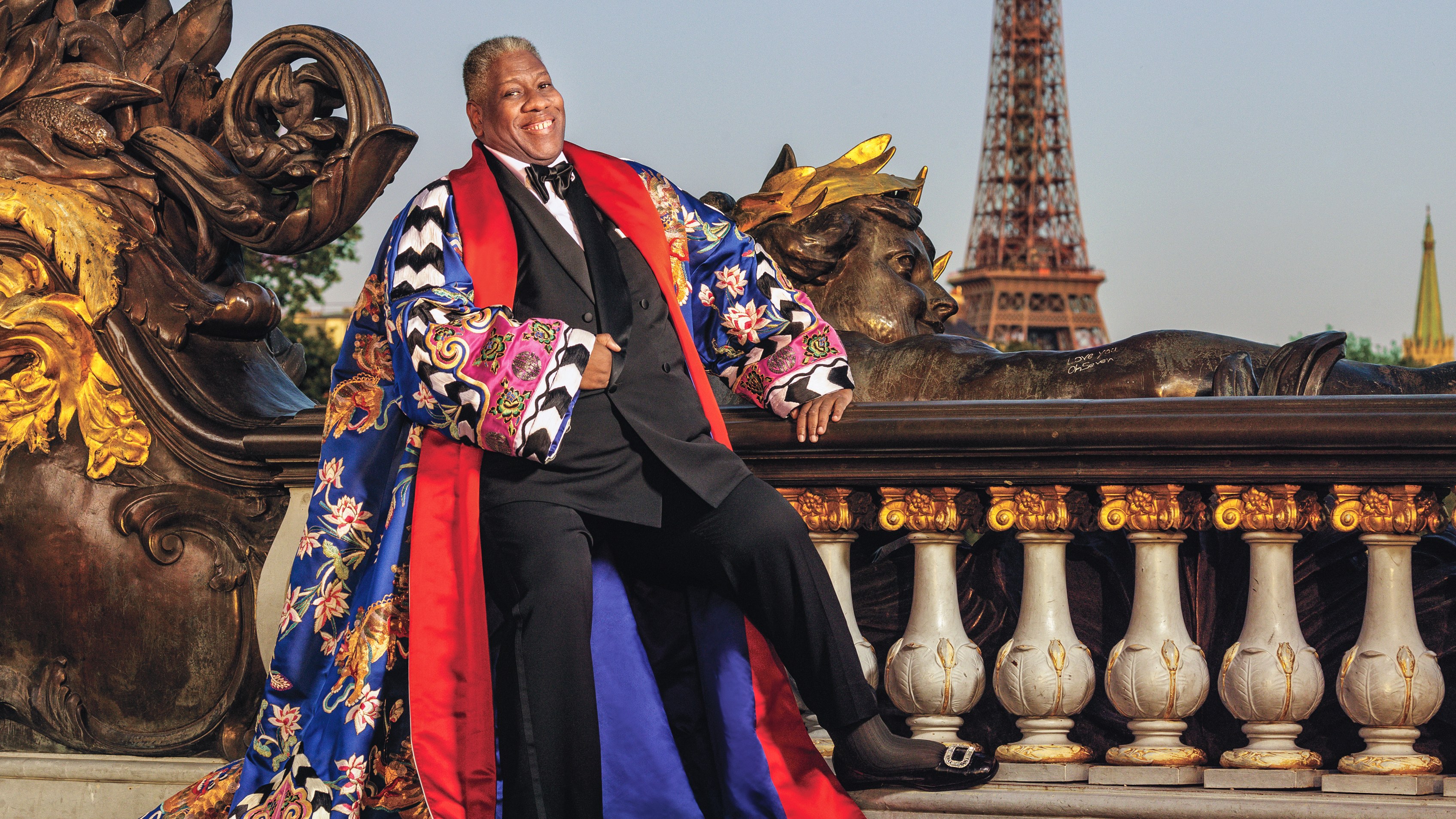
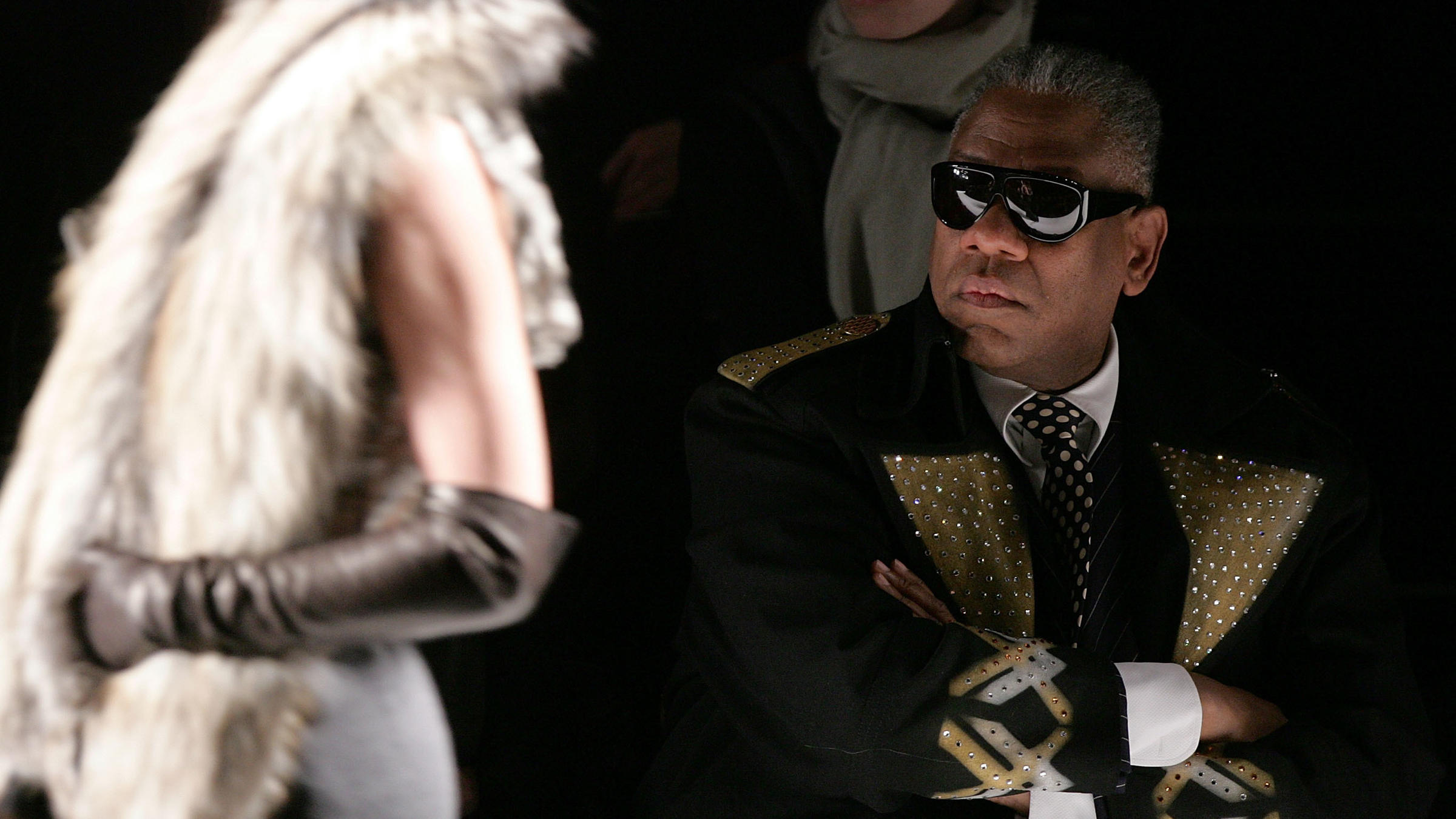
On a recent flight back to California, I watched a documentary about André Leon Talley: The Gospel According to André, Vogue magazine’s former editor at large and famed fashion journalist discusses his life and his rise in the fashion industry. To me, he is a wonderful expression of the multi-faceted reality of who Americans can be. Learning about his humble beginnings in North Carolina while in the Jim Crow era South where segregation was clear, he experienced firsthand the ugliness of racism. At the age of 10, he found an issue of Vogue magazine at the local library where began his passion for fashion. Talley studied French literature at the North Carolina Central University where he graduated in 1970. He went on to earn a Master’s in French literature from Brown University in 1972.
During the beginning of his career, he worked for Andy Warhol and volunteered at the Metropolitan Museum of Art. After this, he worked for Women’s Wear Daily and W magazines. He continued on to work with the New York Times and then (finally!) Vogue. In the documentary, he repeats the word Vogue with a flair that emphasizes how incredibly special the publication is: “Vogue! Vogue… Vogue!!” Through this repetition, he also highlights the importance of the cultural impact that Vogue has had on a global culture that we exist in now.
Talley’s ability to be honest about the difficult upbringing he had is poignant; he was not always embraced by his family for being who he was and what was remarkable was his strength to continue on being true to himself. To me, André Leon Talley is an American icon extraordinaire, a vessel of historical information of fashion, a native of the American South, and most importantly, a fierce believer in pursuing the work that you are most passionate for.
I was intrigued by his discussion in the documentary of how he has yet to fall in love during his life so far, but that he has loved his work and let that be the center of his life. On some level, I found it inspiring that Talley is an example of where a passion for work can take someone, be it whatever path they choose.
Hats off to André, what an incredible story and man.
The whimsical sketches of artist Chesley McLaren have inspired me since I first saw her works in Meg Cabot’s Princess Lessons when I was a young girl. For years, her fashion illustrations have been some of my favorite art and have appeared in publications such as Vogue, Harper’s Bazaar, and the like. This holiday season, I am especially happy to see her works as they remind me of all of the good that the holiday season represents. Below, the illustration she did of a boot is that of the tradition of Saint Nicholas Day (or Nikolaus) on December 6 where he leaves treats such as fruit, candy, cookies, or small toys in a boot for children.
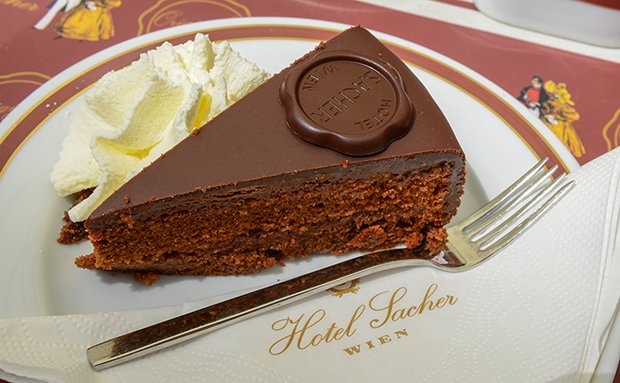
Arguably the best luxury hotel in the world, the five star Hotel Sacher in Vienna has been open since 1876, and is best known for its “Sachertorte” a chocolate cake filled with apricot or raspberry jam (It’s been long contested which filling is the original. To me, they are both delicious!) invented by Franz Sacher in 1832. A fun fact: December 5th is “National Sachertorte Day” in the United States. For those who did not know, we have a national chocolate cake day for an Austrian cake! Since Vienna is the coffee house capital of the world, Sachertorte is the ideal compliment to Kaffe mit Schlag (coffee with whipped cream). Romy Schneider stayed at the hotel while filming the famous Austrian film Sissi about Empress Elisabeth of Austria and her life.
Austrians are known for their hospitality. Whether you are staying at a five star luxury hotel such as Hotel Sacher or with a lovely family in the Austrian Alps, you are sure to be treated with the utmost hospitality. This is a special source of pride for Austrians, and you must always be gracious to your host’s hospitality; Austria is a magical country.









 rosybvm.com