






From top left: The Astrology of You and Me by Gary Goldschneider, The Ancient Secret of the Flower of Life Volume 1 by Drunvalo Melchizedek, Just Mercy by Bryan Stevenson, That Churchill Woman by Stephanie Barron, Treasure Yourself by Miranda Kerr, The Spy by Paulo Coelho, All the Light We Cannot See by Anthony Doerr, The Great Gatsby by F. Scott Fitzgerald, and Vanity Fair by William Makepeace Thackeray.
The Spiritual and Physical Benefits of Kundalini Yoga

Kundalini Yoga is a spiritual and physical practice. Kundalini, or Shakti, is a divine feminine energy at the base of the spine in the Muladhara, or base Chakra. I first learned about Kundalini when I was a student in high school and became interested in the different styles of yoga practices as one of the girls who sat next to me in one of my classes was working for a yoga studio. I was interested by Kundalini because it seemed to seamlessly integrate the physical and spiritual into one harmonious practice. I did not delve too much further beyond learning about how Kundalini is the energy that can be unlocked at the base of the spine.
Revisiting the practice of Kundalini as an adult is thrilling – the chant which is often sang in tandem with the yoga practice, “Ong Namo Guru Dev Namo” means “I bow to the Universal Creative Wisdom, I bow to the Divine Teacher within.” There is no doubt in my mind that Kundalini is powerful; you can unleash a powerful energy by practicing this type of yoga, but it’s also important to stay aware of how this energy is changing your consciousness. I think an important facet of delving further into Kundalini is recognizing that it’s part of a spiritual journey. Please be open and thoughtful as you enter onto that journey and how you will change with your practice.
It is very helpful to understand the process and the intention of your own life force as it awakens you so that you may discover wisdom, love and authentic direction in your own life. Simplicity, contentment, unconditional acceptance and presence are hallmarks of an awakened life.
“Ong Namo Guru Dev Namo ”


Moon Calendar 2020 + New Moon Rituals

New Age phenomena is something that I have recently come to appreciate more than I have in the past. For example, I always knew the moon is a powerful force in our lives for how it waxes and wanes and that a full moon, more specifically, is entrancing. I did not, however, think much further past that; I recently stumbled across the Greek Goddess, Selene, and how widely portrayed she has been in art for centuries and how feminine the moon is compared to the masculine sun. You can find my blog post about her here.
With my newfound appreciation for the goddess, Selene, I learned that there is significance in stopping to make time to ritualize a new moon. It’s a cleansing ritual intended to improve your spirit. I am no expert and I am still learning about the different phases of the moon, but I have found that there is meaning in recognizing and appreciating the patterns of nature and how we are part of that pattern.
If you would like to try a new moon ritual, you can set the scene with a few items in the form of an offering to the new moon: I’d recommend starting your offering with some crystals; my favorite crystal is rose quartz. Ideally, you want to declutter your space to help set the intention for this ritual with no distractions. You can lay the crystals on a flat surface, have a candle lit (not necessary), and a sprig of lavender or sage. These items help to set your intention for that evening of the new moon. During your ritual, you can set your intention to be one of a cleansing nature – recognizing the opportunities that this new moon’s cycle brings to you.
You can start to meditate after setting this intention. I like to focus a lot of my meditation practice on focusing on the present moment. For example, focusing on my breathing patterns helps free my mind from any distraction and clears it from any worry. Meditation is a tool for the mind. I’ve also found that listening to your body in that exact moment is also a great way to be more present during your meditation. You can speak to the moon in the form of a message about your hopes for that new moon’s cycle. After you meditate, you can reflect again on the opportunities for growth in which this new moon presents us. I hope you enjoy a peaceful evening for all that the new moon can bring. 🙂


Rosy Conversation with Dr. Tim Avery
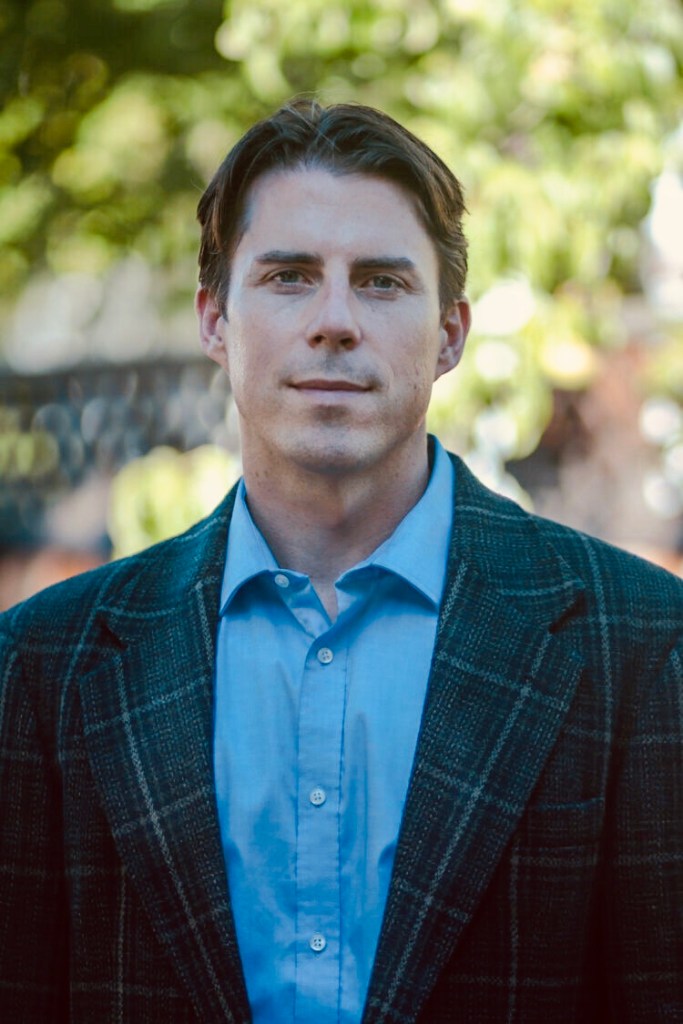
Dr. Timothy Avery is a Clinical Psychologist working for the National Center for PTSD at the U.S. Department of Veterans Affairs in Menlo Park, California. Dr. Avery is a U.S. Navy veteran, having been enlisted for 16 years and having served in Iraq. Dr. Avery’s specialty in his clinical psychology work includes PTSD and co-occurring mental and physical conditions, such as chronic pain, insomnia, depression, and anxiety. His work at the VA is centered around the adoption of mobile mental health apps into care for veterans and family members, which are available in the App Store or Google Play.
Dr. Avery is the Director of Program Evaluation and teaches yoga for the Veterans Yoga Project, a 501c3 which offers yoga classes to veterans. His yoga teachings emphasize a deeper connection with the body and being fully present, translating yoga practices to everyday life. Dr. Avery’s work is critical for ensuring veteran care. Thank you for all that you do!
The Interview
Bianca: You are a former Naval officer. Where are you from originally and what drove you to the Navy?
Dr. Avery: I am from Upstate NY–born and raised. The Navy provided a job opportunity and engineering training, and means to move out of my parents’ house. My second semester of community college was not going as well as the first semester and I felt a strong need to change direction.
Bianca: How long did you serve in the Navy and what did that tenure entail?
Dr. Avery: My service was not contiguous. The total time from enlistment to resigning my commission was 16 years. However, in between I served on active, reserve, and inactive reserve statuses for a total service of less than half that time. Most of my years were spent learning and training, a common experience in the military. The military culture and mission require one to learn new skills, practice those skills, apply them, then move on to the next job. It is a rhythm that many veterans maintain after service. My formal jobs were varied: night janitor, financial management IT policy analyst, logistics watch where I tracked world-wide Navy assets, insurgency and foreign military capability analyst, and combat support for ground forces in Iraq.
Bianca: From what you have seen and experienced firsthand as a Naval officer, what aspect of your experiences has been most defining?
Dr. Avery: The most defining aspect of my military experience was the leadership and teamwork I had the privilege of witnessing. The military is as diverse as citizens of the world. There are different personalities, priorities, stages of life, skill sets, and shortcomings. These people are asked to perform extremely difficult tasks under tight deadlines and uncontrollable circumstances. It takes passionate and adaptable people to make all these factors move together towards mission achievement. It’s not always done gracefully or faultlessly, but these teams achieve extraordinary feats.
Bianca: You went on to pursue your Doctorate in Clinical Psychology and currently work for the National Center for PTSD in Menlo Park. Your role at the VA sounds quite multifaceted. Can you provide an overview of it?
Dr. Avery: My team aids VA providers and clinics in the adoption of mobile mental health apps into care for veterans and family members. The VA has produced a suite of these apps that are evidence-informed and have high privacy standards. The apps are portable, discreet, and can support people before, during, and after an episode of care (check them out, you can find VA apps in your Google Play or Apple App Stores). This innovation, like any innovation, requires additional support as people learn ways to incorporate the tools into their jobs. This is where my team comes in. We reach more veterans with the apps by informing VA providers how to use the apps.
Bianca: Did you always seek to become a Clinical Psychologist? How did you decide you’d pursue this line of work?
Dr. Avery: A career in clinical psychology was not an option I’d considered growing up. I knew no one who studied psychology or who went to therapy. I didn’t know what such a career would look like. After a period of military orders and management consulting, I had a desire to dig deeper in some field of study. The book What Color is Your Parachute? provided structure to self-exploration to help identify which field. Clinical psychology involves the skills and impact I want to make on the world.
Bianca: Your talents are multi-faceted since you have been able to pursue many different lines of work, which has included your time in the military, management consulting, as well as your doctoral work. It is remarkable that you have pursued work in clinical psychology coming out of all of those experiences; is PTSD your primary focus area as a psychologist?
Dr. Avery: I focus on PTSD and co-occurring mental and physical conditions, such as chronic pain, insomnia, depression, and anxiety. PTSD is a logical reaction to extremely stressful experiences and everyone has a unique reaction. Both a feature and common reaction to trauma is the belief that one cannot have a full life. It is meaningful to me to leverage research, clinical skills, and our relationship to help someone live fully after traumatic experiences.
Bianca: When you achieve results in your research, what does that prove to you?
Dr. Avery: The social sciences are different than the physical sciences because nothing is ever “proven,” findings support or do not support a hypothesis. I enjoy research because it is a structured ongoing conversation about a topic amongst colleagues, many of whom never meet each other. In terms of application, significant research findings help me narrow the selection of potentially useful therapeutic interventions thus making therapy more effective.
Bianca: In addition, you teach yoga to veterans through the VA and through the Veterans Yoga Project, a 501c3. I can imagine a deeper sense of connection to the body and listening to your body is essential to your teachings. Is that your main focus while teaching yoga?
Dr. Avery: Listening to one’s body certainly is an important part of yoga practice. There are multiple foci in my yoga classes. If I had to pick one, however, it’s integrating one’s thoughts, emotions, and bodily sensations to permit the student to be fully present on the mat and in daily life.
Bianca: Can you give some background on the Veterans Yoga Project and how this organization came to be?
Dr. Avery: The Founder and Director, Dan Libby, PhD, observed yoga in clinical programs on his path to psychology licensure and became a yoga teacher himself. He observed drastic benefits from yoga reported by some veterans. Based on those experiences, he decided to leverage his knowledge of trauma to help more veterans gain access to yoga. A lack of adequately trained yoga teachers was one of the main barriers to the inclusion of yoga in more VA trauma programs at that time. He therefore created a workshop on trauma-informed yoga, titled Mindful Resilience, for yoga teachers, clinicians, and veterans. Thousands of classes per year are now taught to veterans, families, and communities by VYP-trained teachers. Now VYP also offers large community yoga events, a Compassion Satisfaction online course, our first 200-hour Mindful Resilience Yoga Teacher for 20 veterans, and many other great services. Check out VeteransYogaProject.org for more info (yes, I snuck in a pitch at the end).
Bianca: As we all continue to live through a global pandemic, how has social distancing most significantly impacted your work or a specific work stream?
Dr. Avery: Our Mobile Mental Health Apps Project Team had planned to deliver training and implementation support in-person to VA’s all across the country. People appreciate the benefits of meeting face-to-face, especially when adopting an innovation. The travel restrictions prevented that, delayed some sites, and now we have only half a year to provide virtual training we planned to provide across the whole year and in-person. Our team has been dynamic, collaborative, and even more innovative than originally to put all the necessary pieces in place to make the project a success.
Thank you, Dr. Avery, for your service and all that you do!
Eaton House Studio, Essex

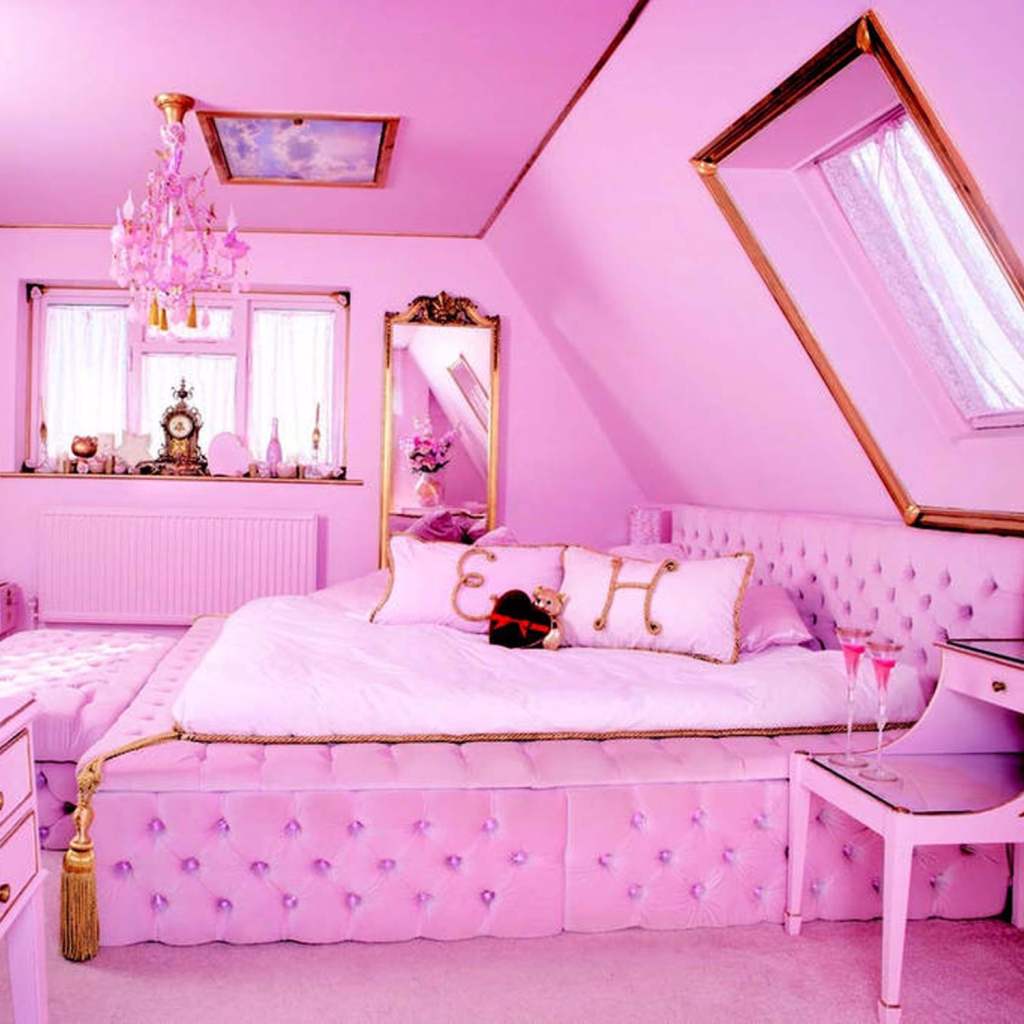
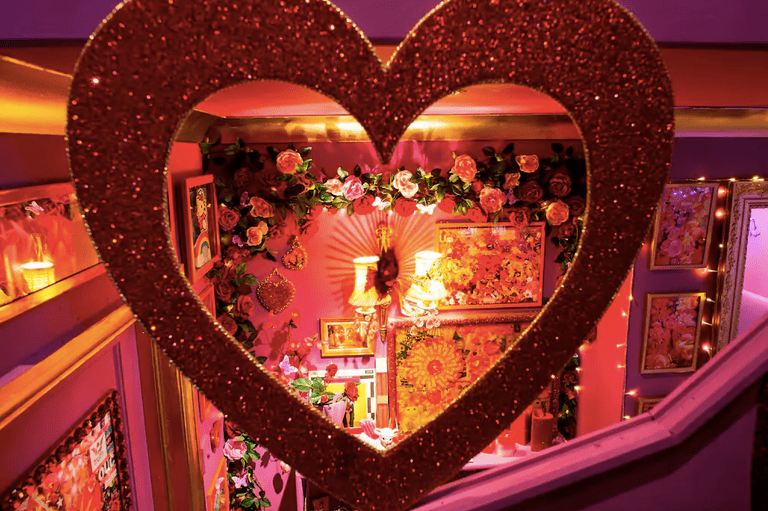
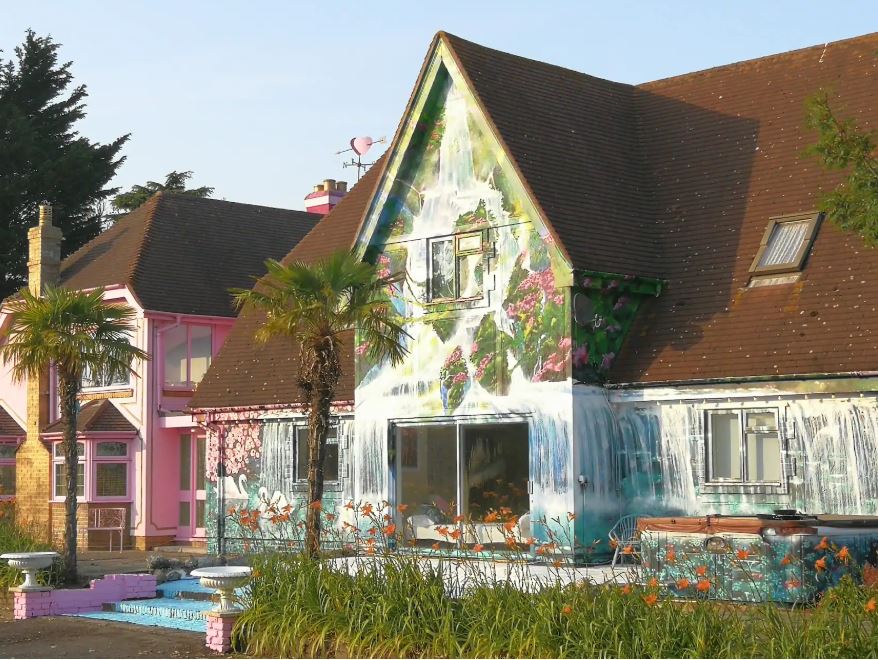
Amy Griffith spent ten years refurbishing and decorating the Barbie house of a little girl’s dreams, Eaton House Studio in Essex, England. She purchased the property in 2009 after moving to Essex from London. Amy, originally a California native, brought her vision to life with commitment and a lot of hard work. Every detail is meticulously thought out in the house… and then there are there the unicorn statues in the garden!
Most of the purchases are second hand and lovingly selected for the house. The house has become popular to film music videos – pop singer Dagny recently filmed her music video, “Come Over,” at Eaton House. Paris Hilton and Iggy Azalea are other high profile fans of the house.
You can rent the house on Airbnb for $3,040 per night. The listing to rent the house is available here. The home has 6 bedrooms with 15 beds and 6.5 baths. It can be rented for a number of purposes, from a photoshoot to a Bachelorette party (or as they call it in the UK, a “hen party”) with a firefighter themed bar room and all, but one thing is for sure: Eaton House is intended to delight. Make sure to go follow Eaton House on Instagram @eatonhousestudio.




Rosy Conversation with Amanda Rodriguez
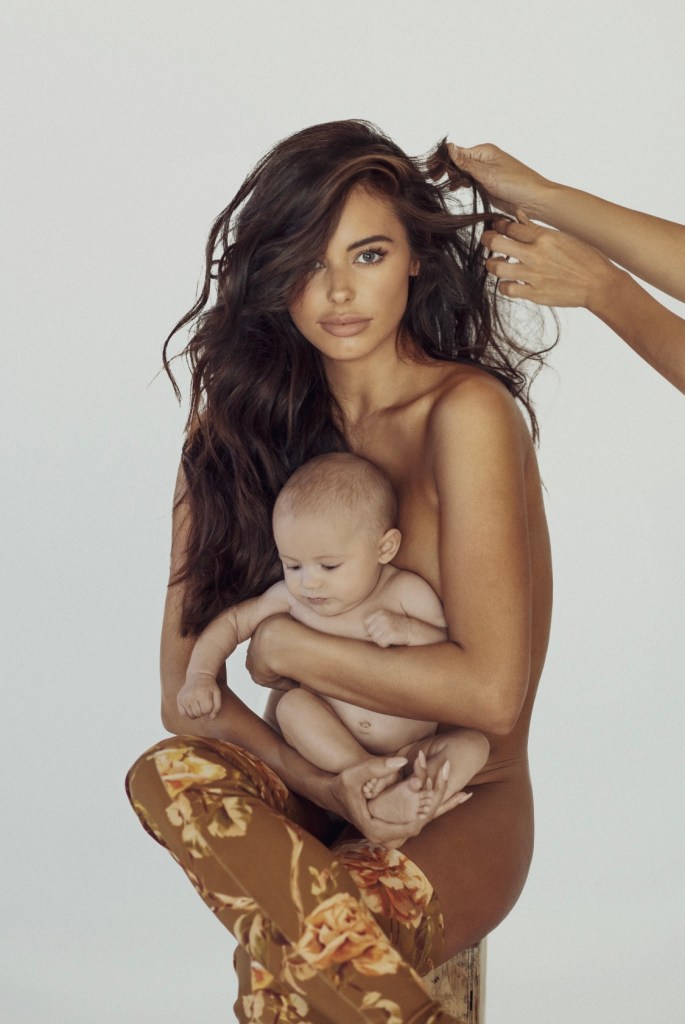
Amanda Rodriguez is a rising star in the fashion industry. The beautiful Los Angeles based GUESS model took time to answer a few questions for Rosy BVM related to some of her experiences in the modeling industry, being a new mom, her belief in the importance of sharing your authentic self on social media, and how a healthy body image is associated with living a happier, more fulfilling life. Amanda is an example of a happy, working mother who chooses to share her life with her many followers in an authentic and believable way.
Please follow Amanda on Instagram @the_amanda_rodriguez_
Thank you, Amanda!
xx Bianca
The Interview
Bianca: Did you always want to pursue modeling?
Amanda: I actually did not always want to pursue modeling or grow up thinking it was going to become such a passion of mine. (Although since being a young child I always loved being in front of the camera!) Before professional modeling I went to school for pharmacy, worked as a pharmacy technician and planned on continuing schooling to become a pharmacist.

Bianca: Were you ‘discovered’ or how did your career begin?
Amanda: It’s funny but GUESS actually discovered me on Instagram of all places! Since that experience and working with them, I realized how passionate I am about modeling. Social media can open so many doors for people.
Bianca: You were a GUESS model in the 2018 campaign. Was this a turning point in your career?
Amanda: Definitely! Working with such an iconic brand is a great way to find your footing in this industry. I always feel so happy when people message me campaign billboard photos till this day around the world. It’s an incredible feeling!

Bianca: You recently had a child, congratulations! What is your favorite part about being a mother?
Amanda: Thank you so much. I am blessed to have her. I would say my favorite part of being a mother is being able to create a happy childhood for her or give her certain things I missed out on when I grew up.
Bianca: You express some of your difficult and personal experiences on your Instagram page in an authentic way, which I think sets you apart from other models who choose to display their modeling photos and never show another side to them. When did you realize sharing another side of you to your followers was an important thing to do?
Amanda: I think it’s extremely important to share real moments on social media. Nowadays it’s so easy to get wrapped up in the airbrushed and filtered moments and we forget that no ones life is as perfect or even “put together” as it seems on their Instagram. We are all human beings with struggles and issues and I believe it’s so important for me to express more than pretty images, but my true thoughts, feelings and experiences in hopes it can help someone else out there to know they are not alone!
Bianca: You are going to speak soon at a virtual summit about the topic of ‘beauty as a spiritual practice’ at the “I Am Why” project. Can you give us an idea of why this topic means so much to you?
Amanda: Self love and self care can mean something different to everyone but it is extremely important to all of us. It recently has become a part of my everyday life. I’ve struggled most of my life with truly loving myself but I have realized self love is a state of mind.

Bianca: Since the fashion industry is evolving, but it clearly has a ways to go in terms of full representation, what do you think is most important about promoting a healthy body image?
Amanda: It’s so important for our mental health to not conform to unhealthy body standards promoted by the fashion industry or social media in general. A motto I’ve lived by which helped get me through my share of rejection in this industry is this: I refuse to conform my body to fit the fashion industry, but rather change the industry to better suit ME.
For so long in modeling we were told you had to be strictly stick thin, size 00, and 6 feet tall to be successful. I see times are changing, “waif modeling” is almost now archaic.
Although, being naturally 00 and naturally tall is beautiful and should NOT be shamed, it is important to remember that not everyone can achieve that body type and I don’t agree with the fashion industry rejecting healthy bodies that don’t appear that way and pressuring them to look that way when I believe a petite, average or curvier body type can be just as marketable to consumers.
Bianca: Have you been on a photo shoot location that you enjoyed most?
Amanda: Honestly, the shoots I enjoyed the most or remember the most were not because of location but were because they were with a positive and supportive team that had me laughing the entire time!
Bianca: Where are you from originally?
Amanda: I was born in New York! But I lived in a few different states in the US growing up and never really felt like I could call any of them a “hometown.”
Bianca: What is one message that you think is critically important to share with your daughter and to other young girls and women that you have learned and want to share?
Amanda: You are beautiful. Other people’s expectations of you or beauty standards don’t mean anything. If you are healthy and happy, that’s what matters most. You can achieve your goals and do anything you set your mind to, even if it seems impossible and even if some people reject you or tell you no or don’t support you. Don’t stop believing in yourself.

Triple RRR by Robert Cavalli

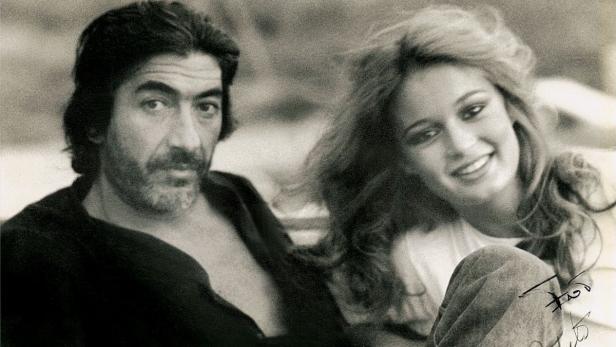

Triple RRR is a fashion brand with a heritage and lineage of fashion, which is reflected in its clever and unique name. Founded by designer Roberto Cavalli’s son, Robert, Triple RRR stands for Roberto, Robert, and the next generation to come… It represents continuity, fluidity, and history all in one. In a short period of time, Robert has emerged as the next generation to take the Cavalli name and brand to new places of innovation. The Florence native has oriented the brand’s focus on bold and innovative menswear which is inspired by the house of Cavalli, his Italian heritage, and the formative time he spent in London for his education.
The Triple RRR brand allows men to mix and match fabrics, prints, and be unapologetic in styling bold looks. The mens line that Robert designs has the Roberto Cavalli heritage: live a full life, exude joy, and be glamorous. He takes the concept of Cavalli fashion now one step further and lets men choose any bold look they desire and wear it for everyday life. I am fully supportive of this fashion philosophy… layer prints and different fabric styles! You only live once.
Robert’s Triple RRR allows men to enjoy a full range of high quality silk and velvet robes, and everything in between. There is something for every man if he finds the courage to live into a new and innovative way of expressing his style. Fans of Triple RRR include American rap artist ASAP Rocky. Roberto Cavalli is historic and known for beautiful and sexy designs oriented more towards a female audience, whereas Triple RRR takes the Roberto Cavalli heritage of high quality fashion and orients this towards an unapologetically bold male audience.
To put it simply, Chuck Bass or Jay Gatsby would wear Triple RRR perfectly.


Minerva, the Goddess of Wisdom

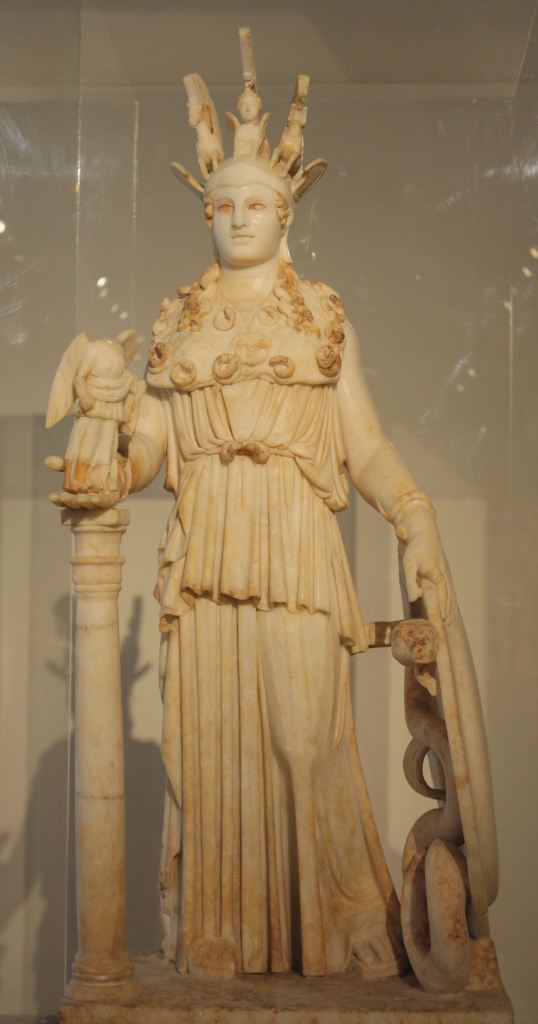
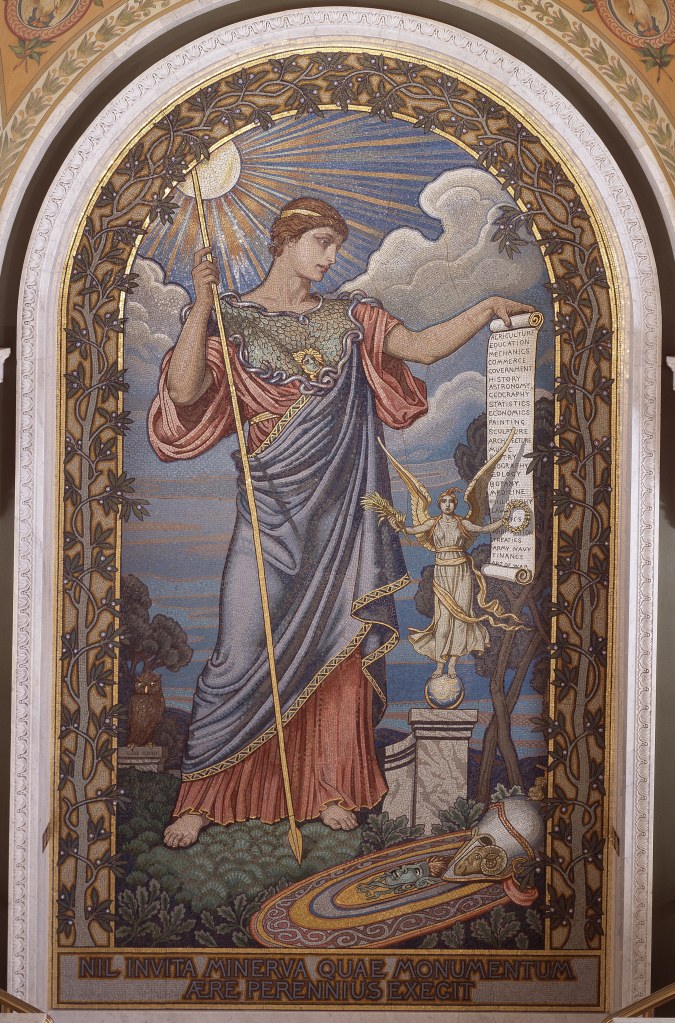
Minerva, the Greek Goddess of Wisdom represents an image of civilization itself. She is a virgin goddess that also represents poetry, arts, music, medicine, commerce, weaving, trade, war and strategy. Though she represents war, she is not an image of violence, as she depicts defensive war as her only form of violence, which is more noble than her counterpart, Mars, the God of War. Minerva’s Roman counterpart, Athena, is named and depicted extensively in Western culture.
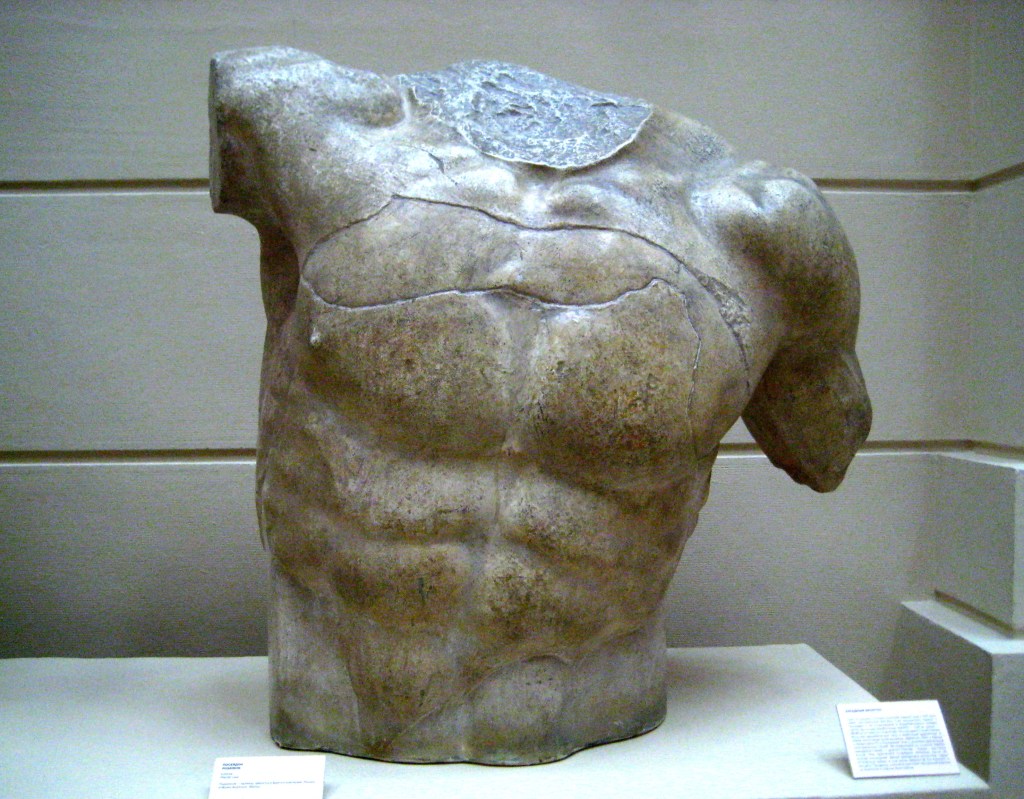
Minerva is often depicted with her sacred creature, an owl, usually referred to as the Owl of Minerva. Though she is female, she is often depicted with an athletic and muscular build, wearing armor and carrying a spear. Ancient Roman writer Marcus Terentius Varro considered her to be ideas and plans for the universe personified.
Minerva appears often throughout Greek mythology including assisting Hercules, assisting Odysseus, appearing in Ovid’s Metamorphoses, inventing the flute, and turning Medusa, once a great beauty, into a monster. The first kind of beauty contest in history is depicted involving Minerva in the myth the Judgement of Paris. In this myth, Paris is tasked by Zeus to choose which goddess is fairest: Hera, Athena (Minerva), or Aphrodite. Each goddess attempted to bribe Paris of their beauty and Athena offered him wisdom and skill in war… Eventually, Paris accepted Aphrodite’s bribe, which she offered the world’s most beautiful woman, Helen of Sparta. He gained the enemy of the Greeks, especially of Hera. The Greeks expedition to retrieve Helen from Paris is the basis for the Trojan War. Ultimately, this tale shows how Paris should have selected Minerva…
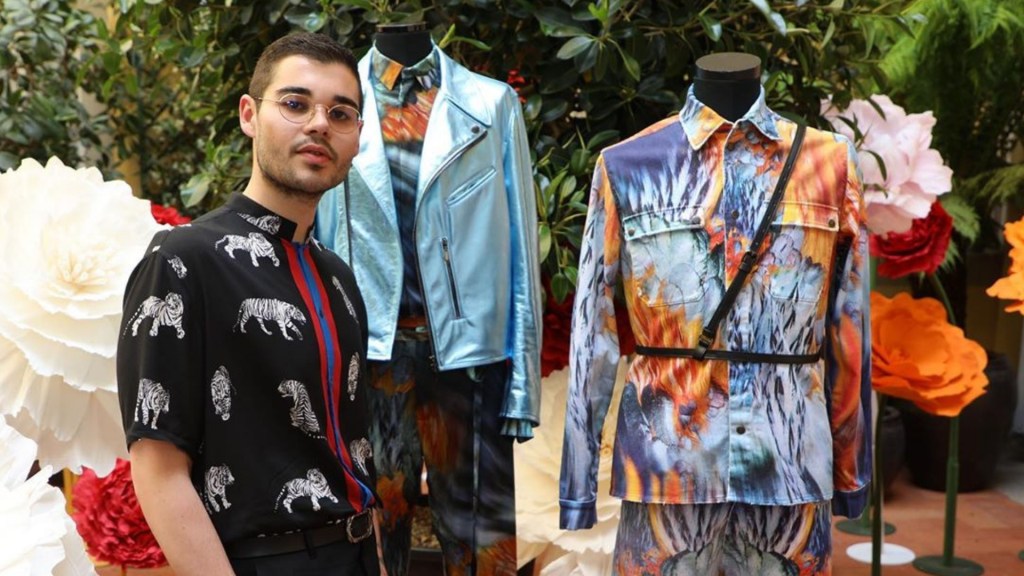
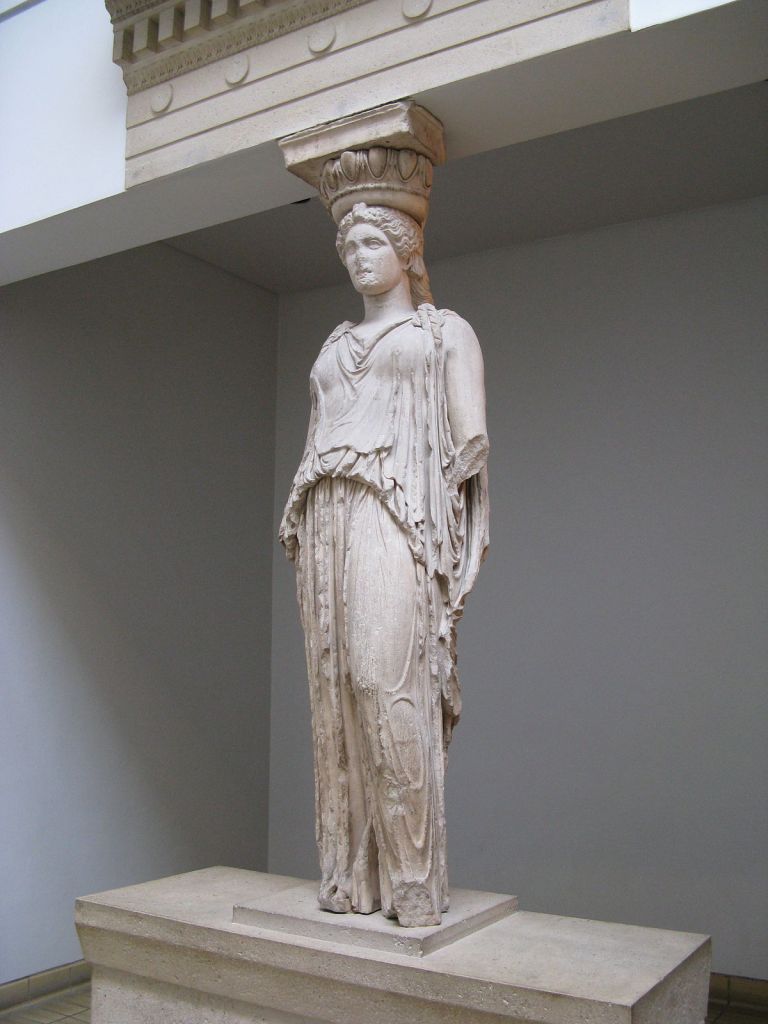
At the Acropolis in Athens, there is a temple that was where Minerva and Poseidon could be worshipped, the Erechtheion. This temple, built between 421 and 406 BC, is flanked by Caryatids, maidens made of marble. They are unnamed and continue to be unnamed. At the museum in Athens which they are today, they are referred to as “A, B, C, D, and E.” Under the Ottoman Empire, the temple was turned into a harem. The Caryatids have seen much throughout their history. Their recent laser restoration by the Acropolis Museum brought their appearance new life.
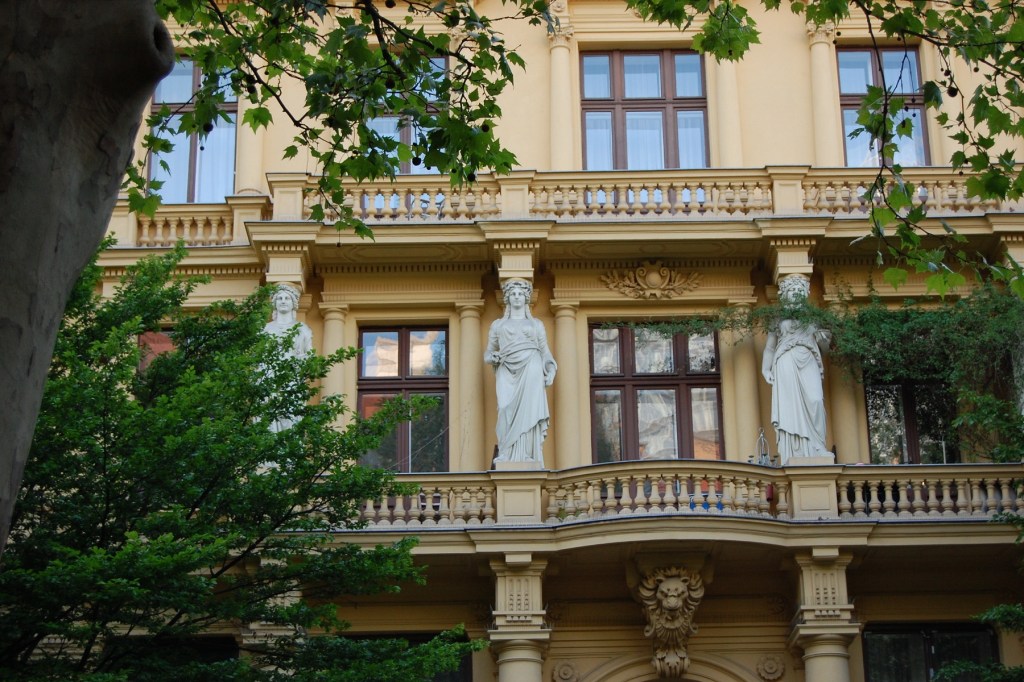
The temple has been recreated throughout Western culture, most notably outside of the Austrian Parliament buildings in Vienna, Austria. Appearances of the Caryatids in architecture also appear in New York City in the SoHo neighborhood. An ancient concept is alive and well in our current civilization, which speaks volumes for the enduring nature of Minerva’s representation.



May, the Month of the Virgin Mary

Today is the first Sunday of May. The Virgin Mary is perhaps the most iconic symbol of the Catholic Church. She is also known in the Catholic tradition for being the Queen of May. She resides as the Queen of Spring, among many titles as Queen. She is depicted throughout Catholicism as the most Holy Queen, the Virgin Mother of Jesus, who gave God’s son life. She is honored throughout the month of May in a number of traditions.
There are many ways in which the Virgin is honored in Catholic culture, she is Our Lady of Lourdes, Our Lady of Fatima, Our Lady of the Rosary… When exactly did this Holy Queen begin being worshipped?
Saint Ambrose, who lived in Rome before going to Milan as its bishop, venerated Mary as an example of Christian life and is credited with starting a Marian cult of virginity in the 4th century. Marian veneration was theologically sanctioned with the adoption of the title Theotokos at the Council of Ephesus in 431.
In my mother’s hometown of Klagenfurt, Austria, there is a lake nearby. The Virgin Mary is honored there by an evening boat trip where an idol of her is atop the boat each year in August. This called the Marienschiffsprozession auf dem Wörthersee. This is one example of how the Virgin Mary is remembered and honored.
If you are Catholic, we pray to the Virgin Queen as an appeal to humanity. In times like these, where the world has been plunged into a global crisis of a heart wrenching scale, this month of May, more than ever, please pray to the Our Queen of Heaven, and ask her for forgiveness – for forgiveness of man’s sins in the world, for greed, for corruption – forgiveness because we need this hope to move on as a planet, closer together, not apart. Please pray this to her.



Rosy Conversation with Matthias Winkler
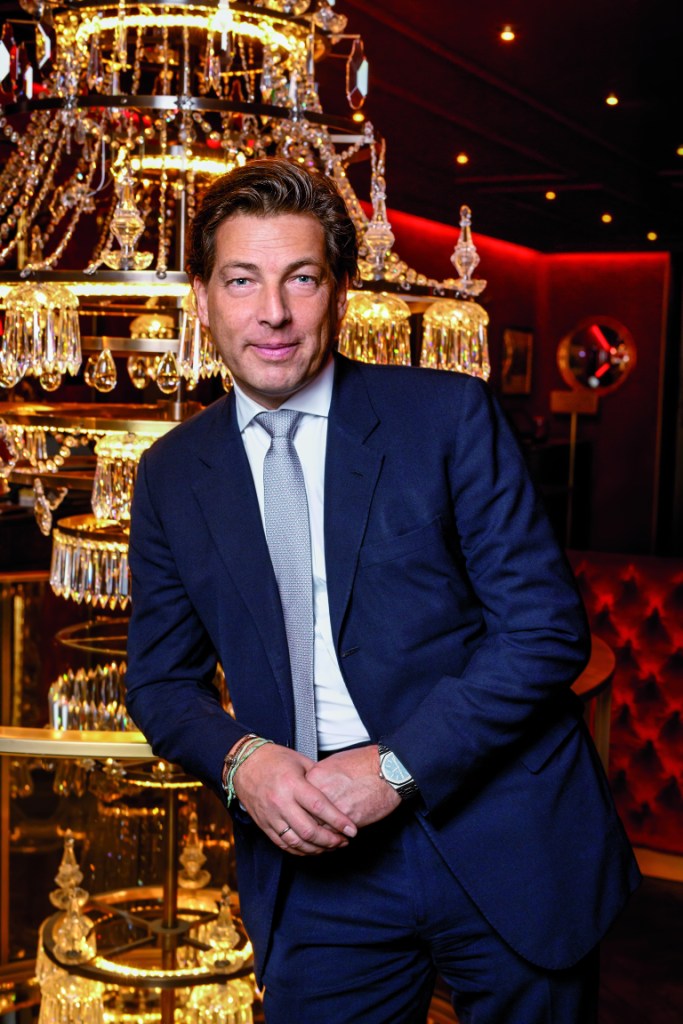
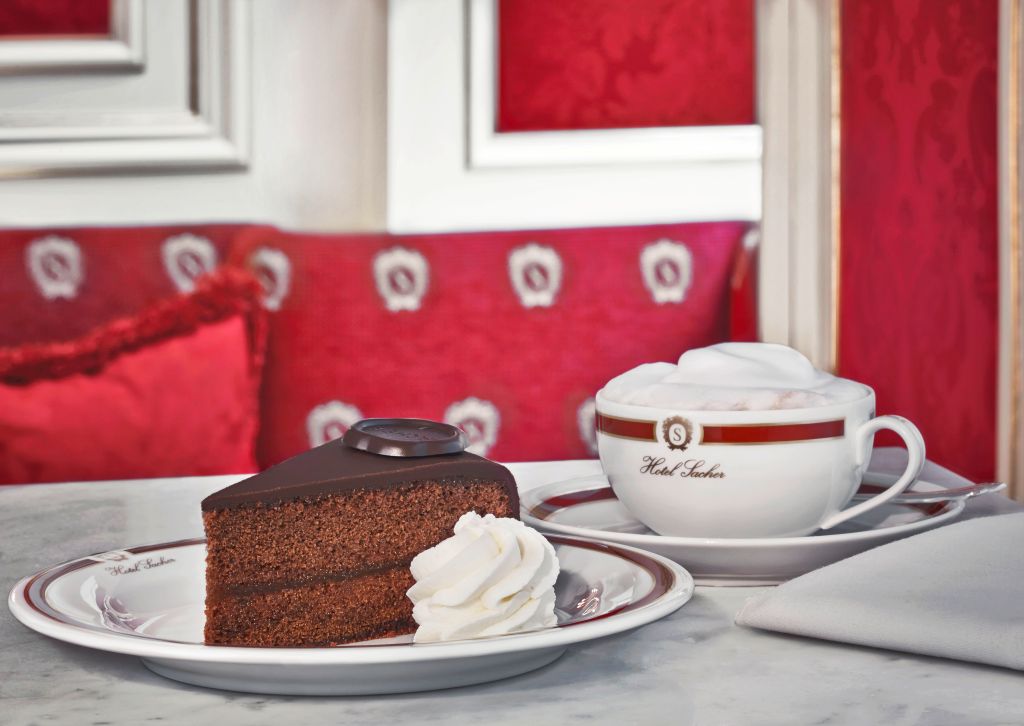
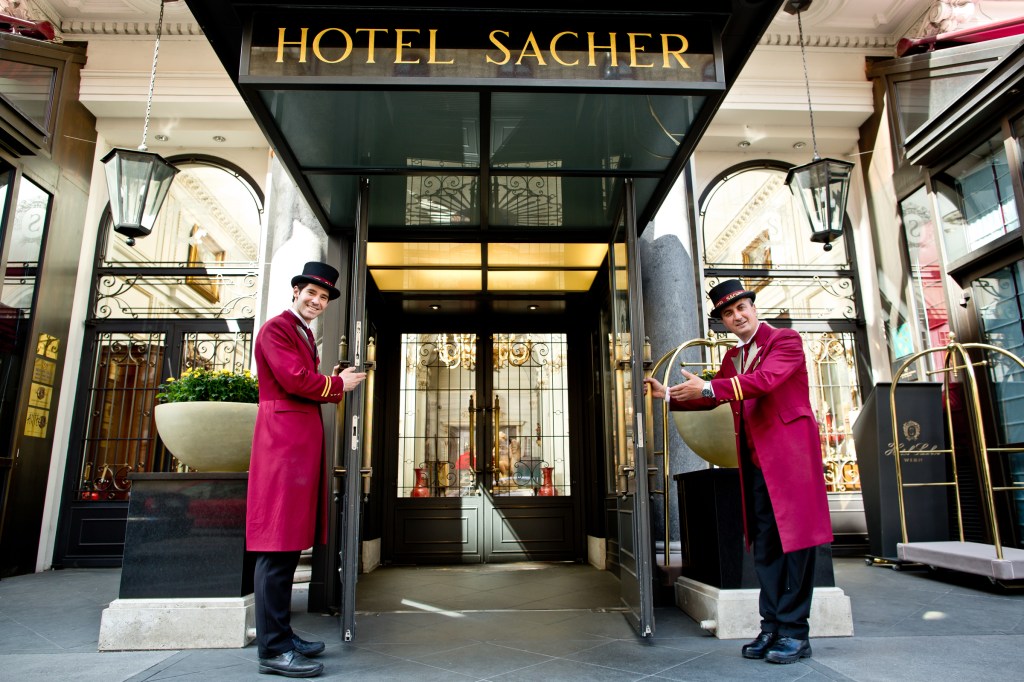
I had the privileged opportunity to interview Matthias Winkler, the CEO of Sacher Hotels, located in both Vienna and Salzburg, Austria. Sacher Hotels are one of a handful of privately-owned and family run 5-star luxury hotels left in the world. Sacher exemplifies a tradition of excellence and heritage that is unrivaled, its doors opening in Vienna in 1876, the building directly across from the Vienna State Opera. Today, Sacher is at the cutting edge of modern luxury with its traditional history alongside it. Sacher is well known for its famous Original Sacher-Torte, a delicious chocolate cake with apricot filling that is renowned worldwide. Mr. Winkler generously allowed me to interview him for Rosy BVM and I am honored to share this interview and share the story of Sacher and why it’s world renowned.
The Interview
Bianca: History is part of what makes this hotel different, and especially because it’s privately held and has a family run history. What does Sacher take most pride in?
Matthias: To us, the Gürtler and Winkler family, Sacher is home – and we are happy and proud to open our doors for every single guest, welcome him or her in, and make them also feel right at home. But our hotels, cafés and restaurants are not only part of our personal family history, they have been deeply rooted for generations within their cities’ economy, society, politics, art and culture. This gives our guests the kind of authenticity they are looking for – and leaves us incredibly proud.
Bianca: How long have you been CEO of Sacher? What do you enjoy most about your role?
Matthias: Formally I am CEO since 2014, emotionally much longer. As my wife and my brother in law own the company, being CEO is not only a “role” for me; it is an extremely important part of my life, of our family life. Everything we do and everything I am deciding is affecting a company – but our family too. Sometimes this keeps me up at night, thinking about various decisions one more time, but mostly this is what makes Sacher so unique in our business: we are one out of a very few 5-star luxury hotels, still owned and run by a family.
Bianca: In Vienna, the Sacher Hotel is the only privately owned 5-star hotel! There is clearly a commitment to excellence that is exhibited in that. What would you say is most important for privately run hotels to keep top of mind when creating memorable guest experiences?
Matthias: Excellence is one pillar carrying our philosophy – it is in our DNA. As an example every employee knows our guest’s names and recognizes them in the hotel, people highly appreciate the personal touch. Our set quality standards guarantee that we can keep our high level of excellence; they are monitored by internal and external checkers.
Since I am Sacher’s CEO, we are transforming the Sacher from customer-friendly to customer-centric and are now operating a digital transformation as well. We try to combine our heritage with today’s needs of our guests and clients. In times of increasing digitalization, we are considering what the room and hotel of the future might look like. For instance, every room already is equipped with a “suitepad” and the rooms can be locked with one’s smartphone easily. Excellence means to not stop moving forward and to stay at the cutting edge to surprise your guests again and again.

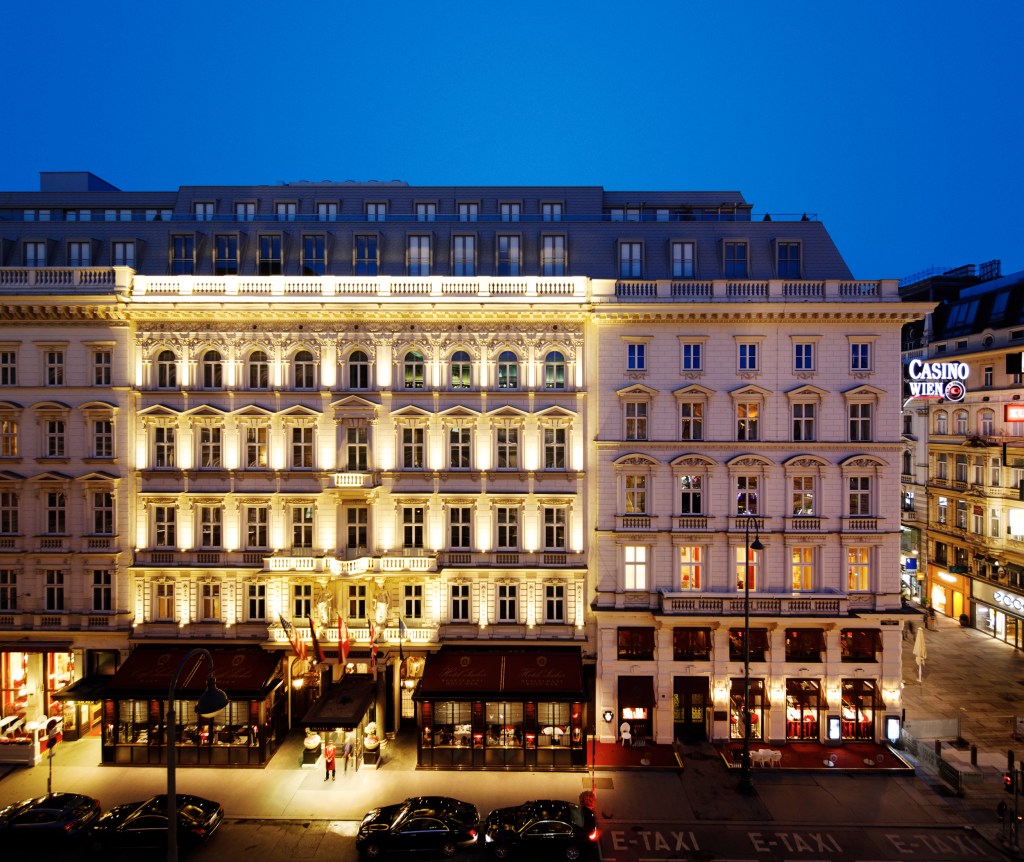
Bianca: The hotel has a long history… it has been open since 1876 and has quite storied walls. One of my favorite facts is that Romy Schneider stayed there when filming Sissi in 1955. There is also an incredibly long list of well known guests from Queen Elizabeth to Prince Rainier and Grace Kelly to President John F. Kennedy, to Emperor Franz Joseph! In 1969, John Lennon and Yoko Ono gave a press conference at the hotel. Are there any historical facts or stories that you enjoy telling guests most about?
Matthias: There are so many stories to tell about Sacher, you just named a couple of the most famous ones. One historical fact I keep being absolutely fascinated about is that at the turn of the century Sacher was one of the first privately run businesses provided with electricity! A great evidence that Sacher always used to be a first mover, which has not changed until today… Anna Sacher, the Grand Dame of the Hotel, would be called a marketing-genius nowadays.
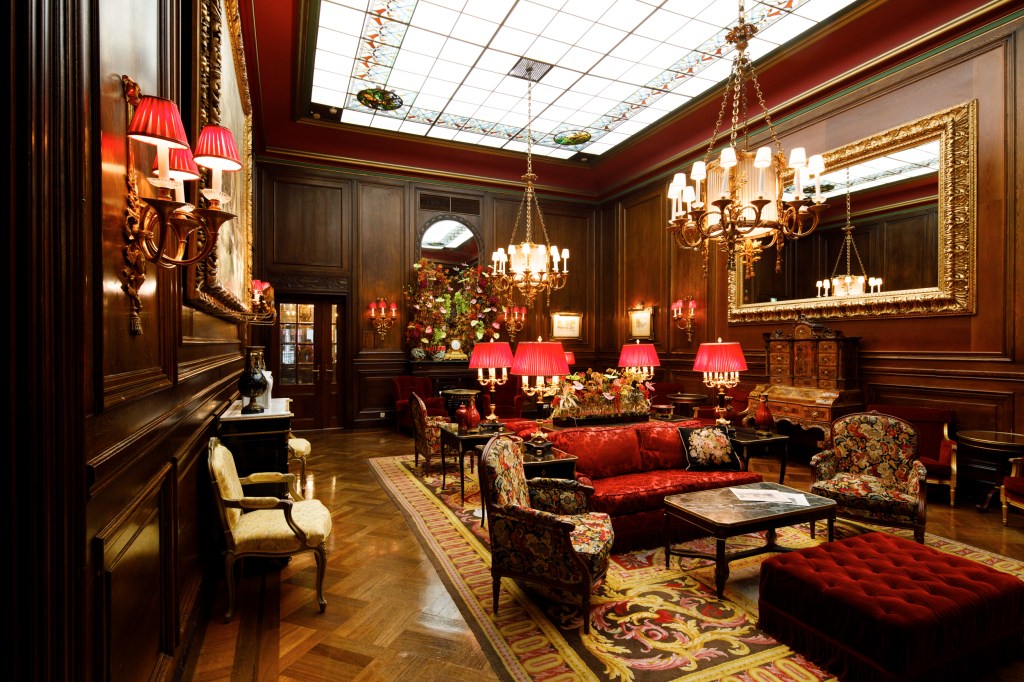
Electricity was very uncommon back then and Anna Sacher of course was very proud of her innovation. So she asked the company Lobmayr (which still produces chandeliers for the Sacher until today) to fix the light bulbs downwards on the chandeliers – intending the light would not flicker upwards, as candlelight does. People passing by the hotel could not believe their eyes!
You still can marvel at the original chandeliers in our fine dining “Restaurant Grüne Bar” (Green Bar) in the Hotel Sacher Wien.
Bianca: The Original Sacher-Torte is arguably the best cake in the world… How much effort goes into its production? What about the cake’s history is most remarkable?
Matthias: We have an historical accident to thank for the success story of our Original Sacher-Torte: One day in 1832 the court of Prince Metternich wanted a dessert to be created for discerning guests. It just so happened that the chef de cuisine was ill at the time and 16-year-old apprentice Franz Sacher filled in for him. The young man created a wonderful cake that left nothing to be desired. This night marked the birth of the Original Sacher-Torte – and until today, the recipe of our Original Sacher-Torte never changed. It has been passed down from generation to generation and kept securely locked away in a safe. Today only the family, the head pastry chef and Reiner Heilmann, General Manager of the Manufactory and the Hotel Sacher Wien, do know the original recipe. Since 1832, the Original Sacher-Torte is made per hand, approximately 360,000 Original Sacher-Tortes, many different Original Sacher Products and nearly 1 Million Original Sacher Würfel are manufactured per year.

Bianca: The Sacher Hotel in Vienna is known for being a luxury property, what has brought Sacher to its place in the contemporary luxury market? What does ‘modern luxury’ for Sacher look like? Do you think there are particular components for this?
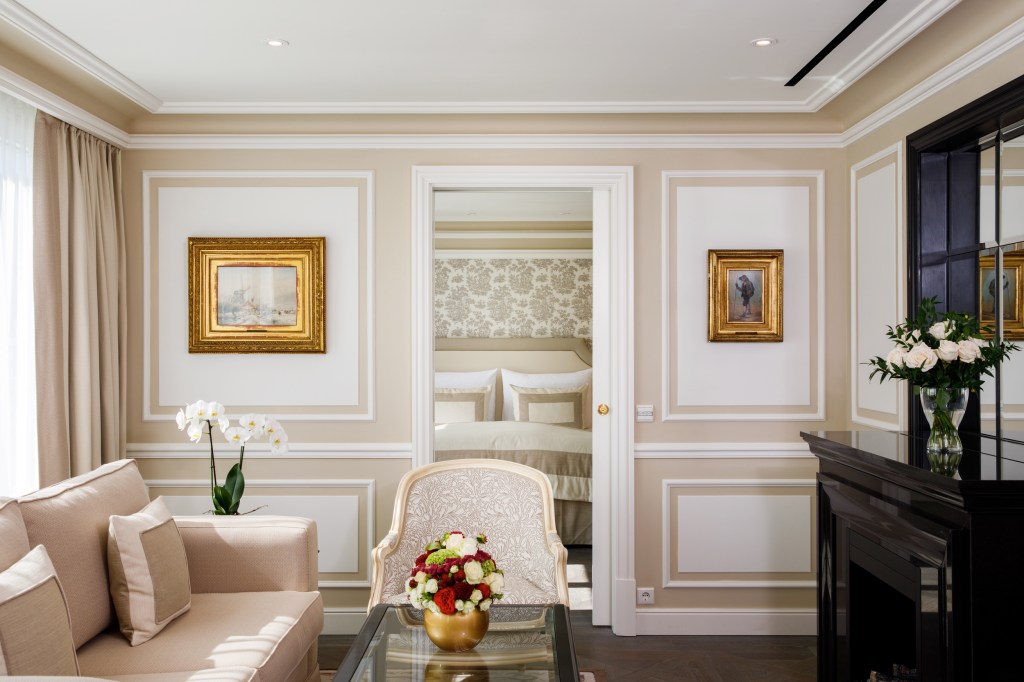
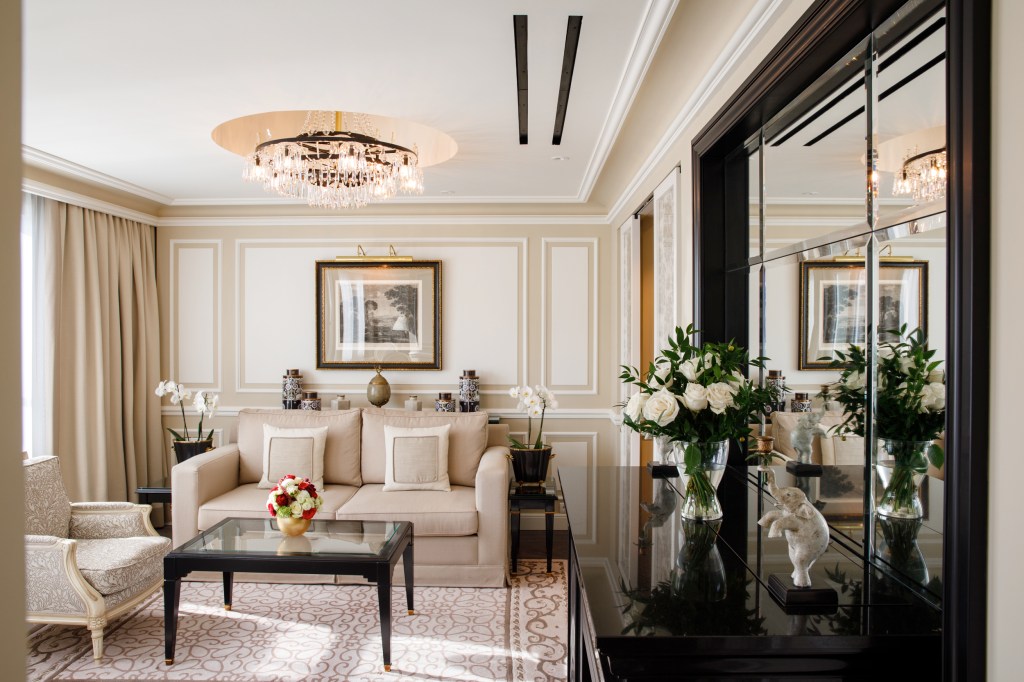
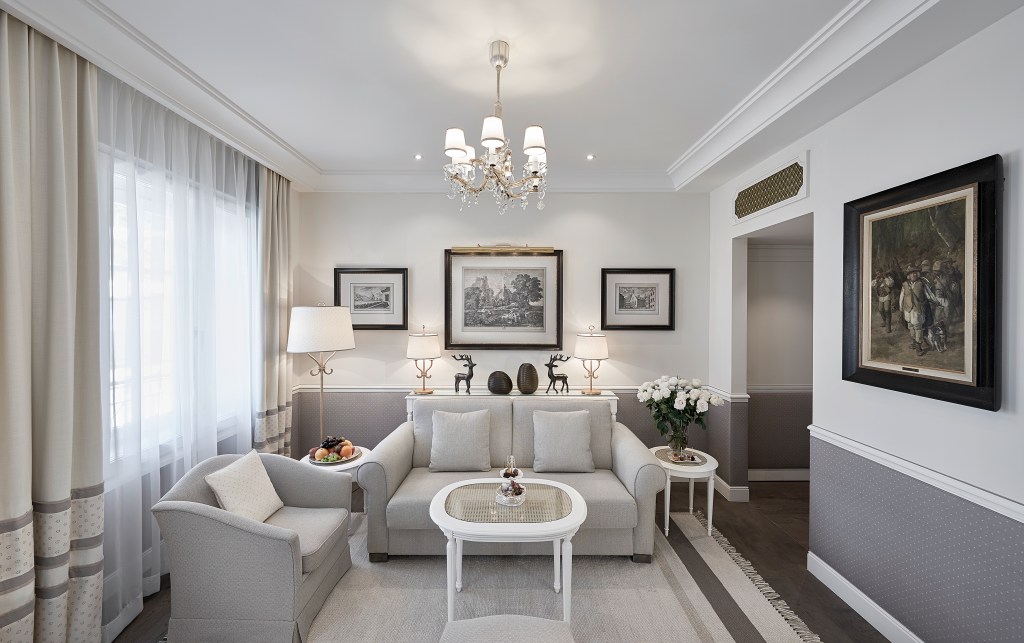
Matthias: Modern luxury at Sacher means enjoying all the benefits of modern life in one of the world’s most traditional hotels! That may sound contradictory at first, however, the two Sacher hotels in Vienna and Salzburg show that historical ambience and modern comfort can be united into a harmonious whole. At the end of the day, luxury is not only about marble, historic wooden panels or crystal chandeliers – real luxury is always connected to people. My first question to future employees: do you love guests, do you love being their host? And yes, we all do: we love our guests. And we want to make everybody’s dream come true. That’s the main reason why we are doing what we are doing.
Bianca: Since COVID-19 has dramatically affected all of our lives, and it’s rather unclear what is to come in the future for so many countries and industries overall… Do you have any thoughts about how Sacher will survive this crisis given its historic standing?
Matthias: More than ninety percent of our guests come from abroad – the crisis in fact hits us hard. We do know from former crises, e.g. 9/11 or the world financial crisis in 2008, that the international travel industry needs time to recover. We truly hope the freedom of travel will be given again soon. Nevertheless, we keep our heads up high: though we do not know how long it will take to end the crisis, we know, that it will end! We are putting all of our efforts in the preparation for this “Day 1.” Unlike other firms, we at Sacher are moving closer together during a crisis. We are a family business, and it is important to us that our employees remain part of the Sacher family. We are doing everything we can to make it work! It’s only as a team that we can prepare for the moment when we celebrate life together in a happy and healthy way once more, and are able to welcome our beloved guest from all over the world back at Sacher soon.
Bianca: This is a family business, what do you think will make it stay a family business? What is best about this remaining a family business?
Matthias: As a family business our goal is not only to look at our quarterly review, but to conduct our business keeping in mind the next generation. We are always saying that we don’t own the Sacher, but the next generation does. So we try to do our business in favor of them!
Bianca: A Sacher hotel employee won a championship for hotel service. Clearly, the training is exceptional at Sacher. What makes the training so exceptional?
Matthias: Sacher’s 22-year-old receptionist Nikola Farkas recently was awarded by the AICR (“Amicale Internationale des Sous Directeurs et Chefs de Réception des Grand Hôtels,” also known as the “International Association for Deputy Managers and Front Office Managers of Luxury Hotels”) with the “David Campbell Trophy” that honors the best receptionists in the world. As the first Austrian winner, Nikola now may call himself the “International Receptionist of the Year.” That makes us very proud! Personalities like Nikola are exceptionally valuable – not just for Sacher, but for the entire hotel industry.
Nikola’s success did not come by accident; he was well prepared for his competition by his team leaders for months. To get the best out of every employee at Sacher, we founded our “Sacher School of Excellence” a couple of years ago. There we are offering all employees a comprehensive range of training and further education courses based on the principle of “Educate – Inspire – Empower.” More than 70 different courses and training sessions are available every year – from apprentices to managers.
Bianca: To me, the tradition of Sacher is charming and keeping it up seems most desirable. You are clearly well qualified to maintain the tradition of the institution and bring Sacher to its place in contemporary luxury, what are you most passionate about for maintaining its tradition?
Matthias: Sacher’s roots reach deep down to monarchy, we are aware to conserve this unique heritage. Nevertheless, tradition to me does not mean worshiping the ashes, but passing on the fire – a principle we have been living since 1832! Digitalization helps us, to keep the fire burning: Of course computers cannot provide an excellent service a human being can. But going more digital helps us to prepare ourselves, and helps us to better understand our guests’ needs. I am sure that modern technology doesn’t come at the cost of our cherished history. Indeed, it supports us as we head towards an exciting future.

 rosybvm.com