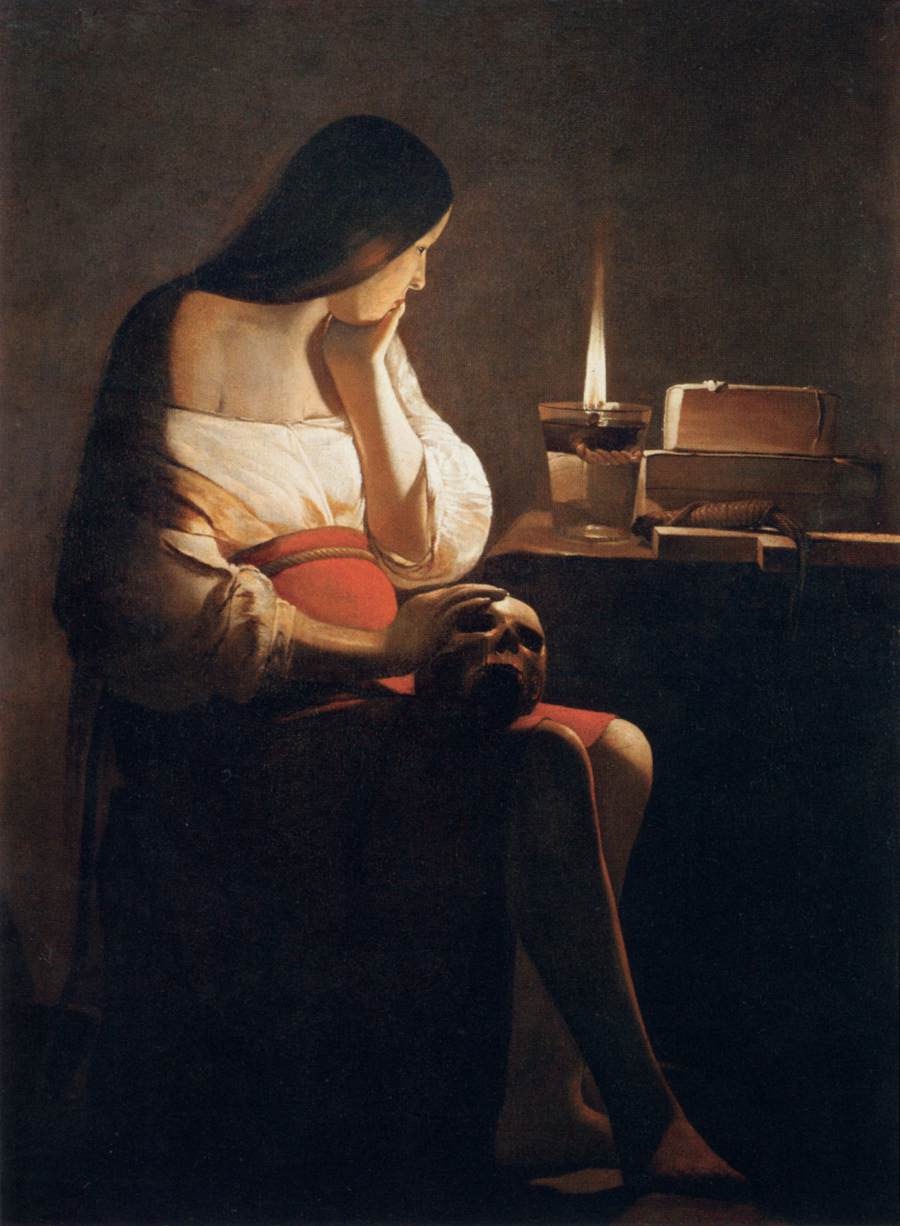
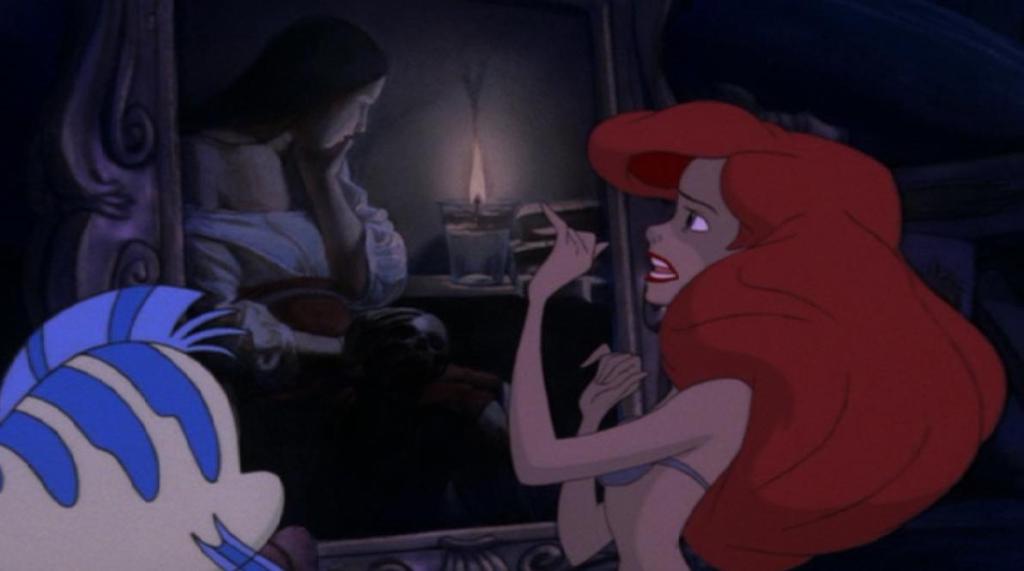
Mary Magdalene represents a devotion to Christ which is deeply inspiring and represents the Easter season to me. She has been depicted in art throughout the centuries. In 1640, she was painted by Georges de la Tour, a Catholic Baroque painter, his piece part of a series depicting her. The most famous painting of the series is entitled “Magdalene with the Smoking Flame.” Today, the painting is housed at the Louvre. In 1989, Disney’s The Little Mermaid included the painting in Ariel’s grotto.
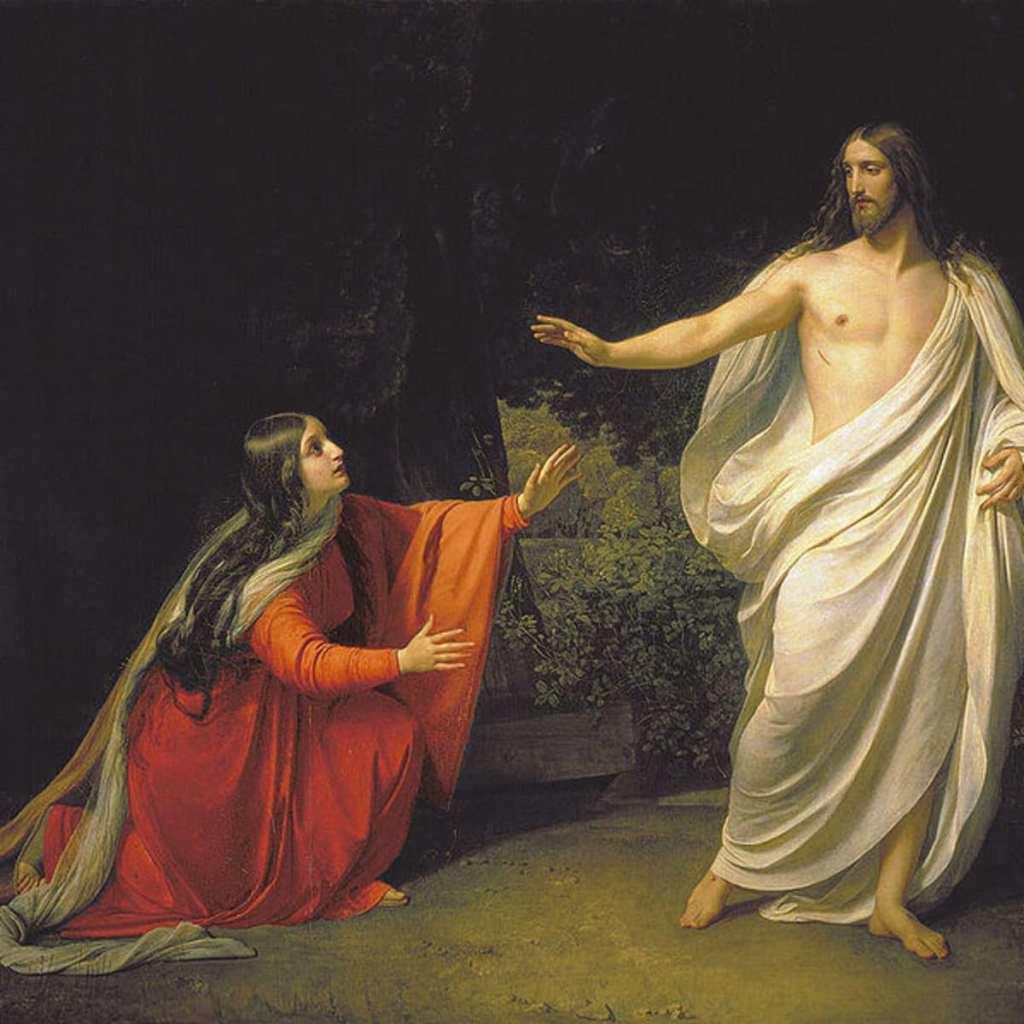
The glimpse of the painting in the film is likely intended to represent a devotion to becoming human (which Ariel’s grotto is a religious temple of sorts to becoming human), a congruent allegory to Mary Magdalene’s deep devotion to Christ. The devotion Ariel has to the spiritual transformation of becoming human is similar to the transfiguration of Christ.
According to the Musée du Louvre, “During the 17th century, great devotion was shown to Mary Magdalene in all Catholic countries. She was the perfect lover of Christ, her beauty was made more appealing because of her repentance, which had a special attraction for a period so passionately interested in problems of mysticism, quietism and asceticism. The theme of the repentance of sinners and trials sent by God is illustrated in subjects such as the Repentance of St. Peter, Mary Magdalene, and Job. The number of written works give evidence to the cult of Magdalene and this cult became widespread since Provence contained two great sanctuaries dedicated to her: the grotto of La Sainte-Baume, and the Saintes-Maries-de-la-Mer.”
Mary Magdalene represents the spiritual devotion that I seek this Easter.
On March 24, 2022, the epic American film, The Godfather, will turn 50 years old. The film written in collaboration between Francis Ford Coppola and Mario Puzo is likely the most recognizable film of our time. In recognition of how The Godfather became an immediate classic, I am interested in considering how “classics” in American culture have shaped the entire consumer market. Personally, I prefer most classics (in all aspects of life), and especially the idea of nostalgia in some form will never lose its appeal. The impact of a 1972 film on Hollywood is remarkable.
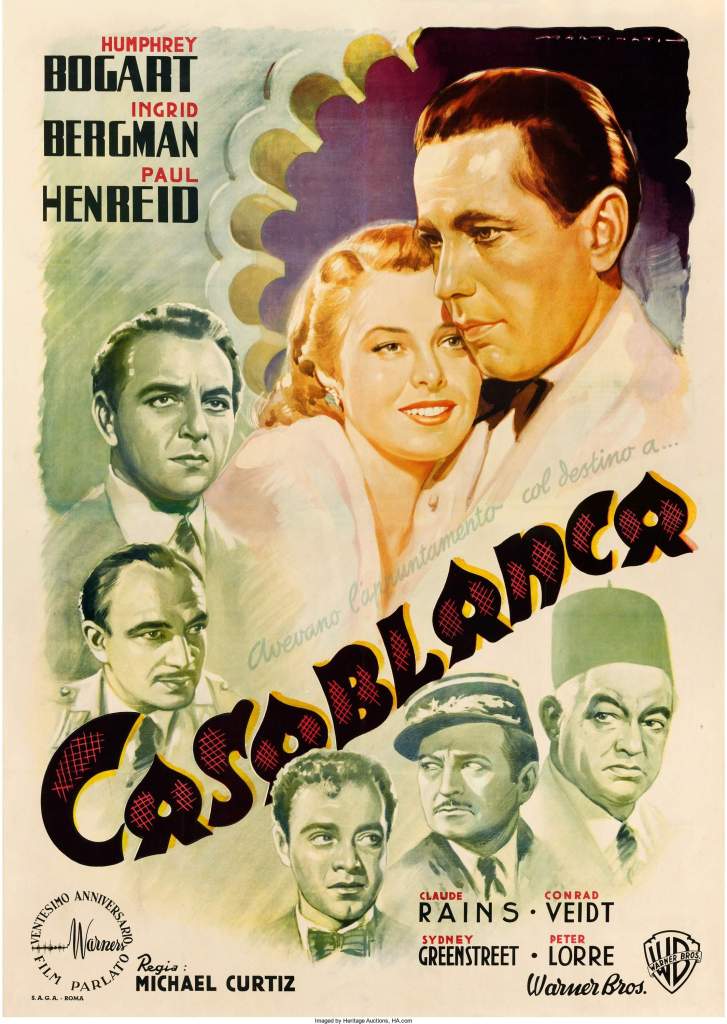
To me, The Godfather is situated between Casablanca (1942) and Titanic (1997) in terms of “epic films,” which is an interesting way of understanding how Hollywood has peaked in many ways. I was five years old when Titanic was released and I distinctly remember watching the Oscars and thinking how amazing all of that was, including the amount of Academy Awards it was nominated for (14 nominations and 11 wins) and its general mass market appeal. This fervor of an epic film had to have been the same for The Godfather in the 70’s (11 Academy Award nominations and 9 wins). I do not think there will be films in the future that will reach the same level of epic status. Perhaps, but likely not.
Let’s explore my take on “American classics” across all lifestyle categories and why they still carry their weight in appeal! If you are in a pinch trying to decide which film to watch sometime this month, watching The Godfather again is a great idea. Perhaps this is also a good reminder to pick up a classic American novel, listen to some classic music, or play a classic board game! We may not be in “lockdown mode” anymore, but we can certainly still live into classic lifestyles. You can’t go wrong with a classic of any kind!
Classic Films
Casablanca (1942); The Godfather (1972); Titanic (1997)
Classic Music
Dean Martin; Ella Fitzgerald; Tony Bennett
Classic Books
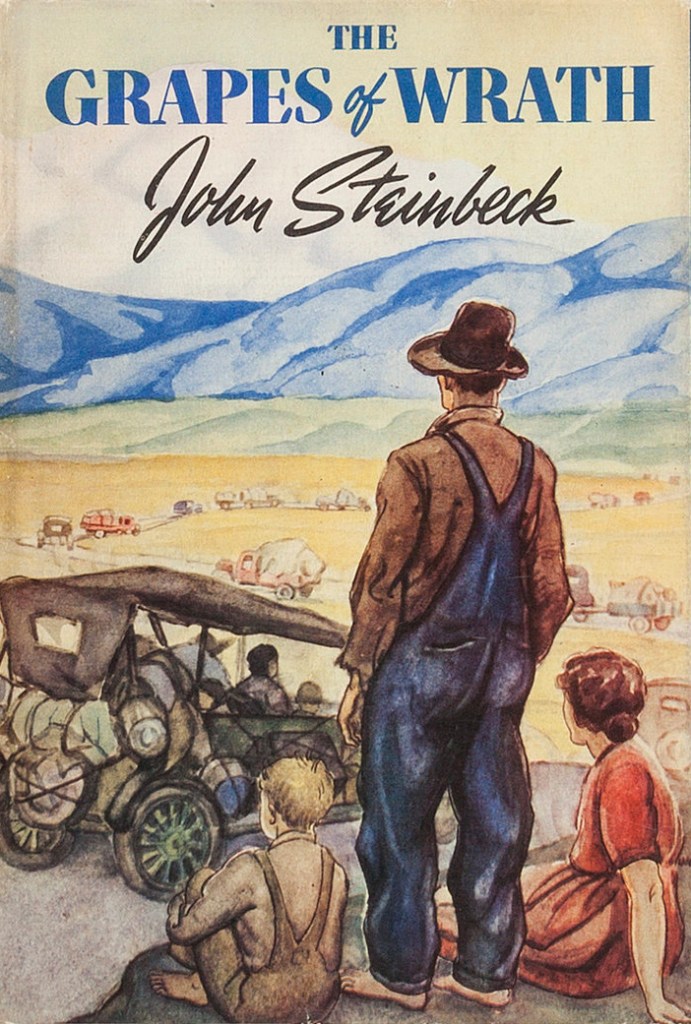
The Great Gatsby by F. Scott Fitzgerald (1925); Gentlemen Prefer Blondes by Anita Loos (1925); The Grapes of Wrath by John Steinbeck (1939)
Classic Board Games
Monopoly (1906); Scrabble (1931); Clue (1949)
Classic Toys
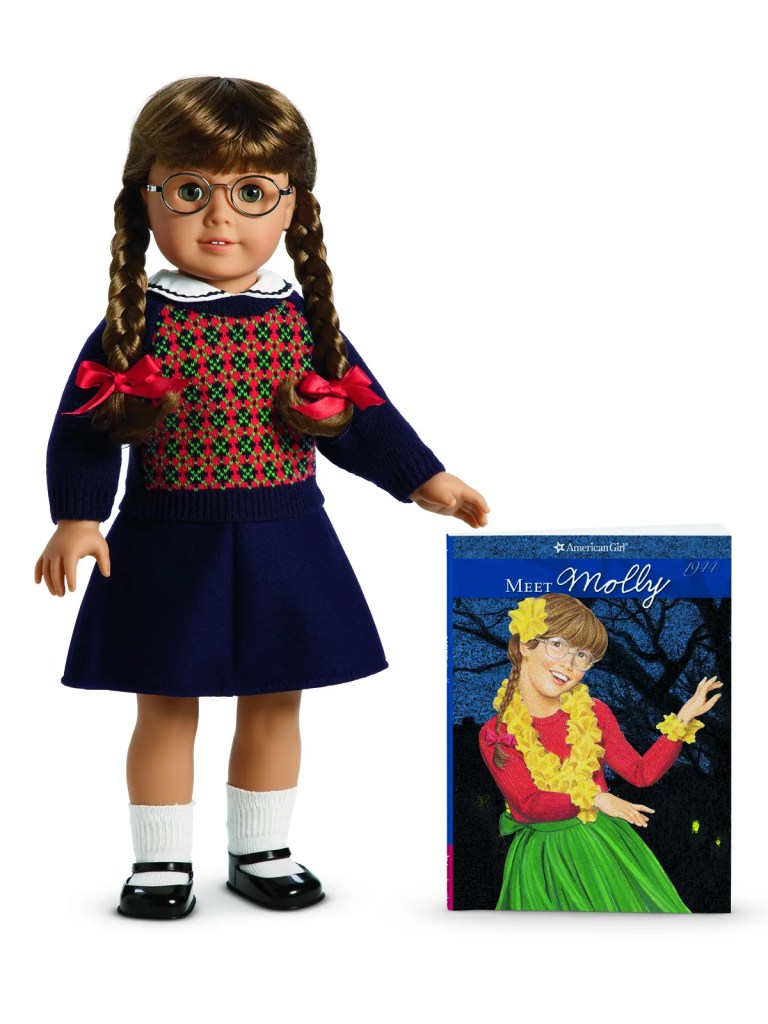
Original Barbie (1959); Hot Wheels (1968); “Molly McIntire” by American Girl (1986)
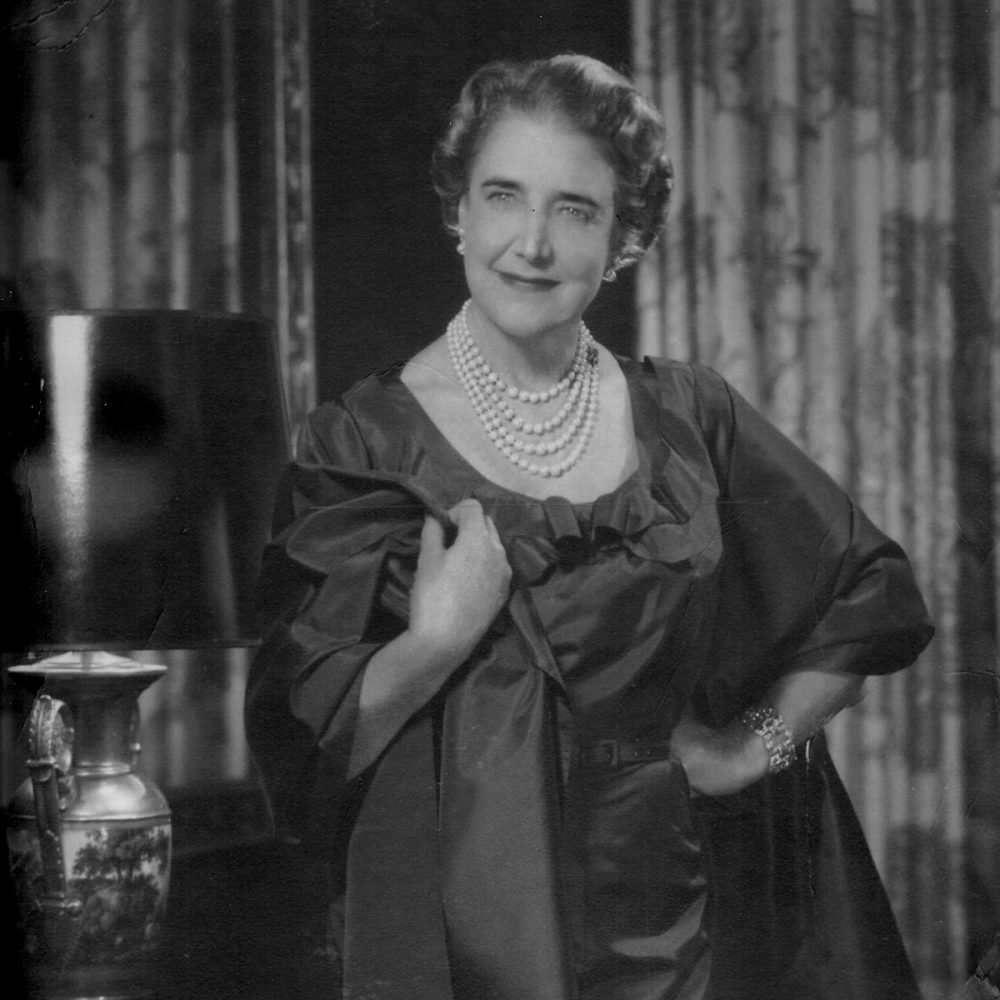
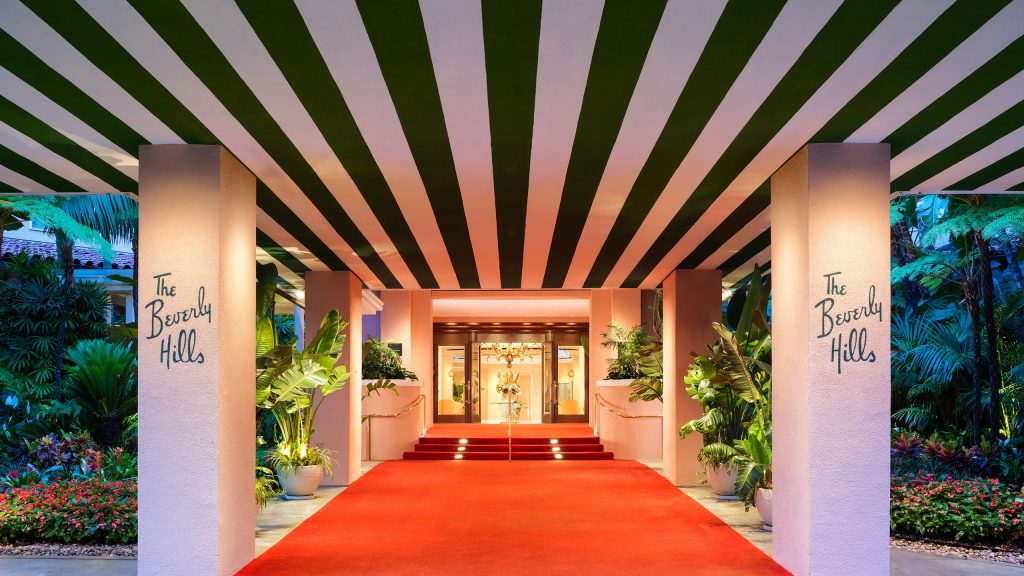
In honor of Women’s History Month, I am highlighting Dorothy Draper, the first interior designer in the United States. The aesthetic she developed as a designer has defined perceptions of “classic Americana” and you can still find her designs at hotels such as The Beverly Hills Hotel, The Fairmont San Francisco, The Grand Hotel in Michigan (Mackinac Island), and The Greenbrier in West Virginia. Her interior design company Dorothy Draper & Co. is still in business to this day, led by Carleton Varney, Draper’s mentee.
One of the most enjoyable parts of her aesthetic is a direct and loud “I am hereand look at me“ aesthetic that embodies what being American is all about. Her aesthetic is both complicated and uncomplicated all at once, there are distinct patterns and colors she leaned into as a constant in all of her rooms: (pink!), thick stripes, distinct florals, blue ceilings etc. I don’t think there could be a more fitting national style to embody America. You simply cannot ignore Draper’s design, just like you cannot ignore America. Something uniquely American about this particular style is that it’s replicable at home for some rooms and Dorothy Draper wrote books about decorating, she was sharing her vision for you to adapt as your own!
Dorothy Draper was an anti-minimalist and the elements of her design are now considered definitive of Hollywood Regency interior design. She was born in New York in 1889 to an upper class family in one of the first gated communities in the country. Her family owned three homes at the time, one in Manhattan, one in Tuxedo Park (upstate New York), and another in Newport, Rhode Island. Her great-grandfather, Oliver Wolcott, signed the United States Declaration of Independence. Her upbringing enabled her to shape her interior vision because she was exposed to both history and design, as well as the upper class contacts that would become her client list. Draper’s designs have been a major influence on several modern interior designers, including Jonathan Adler. It is wonderful to learn about how American interior design has evolved through the years, but it’s evident that Draper played a major role in shaping it. Dorothy Draper set a standard for American style which has stayed contemporary despite all of the years in between. Dorothy Draper will always be America’s designer.
Carleton Varney, the leader of Dorothy Draper & Co., a mentee of Ms. Draper.
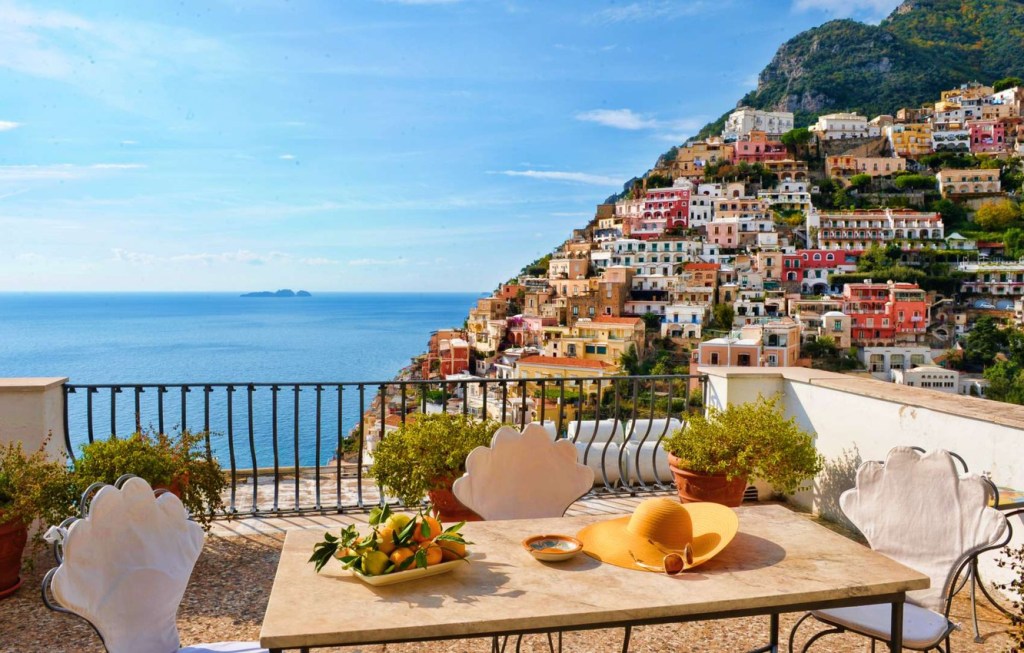
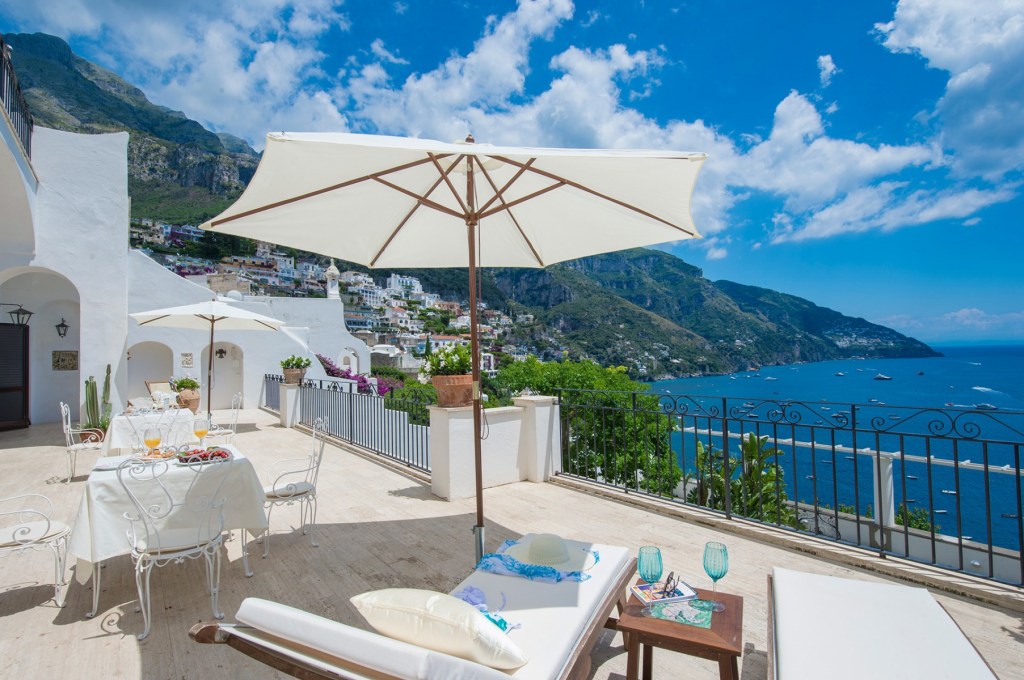
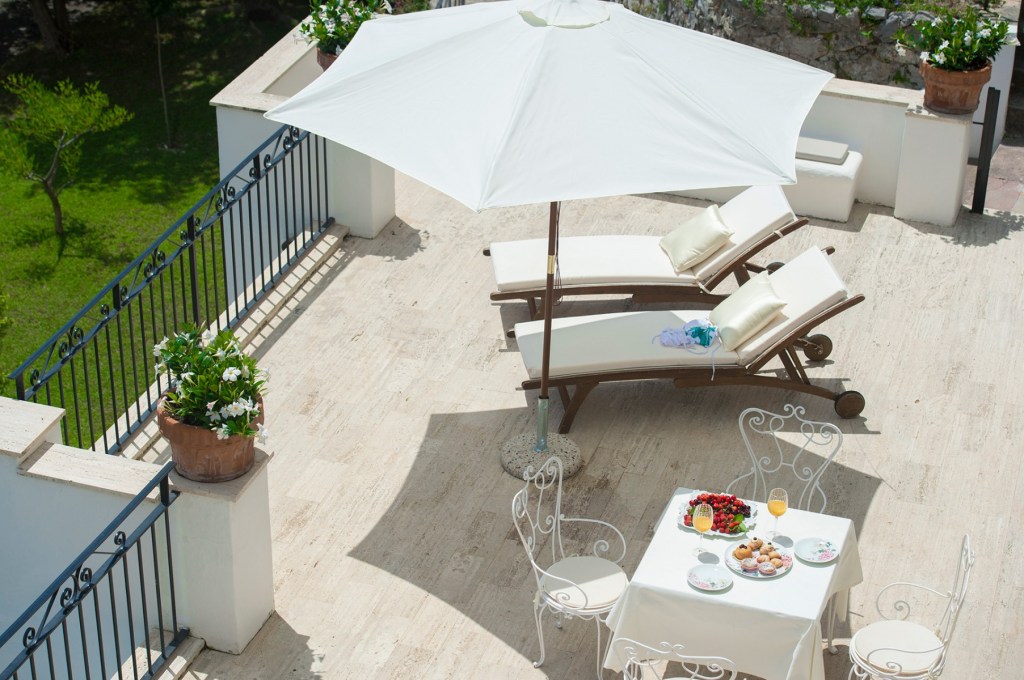
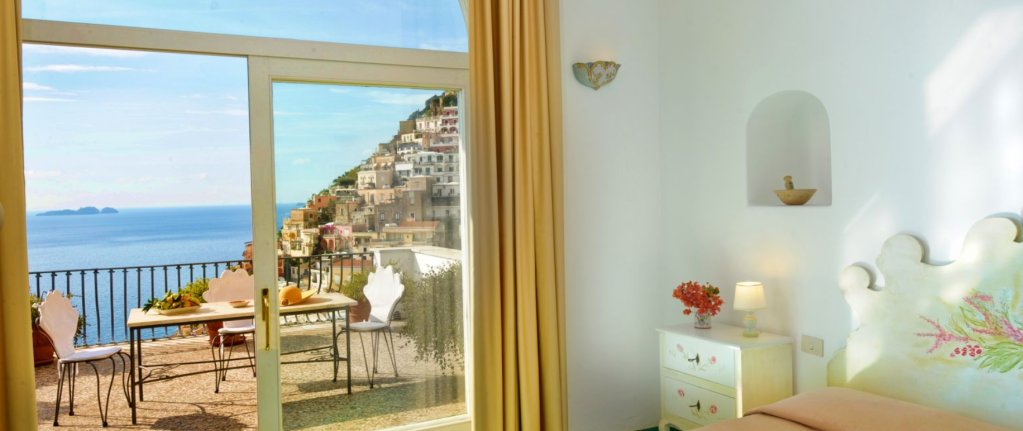
Every so often we hear of or see places that we know are just incredibly special. For myself (and like many others), I think Italy is a very special place. Because of the Amalfi Coast’s tourism popularity, there are definitely “hidden gems” among the places that you can choose to visit. Positano is one of the most visited tourist destinations in Italy. When you go, you can certainly find hidden gems to enjoy it to the fullest and make the most of your stay. The Villa Rosa and Villa Virginia in Positano are two of those hidden-in-the-sea-cliffs gems. The views are breathtaking and these properties are at the heart of Positano.
Both properties provide stunning views of the Amalfi Coast. In my personal opinion, they are the ultimate views of Positano, the true “postcard” view. If you are planning a glamorous getaway or even a wedding, both of these destinations are ready to serve you. There truly may not be many places on the planet that are as stunning as these two properties, and that is saying a lot. While the hype of Positano’s popularity is real, these destinations are the true gems of the Amalfi Coast, combining the stunning seaside imagery and true Italian charm. As the world starts to re-open more broadly and it is becoming more normal again and you may be thinking about planning some summer travels, consider giving Italy some extra love… XOXO
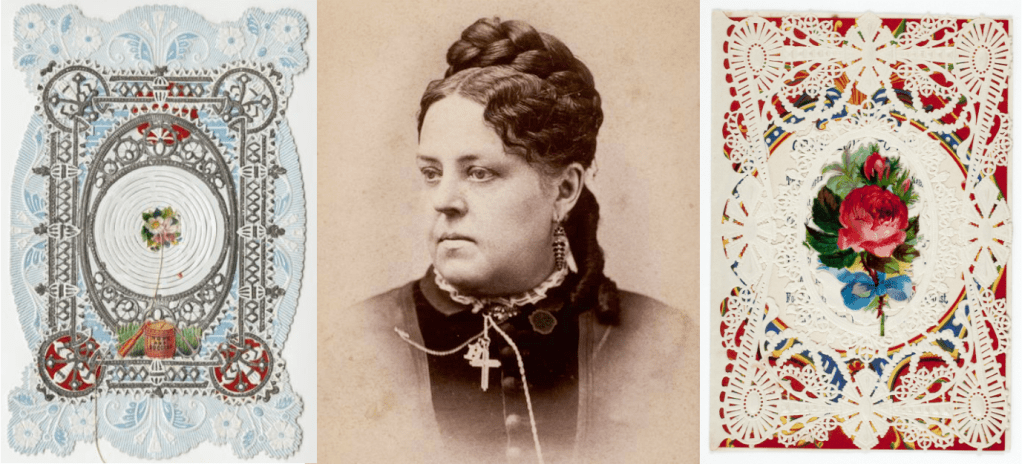
Esther Howland is considered the “Mother of the American Valentine.” Her company, started at the ripe age of 19, was conceived when she “received a fancy English valentine from an admirer in 1847, and she was inspired to start the first American valentine company. She hired friends to help make the valentines around her parents’ dining room table. Esther designed the cards… Soon, Esther’s New England Valentine Company was making thousands of dollars a year.” (Samantha’s Friendship Fun, 2002). Born in Worcester, Massachusetts and daughter of Esther Howland Allen, author of The New England Economical Housekeeper, a cookbook including original recipes of New England clam chowder, salt cod, and Boston pudding. Her mother adopted a famous phrase from Thomas Jefferson, “Never buy what you do not want because it is cheap.” This philosophy of living likely inspired Esther Howland to focus on what was truly special to her, which was designing beautiful Valentine’s Day cards.
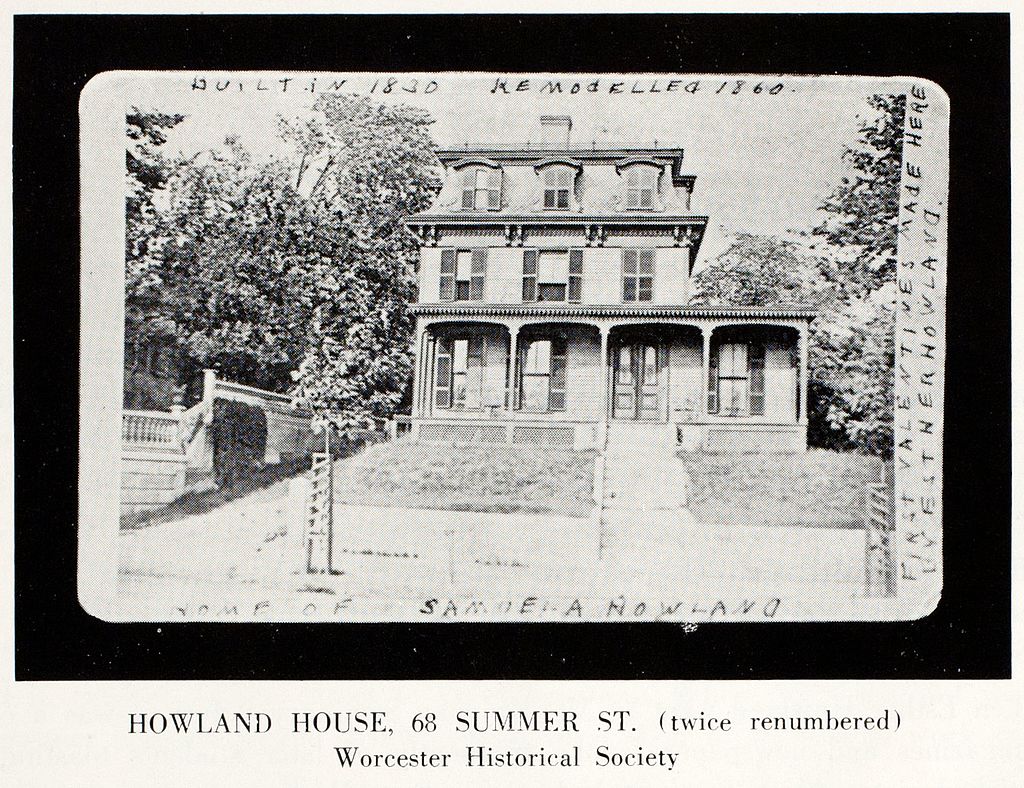
The house that Esther lived at in Worcester, MA.
Since Valentine’s Day cards were not considered affordable to Americans yet, Esther was determined to create economical and beautiful designs to democratize access to Valentines! This was a highly innovative concept for the time and Esther’s commitment and passion to seeing her company thrive has made her the “mother” of American valentines. She made a dozen samples of her cards and her brother, who was a salesman, took them with him on his sales trip. Expecting $200 in orders, she received $5,000 in orders. She knew this would be a success. A guest bedroom in her family home was used for the operations and she hired women where she spread the work to be “light and pleasant,” as all of the cards were handmade. She was the first to create the commercialization process for Valentine’s Day cards. She imported materials for her cards from Germany and she also thought of using silk and embossing cards. Eventually, she sparked competition! The original New England Valentine Company is America’s first ever valentine’s card producer. Thank you, Esther!
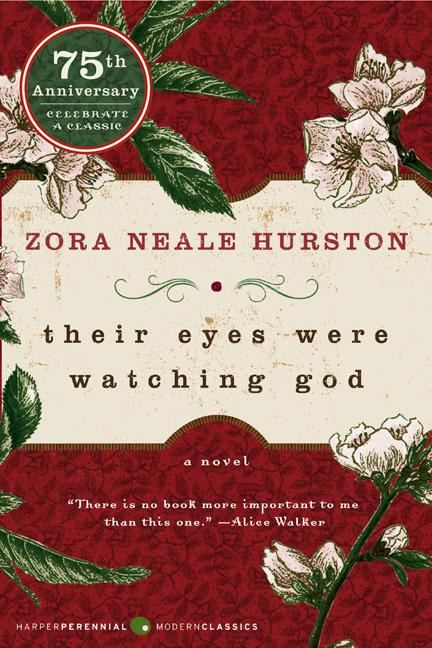
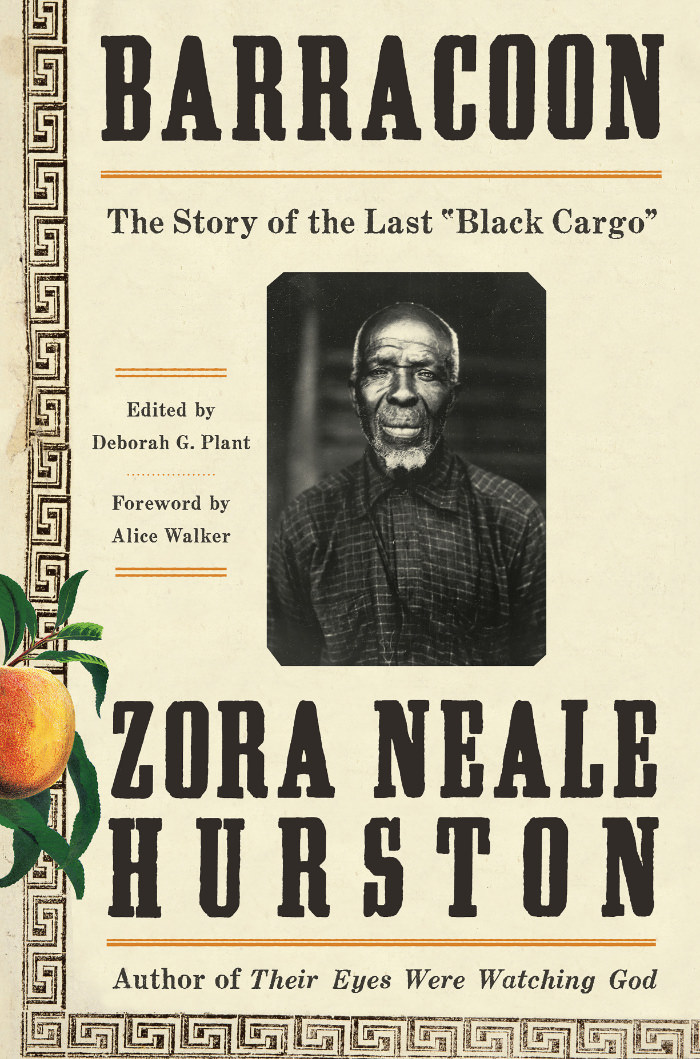
When I was a student at UC Davis, I took a course on American Literature. This was the first time I was introduced to Their Eyes Were Watching God, a book written by Zora Neale Hurston which was published in 1937. Hurston’s literary impact is enormous. In honor of Black History Month, I am featuring her because she has had impact on me and many others. Hurston was born in Alabama in 1891 as the fifth of eight children and Hurston grew up in Florida. Her father was mayor of the town that she grew up in, Eatonville, which was one of the first all-Black towns in the United States. Later, her father served as minister to the town’s largest church. She was formally educated and she attended Howard University, Barnard College, and Columbia University. She was a central figure of the Harlem Renaissance and she wrote about contemporary issues in the Black community. Hurston often used Eatonville as a setting for her stories.
Hurston’s writings reflect a deeply anthropological lens and this is not by chance. She was educated with this lens and one of her main goals was to prove similarities between ethnicities. In 1920, she was one of the first initiates to Zeta Phi Beta, a sorority for all Black women. Hurston was married three times. Her first husband in 1927, a jazz musician, Herbert Sheen, who later became a physician. Their marriage ended in 1931. In 1939, she married Albert Price, but their marriage ended after a few months. In 1944, she married James Howell Pitts. Again, this marriage also lasted less than a year. Hurston has no children and she traveled extensively in the Caribbean and was immersed in local practices – a true anthropologist. Much of her work’s focus was around preserving cultural practices and she was also a documentary filmmaker. Hurston’s legacy lives on to this day.
Deborah Brand is a British fashion designer who specializes in corsetry design. Deborah’s bespoke pieces have been worn by many celebrities, including Amal Clooney, Salma Hayek Pinault, Kim Kardashian, and Adriana Lima. She is based in London and has a studio in Notting Hill that is by appointment only. Linked here is an Instagram video of a woman putting on one of her corsets in under a minute. Please follow her on Instagram @deborahbrand.
Our Conversation
Bianca: How long have you been a fashion designer?
Deborah: I have always been a designer. I started when I was 20 and if you look at the index on the anthology on my website, I started with sexy stretch dresses in my twenties and eventually leading up to corsetry. Lifelong obsession with design! I was born a fashion designer!
Bianca: Your corsetry design is bespoke. Was there a juncture in your design career when you realized, “I really want to get into corsets now.”
Deborah: Yes, there was actually a big event. I have always designed sexy bodycon clothing, I have always used the female form as a canvas. In the early 90’s, I did a corset dress that was sold exclusively to Harrods, but never did an actual corset. About 15 years ago, I had a horse riding accident and I broke my back. I was out for nearly a year. When I came out of the accident, I had to learn to walk again and my body had completely changed shape. I didn’t have a waist anymore. Part of the design of the corsetry focus was getting my femininity back.
I was blessed with a very curvaceous figure my entire life and like everything, you take things for granted and you probably may not even like so much… but when it’s gone, you think “oh no, I really miss that!” I had no waist, I didn’t mind being larger, but I really minded having a stomach. In order for me to design, it was a crossover of two things at the same time… I was resculpting on the dress form and wondered, “how could I design something for myself where I could look curvaceous?”
I basically developed the corset, initially, to wear myself to feel sexy. Once I got into the world of corsetry, there was no going back. It’s incredible what you can do. It is a real art, fashion design is fun and wonderful, but corsetry is really artwork. It’s an art form. I took three years out of my life to master it all. I can make women look photoshopped! It’s so great seeing their faces when they put on my designs. I love making women look and feel fantastic. I absolutely love what I do.
Deborah’s Swarovski corset, detailed with 15,000 hand placed multi-faceted Swarovski crystals
Bianca: Wow, you have so much meaning and purpose connected to your designs! That is so inspiring. When I came across your designs, I was really awestruck. There is something to say about the bespoke aspect. For example, mainstream shapewear is now a norm. Do you see that your product is a differentiation of that? Where do you find inspiration?
Deborah: I love being in the sun… I am in Arizona right now because my business partner lives over here. The shapewear question can go down a hundred routes. I still do womenswear, eveningwear, but my focus is now on corsetry. I am a womenswear designer, but now see myself more as a corsetier. When I started crossing over around 2008, the way that the world was back then about corsetry, I had massive pushback. People were saying I was disempowering women… People thought I was taking women back a hundred years… I was saying, “It’s not so deep, I want to make women look sexy and feel great, it’s for that special time when you want to be seen.” When you wear a corset, you’re seen. It’s the most feminine feeling to wear a corset. I wrote 10 years ago, women will want to wear corsets again. I had been swimming against the tides, but now it’s not so, last year was the year it hit… I predicted it. Women want to wear corsets again.
I don’t take your waist in 16 inches like the antique corsetry, I’m going to take your waist in a couple of inches maximum. If you take a woman in a couple of inches, you are putting something on that is giving a shape and you can choose if you want to go tighter. It makes you sit up straight, it makes you more conscious of yourself. It helps you focus on your alignment. It’s like wearing makeup, having high heels, having your nails done, it’s another accessory! It’s not rocket science, we are just trying to have fun here. All of my friends’ children who have grown up knowing me are all fans now. The Gen Z’s are all about it because they don’t know the story of corsetry. They just know it makes you look great.
Bianca: I do think you have been on the right road with this for a long time. How have you felt watching this newfound popularity unfold?
Deborah: The next generation is really understanding it. Now I’m seeing it everywhere. It’s so funny, even two and three years ago, my friends were saying what are you doing? Now, that’s changed. The impact of Billie Eilish wearing a corset for the June 2021 British Vogue cover for example… I think she single handedly changed the industry with that cover. She recently broke down all the corsetry barriers and now there are no barriers!
Bianca: That’s amazing. I was reading on your website about the boning structure of your corsets more specifically. All of your corsets are exquisite, is there anything that makes your designs specifically so unique?
Deborah: Yes, they are like no one else’s. I spent 3 years developing my corsets. They have 40 bones (the rigid parts of the corset) in my design. I also knew if it was not easy to get on or comfortable, a woman wouldn’t wear it. So, I made the corset when you actually put it on, it’s both beautiful and comfortable. It was a lot of working coming up with the right bone structure, the interlinings, what fabric to use… the pattern… things like that. It took a lot of time to get it right.
It takes under a minute to put on one of my corsets. I have a video on my Instagram where we show a video of a woman pop it over her head and pull the strings by herself in under a minute. Back when corsetry was a big thing, you had a maid to put you in. All you have to do now is just pull the side strings. Craftsmanship is a big part of my designs. The most ornate one is my Swarovski corsetthat is covered in Swarovski crystals! The fabric we use is the fabric that is specifically made for corsets (the same used for the making of corsets in the 19th century). There is a real art that goes into it. A lot of work goes into it!
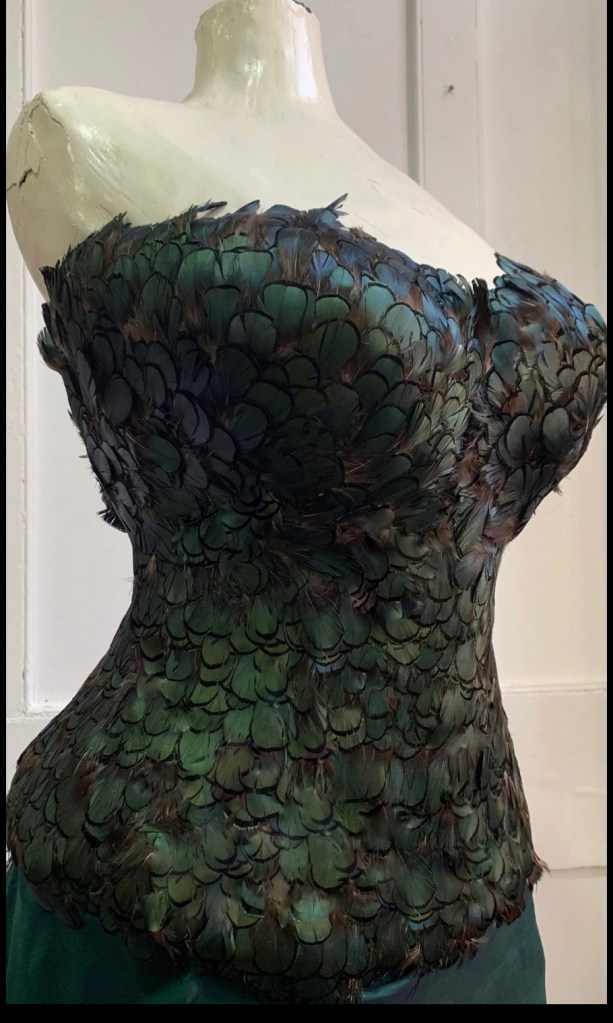
One of Deborah’s masterpiece designs
Bianca: It is clear that the art of this has not changed, but you have modernized and made a classic piece contemporary, which I absolutely love. What else about the history of corsetry do you know?
Deborah: Corsets started to lose favor around Chanel entering fashion and WWI. Women had to go into the workplace and they designed a sports corset so that women could work in the fields. They had to give up the wires of their original corsets to aid the war effort and they donated enough corsetry bones to make two steel battleships. Corsetry started to lose favor around 1920. Later, in 1945, the brassiere was invented. It’s funny to think there wasn’t a bra up until then. I have a couple corset designs with actual bra cups, such as my Swarovski design. The original corset does not have bra cups because they weren’t invented. Another modern aspect is about not being laced in so tight… it doesn’t look good actually. There is a mathematical equation to a beautiful silhouette. Your waist should be 4 inches smaller than your underbust. If you take it in more than that, you start to look contrived. Some people like that, but we are just talking about taking your waist in by a couple of inches.
There are some women who are apple shaped, they are very beautiful, but no matter what they do in life, they won’t have a small waist. They could be size 6, but they won’t have a waist. Some of my clients are now given a waist with the corset and it’s completely changed their wardrobe! You can have so much fun with it. I am 53 now and I wear my corset under my eveningwear.
Salma Hayek Pinault wearing Deborah’s design in the Martha Fiennes moving image artwork, Yugen, first premiering at the Venice Film Festival in 2018.
Bianca: What were some of the challenges you faced when starting into corsetry?
Deborah: I think a big challenge was the niche culture of corsetry that is not necessarily healthy. I believe in everything in moderation and being healthy. Wearing a corset can work your muscles. Women in corsets can be healthy and look great. I hope that one day every woman will have a corset.
Bianca: We have been delving in a lot about your design work. I would love to learn more about you! Are you originally from England?
Deborah: I am British, I was born in Britain, but my parents came from a South American country called Guyana. It’s next to Venezuela. I was born and raised in London.
Bianca: It looks like you have a studio in Notting Hill, correct?
Deborah: Yes, we have a studio by appointment only. Corsetry is complex, we need to give it the time it deserves. When somebody contacts us to have something made bespoke, we have a number of conversations with the individual first. We discuss their vision, what they are trying to achieve, what the event is for… We want to get an understanding of the client first. Sometimes we drop a few sketches to them. Then they have their first appointment where we will take their measurements. A dressform is built to their exact measurements and then we start building their dream. Our customers get to see every part of the process. Once the corset is built, the customer is invited in for their first fitting where the shape is decided and proportions are agreed. We want to get the right amount of depreciation of the corset which fits you best.
A lot of our clients will want it as tight as possible on the red carpet and then loosen it once they’ve had their close up, so we add a large modesty panel at the back. This allows for a 5 inch difference on the depreciation. We can build the corset of our customers dreams. The only limit is their imagination. We are currently designing Ursula’s costume for The Little Mermaid. I want to do a very contemporary version of Ursula, i.e. Ursula meets The Met Gala. I am very good at what I do, I will make sure this looks couture.
Bianca: Do whatever you believe is the most beautiful!
Deborah: Absolutely, I will make a beautiful, very sexy version of Ursula.
Bianca: Many celebrities have worn your designs, how do they find you?
Deborah: I am a corsetiere, they seek me out because there are so few of us. I am yet to meet another corsetiere, it’s a niche market. My best corset design is called the Mila. The Mila corset is, in our opinion, the ultimate in corset luxury and the best ready-to-wear under bust corset on the market today. Designed with ease of wear in mind, our corset glides effortlessly on in under 60 seconds, is elegant and contemporary in design, and surprisingly comfortable to wear. This corset can be worn under and over clothing and will give you an enviable hour glass silhouette. The Mila is a fantastic under bust starter corset for women who have not worn it before. I wear mine all the time. My wish is for everyone to own a corset and for that corset to bear my name.
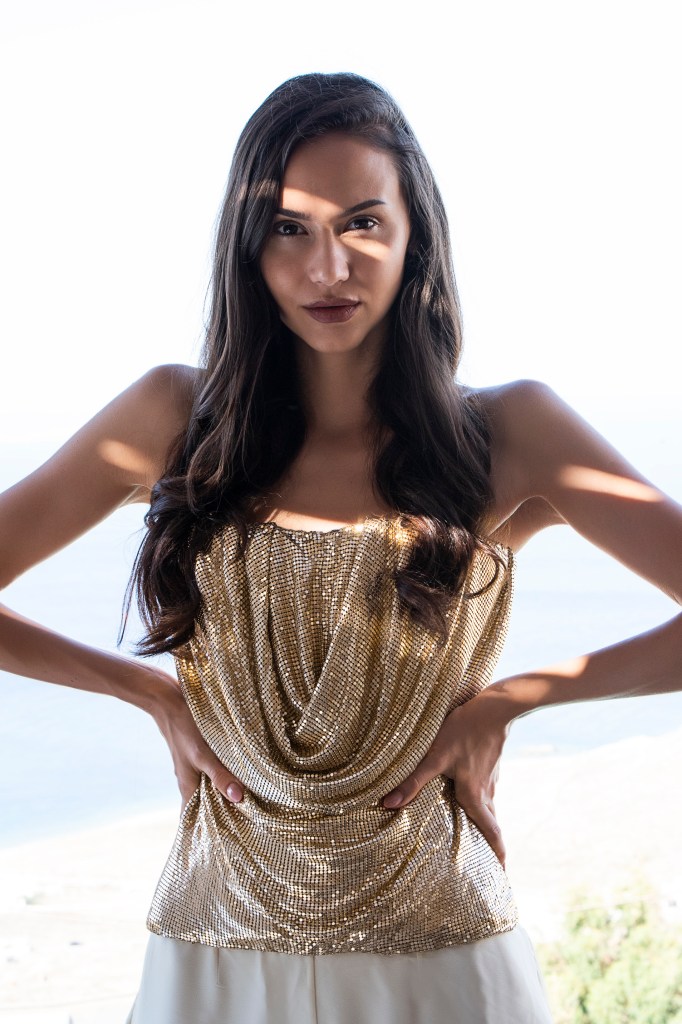
A model wearing Deborah’s design
Thank you, Deborah, for your unique stance on the corset and for sharing all of your experiences with Rosy BVM! ~Bianca
At the beginning of each year, I am cognizant to take note of which dates the Full Moon are each month. I enjoy paying attention to those nights because I do think there is a deep spirituality associated to the Full Moon. The Full Moon is important for many reasons. For myself, I have created my own “Full Moon ritual” which includes meditation with crystals and journaling on that night. It’s a relaxing ritual that’s intended to focus on reflecting on my own life, and also, honoring how powerful the moon is. It presides over all of us, the moon is a special planet to honor. Something I like to think about during my full moon ritual is the connection the full moon has to our oceans and how the ocean never stops in movement. It is never still. The universe is alive.
The Full Moon is a gift to enjoy we should all slow down for it. I find that our prana (life energy) is most pronounced when we slow down and just breathe, and this is in any moment. That is our purest state: just being. Allowing the full moon to be a prompt for engaging in our pranic energies is incredibly important for our well-being. In essence, a full moon is a great reminder to slow down and appreciate the gift of our lives.
The moon and femininity are akin. Supposedly in ancient times, it was ‘said that the natural rhythm of women was to menstruate under a new moon and to ovulate under a full moon.’ (Secret Sisterhood) The bodily connection we have to the moon is a fascinating one. Being at peace with ourselves is when we are most conscious (most alive). We can all do this by simply slowing down and being grateful for the little things in life. It is cliché, but as they say, the little things are the big things in life. The Full Moon is the perfect reminder for that.
Towards the end of the 19th century, Austrian Erwin Perzy (a producer of surgical instruments), invented the snow globe and received a patent for it. Originally, he was working on an extra bright light for a surgical lamp and in the process was reminded of snowfall in the lamp and this gave him the idea for a snow globe. Today, the Perzy snow globe factory has been run for four generations in Vienna! The snow globe is a must-have Austrian souvenir. In addition to selling snow globes, the family also sells traditional New Year’s good luck charms and other ephemera.
The 1941 epic film, Citizen Kane, by Orson Welles features a snow globe in its opening scene. The snow globe featured in the film is one of Erwin Perzy’s designs! Perhaps the dramatic opening sequence is what familiarized Americans to the unique magic of the snow globe… The actor utters “Rosebud” before he drops the Erwin Perzy produced snow globe and dies. This snow globe is an integral part of a classic Hollywood masterpiece.
Undoubtedly, the Erwin Perzy snow globe is unique and special and still in production! Please make sure to acquire one of these special snow globes.
The snow globe is a quintessential souvenir item and it’s critical to remember the importance of tradition, especially when that tradition means honoring generations of commitment to high quality craftsmanship! Austria is known for its inventions, and for people with an inventive spirit, and the snow globe is another example of how wonderful Austria is. If you are in California this winter, like myself, maybe you can be reminded of the true magic of the holiday season with a snow globe. ❤️☃️️
There may not be a more endearing depiction of the holiday season than the holiday ultra-classic, Rudolph the Red-Nosed Reindeer, first released in 1964. Its various spinoffs over the years are heartwarming, but it’s undeniable that the original animation of the 60’s is the most endearing. In 2020, the original puppets were sold at auction for over $300k and put on permanent loan to a puppet museum in Georgia. The magic of Rudolph and his friends is something to enjoy year after year. According to the SmithsonianMagazine, the film was groundbreaking because of its use of stop motion puppets for the time. The article states that GE spent roughly $4.5 million at the time to put the puppet film into production, so this was no small task. The intention was to use Rudolph as part of an advertisement for an electric toaster, electric can opener, and electric blanket… Well, how much more Rudolph has stood for since 1964!
The year that I received stuffed Rudolph puppets for Christmas when I was a kid, I was positively over the moon. I thought it was one of the best Christmases ever… Rudolph as a character has such endearing qualities and it’s lovely to teach children. Rudolph is brave in the face of adversity, despite knowing he has very real challenges to overcome (including the social embarrassment that his glowing red nose causes him!). The ability to overcome challenges with a hopeful heart, and a commitment to a cause outside of oneself, in Rudolph’s case, it’s leading Santa’s sleigh through a snow storm with his bright nose is a story that should and will endure.
The cultural impact this film has had is also clear. Recently, ColourPop Cosmetics released a Rudolph themed cosmetics set. The bottom line is that we should always embrace our authentic selves, which means not shying away from “kitsch” if it speaks to you! “Rudolph the Red-Nosed Reindeer, you’ll go down in history!” is sung in the song for a reason.






































 rosybvm.com