Each year, I find it gratifying to put together a suggested holiday gift guide list to consider using as a reference for your holiday gifting. I think, thematically, holiday shopping can be stressful, as there is a short duration for folks to compile gifts in their life for their loved ones if they celebrate in this way (as we often may not keep this in the back of our minds throughout the year), and thus, the holiday shopping that ensues may not be the most suitable items for your loved ones. Ideally, you are saving and buying things over the course of the year for your loved ones that you find special for them along the way; this can easily avoid the haphazard hastiness of holiday shopping. Nonetheless, the holiday gift guide is one that I have found fascinating to craft each year, as it thematically ties together trends that I saw over the course of the year and also heading into the new year.
This year in particular, there is a continued theme around wellness and how we should be emphasizing how important it is to value the wellness of yourself and your loved ones. Showing your loved ones that you care for their wellbeing can be in simple gestures, and certainly never requires a tangible gift – it can be in a passing statement that you’re proud of them or that you see they are working hard and should remember to be kind themselves, too. I have become a believer in “talismans,” little signs for you to remember that “magic” exists in the sense that you are part of a greater schematic in this life that is relatively unclear what the grander purpose is, but it is absolutely special and you are equally special being apart of it. For a talisman that I have honed in on this year, I became enamored with shells and the various meanings behind shells. I particularly honed in on the nautilus shell, and how its spiral shape represents patterns and life itself.
I think you can translate the concept of a talisman very smoothly to the interests of those in your life. For example, you can buy them a deck of cards like The Secret‘s Manifestation Cards, or you can buy essential oils for aromatherapy (it is a simple gesture that reminds someone of wellness). Often, it is in the little gestures, and the little moments, that we find the deepest meaning over the course of time. There are science backed studies which emphasize the importance of essential oils being pure and high quality for the impact it has when smelling the scent for most positive effects on your brain and your nervous system as a whole. Our sensory lives are entire entities – we can choose to ignore our sensory experiences or we can use our sensory experience in this life to fully embrace just how beautiful and special this life is for each and every one of us. The world has darkness, no doubt, but I also believe it is our own responsibility and duty for the others in our lives to do our best to embrace every moment as it comes in sincere and mindful ways.
2023’s Holiday Gift Guide is an ode to the senses: of mind, body, spirit.
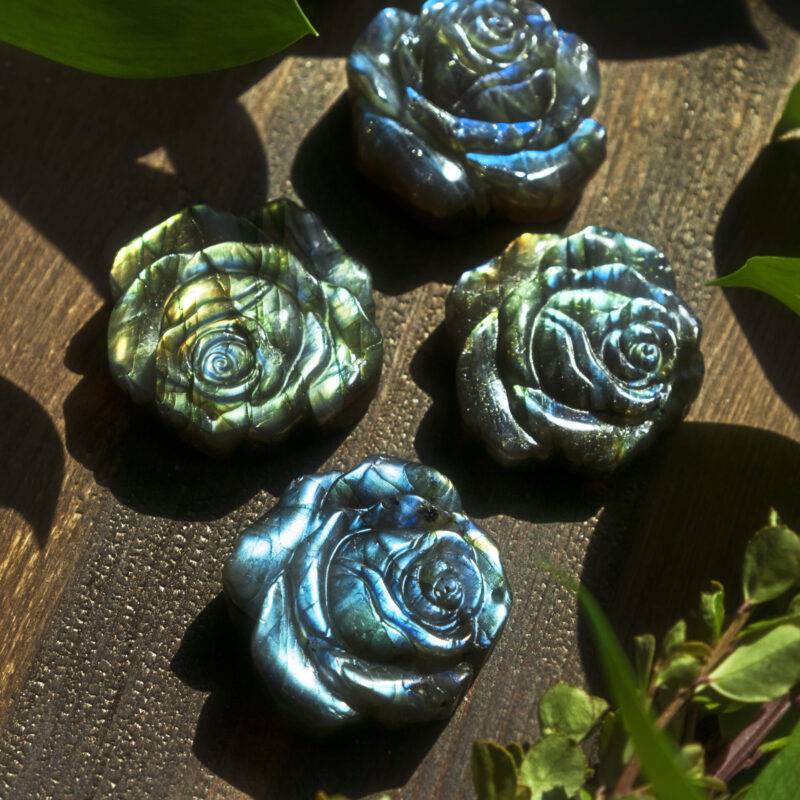
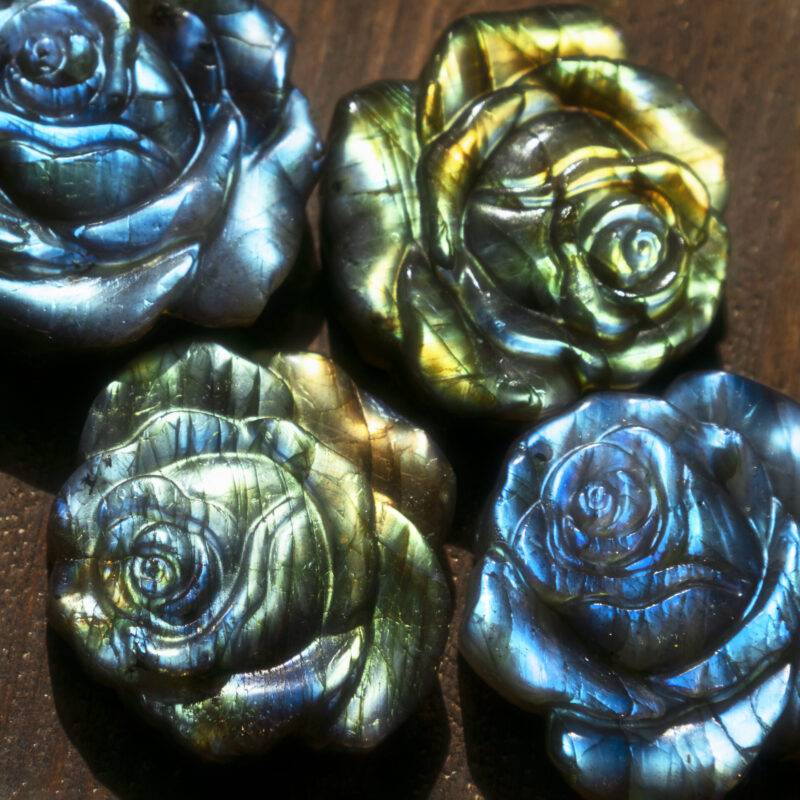
Sage Goddess Labradorite Rose
NOW Foods Essential Oils
Besame Cosmetics Fragrances
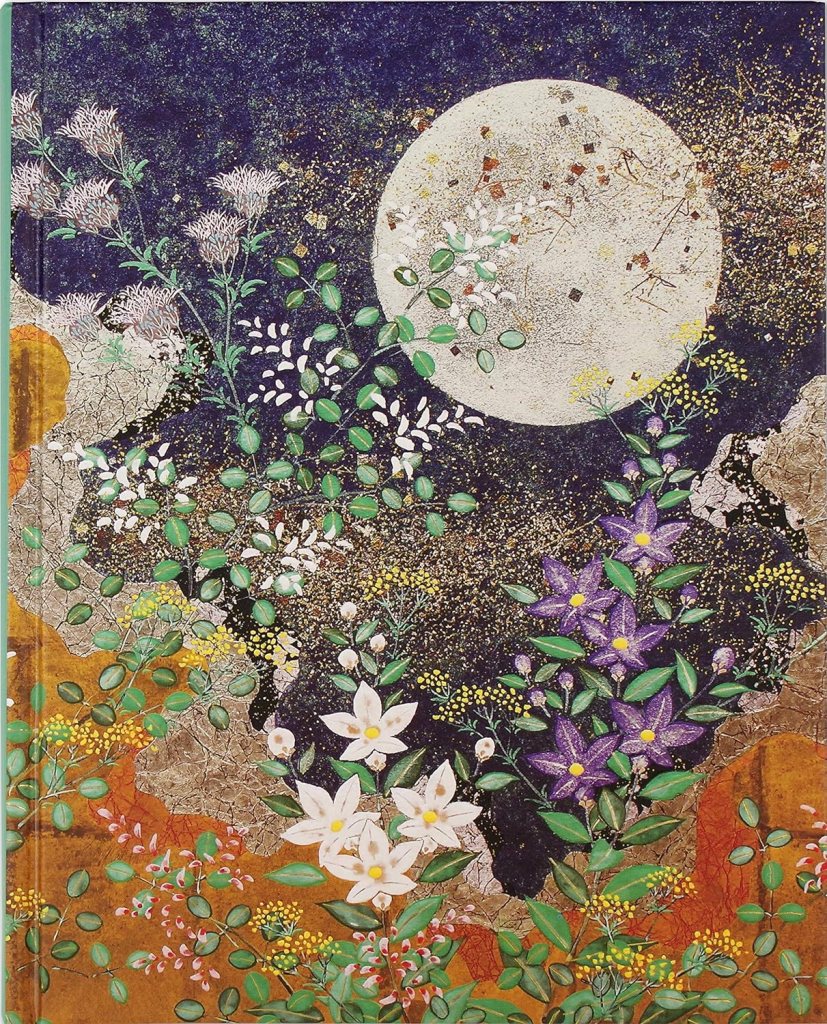
Peter Pauper Press Full Moon Notebook
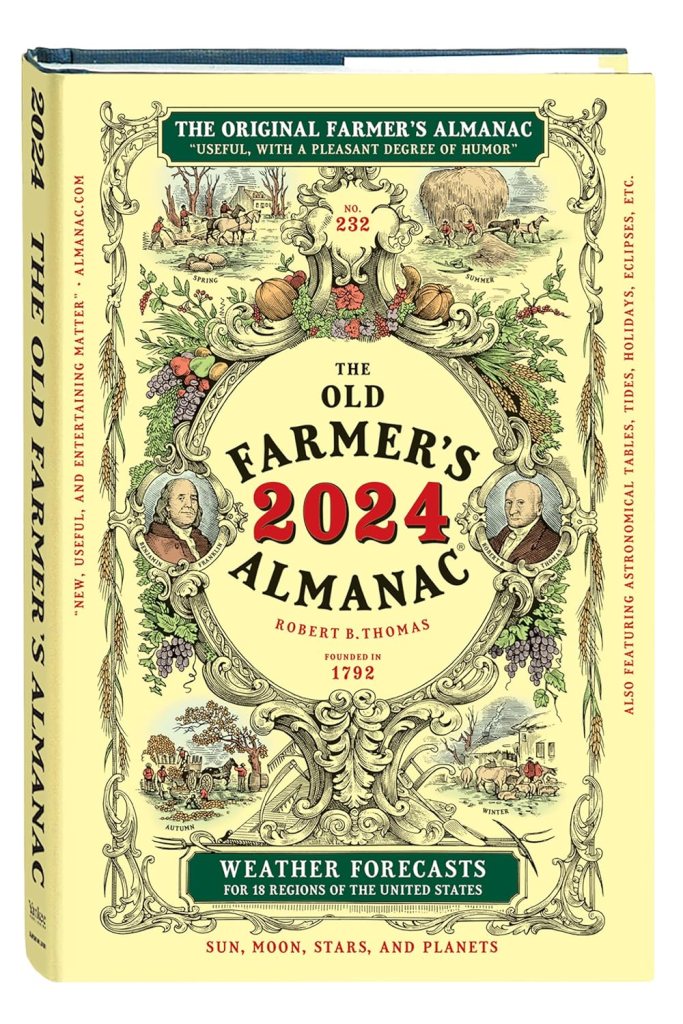
The 2024 Old Farmers Almanac
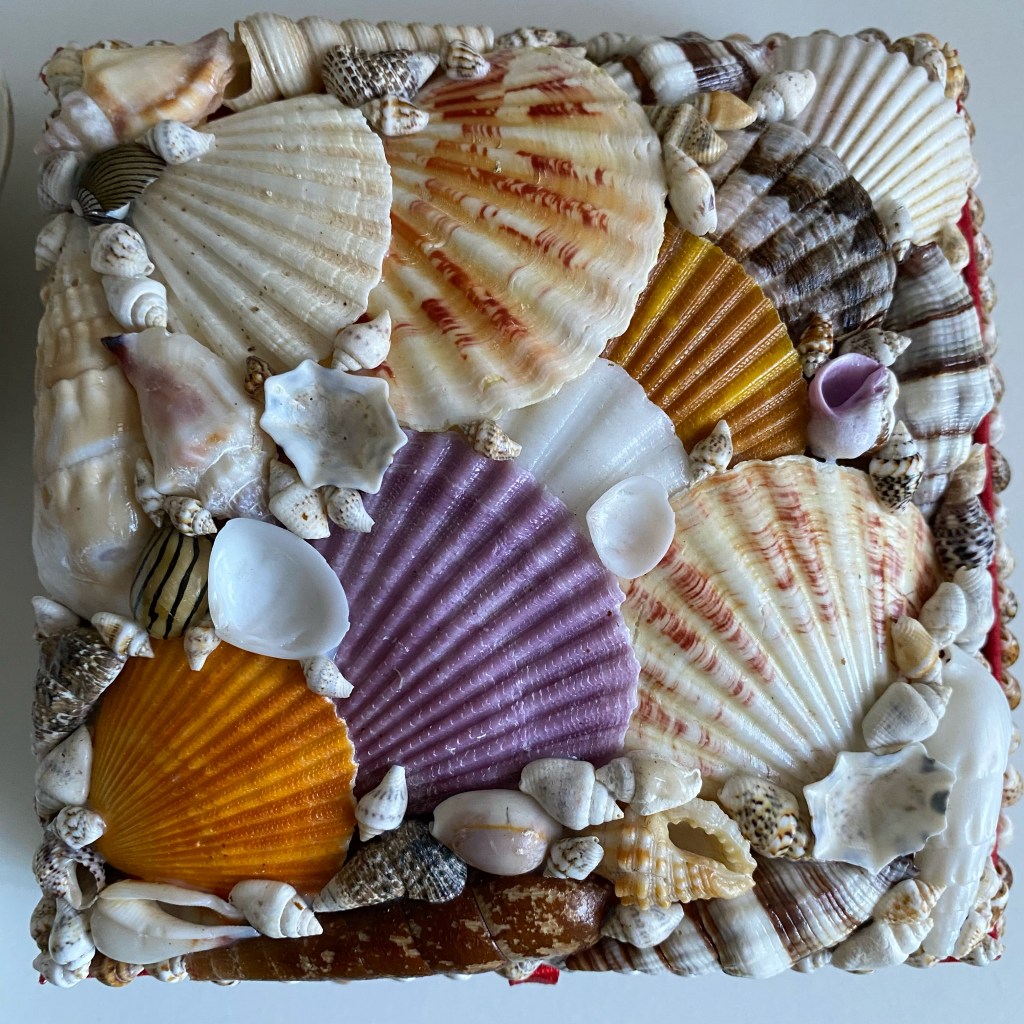
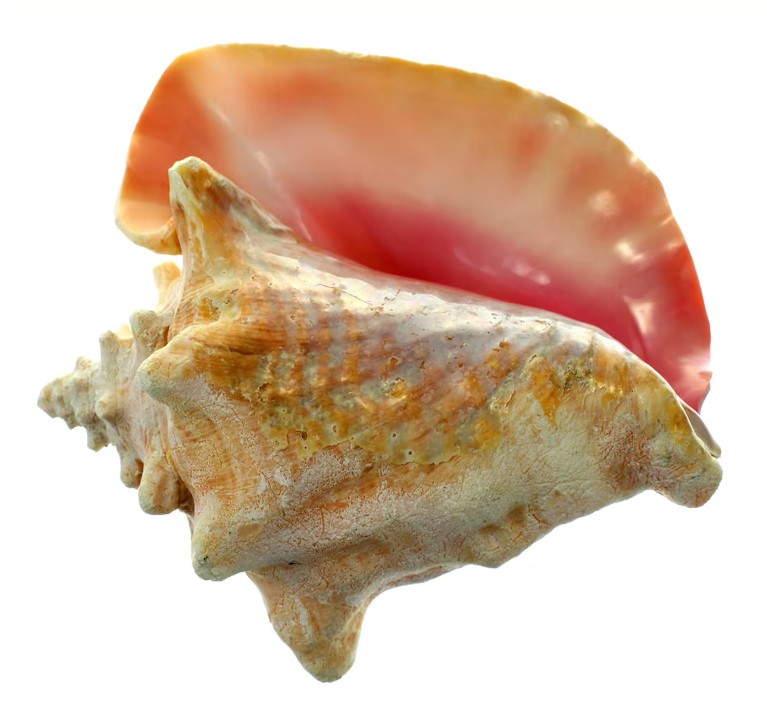
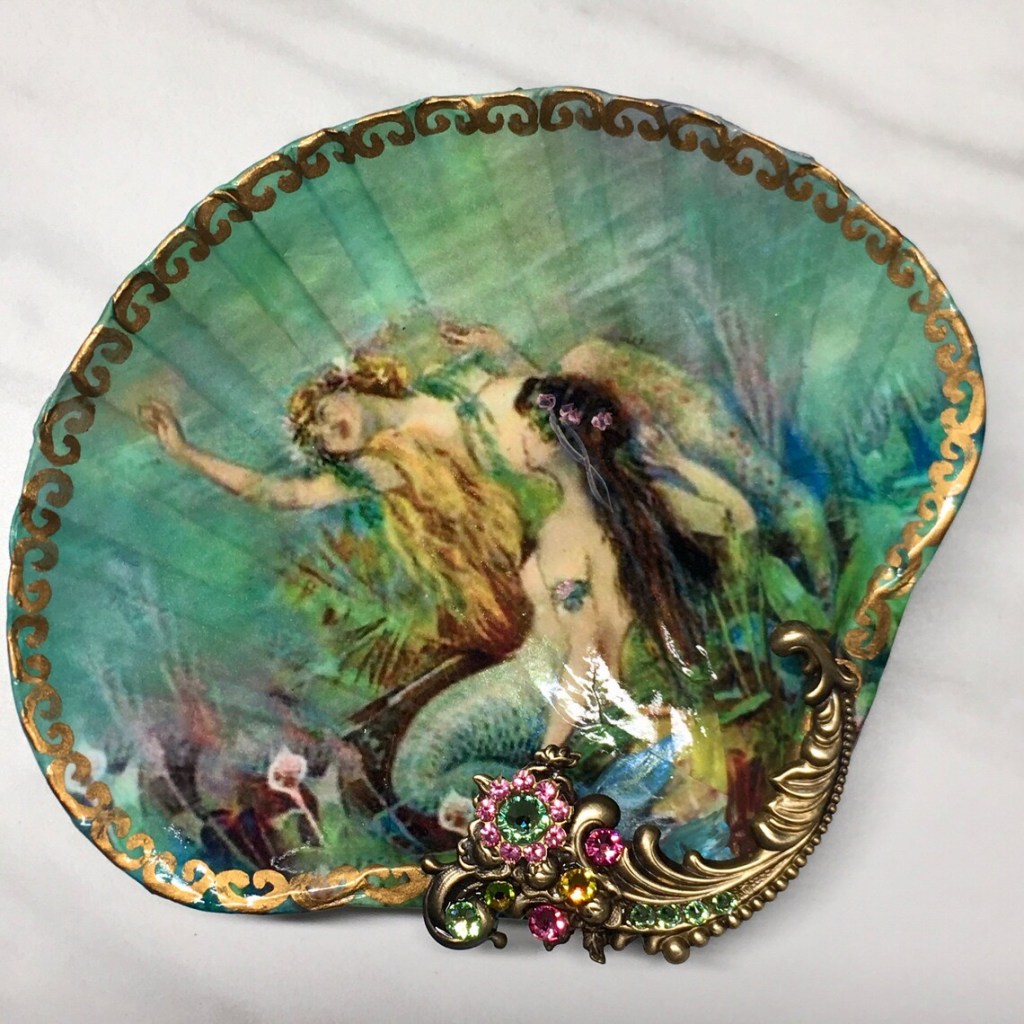
Seashells: from The Shell Cellar in San Francisco — a reminder of the magic of nature
Lenovo ThinkPlus Bluetooth Headphones:these also double as fantastic ear muffs
The Secret Manifestation Cards:believe each day is a gift and embrace it!
Parima Jewelry Box:store all of your treasures nicely
Berricle Jewelry: Berricle specializes in affordable luxury jewelry with beautiful Art Deco designs at affordable prices
Board games are a uniquely American past time. Especially when considering the largest historical producers of board games such as Milton Bradley and the Parker Brothers shaped the pretext of which games would evolve into behemoth name brands that we know today. Most households have at least one of these board games. These large companies (which have since evolved and become part of other corporations – for example, Milton Bradley Company merged with Hasbro, and Parker Brothers did as well). The most popular board games would certainly be Monopoly, Scrabble, Yahtzee, Clue, and Life.
Each of these well known board games are unique in how they suggest a premise to the players. For example, Monopoly has been studied by UC Berkeley social psychologist, Paul Piff, for the psychology of wealth, where the premise of the Monopoly game is based on being a rigged game from the outset – as one winner will always have the upper hand throughout the game itself, and how this influences and generates a sense of entitlement in the players who are winning. He spoke already in 2013 about the detriments of this sort of mindset at TEDxMarin. Now, 10 years later, his study seems to ring true more than ever. Most importantly, while his study has wide ranging implications, I do think a sense of awareness from the most fortunate for recognizing how opportunity is not as free flowing for all, is essential for making choices which do the most good for all.
This does not mean you should not go about enjoying a good game of Monopoly of course, but it is fascinating to consider the ways in which board games shape some conceptions of how we maneuver life – especially during formative years, and when learning how to experience game playing. This is integral for sportsmanship and moral behaviors around fairness and, simply, understanding that it is only a game. Character certainly transcends the outcomes of a game and this is important to teach early on. These behaviors can transpire later in life.
Aside from behaviors related to playing board games and how we might craft our notions of “winning,” early on, there are many great attributes for board game culture in general. Here is a brief overview of both Milton Bradley and Parker Brothers.
Milton Bradley was born in 1836 and is credited with launching the board game industry. He grew up working class and started his business in Springfield, Massachusetts in 1860, launching an early version of the board game, The Game of Life
Prior to this first game, he tried to launch a game called “Mansion of Happiness,” and it was based on the ideas of moral virtues
Games that would later come from Milton Bradley would be the infamous Candy Land and Operation. Candy Land was created in 1948 in San Diego by Eleanor Abbott, who was recovering from polio. The game was made for children in hospitals. To me, Candy Land is uniquely American, not only for its emphasis on sugary treats, but the idea that we can focus on goodness in times of great challenge
Milton Bradley was the first to produce crayon kits with standard colors, which was a precursor to Crayola
Parker Brothers was started by George Swinnerton Parker in 1883. He deviated from the ideal that games were about morality and believed games should just be about fun
Among the Parker Brothers hits are Monopoly, Clue, Sorry!, Risk, and Scrabble
Parker’s first game was created in Salem, MA and called Banking. He created it in 1883 at age 16
Monopoly was created by Charles Darrow (who created a variation of Liz Magie’s The Landlord’s Game) and Parker Brothers bought the rights to the game from him. It was released during the Great Depression in 1935. This game was released during a time where money could not have been more defining for Americans. Darrow became the first millionaire game designer in history
The Parker Brothers
Ultimately, board games are to be enjoyed in whichever style you choose to play. Now, there are plenty of versions and spinoffs that are specialized for your taste from Disney or other fandoms. They are always a great staple and their history is even more fascinating than one might think.
Lauren Bacall is an icon in the Golden Age of Hollywood. Alongside names like Marilyn Monroe and Bettie Grable, she climbed the heights of Hollywood’s most fascinating era. Born Betty Joan Perske on September 16, 1924 in The Bronx, New York, Bacall was born to Jewish parents who divorced when she was five years old. While studying at the American Academy of Dramatic Arts in New York, she dated her classmate, Kirk Douglas. She made her debut on Broadway at the age of 17 in 1942. She was also a fashion model and modeled for Vogue and Harper’s Bazaar. She took challenging voice lessons to deepen her voice as well, which were straining.
Bacall is perhaps best known for her iconic marriage to fellow actor, Humphrey Bogart. There may never be a more glamorous Hollywood couple than “Bogie and Bacall.” The leading lady met him when he was already 45 and a well known actor, especially for starring in the 1942 classic Casablanca with Ingrid Bergman. Bacall was only 20 years old at the time of their meeting in 1944. They married on May 21, 1945 and stayed married until he died in 1957. They acted in films together and became close collaborators in their work as well – making a total of four films together, such as 1944’s To Have and Have Not.
After Bogart’s death in 1957 from esophageal cancer, she began a relationship with Frank Sinatra that same year, when Bacall was 33 years old. In her memoir, she stated that Sinatra proposed to her, but later ended the relationship because their engagement went to the press and he thought she leaked it, but did not. Sinatra only found out years later that it was not Bacall who had leaked it to the press. Bacall’s life was filled with fascinating facts of a bygone era which is still fascinating so many decades later. It is interesting to note that biographers speculate that Frank Sinatra had a relationship with Marilyn Monroe most likely in the last couple years of her life. Sinatra, an icon himself, was an intriguing recurring character in the lives of Hollywood’s elite, notably also romantically linked to other Hollywood icons such as Ava Gardner and Lana Turner at different points in time. Iconic leading ladies during this time learned to maneuver complex relationship dynamics to say the least.
Undoubtedly, Bacall’s allure stems from her smoldering gaze, which became her signature trademark in Hollywood, in the same way that Marilyn Monroe perfected looking effortlessly aloof. Ironically, Bacall’s signature gaze stemmed from having a deep insecurity during her first time filming with Bogart – she was lighting a cigarette for a film take and trembling quite a bit. She realized that keeping her head cast down helped her nervousness and then she’d look up with her head still cast downward. This become known as “The Look,” something that Bacall would do so often in her film career.
One of Bacall’s most iconic films is 1953’s How To Marry A Millionaire, alongside Marilyn Monroe and Betty Grable. That film grossed $8 million in profits for the time and was the fourth most watched film of 1953. In comparison, Marilyn’s other film, Gentlemen Prefer Blondes was seventh most watched that year. Both films are aesthetically iconic, but Gentlemen Prefer Blondes is most likely the most iconic film of Marilyn’s career. Nonetheless, Lauren Bacall will be remembered as one of the iconic women of Golden Age Hollywood, perhaps best described by her unique and stylish way of conveying her personality on the screen, and all of the work she put into cultivating that persona.
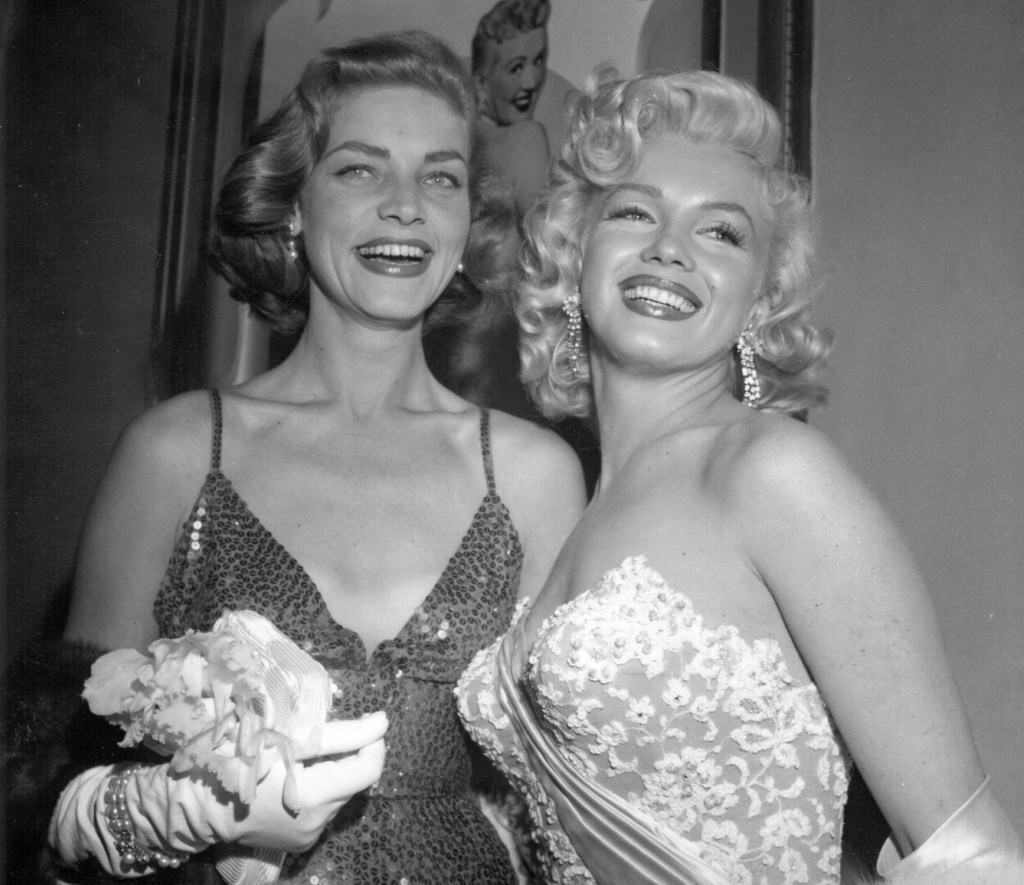
LOS ANGELES – NOVEMBER 4: Actors Marilyn Monroe, Lauren Bacall and Humphrey Bogart attend the premiere of the movie “How To Marry A Millionaire” with a guest on November 4, 1953 in Los Angeles, California. (Photo by Earl Leaf/Michael Ochs Archives/Getty Images)
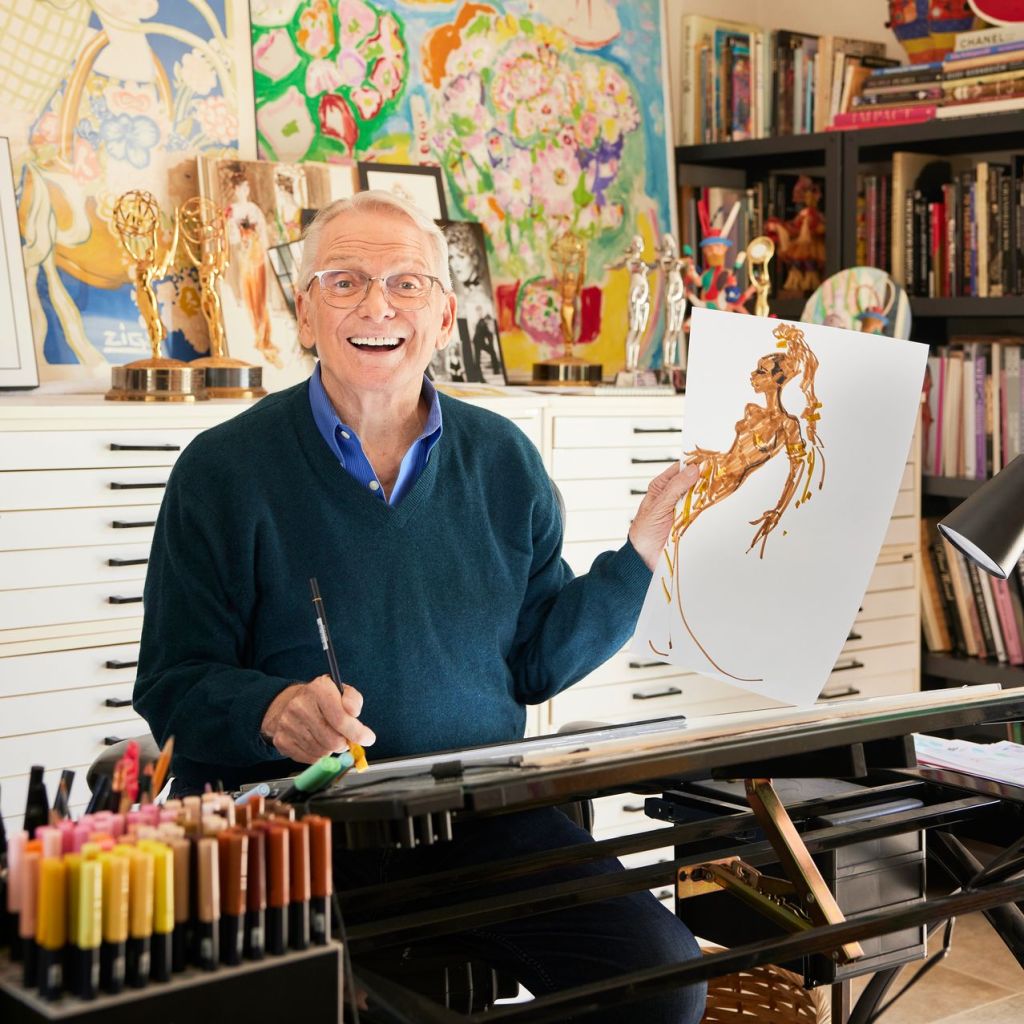
NEW YORK, NEW YORK – MAY 06: Bob Mackie attends The 2019 Met Gala Celebrating Camp: Notes on Fashion at Metropolitan Museum of Art on May 06, 2019 in New York City. (Photo by Theo Wargo/WireImage)
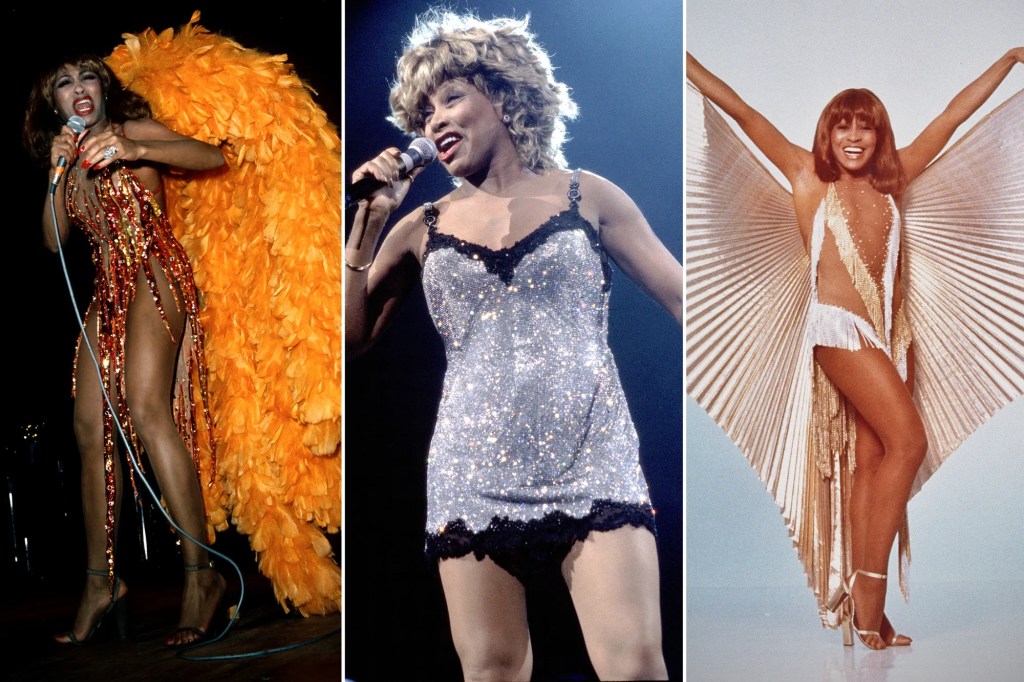
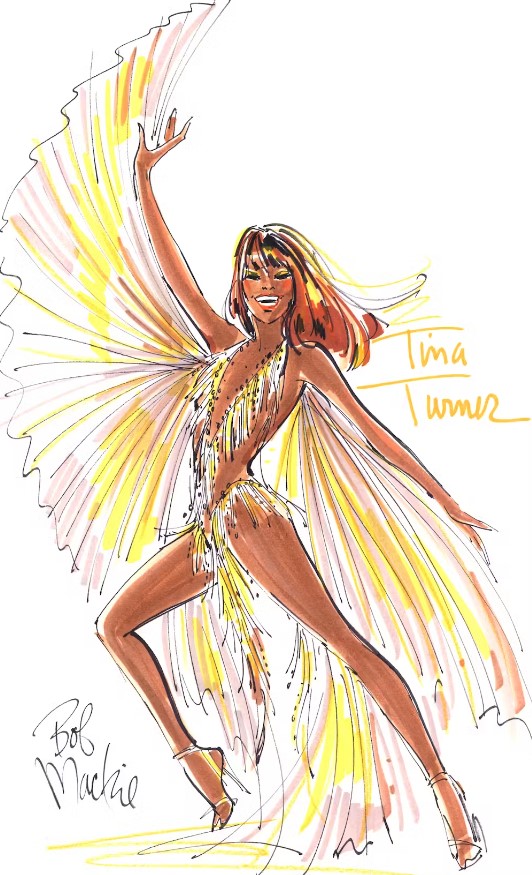
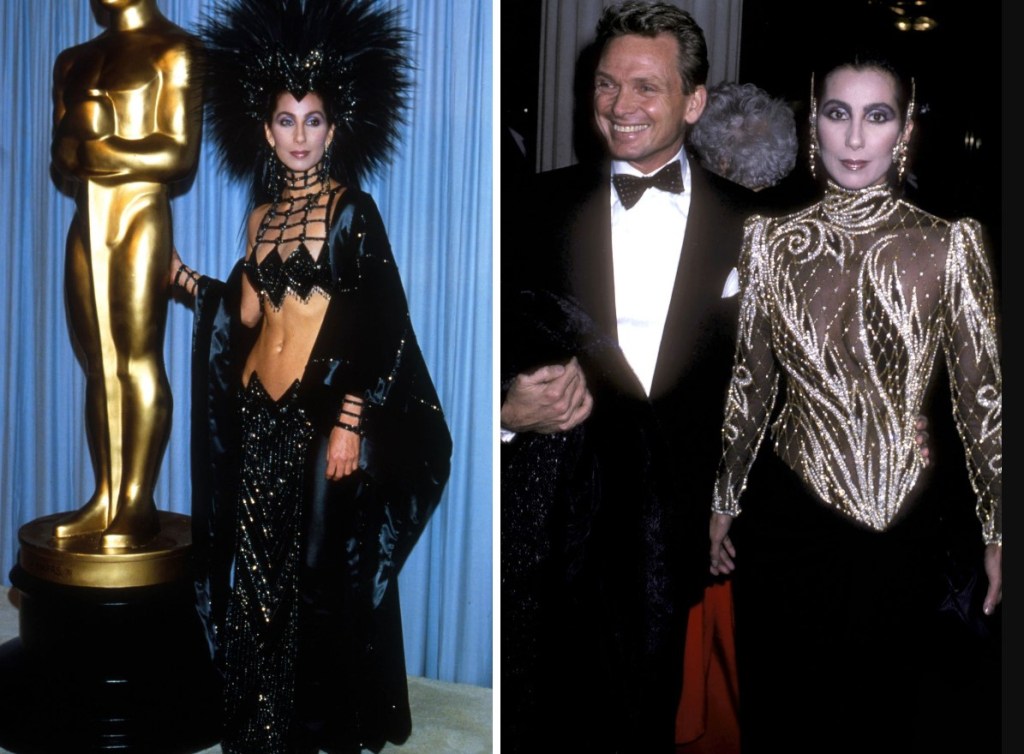
An iconic designer, yet lesser known, Bob Mackie, has designed for countless Hollywood icons. Mr. Mackie is known for designing costumes for Hollywood icons such as Marilyn Monroe, Judy Garland, Lucille Ball, Marlene Dietrich, Cher, Bette Midler, Barbara Streisand, and Tina Turner, to name a few. His designs hold glamour and burlesque at their core and his designs have won him many accolades, including nine Primetime Emmy nominations, a Tony Award, and an Academy Award for Best Costume Design. Born in Monterey Park, CA in 1939, his father worked for Bank of America. He was raised by his maternal grandparents due to his parents’ divorce and it was during college that he began pursuing a career in fashion design. Now aged 83, Mr. Mackie sells art, jewelry, and luggage bearing his designs on his website.
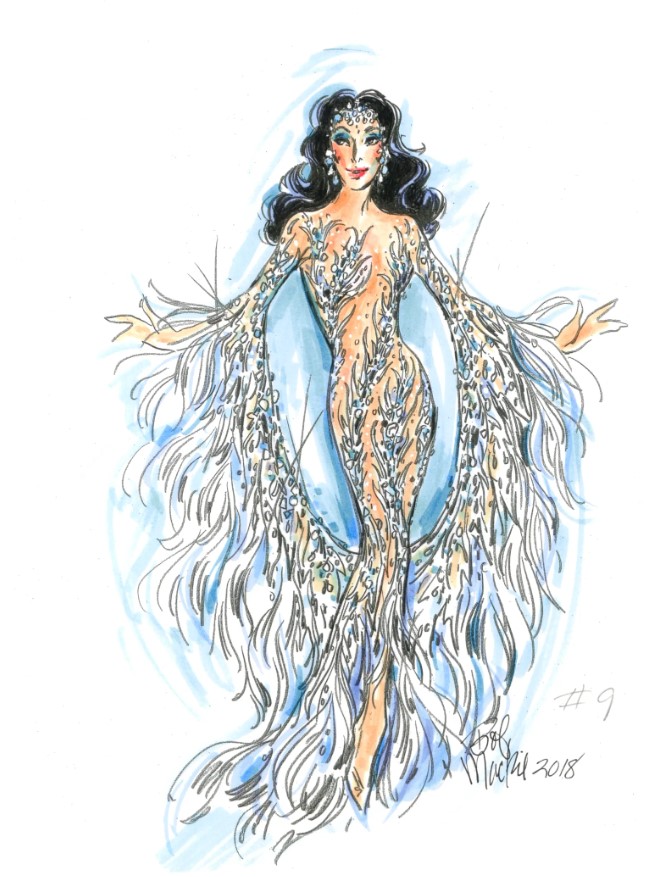
Mr. Mackie has a lengthy career in fashion. This was undoubtedly an early passion in his life. In 1961, he began designing at Paramount Pictures. One of his first assignments was designing the gown worn by Marilyn Monroe at JFK’s birthday celebration, singing “Happy Birthday, Mr. President.” The gown is likely one of the most controversial and iconic gowns in American history at this point, and it was designed so early into his career! The gown worn at JFK’s Madison Square Garden event is one that is inextricably tied to the history of Hollywood. Bob Mackie holds a strong role in the formation of our conceptions of Hollywood and red carpet glamour. Perhaps this is best shown by his most contemporary work crafting designs for Cher. Some of her most incredible costumes were designed by him!
Mr. Mackie also designed costumes for Diana Ross and The Temptations in 1969. These were nominated for an Academy Award. His designs translate smoothly from the red carpet to the stage because they are inherently focused on a performance oriented mindset, which holds “wow!” at its core. He also designed costumes for Las Vegas burlesque shows during his long career. His design drawings are on showcase at the UNLV (University of Las Vegas) library. It would be fantastic to see more performers embrace the costume interpretation of glamour again that Bob Mackie helped craft so powerfully. Hollywood would appear much less glamorous had Mackie’s designs not been used on the red carpet and in musical performances.
To me, it is rather surprising that Bob Mackie is a lesser known name in mainstream fashion. However, I think this might be due to the fact that his work was not geared towards “ready to wear,” which would entail that shoppers would be purchasing the designs. Since this was not the case, his designs were geared towards the imagery of Hollywood performance as we have become accustomed to. Bob Mackie is an incredible icon for Hollywood fashion and he deserves all of the accolades and attention related to the iconic women he has dressed!
Undoubtedly, this summer is defined by the mermaid. The variety of styles surrounding mermaid culture is fascinating – especially when you integrate a few concepts into your accessories or wardrobe. If you have an interest in this style, you can truly make it your own, at any price point. However you choose to integrate it into your wardrobe is entirely up to you! This first begins with recognizing the type of shells you are interested in and thinking about which color schemes speak to you as well. For example, combining aquamarines with lavenders and purples is always a great match. The same goes for shades of green, teal, and yellow. You cannot ever go wrong with one pop of color and a statement piece that is reminiscent of the mer-world in your wardrobe. Color is an ideal wardrobe choice. I have not been a fan of the “neutrals only” fashion palette that has been dominant in the fashion industry, including in the makeup industry. I think vibrant colors exist for a reason. Life is full of colors, so please pick a bright color or more than one!
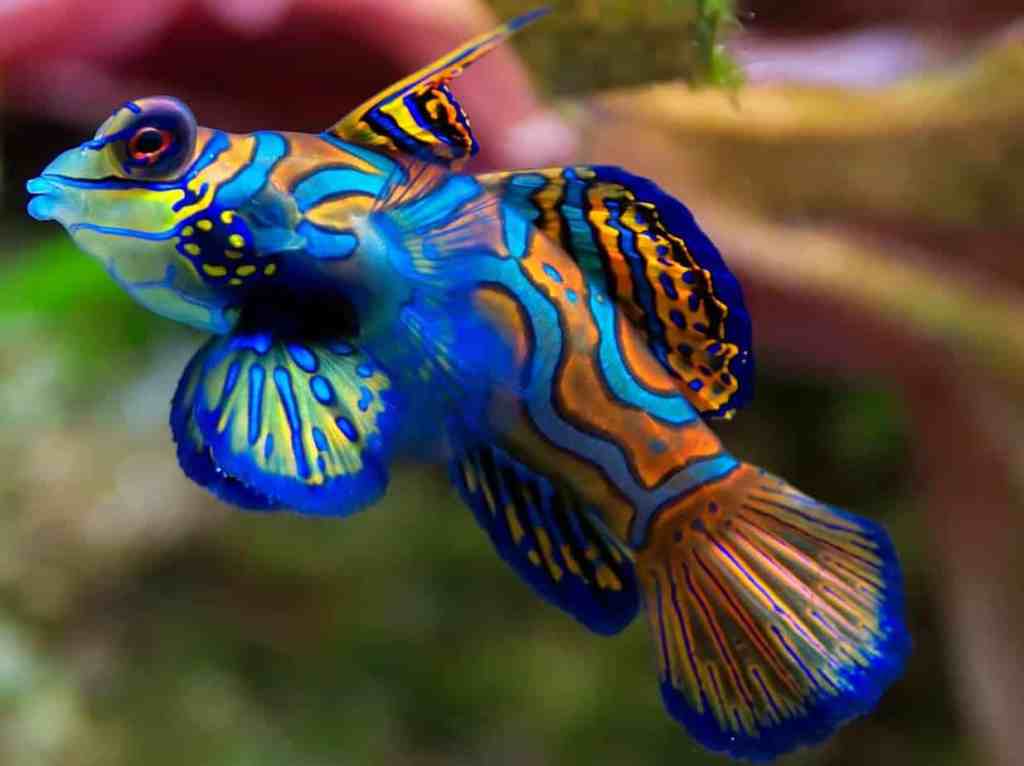
There are many ways to embrace “mer-style,” and you can be inspired by the beauty of the ocean itself. If you decide to find one or two accessories to spruce up your wardrobe (the plumeria hair claws that have been trending are a great option), then you can be reminded of your interests for the water and the relaxing calm that water can bring. Simply googling the color schemes of exotic fish is inspiring in of itself! The Mandarin Fish has such deep shades of royal blue, orange, and yellow in it! The shades go together so magnificently.
Nature is tremendously beautiful and we need to cherish every aspect of it. As the world moves forward from the COVID-19 pandemic, and as we have survived a pandemic, we can think about embracing the whimsy of fairytales as a critical way to inspire imaginations and innovations. I will be blogging soon about how to reduce your own carbon emissions and thinking about how living a more sustainable lifestyle is the path forward to a more sustainable planet.
“The whole universe is based on rhythms. Everything happens in circles, in spirals.” ~ John Hartford
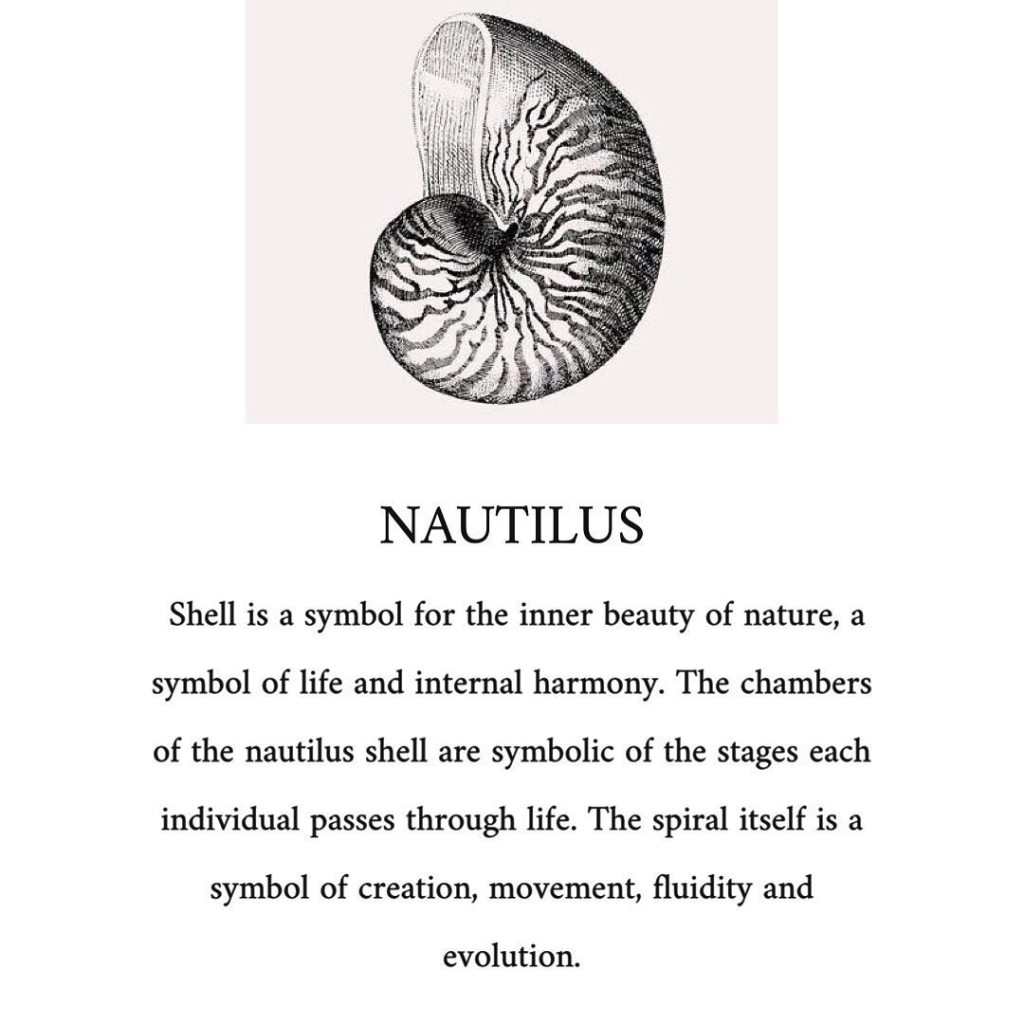
The chambered nautilus shell is an important symbol of the universe. The spiral, in all its forms, is the “natural pattern of the impulse of all form and the trajectory of the movement of life” according to Robert Edward Grant. Life gives us lessons and we can observe these lessons through patterns. The spiral symbol also enables us to consider how essential movement is to the universe. We do not stagnate, we are not meant for a state of stagnation. We are meant for movement, just like how the ocean never stops moving. We, of course, need rest as humans, but the truth of movement is essential to our lives. Cultivating an intentionality around exploring the state of spirals and movement is indeed one that can make us ponder how spirals, patterns, and movement are the natural state of life.
From an aesthetic perspective, it is deeply intriguing how the nautilus shell, in particular, is a symbol of the universe. The nautilus shell is seen as an image of order amidst chaos due to its beautiful fractal spiral inside the shell. This is understood as the Fibonacci spiral. According to CNET, “the golden spiral is based on the golden ratio. Symbolised by the character φ (Phi), it’s found when a line is split in such a way that the larger part divided by the smaller part is equal to the whole part divided by the larger part — a ratio of (rounded) 1.618. The Fibonacci sequence is a series of numbers where the ratio of successive numbers is very close to the golden ratio.” This was discovered by the Italian mathematician, Leonard Pisano Fibonacci, of Pisa.
The spiral holds spiritual depth as well as its occurrences in nature. The Vatican has a spiral staircase, the famous Bramante Staircase. This is an intriguing example of the deeper spiritual connection that spirals hold for us. Sacred geometry is a vast topic which studies the connections between shapes and the universe. The original stairs were built in 1505, with an updated version built in 1932. It is not open to the public and the staircase was built to allow Pope Julius to enter his private residence while still in his carriage. Undoubtedly, it is an aesthetic achievement and great example of how spirals transpire from nature to the creations of humanity.
Spirals occur in all sorts in the entire universe! Perhaps the most intriguing spiral of all is that the universe’s shape itself is a spiral. Everything truly is interconnected and there are reflections of the same, in different forms, over and over again. Hopefully this revelation reminds us to recognize that we have far more in common across the board than we may realize. Believing in commonality can also lead to tolerance. Additionally, studying math beyond the “rules” or “purpose” of how we are taught math in school (or at least how math is taught in the U.S.) may needed to be re-evaluated for the philosophy of how it is first presented. There is a vital process for understanding how the answers of the universe may be right in front of our eyes. We cannot overlook how there are opportunities to opening a fantastic aperture for embracing the complexity of the universe for everyone. We are all part of the same universe.
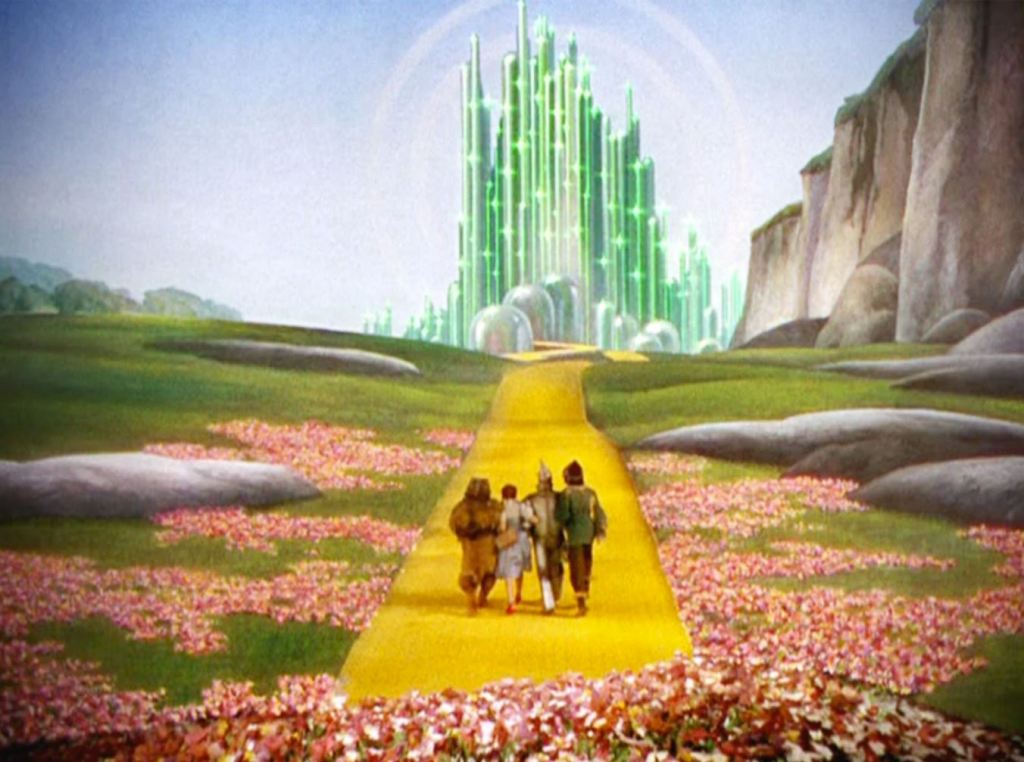
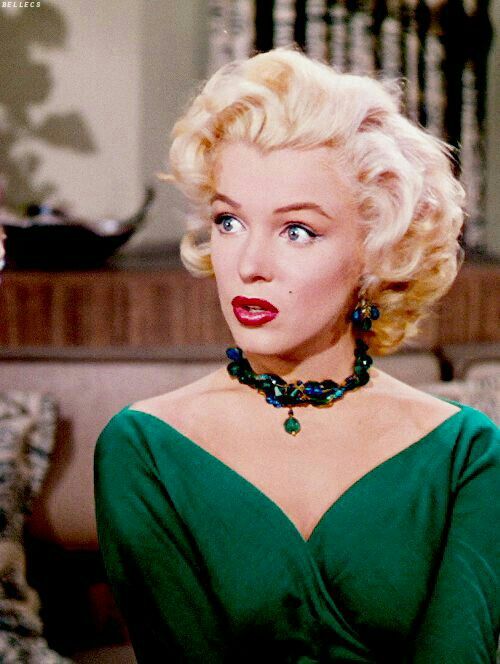
Two undeniable symbols of the American Dream to me are the Emerald City in The Wizard of Oz and Main Street at Disneyland. One appears as a simple, regular street (and where you enter at Disneyland), and the other is the end scape of the mythical yellow brick road in the 1939 classic film, The Wizard of Oz. Something fascinating about the two metaphors is that these places have mythologies attached to them, and overlapping mythologies at that. These include the American Dream and how you can consider what that might mean for this country and for you. There are two significant differences between the Emerald City and Main Street – the Emerald City is a glittering end point of perfection, and also a beginning of some mythological wonder of ‘getting there’ – which is where the American Dream exists. Another famous green symbol in film and literature is the green light in F. Scott Fitzgerald’s The Great Gatsby. This an oft explored literary symbol and can be interpreted in numerous ways. For the purposes of my analysis here, I do think that the greenness of the Emerald City and the green light of The Great Gatsby, both images illustrate a yearning that is fundamental to achieving your conception of the American Dream. There is so much room to dream.
Notably, the American Dream needs a yearning within it for it to inherently operate. The source of the desire could be material for some, but in reality, my idea around the American Dream is rooted in a certain measurements of fiscal stability, as well as a healthy, active civil society. Surveys of the public have shown this as well. The American Dream can have connotations of greed, but more importantly, the American Dream is illustrated by an opportunity for economic stability and social mobility. As for Main Street, I am especially fascinated with the idea that this is an “average town street,” where “anything can happen” and “anyone can make it happen” for the sake of achieving your dreams. The street, by design, is based on the town of Marceline, Missouri, that Walt Disney grew up in, as well as Fort Collins, Colorado. I am truly fascinated that both The Wizard of Oz is set in Kansas, and Main Street originates in the Midwestern town Walt was from.
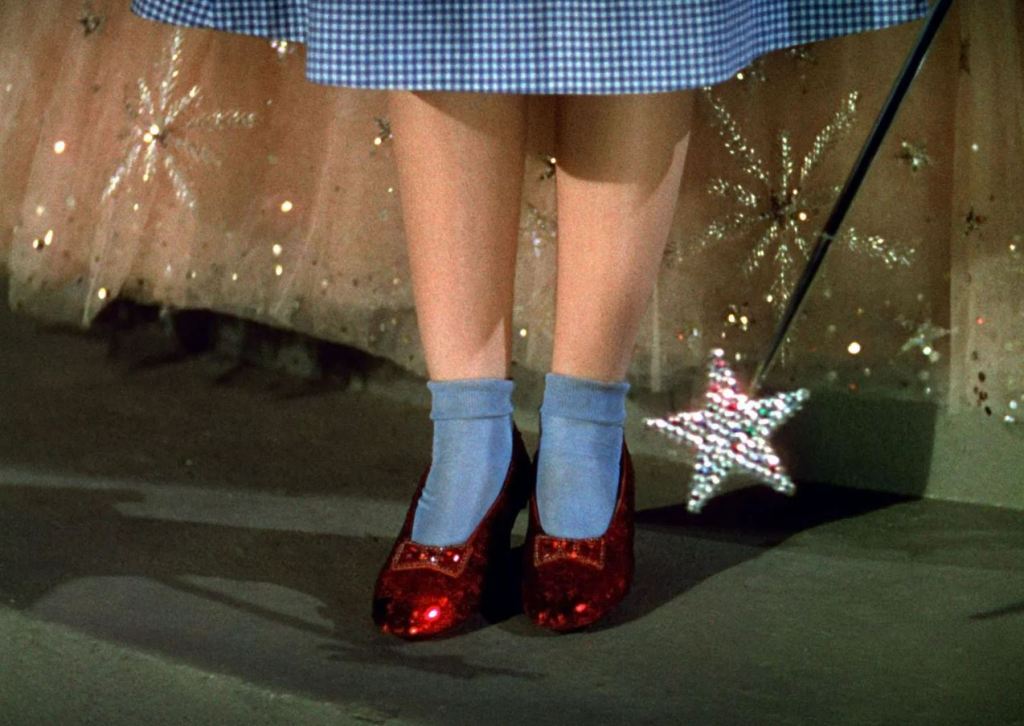
The color green has numerous meanings that we associate alongside it – in The Wizard of Oz, there is a clear monetary association to it. In the original novella, L. Frank Baum made Dorothy’s shoes silver. The shoes changed to a glittering ruby red to show more vividly in the film. The yellow brick road is intended to symbolize gold and the shoes originally being silver sent a clear message about the bimetal monetary standard value. This was incredibly important in the time that it was written, in terms of valuing currency. Additionally, the characters are also political representations of the landscape of America at the time the book was written. The Scarecrow represents American farmers; the Tin Man represents America’s steel industry failure to combat international competition; the Cowardly Lion as a metaphor for America’s military performance in the Spanish-American war. (Wikipedia). The construction of the image of the Emerald City in the story is by no accident at all.
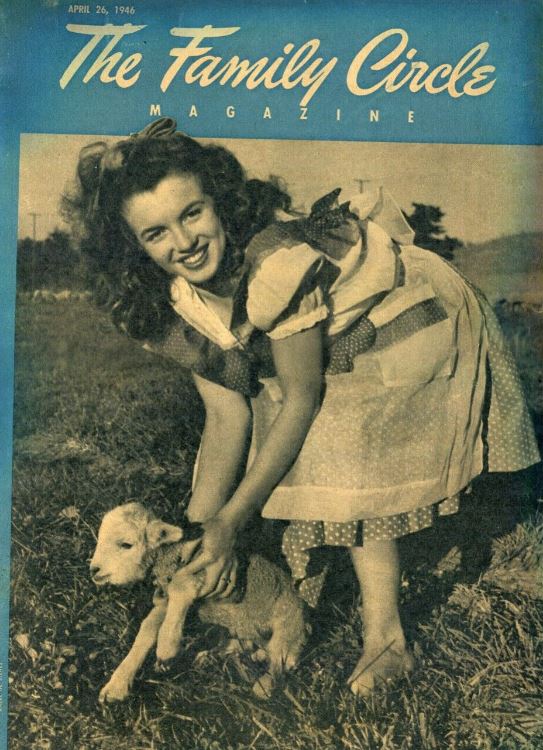
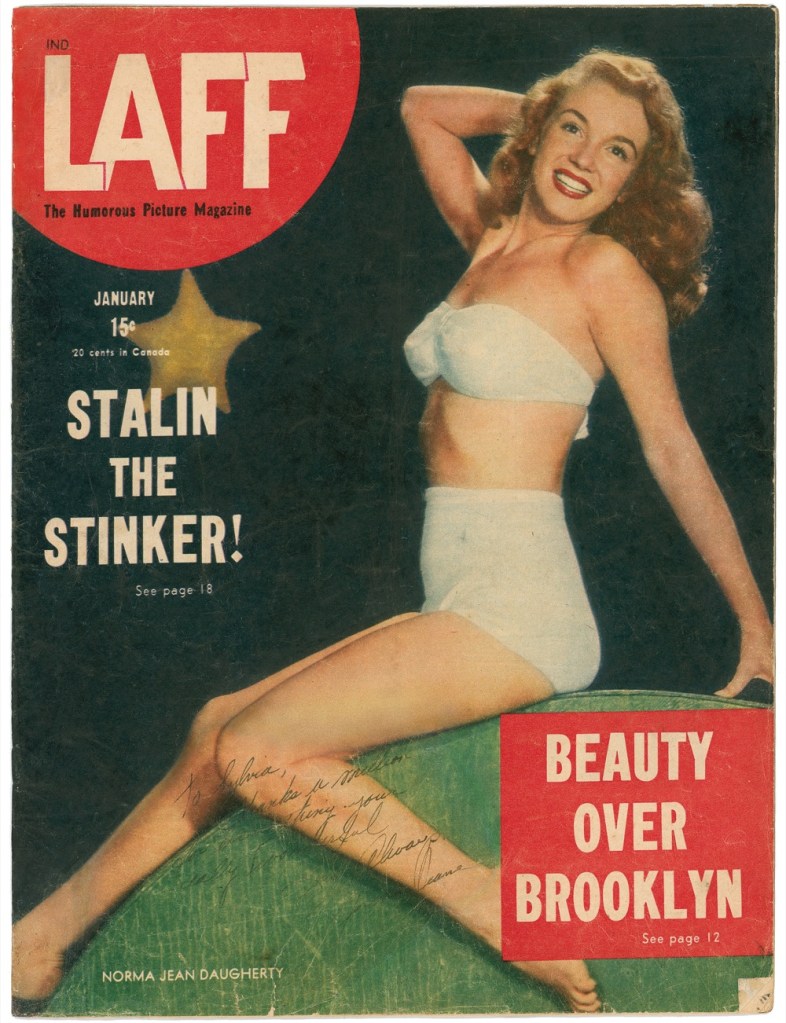
Beyond the Emerald City, there are people who embody the American Dream. Marilyn Monroe is one such example. She famously had a deep passion for the color green. Additionally, the first national magazine cover in 1946, she was on had her dressed in a Dorothy costume from The Wizard of Oz holding a lamb… how ironic – for Marilyn’s first magazine cover to be her petting a lamb! Little did she know the lion that Hollywood would be to her. Marilyn had emerald colored clothing and jewelry, which was clearly because she loved the color. The Emerald City mythology undoubtedly impacted her (she watched films for hours as a child at movie houses), as it was the most famous movie in Hollywood when she was growing up – Norma Jean was 13 when the film came out). Marilyn, later into her career, owned almost no real diamonds and owned mostly costume jewelry. She did not accumulate much wealth at the end of her life because she was so incredibly generous with those around her, to her own demise perhaps.
The irony of Marilyn’s American Dream was achieving mythology status in our culture without the monetary intensity we might associate with such level of fame. More importantly, building her fame included owning her story of how she had endured poverty and economic hardship early in her life and sharing that with the public. The American public embraced her for it because it is an all too familiar narrative in this country unfortunately. Her first husband, Jim, notes how he lived in a tent with his family during the Great Depression and was never ashamed of this. This kind of poverty was all too normal. The American Dream largely includes arising from economic hardship and helping others.
I am a proud American. I believe in the various merits of the American Dream. I believe I have the opportunity to pay it forward because of the opportunities I have received and the hard work I have put forth to grow in my career and achieving an education. I seek to continue my own American Dream. I do believe part of this foundation is a strong support system. This system is one that we can all work on creating for ourselves when we pursue our dreams. I also believe that abundance must be shared. Greed is sometimes associated with the color green, and it’s important to remember that sharing is caring and generosity comes in many forms.
Green also is associated with life itself; connecting green to nature is more important for me than it is to monetary value. If generosity is not in a monetary form, it can come in the form of kindness and sincerity for your neighbor – maintaining a general attitude of generosity leads to abundance of all kinds, I believe. In my opinion, the true nature of all our spirits contains love and love can be shared all around in a multitude of ways! Looking toward one another for love, hope, and support is deeply human – to see and be seen for how we experience the trials we experience in this life and for regarding one another with respect because of it. As this country faces economic hardship, the losses that have been brought on by a global pandemic, and the current and future climate challenges we all face, we must believe in our own vitality and the power of humanity for it.
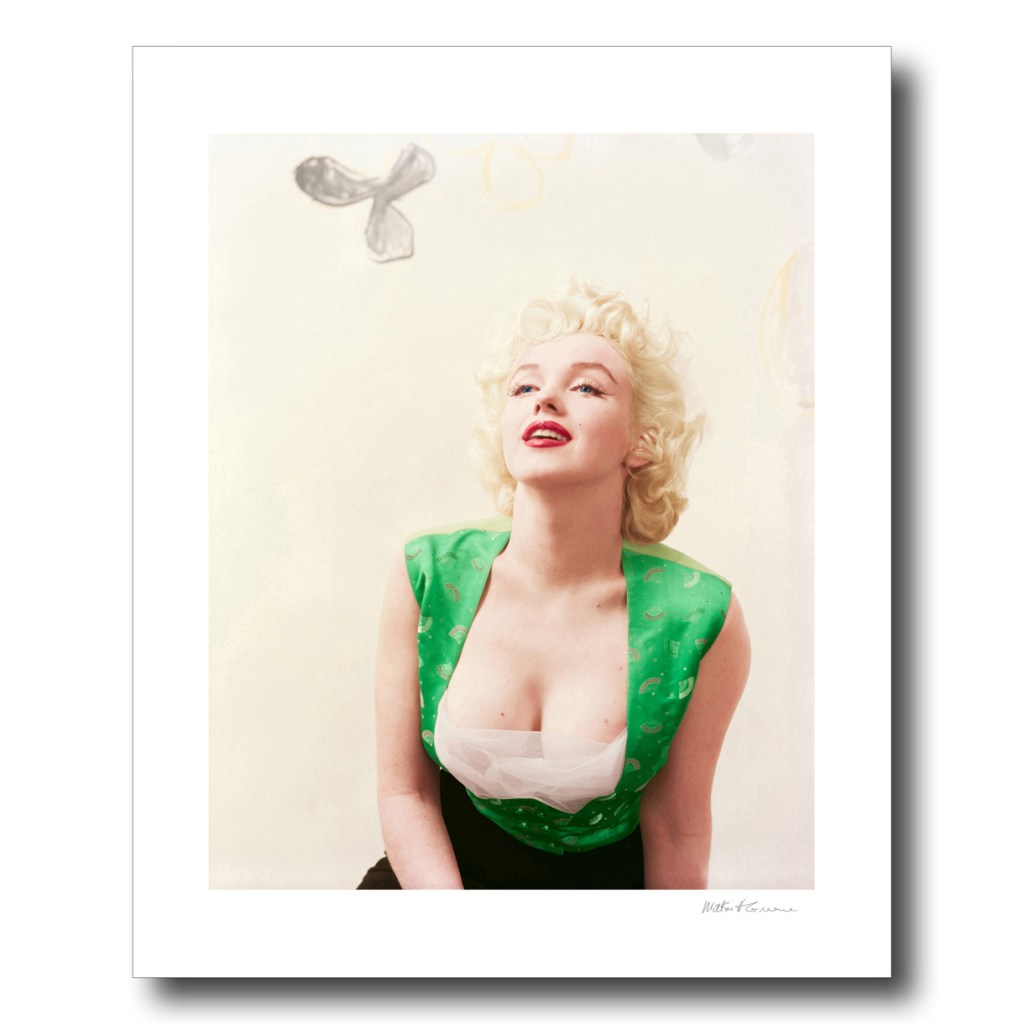
Taken at his studio on 480 Lexington he shared with Marty Baumen, Milton Greene photographs Marilyn Monroe sitting on a stool in a black skirt and green vest. Some cut out flowers sprinkle the back wall creating a simple background.
The American Dream is yours and as much as it is mine
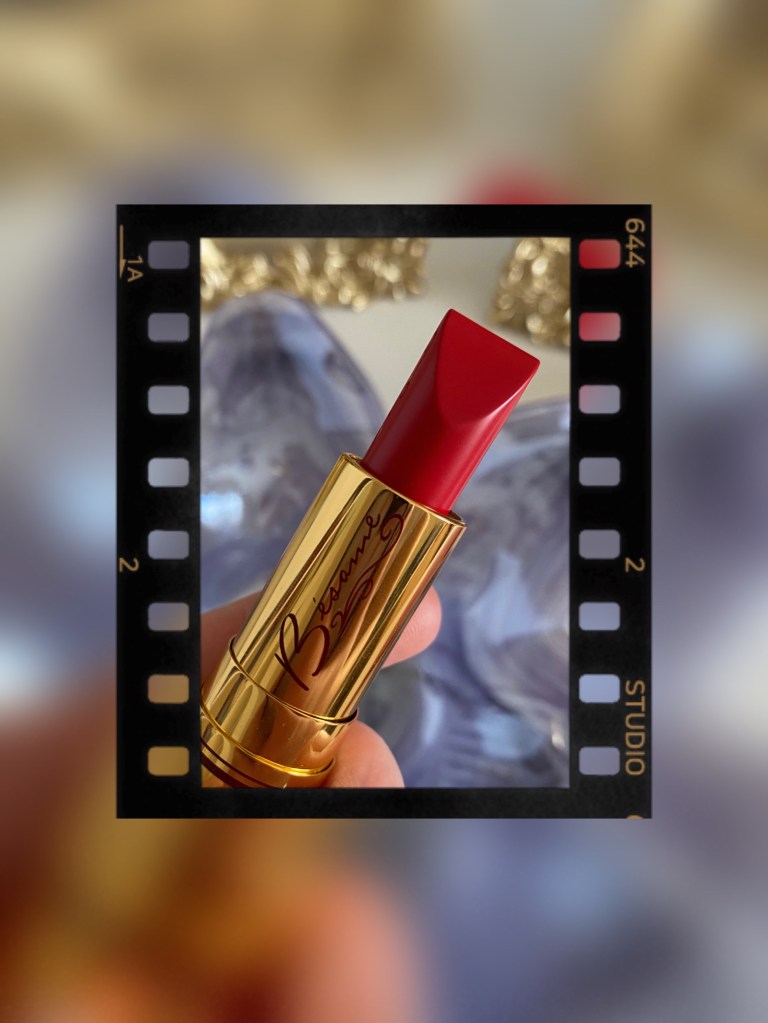
Classic beauty, undoubtedly, will never go out of style. The beautiful and historically accurate products of Bésame Cosmetics proves this. Founded by Gabriela Hernandez in 2004, the brand is currently going through a brand new refresh (with a new logo!), so this is a very exciting time for devotees of the brand. Make sure to check out her website often and see what is in stock and see if there are new products, too! Bésame is famous for its Limited Release Collections. Past collaborations have included Snow White, Mickey Mouse, Sleeping Beauty, and Marilyn Monroe. Keep an eye out for future collections! These are truly special. Additionally, the signature products are also very complementary to the limited release collections, so you can mix and match all of your products.
In a similar vein as the old adage by Yves Saint Laurent, “Fashion fades, style is eternal,” there are similar ideas which remain exceptionally classic, yet youthful. The best part of this particular makeup brand is that it is very adaptable to the makeup routine you already have. You can go as deep as you want in finding specific color shades to a certain decade and create your own ways of using the products in your routine. Additionally, you can learn about the history of makeup while using these products (cake mascara in a tin based on one from 1920 is classic indeed) or the exact colors worn by Marilyn Monroe!
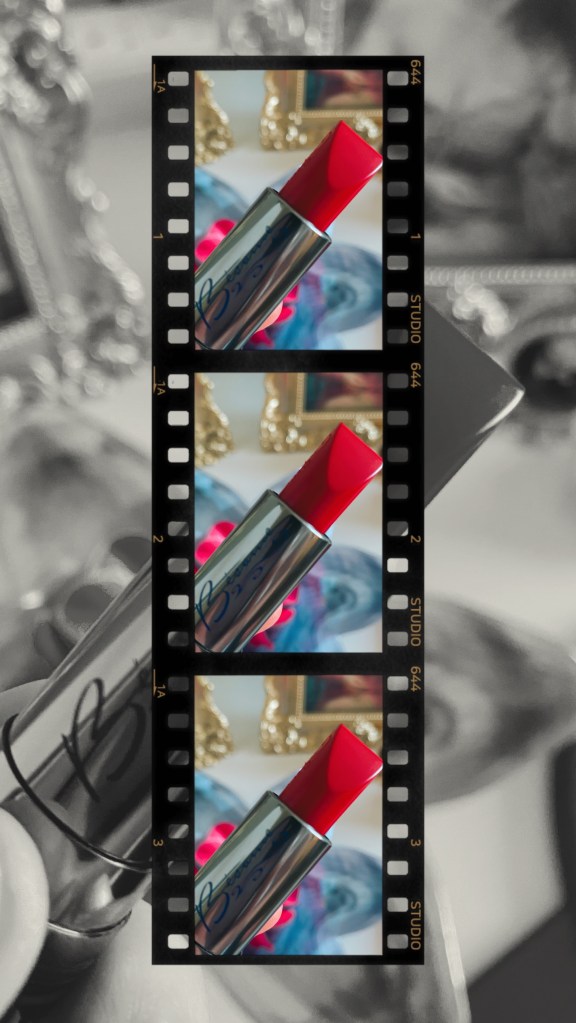
In the photos above, I am including products that I have found most enticing for my own use and learning. With regards to the packaging, every single product by Bésame is made exceptionally well! You truly cannot go wrong — go for the shades that immediately speak to you. I would recommend use the website’s lipstick finder quiz to ensure you are picking a shade of red that could optimally complement you or what you are looking for – i.e. reds or pinks or plums (and it always lands me on my two favorite shades, so I know that quiz is spot on!) The packaging is historically accurate, collectable, and these are all high-quality cosmetics: sustainably made in California, cruelty free, and woman owned. Of all of the products I have tried, my all-time favorites are as follows:
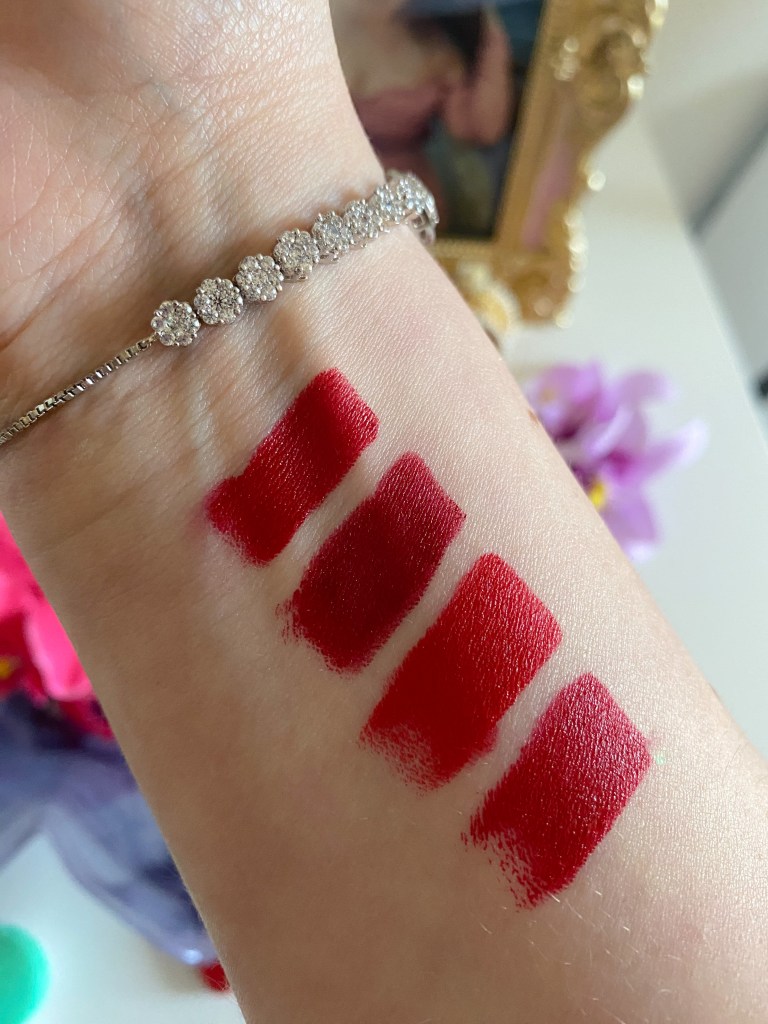
Lipstick in Red Hot Red from 1959 (this is a shade from their limited edition Marilyn Monroe collection and I will elaborate more on here)
Signature Refillable Compact with Silver Screen Shimmer (1955) pressed powder (another shade from the Marilyn Monroe collection; you can also choose blush products and an assortment of pressed powder options)
Crimson Cream Rouge from 1938 (a buildable cream rouge which you can also use as a lip color)
Decades of Fragrance: 1940 Perfume(this is a scent nicknamed “The Bombshell,” and has top notes of rose and citrus, with a base note of sandalwood. This scent is accurate to scents worn in the 40s, and I think it is a sophisticated, timeless scent; you can also buy mini samples to find the perfect decade choice for you)
Left image – from top to bottom: Forever Red; Cherry Red; Red Hot Red; Victory Red / Right image: Limited Edition Disney Villains collection Ursula lipstick
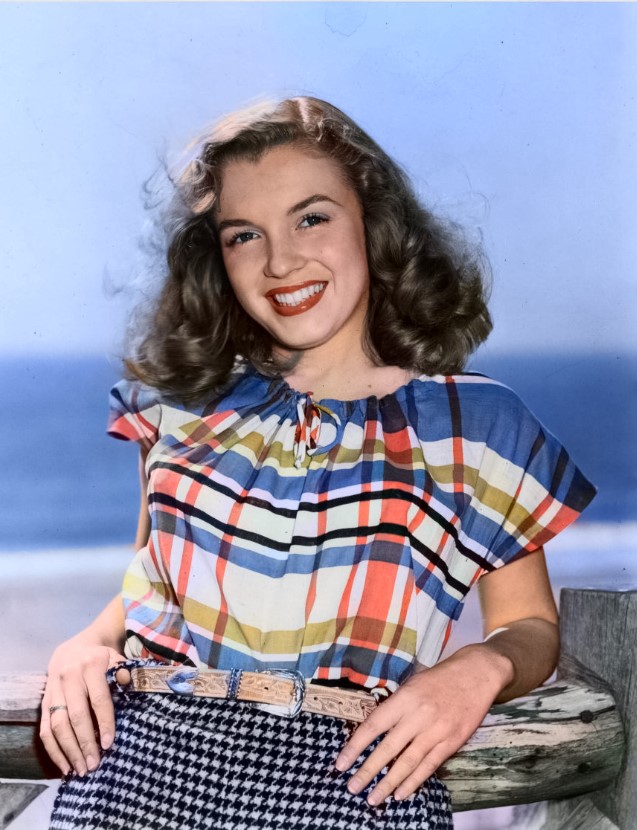
Since I am an avid fan in learning facts about the early years of Marilyn Monroe’s life, I have found distinct connection points between the colors and shades of the early – mid 1940s (my favorite era) that can also be visible in the shades of red lipstick that Marilyn wore in her early modeling days for the Blue Book Agency from 1945-1946. Those early years of her modeling career also line up with WWII and how Americans were involved in the war effort at that time (including Marilyn, who worked in a military factory before she plucked out for a modeling opportunity). A note of contention in Marilyn’s life was when her husband decided to join the Merchant Marine and to her chagrin, she was mortified with the idea that he might leave her forever as a result of deployment (this deeper fear likely stemmed from having felt abandoned too often in her youth). To that end, this was the beginning of the end of her first marriage. For me, I am particularly intrigued by the work of Bruno Bernard, one of the first photographers of Norma Jean. He pioneered pin-up photography and was essential in the beginnings of her success in Hollywood.
Notably, glamour, lipstick, Hollywood, and WWII all have cohesive connection points. This is most likely why the 1940s are such a compelling time to me. In addition to Marilyn’s emergence, Rita Hayworth’s career in the 1940’s was at its height (Gilda came out in 1946 and had Americans smitten). Between Marilyn and Rita, they were the faces of comfort during a war. In addition to war-time distinction, there is the compelling narrative of how red lipstick shades changed during that time. Marilyn Monroe (then Norma Jean Dougherty), married James Dougherty on June 19, 1942. Their marriage lasted four years (from 1942 – 1946), which I reflected on in my prior blog post, The Lost Potential of Norma Jean Dougherty. Norma Jean began her modeling career wearing red lipsticks as her staple in 1946, most likely best depicted by “Victory Red” (1941) or “American Beauty” (1945) lipsticks. Later, the shade of “Red Hot Red” (1959) would be the ruby red signature that we all know worn on Marilyn! There was not a single photoshoot during those early modeling years where she was not seen wearing red lipstick. No matter the shade, red lipstick remained unwaveringly. Red lipstick is likely the most important cosmetic there could be and Bésame Cosmetics presents this concept with historical accuracy.
Source on Marilyn Monroe: To Norma Jeane with Love, Jimmie by Jim Dougherty (2000)
Born Norma Jeane Mortenson, baptized Norma Jeane Baker, and eventually marrying James “Jim” Dougherty, made Marilyn Monroe originally identify as Norma Jean Dougherty. The identity of “Norma Jean Dougherty” is who came right before the emergence of Marilyn Monroe, and likely who Marilyn always was contending with and perhaps grieving. She lost herself in Hollywood, in spite of her incredible talent and fame that would last until this day. Notice the notable dropping of “e” is how Marilyn preferred it spelled. Marilyn was a fabrication of the Hollywood studio system. On March 12, 1956, Norma Jean legally changed her name to Marilyn Monroe, though she began using the name in 1946, at the launch of her career. She essentially was assigned a name that would be marketable in the movies. Marilyn is truly a fabricated character, which Norma Jean played the role of throughout her life. It is as if she lived a completely performance art life, which cannot be good for the soul. Entire books can be written about the “mythology” of Marilyn Monroe’s life. Up until now, there are various viewpoints and understandings of every aspect of her life, from her upbringing and early life, to the eventual spiraling downfall of her career, marred by people with less than generous interests in her fame. Her husbands following Jim, did not live up to her hopes, I imagine. Monroe, who continues to be an icon of Hollywood glamour, and may actually be the face of Hollywood for all of time to come – was, undoubtedly, a creation of the Hollywood studios. There are unavoidable facts, such as her incredibly warm spirit and clear self awareness that she seemed to cultivate at a very young age, which were essential components of her success.
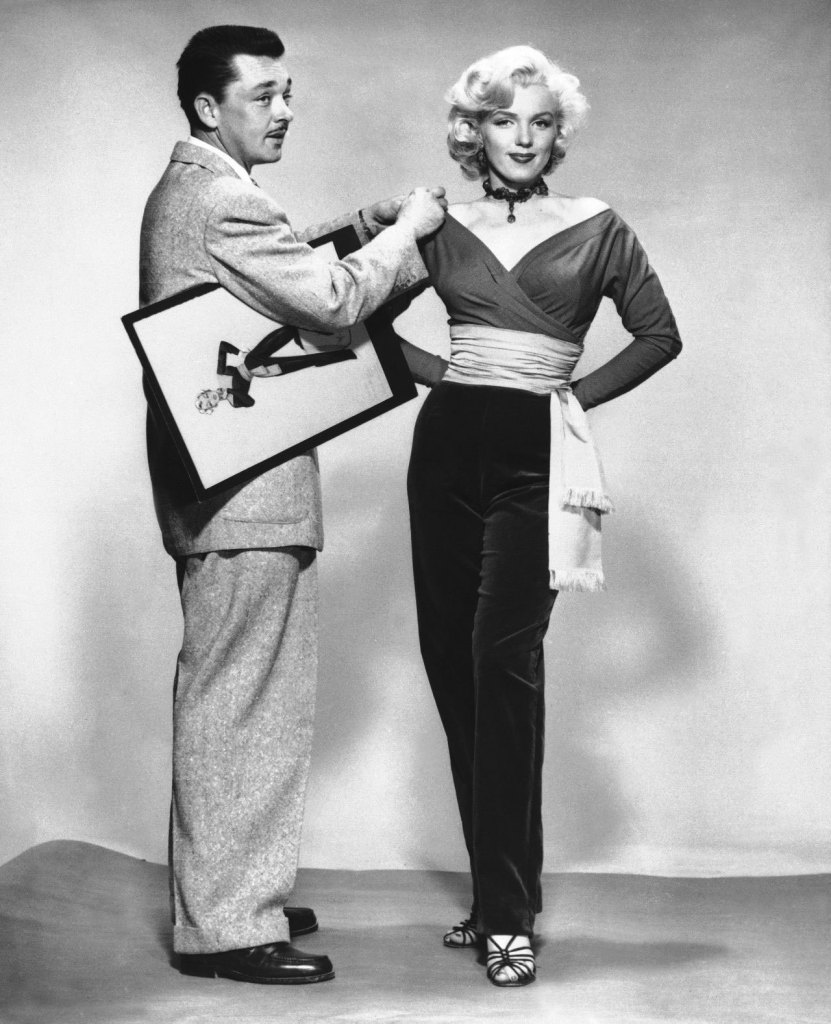
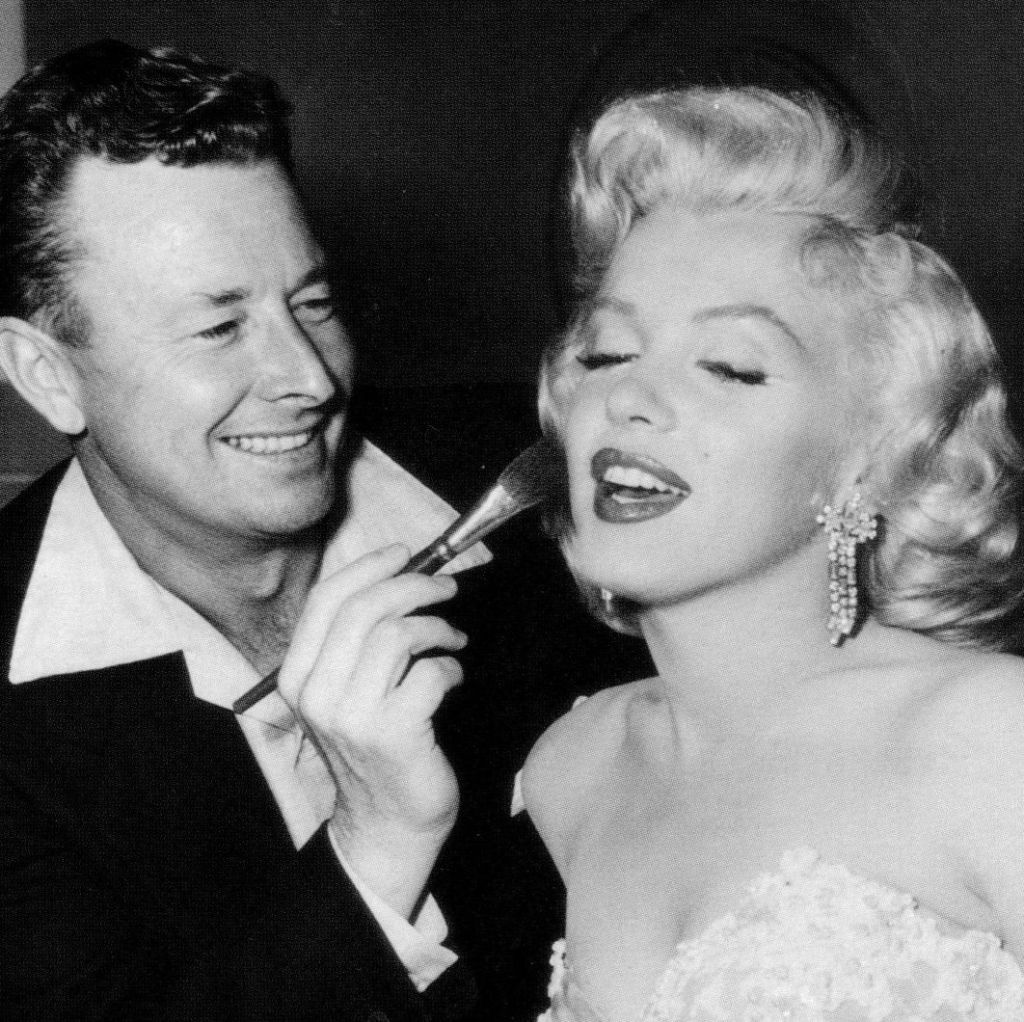
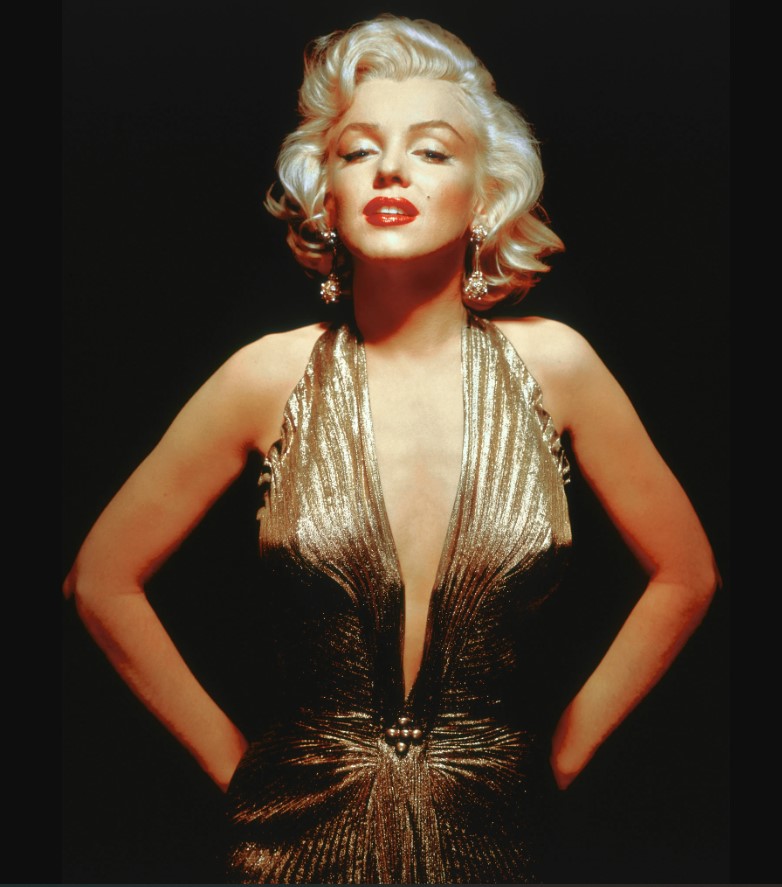
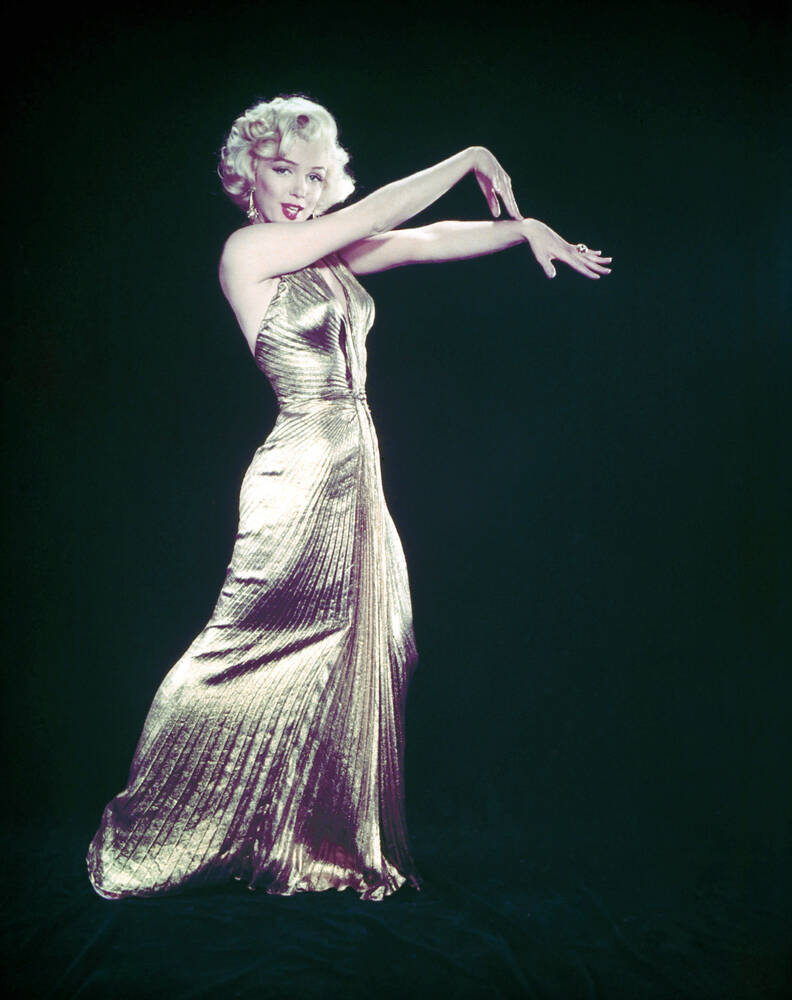
The creation and imagery that we all associate as Marilyn Monroe today, was designed and crafted by William Travilla and Allan Snyder. These two men, who are inextricably tied to this history of the image of Marilyn, are costume designer, William Travilla, and makeup artist, Allan “Whitey” Snyder, who both worked with Marilyn to closely craft the image that we quickly affiliate as Marilyn’s today. The broader discourse of her blonde hair and how she was framed out by Hollywood studios as a “dumb blonde” character is an entire story of itself, and for which I will not attempt to analyze here. In the scope of her Hollywood career, her blonde persona in Niagara is likely the peak of her acting abilities. Everything after could not reach the heights of the role of Rose Loomis, who ironically is a dark, calculating character. Perhaps Marilyn, and much deeper, the hurt Norma Jean, understood that the armor of glamour was all that she had left to wear against Hollywood. The hairstyles and hair shades of Marilyn Monroe evolved throughout her career, first starting as a lightened blonde at the encouragement of Emmeline Snively of the Blue Book Modeling Agency. She also trusted and believed in these people to help her become the actress she would be. Later, she would lose sight of her inner truth. However, the charm and beauty of Norma Jean Dougherty, before Hollywood touched her life, is a story of its own.
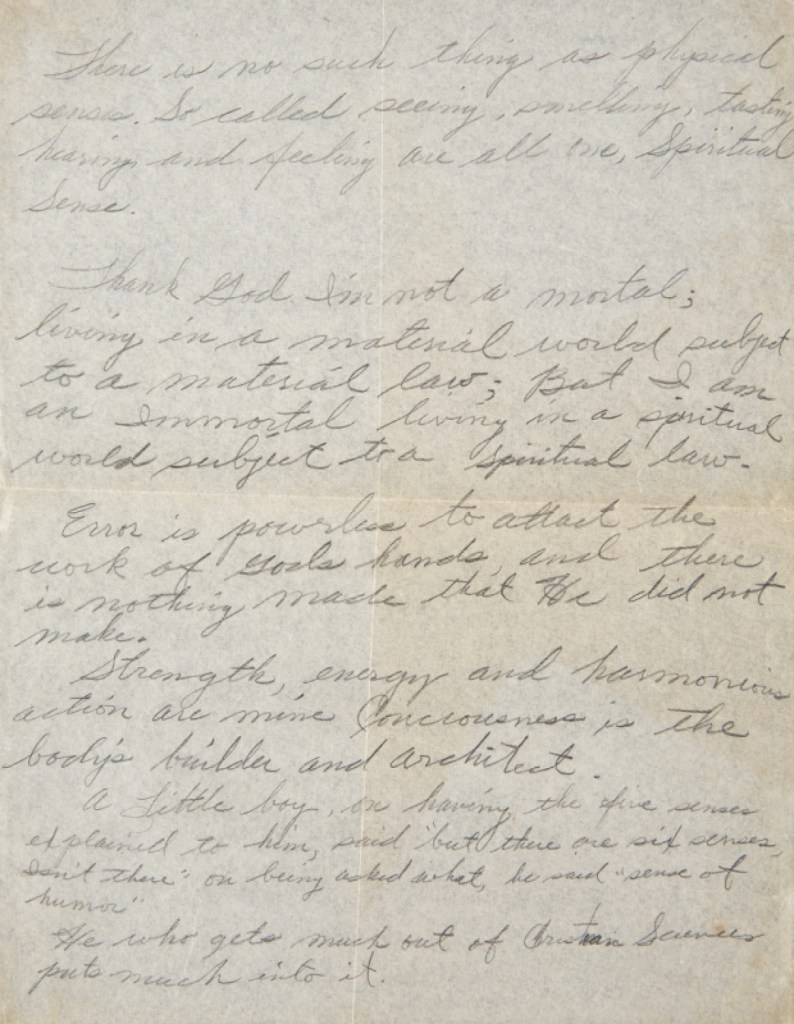
Personally, I hold true to the idea that the brunette Norma Jeane in post-war era of 1946 (right before her rapid rise to fame and she was still married to her first husband), the young woman who had big dreams, was someone who had great potential outside of Hollywood, and Hollywood with all of its ferocious lies and deceits, failed her miserably. The young woman who loved fishing in the great outdoors and playing with her dog, Muggsie, with her first husband, Jim, eventually could not protect her against the pull of Hollywood. I choose to believe in the story of the potential of who Norma Jean was – seeing her as a young woman with a hard childhood and, more importantly, a value set which originally saw the good in others, in a sincere and beautiful way. This was mostly instilled by her Christian upbringing, whilst staying in foster care with the deeply religious Bolender family, and then further into her belonging in the Christian Science denomination because of her Aunt Ana, the woman who played a heroic role in Norma Jean’s early life and who was also a devoted Christian Scientist. At Julien’s Auctions, a letter written by Norma Jean about her thoughts on Christian Science sold for more than $3,000. The letter states the following:
There is no such thing as physical senses. So called seeing, smelling, tasting, hearing, and feeling, are all me, Spiritual Sense. Thank God I am not a mortal; living in a material world, subject to a material law; but I am an immortal living in a spiritual world subject to a spiritual law. Error is powerless to attract the work of God’s hands and there is nothing made that He did not make. Strength, energy, and harmonious action are mine. Consciousness is the body’s builder and architect. A little boy, having the five senses explained to him, said, “but there are six senses aren’t there,” on being asked what, he said “sense of humor.” He who gets much out of Christian Science puts much into it.
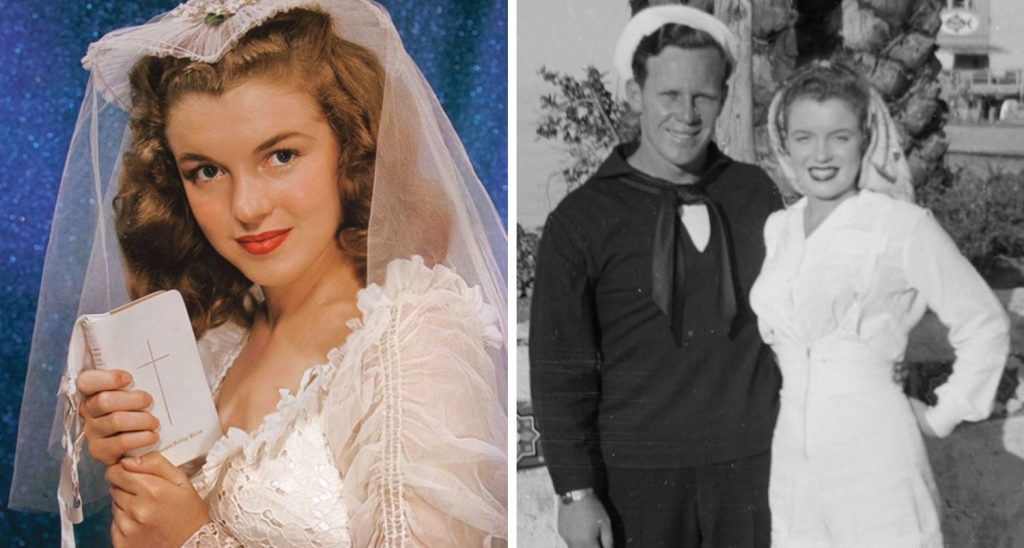
Most likely, and according to her first husband, James (Jim) Dougherty, Norma Jean would have stayed as Norma Jean had he not joined the Merchant Marine during WWII. Norma Jean loved wearing white and especially loved her dog, Muggsie, which Jim gave her. Muggsie eventually passed away of a broken heart when she left him behind with Jim’s family for Hollywood. With a zest for life and adventure (and both being far too young for the mature lives they led in an early marriage), Jim underestimated the impact leaving Norma Jean would have on her. She always looked up to the Hollywood stars, like anyone else. Being a Los Angeles native, she grew up watching Jean Harlow closely on the movie screens and it became rather ironic that her fame would surpass Harlow’s and Marilyn Monroe would be the “new Jean Harlow” by studio standards. In many regards, the success Marilyn achieved was not the success or happiness of Norma Jean, a young woman who clearly wanted to have a family with Jim. When that did not work out in the way she pictured it, she likely abandoned hope for that all together and was caught up in the idea that fame was her path forward, given how much attention men gave her in general. This was probably overwhelming at times and maybe pushed her in the wrong direction. Perhaps Norma Jean resolved the camera can’t hurt you, or so she thought.
Jim went on to have a successful career working many years as a police officer for the LAPD and trained the first SWAT team. He was notably a kind man by all who knew him, and he fell into police work by chance, because he was out of a job and working for a gas station after returning from the war, according to his book. Before he enlisted to join the war effort, he worked the night shift for Lockheed Martin. Norma Jean spent much of his allotment money while he was in military service on clothes for her burgeoning modeling career. She was seduced by a dream that was smoke and mirrors, in my opinion. While it was theoretically exciting to picture that the talented Norma Jean would put her talents to good work in Hollywood – she was ultimately grossly mistreated by the Hollywood studio system. To say mistreated is an understatement. She was robbed of her dignity and sense of autonomy in my opinion. The life Norma Jean could have led after her husband returned from the war is a much more energizing thought. Norma Jean, despite not having much formal education, was intelligent, and it is truly disappointing to see how marred things became for her. The enticement of the incredible fame and glamour she achieved coupled with a tragic early end to her life is clearly a cautionary tale.
Jim’s later association with “Marilyn Monroe” was complicated (he felt strongly he did not know who this woman was), and he did his best to respect his wives who he married later by never mentioning her or openly watching her films. His privacy would later be intruded because of her fame, too, which became burdensome in its own way to be the “first husband of Marilyn Monroe.” He states in his books how he never stopped loving Norma Jean and was not the one who asked for a divorce. He also went on to marry again and burned letters that she had sent him when he was on duty in the Pacific, he mentions there were 200 letters or more where she thematically discusses missing him everyday. He states in his book how he burned the letters to not allow himself to hold onto the ghost of that marriage while he was in another marriage, which he came to deeply regret, for obvious reasons. He was dispatched in the Merchant Marines when he received her notice of a divorce request. She had gone to Las Vegas for divorce papers, which was common at the time. She discussed with him how she wanted their relationship to continue, how much she still loved him, but that she could not enter the Hollywood studio system being married since contracts were not usually given to married women.
Jim went on to marry two more times, had a successful law enforcement career for much of his life, was a great fan of the outdoors, and passed away at age 84 in San Rafael, CA from complications of leukemia in 2005. The idea that Norma Jean could have continued leading a values based, self assured adult life is one that I choose to believe was lost. A Hollywood icon may have been created, but that took away the dream of who Norma Jean could have been. Soon, that ambition and zest for life would be gone from the eyes of Marilyn Monroe. In my opinion, this the lost feminist narrative of Marilyn Monroe’s life – who would Norma Jean truly wanted to have become had Hollywood not come along?
Sources: Fred Guiles book Norma Jean: The Life of Marilyn Monroe and Jim Dougherty’s book, The Secret Happiness of Marilyn Monroe.
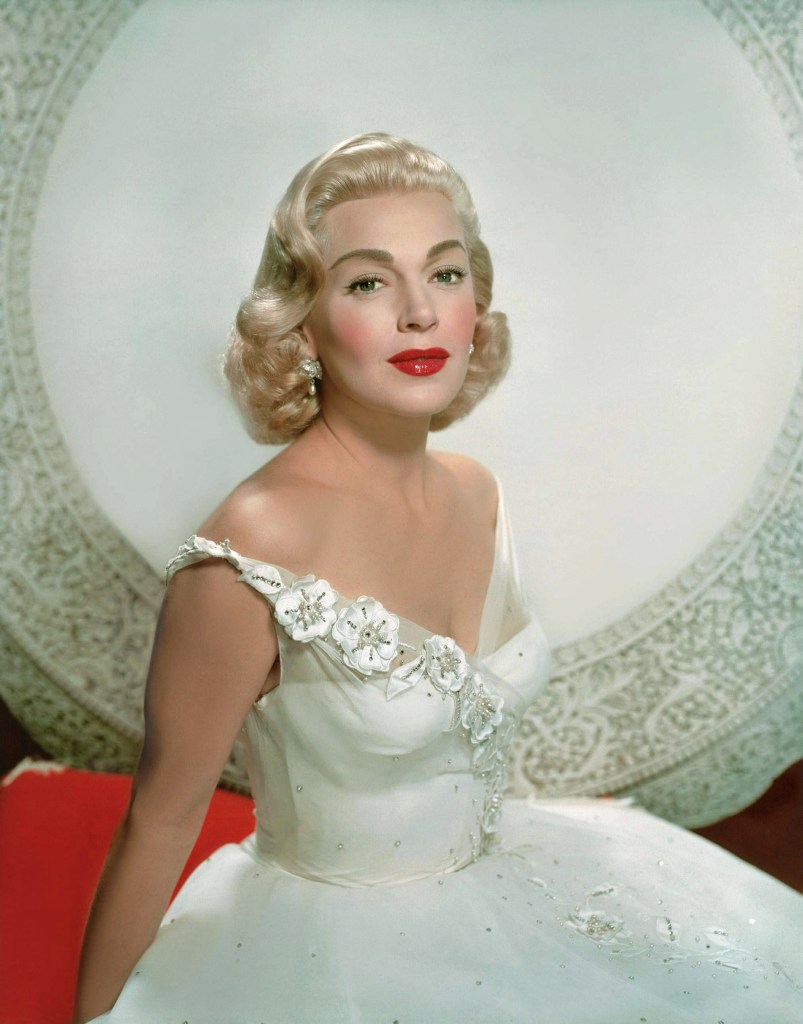
In honor of both Women’s History Month and the 95th Academy Awards, here is a featurette description on Lana Turner. Lana Turner was undoubtedly one of the most incredibly glamorous movie star icons of Golden Age Hollywood. And yet, today’s media is not covering her very often. She is also a wonderful example of the “American Dream,” as she grew up in poverty in a rural mining town in Idaho and ended up starring in Hollywood movies. Lana is a great example of true grit put into the American context. She was born February 8, 1921 in Wallace, Idaho. She showed an interest in performing arts while the family struggled to make ends meet – her family relocated to San Francisco when she was 6 years old. Her parents separated after moving to San Francisco.
Lana’s father was murdered in 1930 when she was 9 years old after having been robbed of gambling money he won, the murder was never solved and he was found in the Dogpatch neighborhood. His passing greatly affected her and she grew up quickly as a result. Her family then moved to Sacramento and around the greater Bay Area, including Modesto. It would be common to have “crackers and milk” to live on throughout the week. Her mother worked 80 hours per week as a beautician. Lana converted to Catholicism during childhood (having been baptized Protestant), and she had aspirations of becoming a nun in San Francisco. Due to her mother’s respiratory issues, they moved to Los Angeles for a drier climate by a doctor’s recommendation.
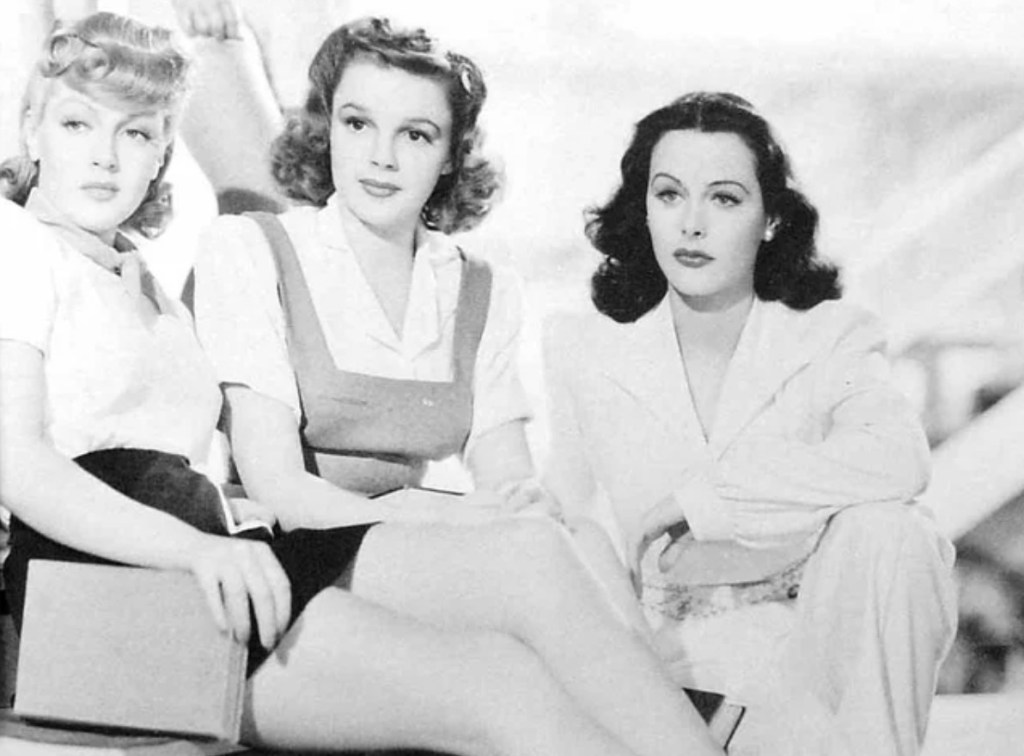
When Lana was 15, she was spotted by the publisher of the Hollywood Reporter while buying a soda on Sunset Blvd., where she was living at the time. Her mother allowed her to enter the movie industry and she was signed to a contract at Warner Brothers. She later moved onto MGM and worked alongside Mickey Rooney and Judy Garland, even testing for Scarlett O’Hara in Gone with the Wind, unfortunately not winning that role. In the 1940s, she acted alongside Judy Garland, where Lana was paid $1,500 per week. They became lifelong friends and lived next door to each other! Some of her famous lovers included Howard Hughes and Frank Sinatra.
By 1948, she was one of the highest paid women in the US, being paid over $226,000 per year and the most popular actress at MGM. She was nominated for an Academy Award for Best Actress in 1957 for Peyton Place. Her next film, she would earn over $2 million in Imitation of Life. Lana Turner was a Hollywood powerhouse who has not had as much mainstream appeal today. In her personal life, Lana was married seven times. She had one daughter, Cheryl Crane, when aged 14, murdered her mother’s lover, Johnny Stompanato, during a domestic violence altercation in 1958. Johnny worked for the Cohen crime family. Her daughter was not charged. Lana died of throat cancer in 1995, at the age of 74.
In honor of her memory and legacy, Lana Turner is a true Hollywood icon.




























 rosybvm.com