Eros: The Story Behind A Mythical Figure

March is Women’s History Month… An integral part of the empowerment of women is the protection and advocacy by men of women in ways which enable women to thrive and grow, and not hinder or control. In Greek mythology, the mythical figure of Eros (or his Roman counterpart most broadly referred to as Cupid), has a story which embodies the protection of women through love. Eros is the son of Aphrodite in Greek mythology, he is best known for setting the stage for lovers to come together. He is symbolically the son of love. He is also signified by carrying his bow and arrows, where he symbolically strikes people with love. His role in mythology is a complementary one, which has made tales or Eros much less prominent in the subjective discourse of Greek mythology.

Stories about Eros remained popular in the Middle Ages and Renaissance, with the main tale about him being his own unique love story – his falling in love with Psyche and ultimately protecting her. The tale of Eros and Psyche is one that originates in Apuleius’s classical The Golden Ass. This work is the only ancient Roman novel in Latin to survive in its entirety. In this tale, the storyline is focused on obstacles of love (ironically, Psyche in Greek means “Breath of Life,” so the entire idea of love coming together is the idea of life itself). Throughout the tale, there are various punishments and tests which mark the entire scope of how Psyche is set to find love with Eros.

The tale begins rather simply – there was once a king and queen who had three beautiful daughters. The youngest and most beautiful of them was Psyche. Her admirers neglected to worship Aphrodite and instead prayed and made offerings to her. Aphrodite finds out and becomes offended by this, concerned that her power would be usurped and she sends Eros to have revenge. She wants him to strike Psyche with an arrow of love so that Psyche falls in love with a hideous man. Instead, Eros scratches himself with the arrow on accident and falls deeply in love with Psyche. A wind takes Psyche into a beautiful meadow to bring her together with Eros, but she promptly falls asleep. She awakes to find herself looking at a majestic house with golden columns and with a carved ceiling, silver walls, and a jeweled floor. She is guided to a bedroom where she takes a lover in the dark and eventually becomes pregnant. In all this time, her family wonders what became of her and and Eros allows her sisters to pay a visit.

When her sisters discover the majestic house she lives in, they become jealous of Psyche. As a result, they prod her to unveil her husband’s identity. She does this, but while in the process, and being so surprised by Eros’s handsome appearance (expecting her disguised husband to be one of shame), she accidentally injures herself and he awakens in the process, flying away and then leaving Psyche on a river bank. The other two sisters offer themselves as a replacement, except they are sent to their deaths. During this time, Psyche comes across a temple of Ceres and offers to help, where she soon finds out that she will be serving Aphrodite herself. She is brought to her two handmaids, named “Worry” and “Sadness,” and then she is tortured by them. She is left in a heap of wheat and barley demanded by Aphrodite to organize. An ant takes pity on her and then forms an ant colony to take over and do this work for Psyche. Aprhodite is furious that the work is completed and only gives Psyche a crust of bread.

Psyche faces additional tasks under Aphrodite – she must cross a river and fetch golden wool, as well taking a crystal vessel to collect black water from the infamous river Styx. The god Jupiter takes pity on Psyche and sends an eagle to collect the water for her. Beyond these tasks, then Psyche is sent to the underworld itself. Aphrodite believes a beauty potion is there as she thinks her beauty has begun to fade by taking care of her son, Eros. Once Psyche arrives at a tower in the underworld, it gives her instructions and speaks to her. This tower tells her to stay silent and ignore the strange things she will see. She achieves finding this potion in the underworld and becomes curious about it herself, only to discover that the potion is nothing at all, except sleep. She is then sent into a deep sleep – like Sleeping Beauty.

All along the way, Eros has healed his wound and flies out the window of Aphrodite’s house. He finds Psyche asleep and awakes her and puts the sleep back into the box to give to Aphrodite (who assumes this is a love potion – another ironic thing is to recognize that sleep is great for beauty). Eros brings the story of his love for Psyche to Zeus and makes a case to him: Zeus then allows Psyche to become an immortal god and this union ends in a happy marriage. Perhaps the most fascinating element of this tale is to recognize that love never has a clear path in life. We can conceptualize all the rights and wrongs of how we can go about finding love, but ultimately, life itself has its trials and tribulations and it is the fact that love exists and that love finds its way to us in the most unlikely ways do we realize how there is no methodology to love. This is greatly exemplified in the storyline that Eros accidentally strikes himself and finds love in an entirely unintentional way, yet he persists and protects his love.

The entire scope of our experiences in life is shaped by our willingness to accept its ambiguity, and to do good and act wisely, in the best ways we know how. Furthermore, Eros embodies a protector of women through his love of Psyche.

The story originated in 1566 and its truths remain unchanged in times of modern technology and AI.

Sources: Wikpedia of Cupid and Psyche & Eros
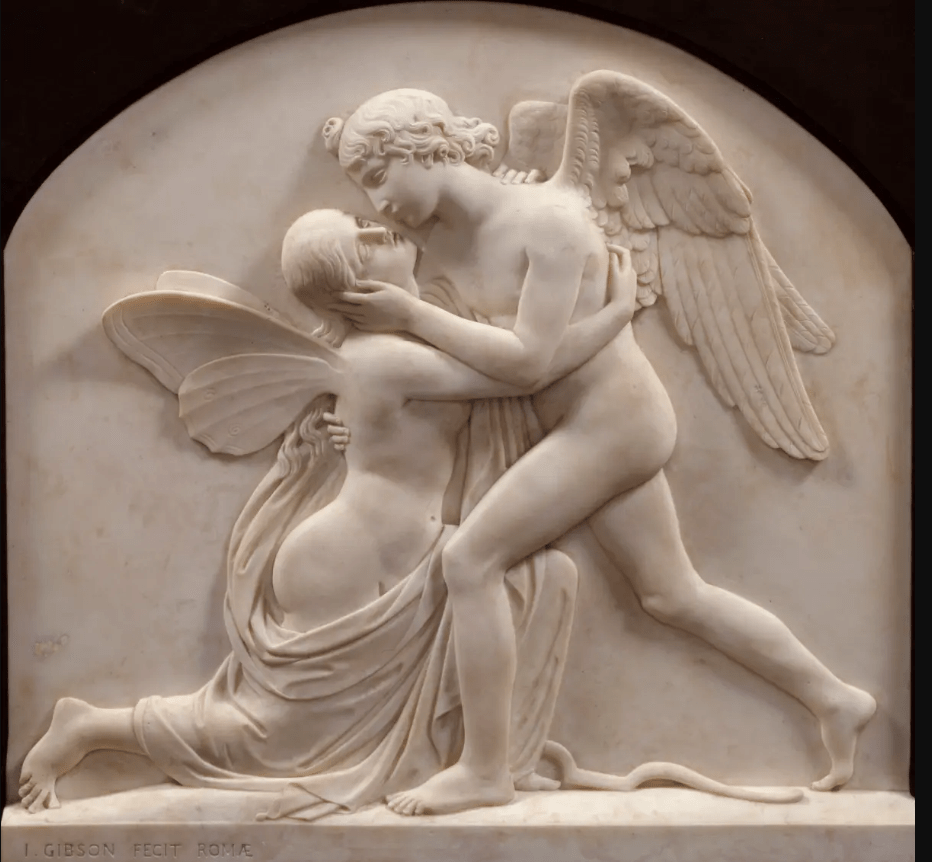
Cupid and Psyche (1859) by John Gibson RA at Royal Academy of Arts, London

The Time Is Now: Reduce Our Carbon Footprint

Gandhi said, “You must be the change you want to see in the world,” and that is something I truly believe at the core.  It takes one person to mobilize a movement.  It takes one domino to affect an entire chain reaction.  It takes you.  It takes me.  It takes all of us to learn about the roles we play in systems which impact the environment, our shared home, of planet Earth.  The land we inhabit is as spiritual as the food we consume.  The Earth is an extension of ourselves, of our capacity to share love, and love Earth back.  We can choose to love Earth.  Loving Earth means stopping any form of senseless ignorance over climate mitigation tactics.  It will be our own demise if humanity chooses its own type of existential self-destruction if it opts to continue pursuing mindless consumption and a general mindlessness of the unsustainability of our current resources (and how they may or may not regenerate aspects of life on Earth). Regarding extinction, I will not dive into the specifics here, as extinction is a broader topic which undoubtedly has a shocking domino effect on our ecosystems and unfortunately it may already be in an irreversible pattern.  Beyond the painful realities of global animal extinctions, it is our duty to mindfully consume, step into shared resource generosity and reciprocity, and collective learning, action-taking and policy-making, as cultures and nations join together in global cooperation.
Despite all of the machinations of modernity: from the emergence of complex technologies such as Artificial Intelligence (AI), which brings about complex and confusing implications across industries (and it is being massively developed only a few miles from where I write this from).  This does not mean you should ignore these developments.  It makes it all the more important to step up and learn across as many topics as you can.  We are at a precipice in America, and globally, of how we decide what we care about most.  I hope, beyond a doubt, we choose every single policy that favors our planet before mindless ideals of “market viability,” when it comes down to gas prices or trivial economic realities we have a tendency to falsely blame short-sighted economic behaviors, surrounding topics such as inflation, as the source of all of our “problems” in this country – believing inflation is our biggest issue is a deflection without a doubt, and within that deflection is the reality that many Americans are economically hurting. Americans who feel they “pay more at the pump” certainly hurts when working hard for every dollar made, including myself.  However, conceive of a nation which is no longer dependent on gas, nor electric vehicles either, as we will also certainly have power grid issues emerge in a long-term environmental crises. 

It almost feels nonsensical to consider a world where Americans could potentially adapt to life without their cars, but these are some of the looming large problems we face.  At a minimum, I believe that we will need to begin restricting the number of vehicles per household to reduce carbon emissions to start to spur real change.  This is an imperative and policy belief that I stand by.  I am a proud American and I also face environmental realities: the days of Hummers for fun are long gone and were always irresponsible (which garner an average of 11 miles per gallon (MPG), whereas a Toyota Corolla garners an average of 40 MPG by comparison).  I don’t currently have a car and know that my carbon footprint is significantly reduced.  This is one way that I have mindfully contributed to the environment and chosen to maintain that perspective for some years. Public transportation works well for me and my family. On average, it is a reduction of 1,000 pounds (.5 tons) annually per household of carbon emissions when not driving a car. Imagine how this could make a positive impact on the environment with reduction rates made by millions of people.

We are entering into an economic space globally which may transcend the imperatives which are isolated to the economic metrics which measure inflation.  We are going to be entering into a resource scarcity era soon, if not already.  This is not about “being right” or “feeling right,” anymore for anyone – the power we each have goes beyond our opinions of topics or politics, we are existentially under threat from ourselves.  It is no longer the time to stay silent about issues like the environment, to fret about which side may not be “right,” to enter in on.  Every single part of this global crisis is messy and complex.  Accept the complexity and learn to embrace it.  Learn about Complexity Science to enter into complex conversations around the environment with everyone in your life.  Learn about how to grow your own food.  Learn about how to access locally grown food.  Learn about minimizing your consumerism as a whole – stop shopping for senseless things (I need to tell myself this, too) – actively live as mindfully as possible, this if anything, is part of a global solution to lowering carbon emissions.  Beyond our individual lifestyle choices, there are entire industries which will need to face facts and see what their choices will do to further complicity in environmental damage or choosing a new path forward, if entirely stopping some production lines.

Eckhart Tolle often speaks of collective consciousness and awareness as a way of transcending individual and cultural pains.  I do believe we must make sacrifices from our own impulse based consumerism and step towards deeply sustainable lifestyles.  The pace we have may not be the pace that Earth chooses to respond back to us, but confronting our shared reality is far better than stepping back and remaining ignorant.  This is a form of complicity that should be called out from the top, from the government policies we work to enact during these times.  We cannot waste any more precious time for our planet’s sake and for the future of our planet’s sake.

The world holds questionable attitudes related to dualities – as if nuance cannot exist within duality, as if there is only science or only religion, as if the two cannot exist side by side; the same goes for identity and religion.  They do exist, side by side, and they will.  The tremendous accomplishment of developing and deploying billions of COVID vaccines globally proved that we can work together in global cooperation.  We can and we must going forward.  Every component of our existence is duality – our bodies have two sides mirroring itself into symmetry, that in of itself is a duality.  The way the eye perceives and receives light is the same meta scaled image as how the Earth receives light from the sun.  We are layers on top of layers of complexity in our existence.  The dualities such as Light and Dark; Yin and Yang; Peace and War; within every duality are truths which reside in states of contradiction.  If I can communicate a truth within our contradictions, I can say that we are going to confront ourselves repeatedly in crises due to the environmental crises which will accelerate. 

It is within these complexities there emerges patterns.  Patterns will determine our combined fates.  Ultimately, fate is a choice for engaging in patterns.  Do we choose to mindlessly consume and squander our beloved Earth’s resources?  Or do we work to actively mitigate this and learn how to become closer to the land and live in existence with it?  How do we do that without going to such as extremes as believing we need to be “off the grid” to accomplish this as a modern country?  Perhaps “off the grid,” simply means becoming in community with your neighbors again and giving them extra fruit you have and engaging in reciprocity. It starts with the little things – little things become big things.  Sharing our resources: we have the capacity within us to do this. Re-wearing our clothing without the incessant focus on trend-based style – stop buying clothes mindlessly at the minimum.  Learning about renewable fabrics that actually act for the environment is one way to pursue a sustainable wardrobe. 

At the end of the day, the climate crisis is not a ‘communism’ vs. ‘capitalism’ type of debate.  This is an existential survival debate.  I am starting to believe in the ideas around being a “prepper” – the idea of preparing for the worst.  This is how everything feels nowadays. I believe no external incentives will work well at the scale we need it to: I believe that all incentives are activated through internal motivations.  Our passion for the Earth and the betterment of the world needs to be activated deep within us, not through misguided visions of success, which is no longer about the excess accumulation of material wealth.  We are part of the answer.  We are part of the movement and we can decide to be better.  

Our only chance in the climate crisis is to believe in the contradictions as its deepest truth.  Our environmental state (and the states which this multi-layered crisis will generate in other countries), cannot be spun as a fairytale for commercial purposes; greenwashing for commercialization purposes which have limited large-scale viability is not the outcome we need to pursue in these crises. Marketing is going to be a critical tool, in some ironic demise of its own industries, to how we can enact large-scale changes.

It is our imperative to believe in full systems change approach to living – it is our deepest responsibility to the land and our lives.   We will all need to stop consuming mindlessly.  We will need to cohabitate ideally in small communities at scale, share resources in peaceful reciprocity – rooted in the belief that humans can be generous, kind, and loving at the core (no more “winner takes all” mentalities in this lifetime).  This is the best we can possibly hope for in a world that is set to descend into resource scarce chaos, which I believe is preventable if we become collectively aware of what we face.  The beauty of truth that we can rely on is that humans are capable of love and generosity, despite how we may view the state of humanity right now.

In rosiness,

Bianca

Sears Christmas Book History

Beginning in 1933, Sears released their Christmas Book catalog in August or September, which was later rebranded to be called the Sears Wish Book. Even as early as the 1890s, Sears sold Christmas related items, such as wax candles for the tree and the first Christmas tree ornaments appeared in 1900 from Sears. In 1910, Sears began selling artificial trees and stockings for Christmas. In a truly fascinating study of American life, Sears had an all-encompassing lifestyle brand going – from lawn mowers to washing machines, from clothes to toys, at one point, Sears even sold full-scale mail-order houses you could build (Wikipedia page on this here), homes built from 1908 to 1942. These homes undoubtedly spurred the American DIY (Do-It-Yourself) movement. Sears sold more than 70,000 home building kits, which are mostly located in Illinois, Ohio, Pennsylvania, and New York. Some of these homes still stand today and with great quality materials to boot. Some homeowners today decide to create modern replicas of the templates of the Sears homes from the original masterplans of those homes. It is actually incredible how much Sears, as a brand, embodied the American Dream and inspired the American DIY spirit.

A Sears Modern Home in Benson, North Carolina

As far as the catalogs went for Sears, by 1968, the Wish Book was a whopping 605 page catalog. The catalog, in particular, has charms and style that created the template for American trends in consumer style. Up to 7 million copies of the catalogs were printed each year as well. The catalog was also an opportunity for there to be no racial bias in folks making purchases, whereas in the Sears stores, there could be ‘better products saved for white people,’ according to PBS. The catalog allowed anyone and everyone to purchase nice things. Additionally, if you did not write well in English, there were linguists who translated orders written in different languages. This is an example of pursuing the American dream in an equitable form.

By 1998, the Wish Book was transitioned online, and by 2023, it seems to have been phased out all together, but the Wish Book of the 1940s is available for print from PBS and is a fantastic Christmas present for your loved ones – a peek back into the years of a very different America, one where some aspects were joyful and festive, and other elements which were tremendously problematic. Additionally, due to the wartime based context, the consumer demands became revitalized and in new ways. Nonetheless, the ways in which Americans pursued their ideal lifestyle of “having a home and better life” certainly arose from wartime hardships. While this theme of the American Dream can resonate with many Americans even today, it is fascinating to note how the Sears concepts shaped so much of our conceptions of American style. The mainstream styles which Sears presented to Americans gave people the opportunity to step into the ideal image of their “hopes for a better life.” I find it especially fascinating how clothing in the 1940s, for example, had so much thought put into the outfit for the activity. I think the Sears of a bygone era is a great template for a company which can find its place in our current times again.

Rosy BVM’s 2023 Holiday Gift Guide

Each year, I find it gratifying to put together a suggested holiday gift guide list to consider using as a reference for your holiday gifting. I think, thematically, holiday shopping can be stressful, as there is a short duration for folks to compile gifts in their life for their loved ones if they celebrate in this way (as we often may not keep this in the back of our minds throughout the year), and thus, the holiday shopping that ensues may not be the most suitable items for your loved ones. Ideally, you are saving and buying things over the course of the year for your loved ones that you find special for them along the way; this can easily avoid the haphazard hastiness of holiday shopping. Nonetheless, the holiday gift guide is one that I have found fascinating to craft each year, as it thematically ties together trends that I saw over the course of the year and also heading into the new year.

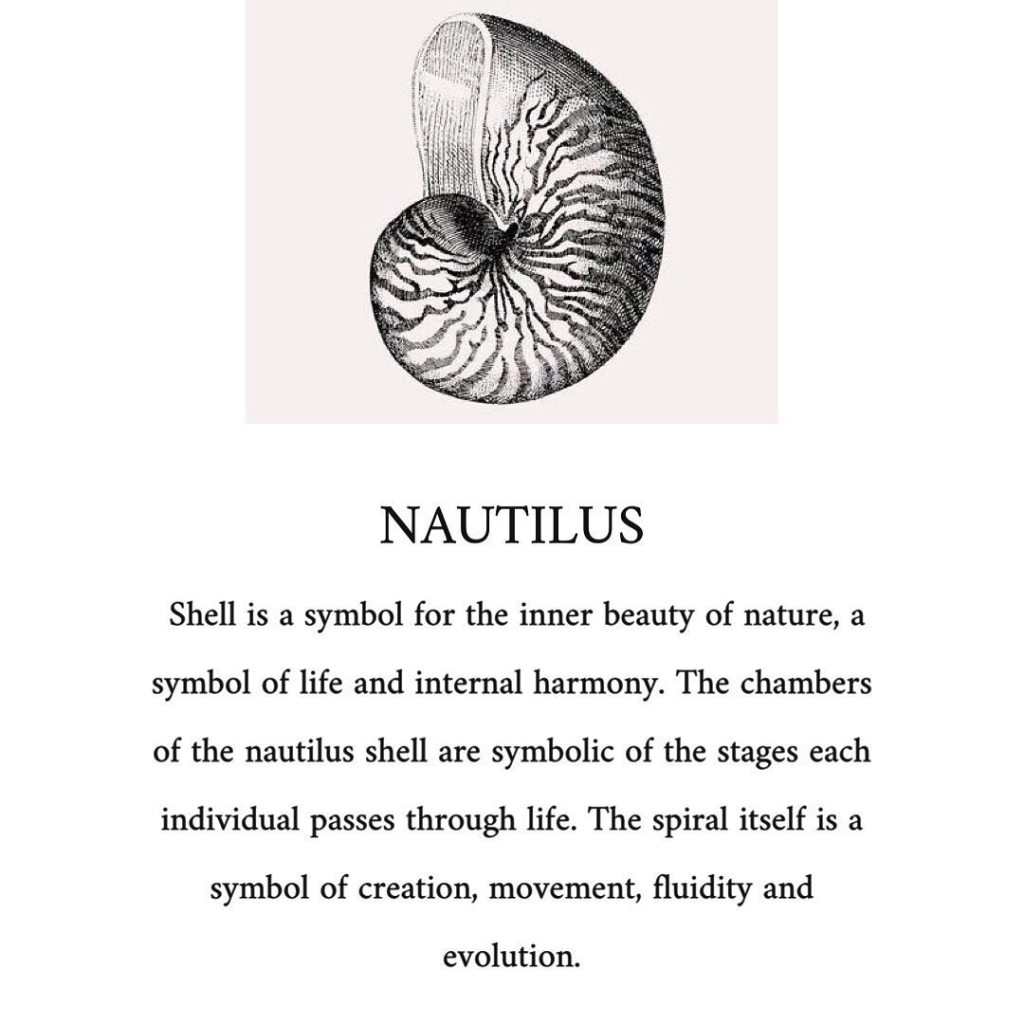
This year in particular, there is a continued theme around wellness and how we should be emphasizing how important it is to value the wellness of yourself and your loved ones. Showing your loved ones that you care for their wellbeing can be in simple gestures, and certainly never requires a tangible gift – it can be in a passing statement that you’re proud of them or that you see they are working hard and should remember to be kind themselves, too. I have become a believer in “talismans,” little signs for you to remember that “magic” exists in the sense that you are part of a greater schematic in this life that is relatively unclear what the grander purpose is, but it is absolutely special and you are equally special being apart of it. For a talisman that I have honed in on this year, I became enamored with shells and the various meanings behind shells. I particularly honed in on the nautilus shell, and how its spiral shape represents patterns and life itself.

I think you can translate the concept of a talisman very smoothly to the interests of those in your life. For example, you can buy them a deck of cards like The Secret‘s Manifestation Cards, or you can buy essential oils for aromatherapy (it is a simple gesture that reminds someone of wellness). Often, it is in the little gestures, and the little moments, that we find the deepest meaning over the course of time. There are science backed studies which emphasize the importance of essential oils being pure and high quality for the impact it has when smelling the scent for most positive effects on your brain and your nervous system as a whole. Our sensory lives are entire entities – we can choose to ignore our sensory experiences or we can use our sensory experience in this life to fully embrace just how beautiful and special this life is for each and every one of us. The world has darkness, no doubt, but I also believe it is our own responsibility and duty for the others in our lives to do our best to embrace every moment as it comes in sincere and mindful ways.

2023’s Holiday Gift Guide is an ode to the senses: of mind, body, spirit.

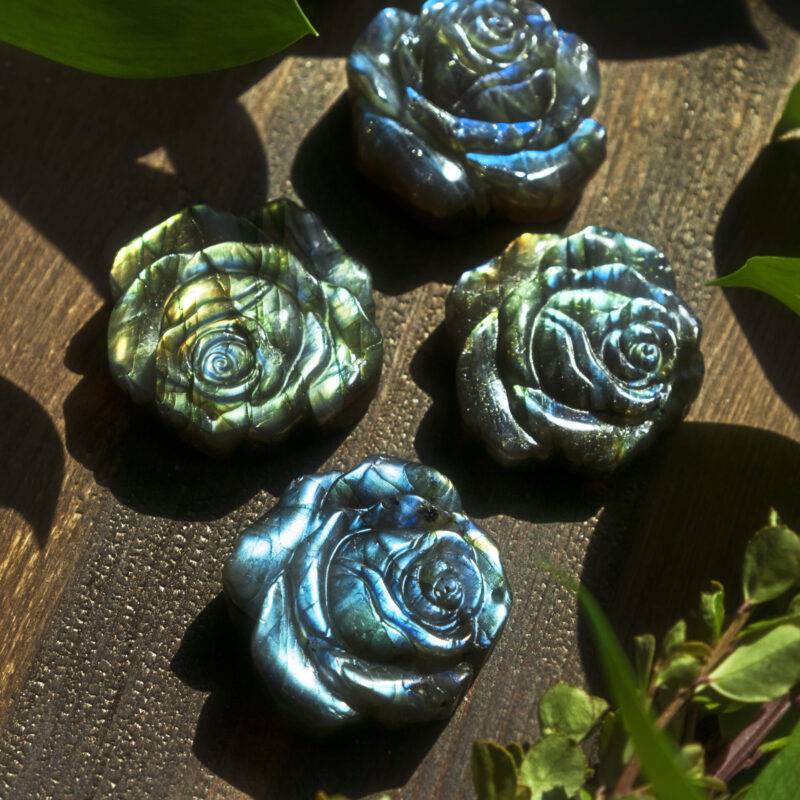
Sage Goddess Labradorite Rose

NOW Foods Essential Oils

Besame Cosmetics Fragrances

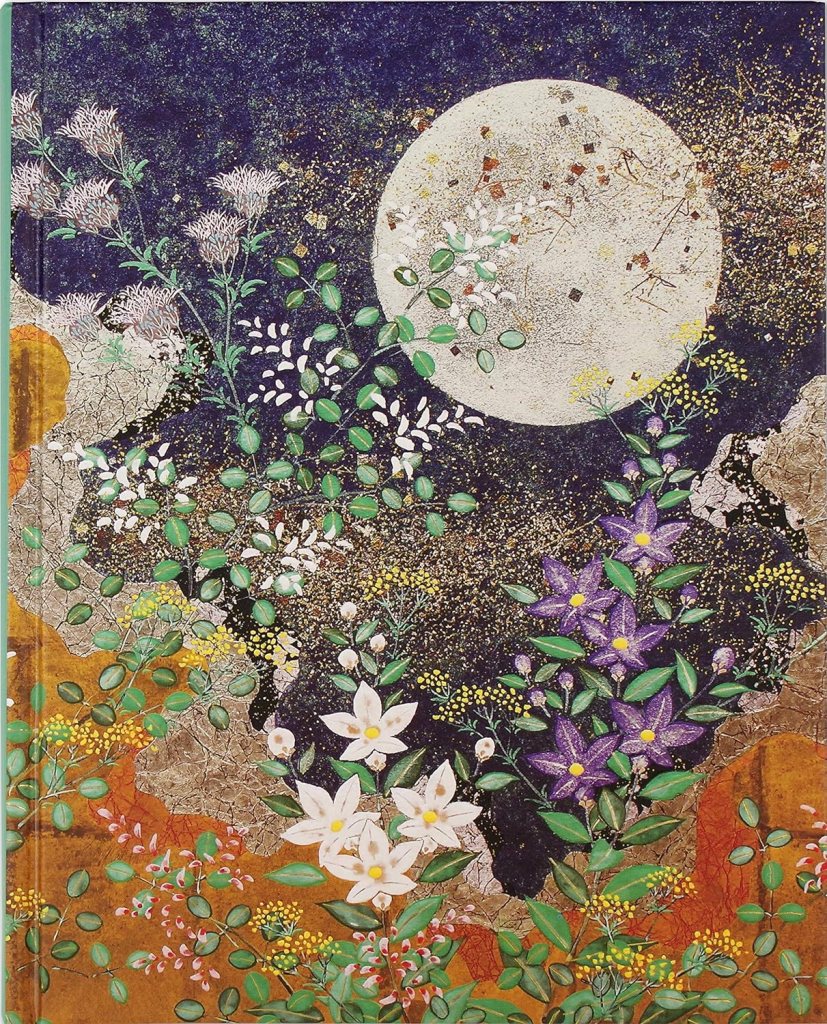
Peter Pauper Press Full Moon Notebook

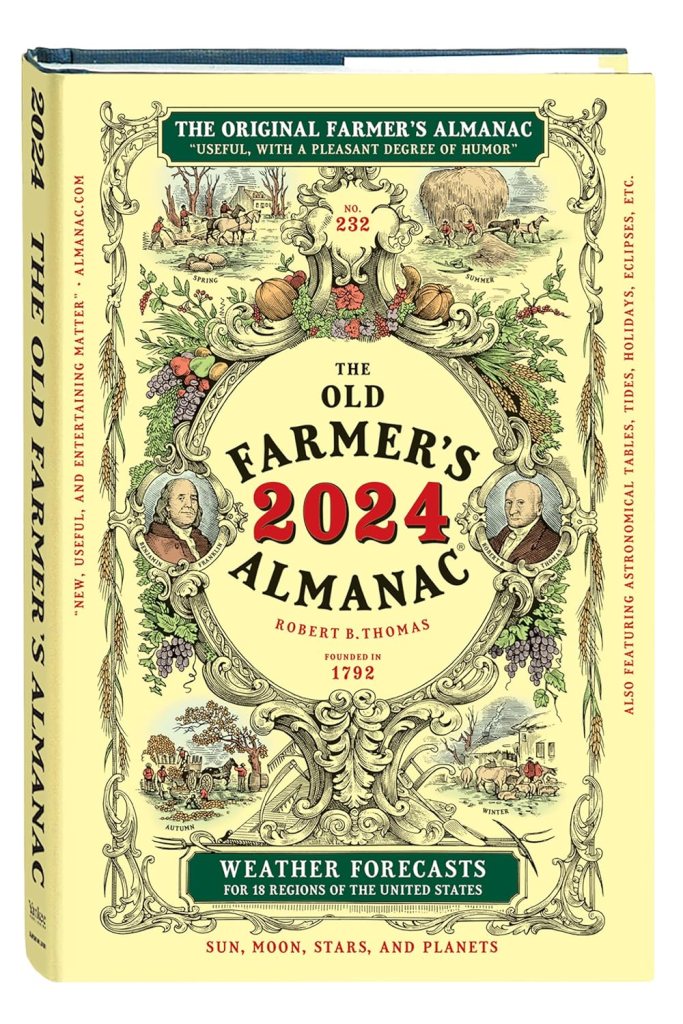
The 2024 Old Farmers Almanac

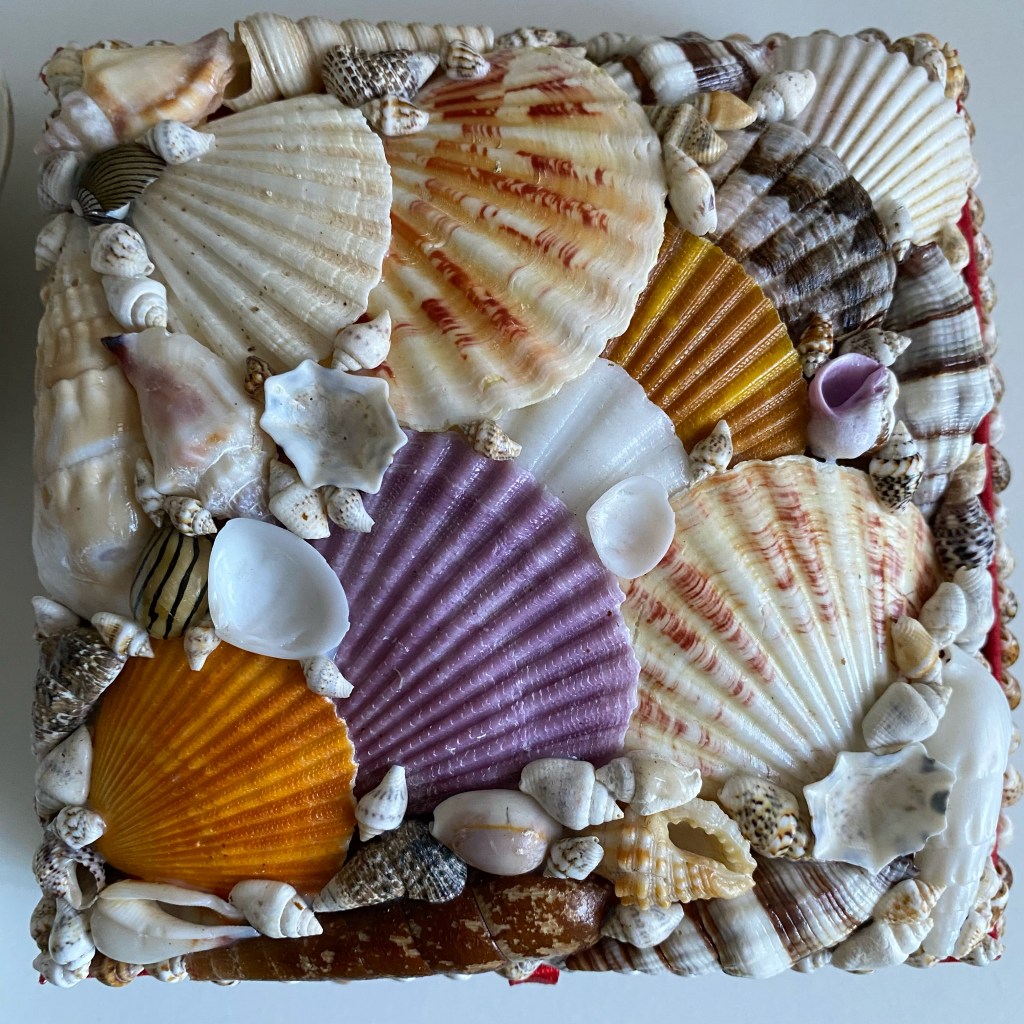
Seashells: from The Shell Cellar in San Francisco — a reminder of the magic of nature

Lenovo ThinkPlus Bluetooth Headphones: these also double as fantastic ear muffs

The Secret Manifestation Cards: believe each day is a gift and embrace it!

Parima Jewelry Box: store all of your treasures nicely

Berricle Jewelry: Berricle specializes in affordable luxury jewelry with beautiful Art Deco designs at affordable prices

Board Games – Unique Americana

Board games are a uniquely American past time. Especially when considering the largest historical producers of board games such as Milton Bradley and the Parker Brothers shaped the pretext of which games would evolve into behemoth name brands that we know today. Most households have at least one of these board games. These large companies (which have since evolved and become part of other corporations – for example, Milton Bradley Company merged with Hasbro, and Parker Brothers did as well). The most popular board games would certainly be Monopoly, Scrabble, Yahtzee, Clue, and Life.

Each of these well known board games are unique in how they suggest a premise to the players. For example, Monopoly has been studied by UC Berkeley social psychologist, Paul Piff, for the psychology of wealth, where the premise of the Monopoly game is based on being a rigged game from the outset – as one winner will always have the upper hand throughout the game itself, and how this influences and generates a sense of entitlement in the players who are winning. He spoke already in 2013 about the detriments of this sort of mindset at TEDxMarin. Now, 10 years later, his study seems to ring true more than ever. Most importantly, while his study has wide ranging implications, I do think a sense of awareness from the most fortunate for recognizing how opportunity is not as free flowing for all, is essential for making choices which do the most good for all.

This does not mean you should not go about enjoying a good game of Monopoly of course, but it is fascinating to consider the ways in which board games shape some conceptions of how we maneuver life – especially during formative years, and when learning how to experience game playing. This is integral for sportsmanship and moral behaviors around fairness and, simply, understanding that it is only a game. Character certainly transcends the outcomes of a game and this is important to teach early on. These behaviors can transpire later in life.

Aside from behaviors related to playing board games and how we might craft our notions of “winning,” early on, there are many great attributes for board game culture in general. Here is a brief overview of both Milton Bradley and Parker Brothers.

  • Milton Bradley was born in 1836 and is credited with launching the board game industry. He grew up working class and started his business in Springfield, Massachusetts in 1860, launching an early version of the board game, The Game of Life
  • Prior to this first game, he tried to launch a game called “Mansion of Happiness,” and it was based on the ideas of moral virtues
  • Games that would later come from Milton Bradley would be the infamous Candy Land and Operation. Candy Land was created in 1948 in San Diego by Eleanor Abbott, who was recovering from polio. The game was made for children in hospitals. To me, Candy Land is uniquely American, not only for its emphasis on sugary treats, but the idea that we can focus on goodness in times of great challenge
  • Milton Bradley was the first to produce crayon kits with standard colors, which was a precursor to Crayola
  • Parker Brothers was started by George Swinnerton Parker in 1883. He deviated from the ideal that games were about morality and believed games should just be about fun
  • Among the Parker Brothers hits are Monopoly, Clue, Sorry!, Risk, and Scrabble
  • Parker’s first game was created in Salem, MA and called Banking. He created it in 1883 at age 16
  • Monopoly was created by Charles Darrow (who created a variation of Liz Magie’s The Landlord’s Game) and Parker Brothers bought the rights to the game from him. It was released during the Great Depression in 1935. This game was released during a time where money could not have been more defining for Americans. Darrow became the first millionaire game designer in history
The Parker Brothers

Ultimately, board games are to be enjoyed in whichever style you choose to play. Now, there are plenty of versions and spinoffs that are specialized for your taste from Disney or other fandoms. They are always a great staple and their history is even more fascinating than one might think.

Sources: Wikipedia – Parker Brothers & Milton Bradley

The Penultimate Glamour of Lauren Bacall

Lauren Bacall is an icon in the Golden Age of Hollywood. Alongside names like Marilyn Monroe and Bettie Grable, she climbed the heights of Hollywood’s most fascinating era. Born Betty Joan Perske on September 16, 1924 in The Bronx, New York, Bacall was born to Jewish parents who divorced when she was five years old. While studying at the American Academy of Dramatic Arts in New York, she dated her classmate, Kirk Douglas. She made her debut on Broadway at the age of 17 in 1942. She was also a fashion model and modeled for Vogue and Harper’s Bazaar. She took challenging voice lessons to deepen her voice as well, which were straining.

Bacall is perhaps best known for her iconic marriage to fellow actor, Humphrey Bogart. There may never be a more glamorous Hollywood couple than “Bogie and Bacall.” The leading lady met him when he was already 45 and a well known actor, especially for starring in the 1942 classic Casablanca with Ingrid Bergman. Bacall was only 20 years old at the time of their meeting in 1944. They married on May 21, 1945 and stayed married until he died in 1957. They acted in films together and became close collaborators in their work as well – making a total of four films together, such as 1944’s To Have and Have Not.

After Bogart’s death in 1957 from esophageal cancer, she began a relationship with Frank Sinatra that same year, when Bacall was 33 years old. In her memoir, she stated that Sinatra proposed to her, but later ended the relationship because their engagement went to the press and he thought she leaked it, but did not. Sinatra only found out years later that it was not Bacall who had leaked it to the press. Bacall’s life was filled with fascinating facts of a bygone era which is still fascinating so many decades later. It is interesting to note that biographers speculate that Frank Sinatra had a relationship with Marilyn Monroe most likely in the last couple years of her life. Sinatra, an icon himself, was an intriguing recurring character in the lives of Hollywood’s elite, notably also romantically linked to other Hollywood icons such as Ava Gardner and Lana Turner at different points in time. Iconic leading ladies during this time learned to maneuver complex relationship dynamics to say the least.

Undoubtedly, Bacall’s allure stems from her smoldering gaze, which became her signature trademark in Hollywood, in the same way that Marilyn Monroe perfected looking effortlessly aloof. Ironically, Bacall’s signature gaze stemmed from having a deep insecurity during her first time filming with Bogart – she was lighting a cigarette for a film take and trembling quite a bit. She realized that keeping her head cast down helped her nervousness and then she’d look up with her head still cast downward. This become known as “The Look,” something that Bacall would do so often in her film career.

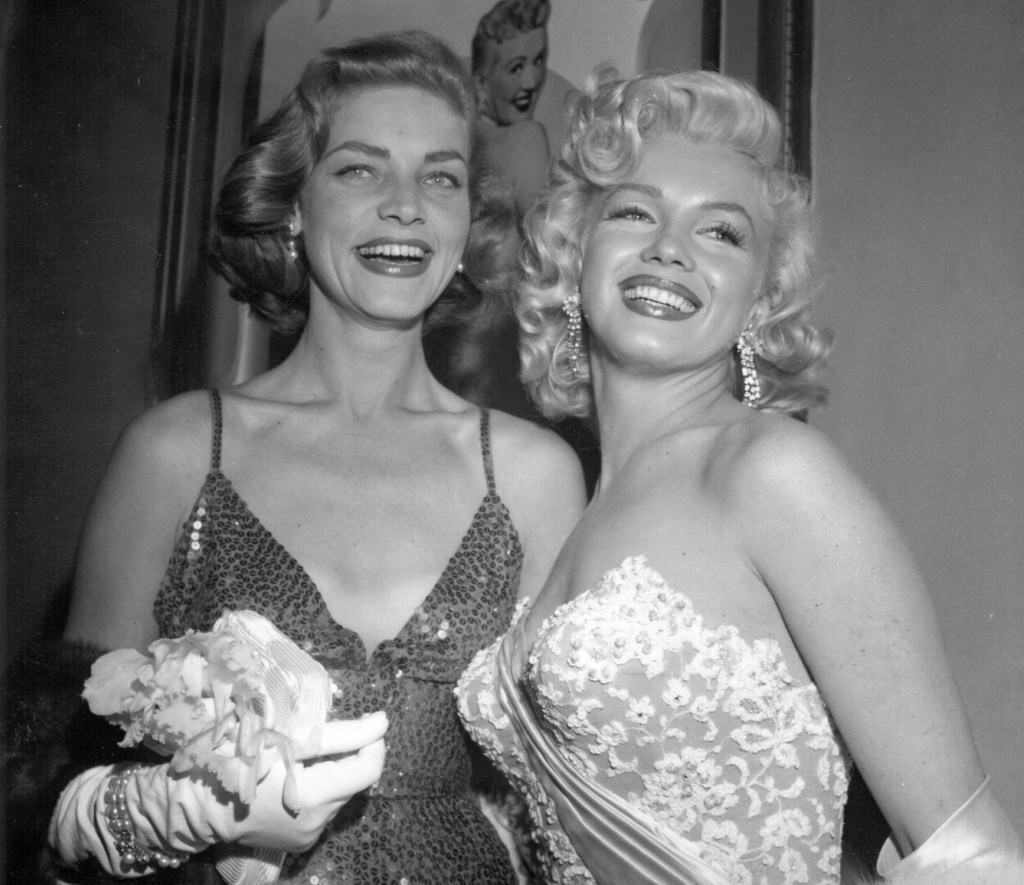
One of Bacall’s most iconic films is 1953’s How To Marry A Millionaire, alongside Marilyn Monroe and Betty Grable. That film grossed $8 million in profits for the time and was the fourth most watched film of 1953. In comparison, Marilyn’s other film, Gentlemen Prefer Blondes was seventh most watched that year. Both films are aesthetically iconic, but Gentlemen Prefer Blondes is most likely the most iconic film of Marilyn’s career. Nonetheless, Lauren Bacall will be remembered as one of the iconic women of Golden Age Hollywood, perhaps best described by her unique and stylish way of conveying her personality on the screen, and all of the work she put into cultivating that persona.

LOS ANGELES – NOVEMBER 4: Actors Marilyn Monroe, Lauren Bacall and Humphrey Bogart attend the premiere of the movie “How To Marry A Millionaire” with a guest on November 4, 1953 in Los Angeles, California. (Photo by Earl Leaf/Michael Ochs Archives/Getty Images)

The Inspired Designs of Bob Mackie

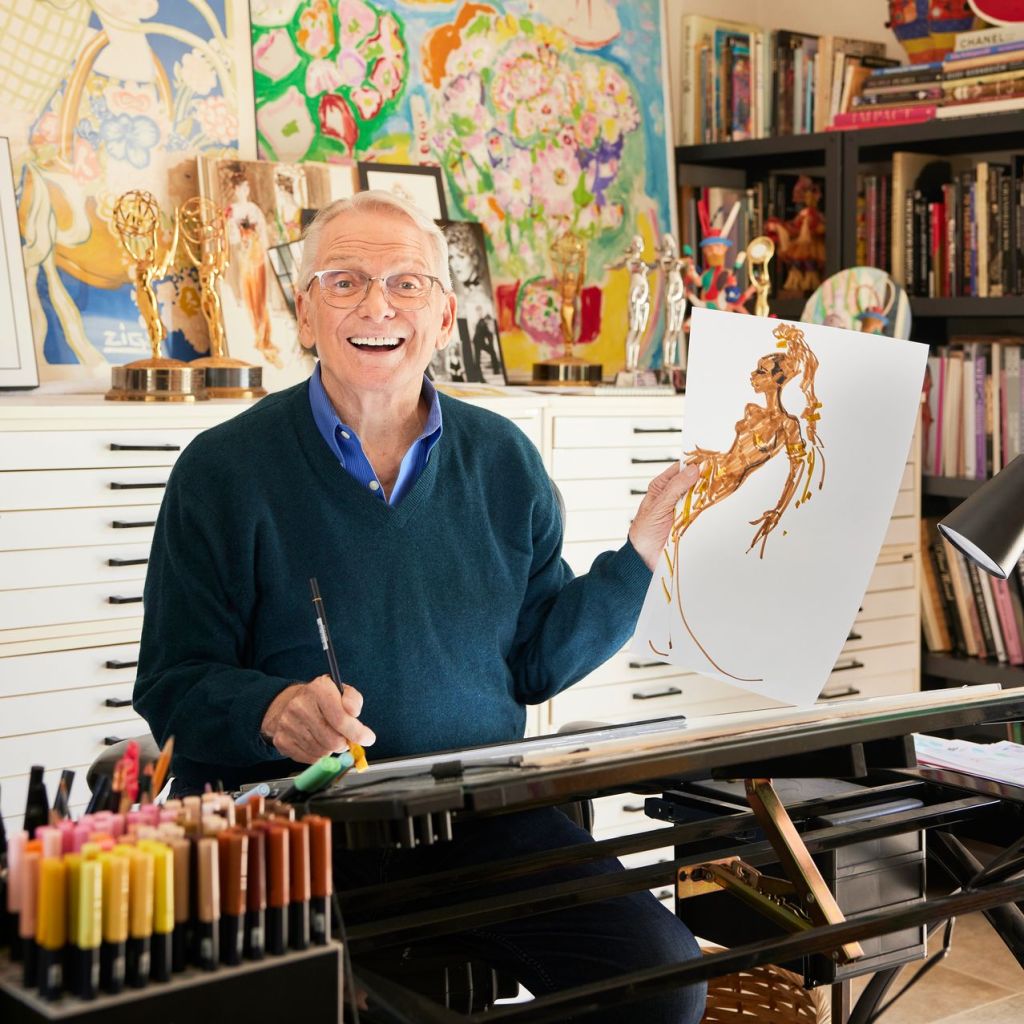
NEW YORK, NEW YORK – MAY 06: Bob Mackie attends The 2019 Met Gala Celebrating Camp: Notes on Fashion at Metropolitan Museum of Art on May 06, 2019 in New York City. (Photo by Theo Wargo/WireImage)

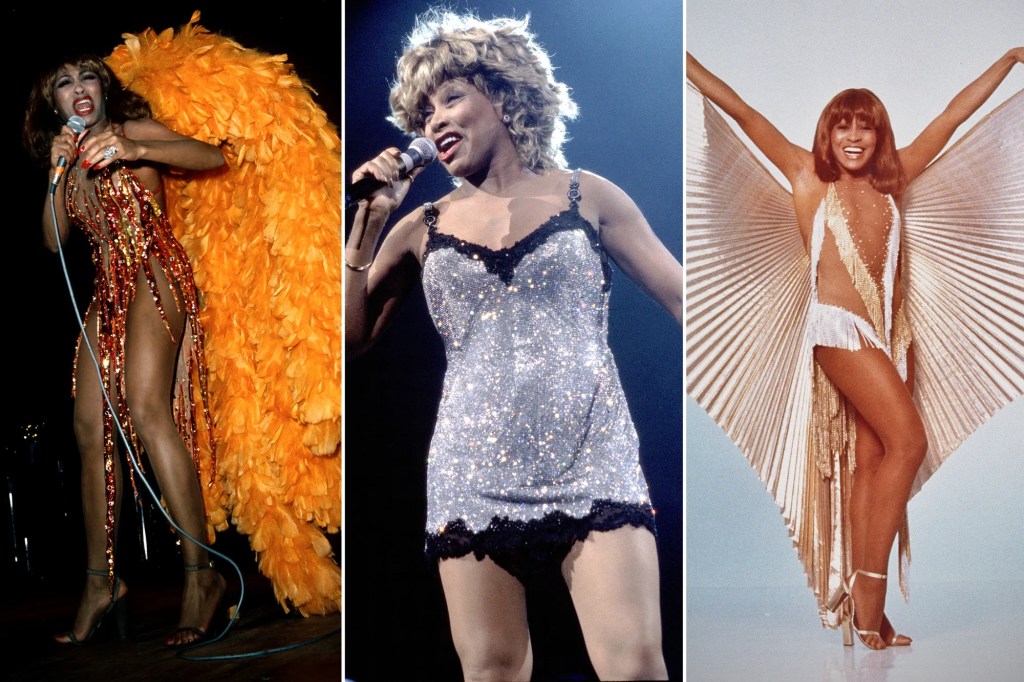
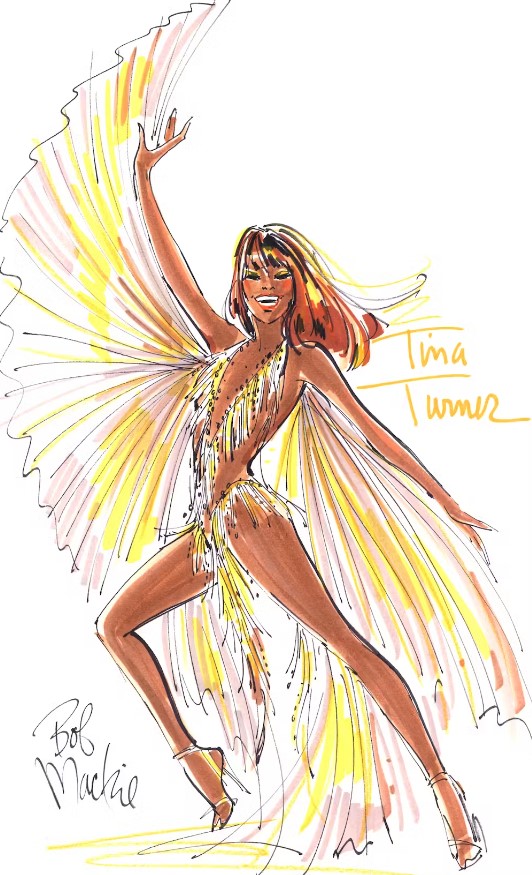
An iconic designer, yet lesser known, Bob Mackie, has designed for countless Hollywood icons. Mr. Mackie is known for designing costumes for Hollywood icons such as Marilyn Monroe, Judy Garland, Lucille Ball, Marlene Dietrich, Cher, Bette Midler, Barbara Streisand, and Tina Turner, to name a few. His designs hold glamour and burlesque at their core and his designs have won him many accolades, including nine Primetime Emmy nominations, a Tony Award, and an Academy Award for Best Costume Design. Born in Monterey Park, CA in 1939, his father worked for Bank of America. He was raised by his maternal grandparents due to his parents’ divorce and it was during college that he began pursuing a career in fashion design. Now aged 83, Mr. Mackie sells art, jewelry, and luggage bearing his designs on his website.

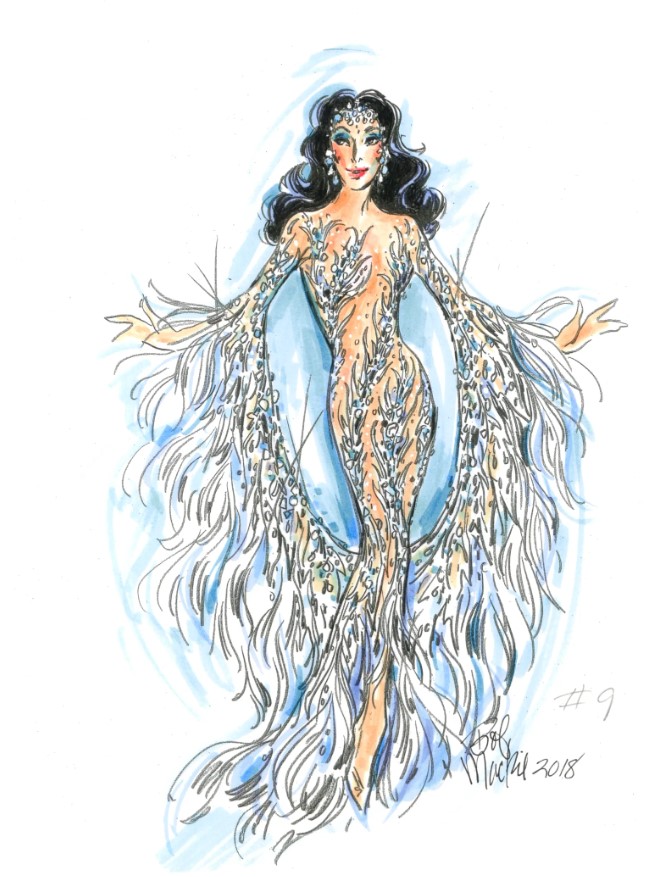
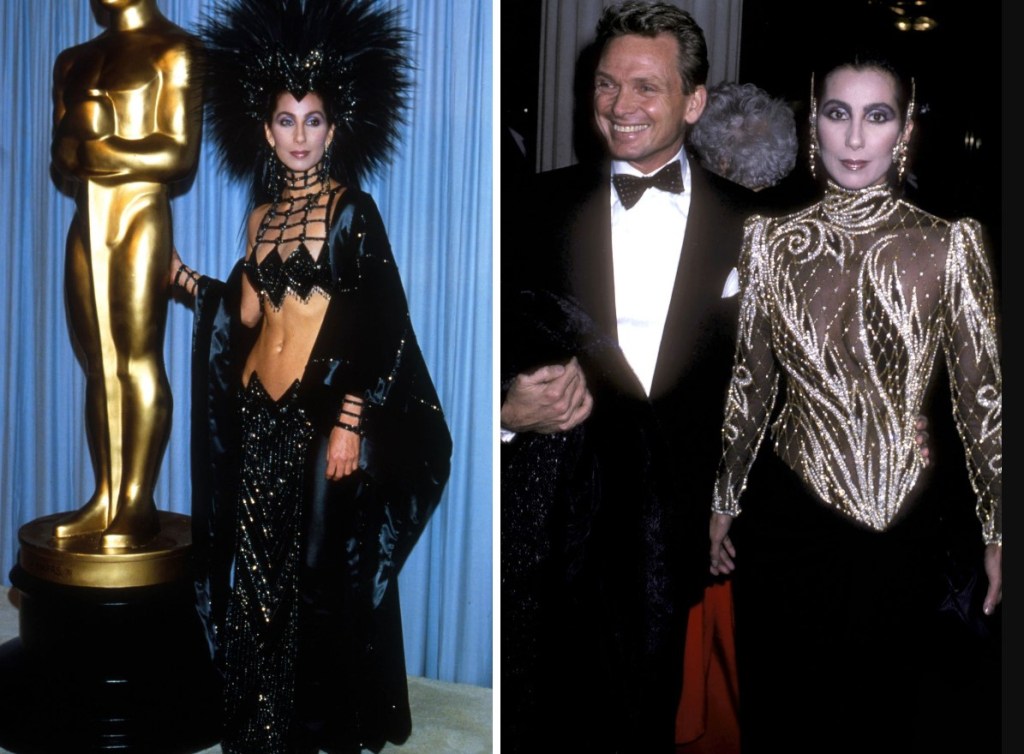
Mr. Mackie has a lengthy career in fashion. This was undoubtedly an early passion in his life. In 1961, he began designing at Paramount Pictures. One of his first assignments was designing the gown worn by Marilyn Monroe at JFK’s birthday celebration, singing “Happy Birthday, Mr. President.” The gown is likely one of the most controversial and iconic gowns in American history at this point, and it was designed so early into his career! The gown worn at JFK’s Madison Square Garden event is one that is inextricably tied to the history of Hollywood. Bob Mackie holds a strong role in the formation of our conceptions of Hollywood and red carpet glamour. Perhaps this is best shown by his most contemporary work crafting designs for Cher. Some of her most incredible costumes were designed by him!

Mr. Mackie also designed costumes for Diana Ross and The Temptations in 1969. These were nominated for an Academy Award. His designs translate smoothly from the red carpet to the stage because they are inherently focused on a performance oriented mindset, which holds “wow!” at its core. He also designed costumes for Las Vegas burlesque shows during his long career. His design drawings are on showcase at the UNLV (University of Las Vegas) library. It would be fantastic to see more performers embrace the costume interpretation of glamour again that Bob Mackie helped craft so powerfully. Hollywood would appear much less glamorous had Mackie’s designs not been used on the red carpet and in musical performances.

To me, it is rather surprising that Bob Mackie is a lesser known name in mainstream fashion. However, I think this might be due to the fact that his work was not geared towards “ready to wear,” which would entail that shoppers would be purchasing the designs. Since this was not the case, his designs were geared towards the imagery of Hollywood performance as we have become accustomed to. Bob Mackie is an incredible icon for Hollywood fashion and he deserves all of the accolades and attention related to the iconic women he has dressed!

Source: Wikipedia

Mermaid Theories: Summer 2023

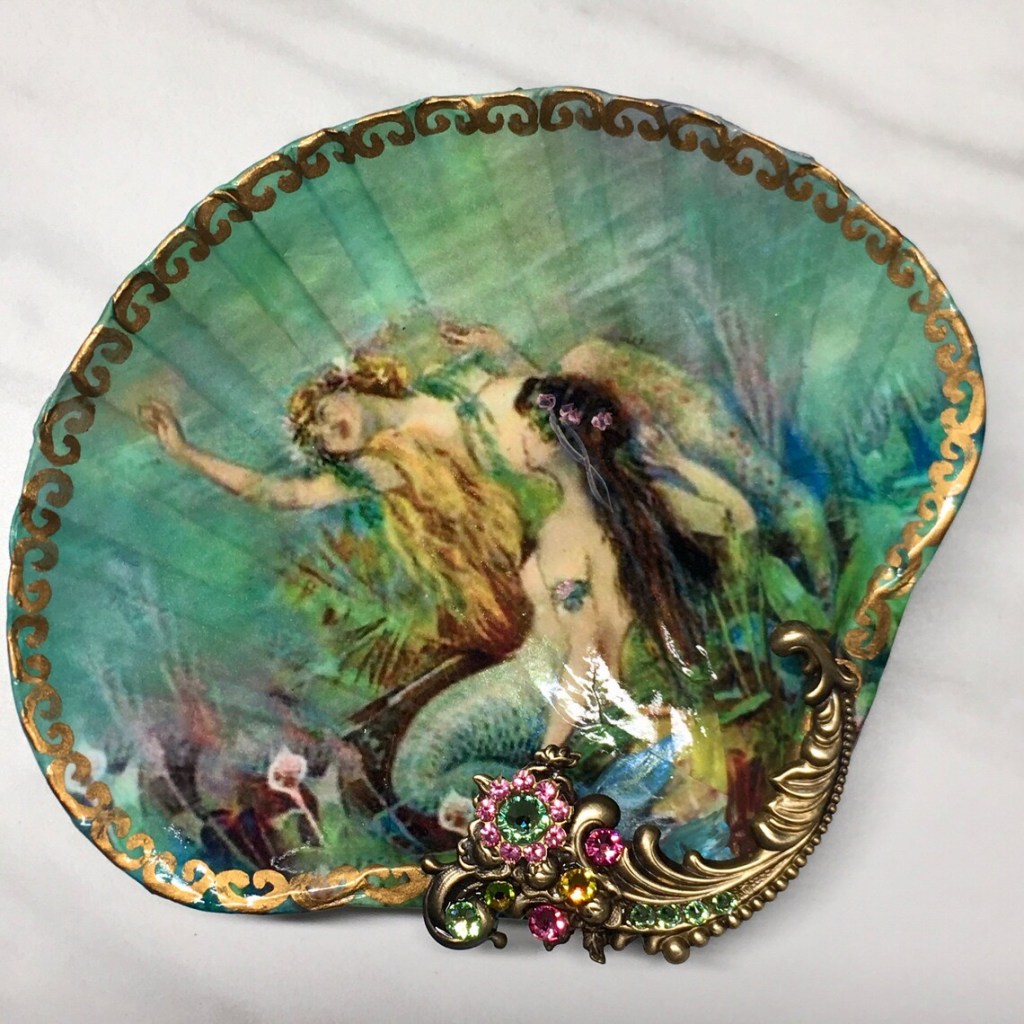
Undoubtedly, this summer is defined by the mermaid. The variety of styles surrounding mermaid culture is fascinating – especially when you integrate a few concepts into your accessories or wardrobe. If you have an interest in this style, you can truly make it your own, at any price point. However you choose to integrate it into your wardrobe is entirely up to you! This first begins with recognizing the type of shells you are interested in and thinking about which color schemes speak to you as well. For example, combining aquamarines with lavenders and purples is always a great match. The same goes for shades of green, teal, and yellow. You cannot ever go wrong with one pop of color and a statement piece that is reminiscent of the mer-world in your wardrobe. Color is an ideal wardrobe choice. I have not been a fan of the “neutrals only” fashion palette that has been dominant in the fashion industry, including in the makeup industry. I think vibrant colors exist for a reason. Life is full of colors, so please pick a bright color or more than one!

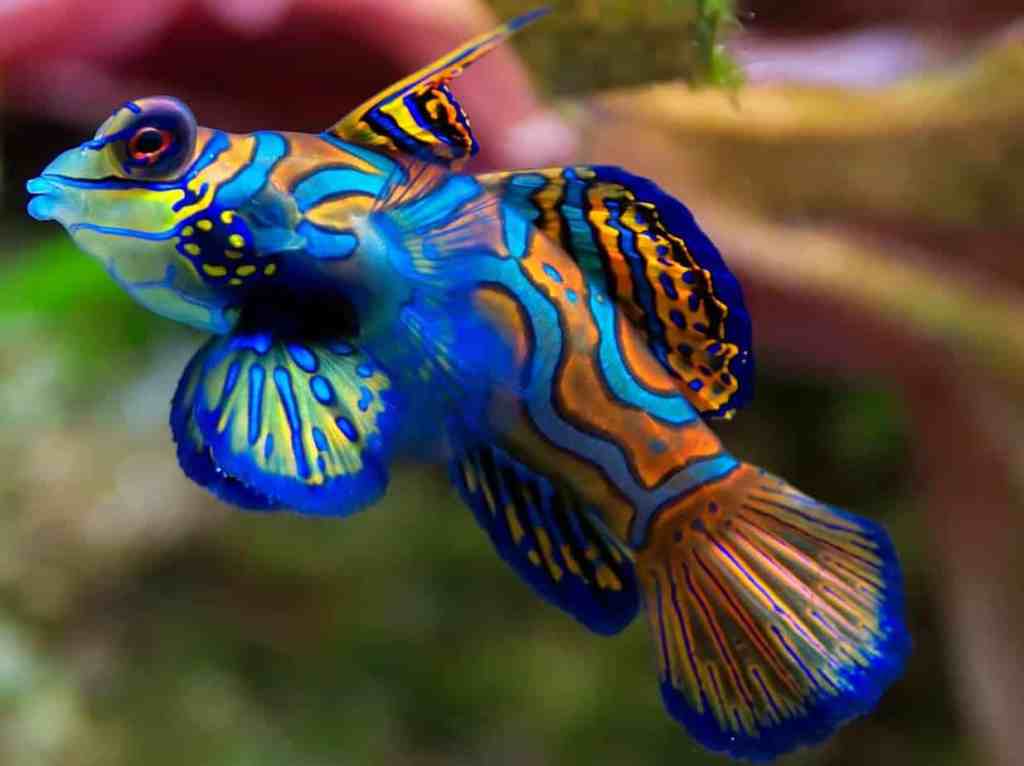
There are many ways to embrace “mer-style,” and you can be inspired by the beauty of the ocean itself. If you decide to find one or two accessories to spruce up your wardrobe (the plumeria hair claws that have been trending are a great option), then you can be reminded of your interests for the water and the relaxing calm that water can bring. Simply googling the color schemes of exotic fish is inspiring in of itself! The Mandarin Fish has such deep shades of royal blue, orange, and yellow in it! The shades go together so magnificently.

Nature is tremendously beautiful and we need to cherish every aspect of it. As the world moves forward from the COVID-19 pandemic, and as we have survived a pandemic, we can think about embracing the whimsy of fairytales as a critical way to inspire imaginations and innovations. I will be blogging soon about how to reduce your own carbon emissions and thinking about how living a more sustainable lifestyle is the path forward to a more sustainable planet.

In rosiness,

Bianca

The Nautilus: A Spiral of the Universe

“The whole universe is based on rhythms. Everything happens in circles, in spirals.” ~ John Hartford

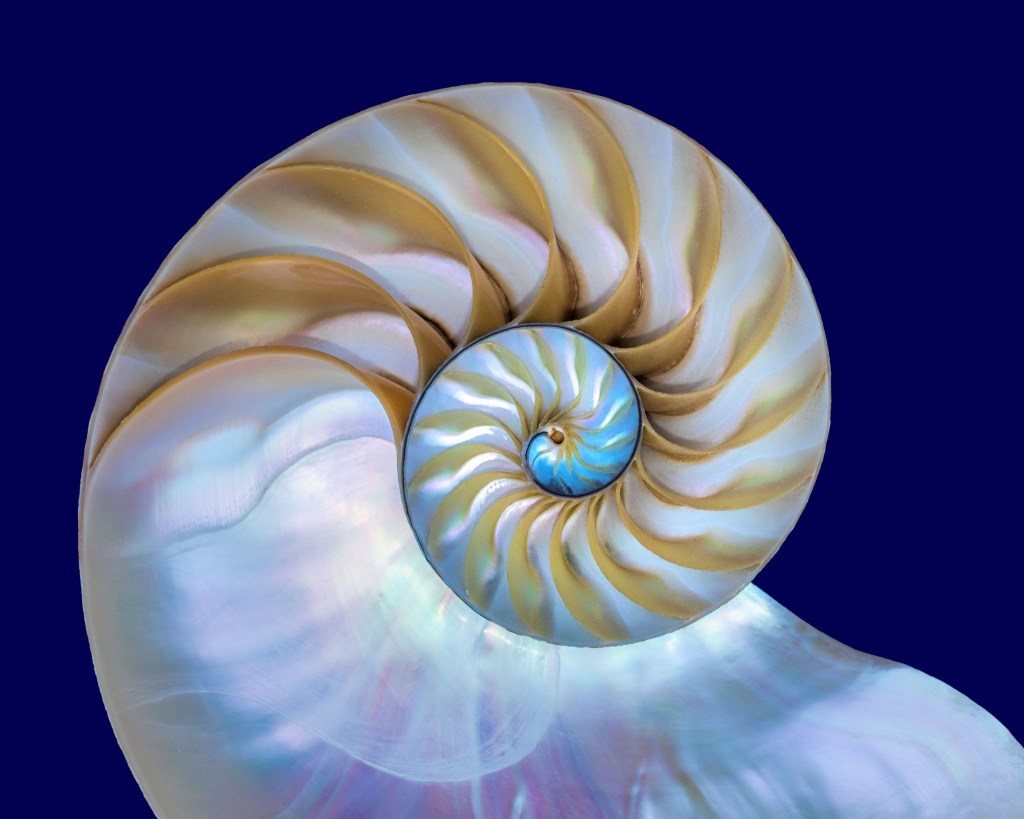
The chambered nautilus shell is an important symbol of the universe. The spiral, in all its forms, is the “natural pattern of the impulse of all form and the trajectory of the movement of life” according to Robert Edward Grant. Life gives us lessons and we can observe these lessons through patterns. The spiral symbol also enables us to consider how essential movement is to the universe. We do not stagnate, we are not meant for a state of stagnation. We are meant for movement, just like how the ocean never stops moving. We, of course, need rest as humans, but the truth of movement is essential to our lives. Cultivating an intentionality around exploring the state of spirals and movement is indeed one that can make us ponder how spirals, patterns, and movement are the natural state of life.

From an aesthetic perspective, it is deeply intriguing how the nautilus shell, in particular, is a symbol of the universe. The nautilus shell is seen as an image of order amidst chaos due to its beautiful fractal spiral inside the shell. This is understood as the Fibonacci spiral. According to CNET, “the golden spiral is based on the golden ratio. Symbolised by the character φ (Phi), it’s found when a line is split in such a way that the larger part divided by the smaller part is equal to the whole part divided by the larger part — a ratio of (rounded) 1.618. The Fibonacci sequence is a series of numbers where the ratio of successive numbers is very close to the golden ratio.” This was discovered by the Italian mathematician, Leonard Pisano Fibonacci, of Pisa.

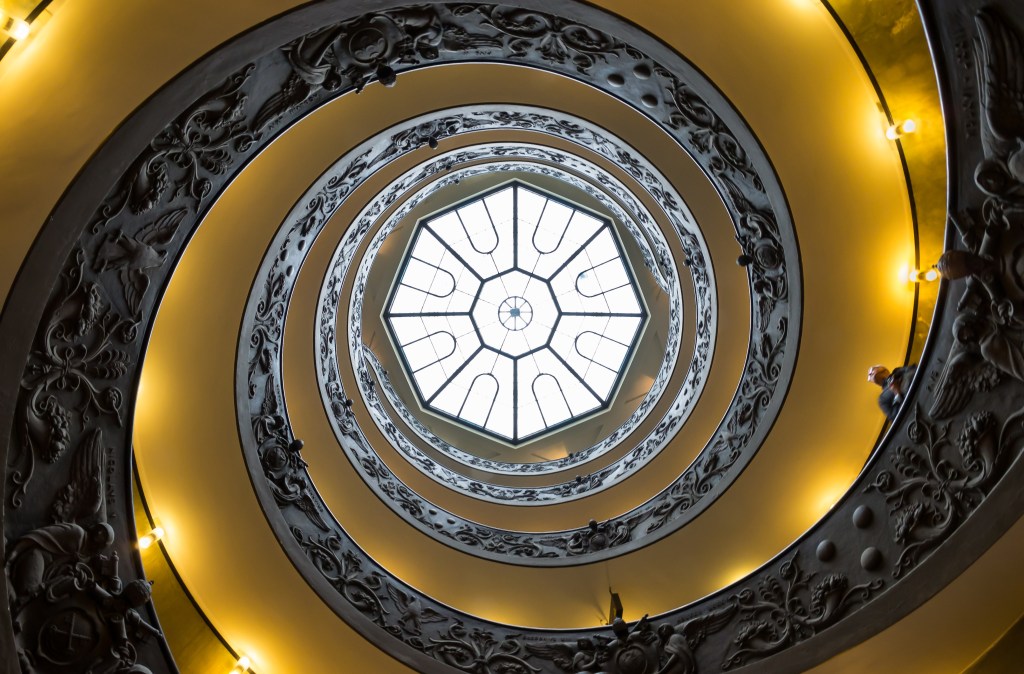
The spiral holds spiritual depth as well as its occurrences in nature. The Vatican has a spiral staircase, the famous Bramante Staircase. This is an intriguing example of the deeper spiritual connection that spirals hold for us. Sacred geometry is a vast topic which studies the connections between shapes and the universe. The original stairs were built in 1505, with an updated version built in 1932. It is not open to the public and the staircase was built to allow Pope Julius to enter his private residence while still in his carriage. Undoubtedly, it is an aesthetic achievement and great example of how spirals transpire from nature to the creations of humanity.

Spirals occur in all sorts in the entire universe! Perhaps the most intriguing spiral of all is that the universe’s shape itself is a spiral. Everything truly is interconnected and there are reflections of the same, in different forms, over and over again. Hopefully this revelation reminds us to recognize that we have far more in common across the board than we may realize. Believing in commonality can also lead to tolerance. Additionally, studying math beyond the “rules” or “purpose” of how we are taught math in school (or at least how math is taught in the U.S.) may needed to be re-evaluated for the philosophy of how it is first presented. There is a vital process for understanding how the answers of the universe may be right in front of our eyes. We cannot overlook how there are opportunities to opening a fantastic aperture for embracing the complexity of the universe for everyone. We are all part of the same universe.

Reflections on the Emerald City & Main Street, USA

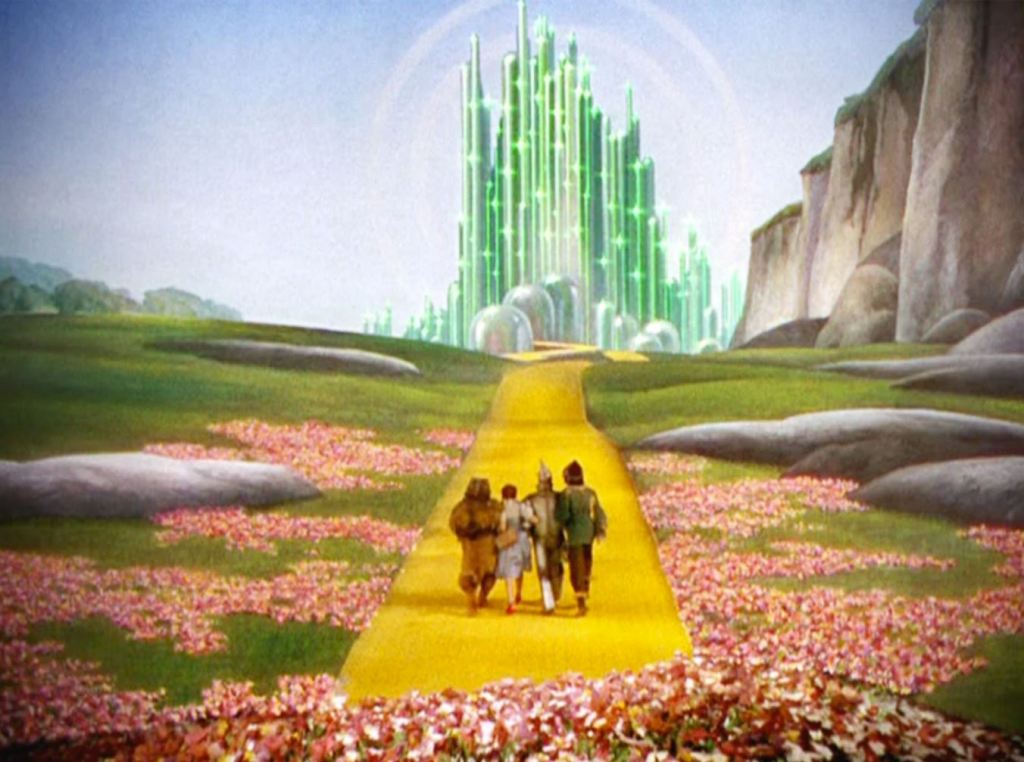
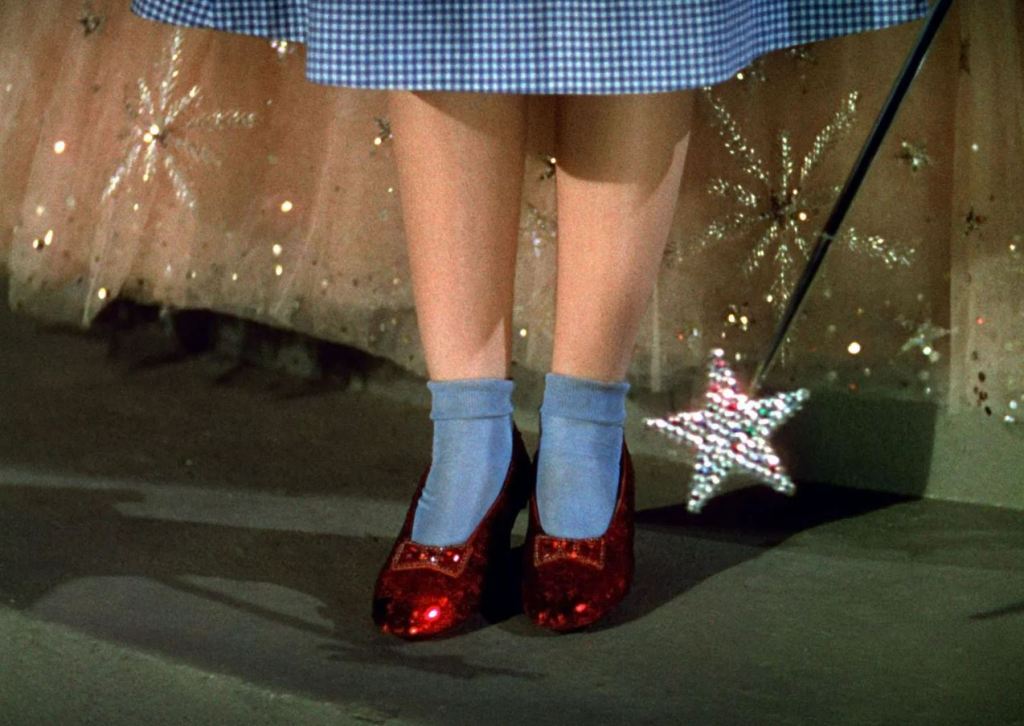
Two undeniable symbols of the American Dream to me are the Emerald City in The Wizard of Oz and Main Street at Disneyland. One appears as a simple, regular street (and where you enter at Disneyland), and the other is the end scape of the mythical yellow brick road in the 1939 classic film, The Wizard of Oz. Something fascinating about the two metaphors is that these places have mythologies attached to them, and overlapping mythologies at that. These include the American Dream and how you can consider what that might mean for this country and for you. There are two significant differences between the Emerald City and Main Street – the Emerald City is a glittering end point of perfection, and also a beginning of some mythological wonder of ‘getting there’ – which is where the American Dream exists. Another famous green symbol in film and literature is the green light in F. Scott Fitzgerald’s The Great Gatsby. This an oft explored literary symbol and can be interpreted in numerous ways. For the purposes of my analysis here, I do think that the greenness of the Emerald City and the green light of The Great Gatsby, both images illustrate a yearning that is fundamental to achieving your conception of the American Dream. There is so much room to dream.

Notably, the American Dream needs a yearning within it for it to inherently operate. The source of the desire could be material for some, but in reality, my idea around the American Dream is rooted in a certain measurements of fiscal stability, as well as a healthy, active civil society. Surveys of the public have shown this as well. The American Dream can have connotations of greed, but more importantly, the American Dream is illustrated by an opportunity for economic stability and social mobility. As for Main Street, I am especially fascinated with the idea that this is an “average town street,” where “anything can happen” and “anyone can make it happen” for the sake of achieving your dreams. The street, by design, is based on the town of Marceline, Missouri, that Walt Disney grew up in, as well as Fort Collins, Colorado. I am truly fascinated that both The Wizard of Oz is set in Kansas, and Main Street originates in the Midwestern town Walt was from.

The color green has numerous meanings that we associate alongside it – in The Wizard of Oz, there is a clear monetary association to it. In the original novella, L. Frank Baum made Dorothy’s shoes silver. The shoes changed to a glittering ruby red to show more vividly in the film. The yellow brick road is intended to symbolize gold and the shoes originally being silver sent a clear message about the bimetal monetary standard value. This was incredibly important in the time that it was written, in terms of valuing currency. Additionally, the characters are also political representations of the landscape of America at the time the book was written. The Scarecrow represents American farmers; the Tin Man represents America’s steel industry failure to combat international competition; the Cowardly Lion as a metaphor for America’s military performance in the Spanish-American war. (Wikipedia). The construction of the image of the Emerald City in the story is by no accident at all.

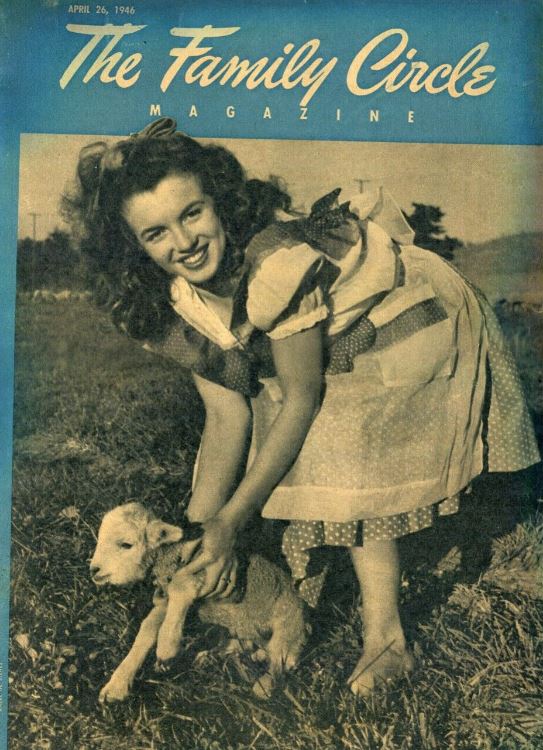
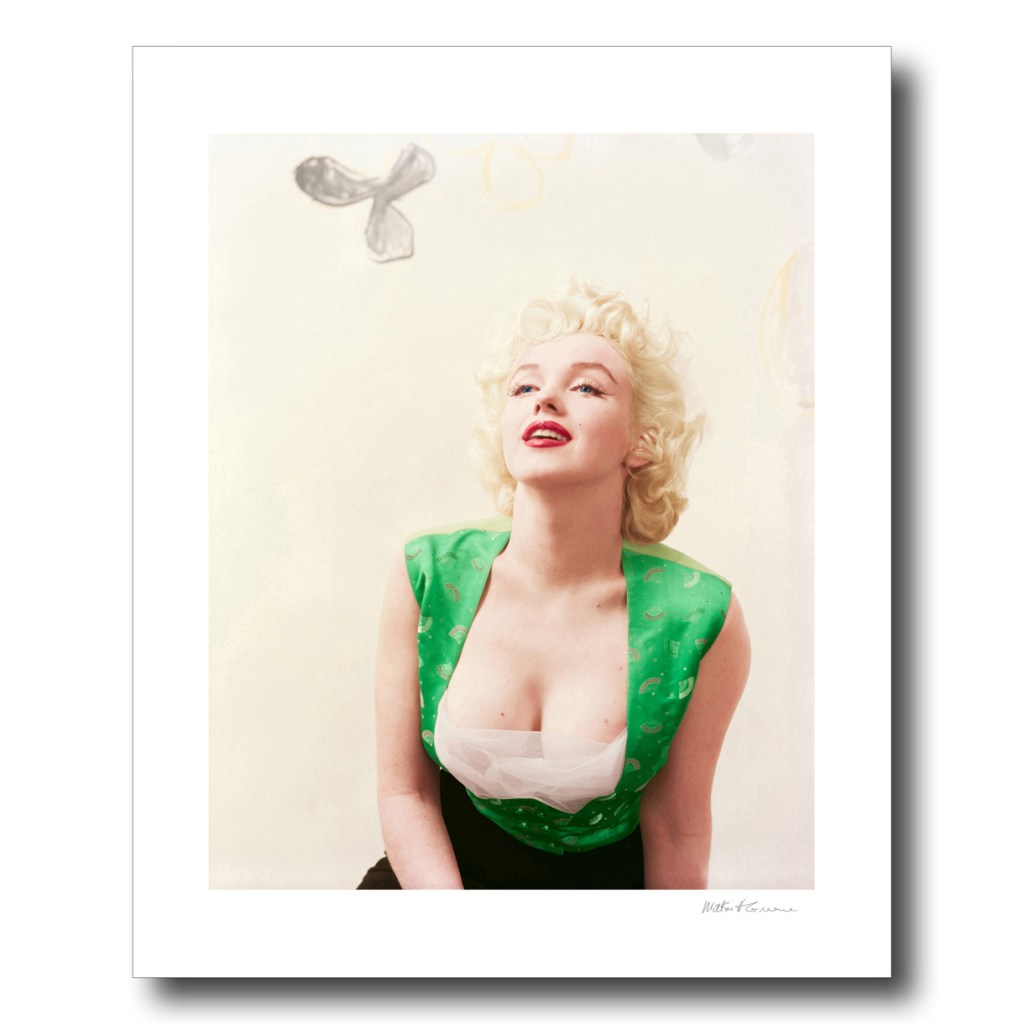
Beyond the Emerald City, there are people who embody the American Dream. Marilyn Monroe is one such example. She famously had a deep passion for the color green. Additionally, the first national magazine cover in 1946, she was on had her dressed in a Dorothy costume from The Wizard of Oz holding a lamb… how ironic – for Marilyn’s first magazine cover to be her petting a lamb! Little did she know the lion that Hollywood would be to her. Marilyn had emerald colored clothing and jewelry, which was clearly because she loved the color. The Emerald City mythology undoubtedly impacted her (she watched films for hours as a child at movie houses), as it was the most famous movie in Hollywood when she was growing up – Norma Jean was 13 when the film came out). Marilyn, later into her career, owned almost no real diamonds and owned mostly costume jewelry. She did not accumulate much wealth at the end of her life because she was so incredibly generous with those around her, to her own demise perhaps.

The irony of Marilyn’s American Dream was achieving mythology status in our culture without the monetary intensity we might associate with such level of fame. More importantly, building her fame included owning her story of how she had endured poverty and economic hardship early in her life and sharing that with the public. The American public embraced her for it because it is an all too familiar narrative in this country unfortunately. Her first husband, Jim, notes how he lived in a tent with his family during the Great Depression and was never ashamed of this. This kind of poverty was all too normal. The American Dream largely includes arising from economic hardship and helping others.

I am a proud American. I believe in the various merits of the American Dream. I believe I have the opportunity to pay it forward because of the opportunities I have received and the hard work I have put forth to grow in my career and achieving an education. I seek to continue my own American Dream. I do believe part of this foundation is a strong support system. This system is one that we can all work on creating for ourselves when we pursue our dreams. I also believe that abundance must be shared. Greed is sometimes associated with the color green, and it’s important to remember that sharing is caring and generosity comes in many forms.

Green also is associated with life itself; connecting green to nature is more important for me than it is to monetary value. If generosity is not in a monetary form, it can come in the form of kindness and sincerity for your neighbor – maintaining a general attitude of generosity leads to abundance of all kinds, I believe. In my opinion, the true nature of all our spirits contains love and love can be shared all around in a multitude of ways! Looking toward one another for love, hope, and support is deeply human – to see and be seen for how we experience the trials we experience in this life and for regarding one another with respect because of it. As this country faces economic hardship, the losses that have been brought on by a global pandemic, and the current and future climate challenges we all face, we must believe in our own vitality and the power of humanity for it.

Taken at his studio on 480 Lexington he shared with Marty Baumen, Milton Greene photographs Marilyn Monroe sitting on a stool in a black skirt and green vest. Some cut out flowers sprinkle the back wall creating a simple background.

The American Dream is yours and as much as it is mine