Sacred Softness: Feminine Energy as Resistance

Why emotion and gentleness are radical in a world obsessed with control

There’s a quiet revolution happening—not with fists raised or voices shouting, but with soft hands and open hearts. It’s the kind of resistance that doesn’t demand attention but changes everything. It’s the revolution of sacred softness.

In a culture that prizes productivity over presence, sarcasm over sincerity, and hustle over healing, choosing to lead with your femininity—your intuitive, emotional, gentlest self—is a bold act of rebellion. This is more than an aesthetic (though yes, you can wear plenty of blush and lace while doing it). It’s about reclaiming the divine power that comes from within when you choose tenderness in a world hardened by fear.

💗 Softness is not weakness—it’s wisdom.

Our society teaches us that strength looks like armor; that to be taken seriously, you must dull your sparkle, shrink your feelings, and “keep it together.” But sacred femininity teaches something else: vulnerability is strength, intuition is intelligence, and grace is power. The Blessed Virgin Mary, as a symbol, didn’t achieve power through force—she changed the world through her devotion and sacred presence. That is holy softness. I like to think about how the water eroding a rock is more powerful than the rock itself, and it’s the softness of the water’s movement which does this.

🌙 Emotionality is sacred technology.

Your emotions aren’t flaws to fix. They are signals—divine information flowing through your spirit. In embracing emotional depth, we tune into truth beyond logic. We begin to trust that crying can be cleansing, rest is productive, and saying “I feel…” is just as important as “I think…”

This is spiritual intelligence. It’s what guides you back to what’s real and aligned. In a world that glorifies numbness, to feel is truly a sacred act.

🕊️ Grace is a spiritual strength.

When you choose grace over gossip, patience over proving, or kindness over control, you are creating space for love as a way of being. Grace naturally softens others. It creates sanctuary. And in today’s world—where everyone is fighting to be heard—offering a pause or a gentle look is resistance.

Grace doesn’t mean you let yourself be walked over. It means you know your worth so deeply that you don’t need to demand it. Your presence, your peace, your elegance—these things do the talking for you.

🌹 The Rosy Rebellion

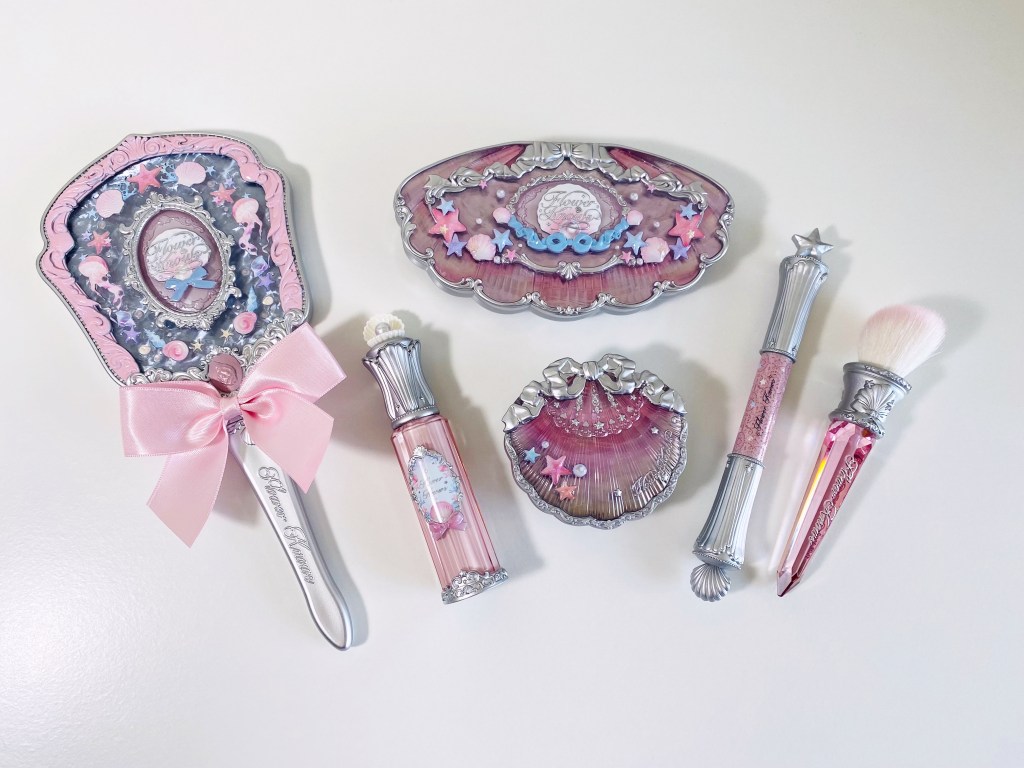
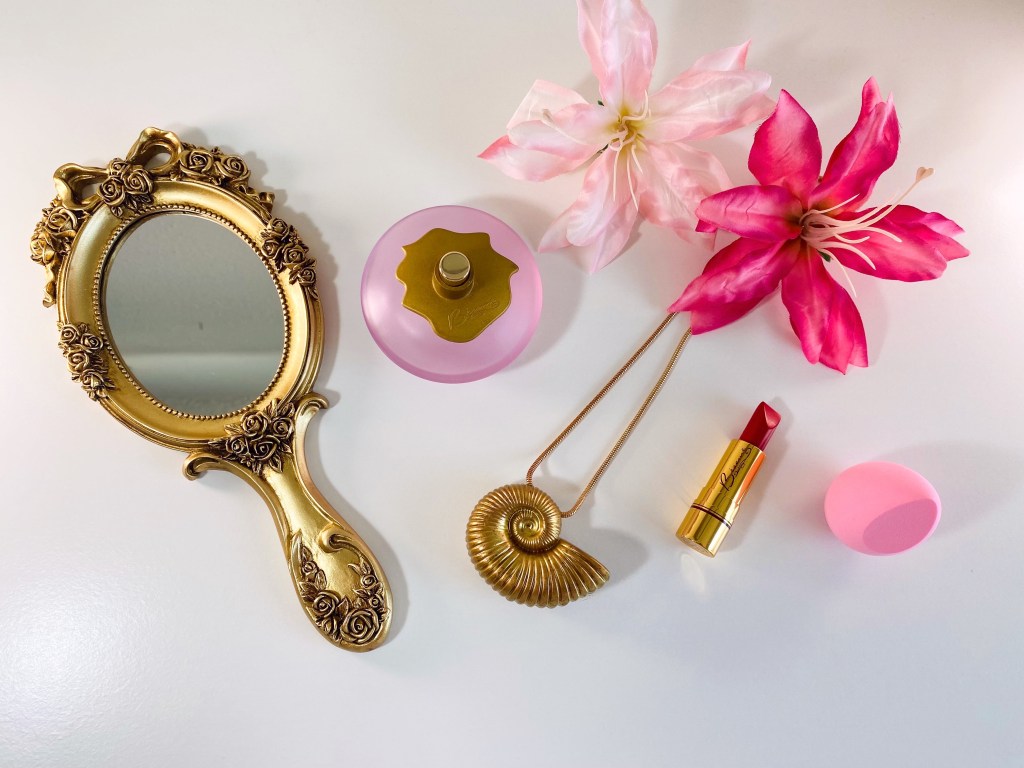
Sacred softness isn’t passive—it’s powerful. It’s what fuels the healer, the artist, the lover, the mystic. It’s for the women in vintage slips who discover their sacred perfume and who smile gently while knowing exactly what they’re here to do.

To be soft is to be receptive. To be receptive is to be radically open to divine wisdom, beauty, and change. That’s not small. That’s sacred. Being soft, and through that process, building resilience, is our best hope for the future.

Put on the lace. Feel the feelings. Say a prayer. Slow down. In doing so, you’re not falling behind—you’re changing the frequency of the world.

10 Vintage Beauty Secrets That Still Work Today

As International Women’s Day approaches (IWD on March 8), I find myself reflecting on the powerful influence women’s beauty secrets have had throughout history. While beauty routines have evolved over the years, many timeless vintage beauty rituals continue to play a significant role in modern skincare and beauty practices. From soothing cold creams to natural remedies that have been passed down through generations, these tried-and-true methods are as effective today as they were decades ago. Ready to channel some retro beauty magic? Here are 10 vintage beauty secrets that remain relevant and effective in today’s world.


1. Cold Cream for Clean, Hydrated Skin

Cold cream has been a staple in beauty routines since the 19th century, and for good reason. This thick, emollient-rich cream is designed to cleanse, hydrate, and soothe skin, all in one step. Cold cream is perfect for removing makeup while nourishing your skin, making it a two-in-one product that never goes out of style.

💄 Tip: Apply cold cream to dry skin in gentle circular motions, then remove with a warm washcloth to reveal clean, glowing skin.


2. Silk Pillowcases for Healthy Skin and Hair

Before the rise of modern-day beauty tools and products, women turned to silk pillowcases to protect their skin and hair from damage while they slept. Silk is naturally hypoallergenic, reduces friction, and helps prevent hair breakage and frizz. The smooth surface of silk also prevents your skin from creasing, reducing the likelihood of sleep lines or wrinkles over time.

💄 Tip: Swap out your cotton pillowcases for silk to wake up with smoother hair and skin.


3. Rose Water for Toning and Refreshing

Rose water has been used for centuries in skincare for its calming and hydrating properties. Known for its gentle astringent properties, rose water helps tone the skin while providing a boost of hydration. It’s perfect for refreshing your face throughout the day or as a soothing final step in your skincare routine.

💄 Tip: Use rose water as a natural toner after cleansing, or spray it over your face for a quick pick-me-up.


4. Honey for Soft, Glowing Skin

In ancient beauty practices, honey was revered for its antibacterial and moisturizing properties. Honey helps to lock in moisture, giving your skin a soft, dewy glow. Its antibacterial properties also make it a fantastic ingredient for acne-prone skin, helping to reduce breakouts and inflammation.

💄 Tip: Apply honey as a mask once a week to nourish your skin, or dab a little on blemishes to help heal them naturally.


5. Olive Oil for Moisturizing and Healing

Olive oil has long been used as a natural moisturizer and treatment for dry, irritated skin. Packed with antioxidants and essential fatty acids, it helps to hydrate and repair the skin, making it a favorite in Mediterranean beauty routines. Olive oil can also be used to nourish dry hair, cuticles, and even lips.

💄 Tip: Massage olive oil into dry skin areas like elbows or knees for extra moisture, or use it as a hair treatment before washing to combat dryness.


6. Apple Cider Vinegar for Balancing Skin’s pH

Apple cider vinegar (ACV) has been used for centuries as a natural remedy for a variety of beauty concerns. Its acidic properties help balance the skin’s pH and promote clearer, brighter skin. When diluted, ACV can work as an effective toner, helping to fight acne and reduce inflammation.

💄 Tip: Mix equal parts apple cider vinegar and water, then use a cotton pad to apply it as a toner. Avoid using it undiluted, as it can be too harsh on your skin.


7. Jojoba Oil for Nourishing Lashes and Hair

Jojoba oil, derived from the seeds of the jojoba plant, has been used for centuries as a natural remedy for hair and skin care. Its composition closely resembles the skin’s natural oils, making it perfect for hydrating and nourishing both the skin and hair. Jojoba oil helps promote hair growth, moisturizes dry skin, and can even help balance oil production.

💄 Tip: Apply jojoba oil to your lashes and eyebrows at night to encourage growth and strength, or use it as a lightweight moisturizer for your face and scalp.


8. Lemon for Brightening and Exfoliating

Lemon has long been known for its brightening properties, thanks to its high vitamin C content. Used as a natural exfoliator, lemon helps to remove dead skin cells and brighten the complexion, leaving skin with a radiant glow. Its astringent properties also help tone the skin and reduce excess oil.

💄 Tip: Mix lemon juice with honey for a brightening face mask, or apply a few drops directly to dark spots to help fade them over time.


9. Shea Butter for Deep Hydration and Skin Healing

Shea butter has been used for centuries in African beauty traditions and is prized for its deeply moisturizing and healing properties. Rich in vitamins A and E, shea butter helps to nourish dry skin, soothe irritation, and promote elasticity. It’s perfect for healing sunburns, reducing stretch marks, and moisturizing the skin without clogging pores.

💄 Tip: Apply shea butter to dry, rough patches like elbows and knees, or use it as an overnight face mask to deeply hydrate and rejuvenate your skin.


10. Almond Oil for Softening and Anti-Aging

Almond oil has been a beauty secret for centuries, known for its ability to soften and hydrate the skin while combating the signs of aging. Rich in vitamins A and E, almond oil helps to nourish the skin, reduce dark circles, and improve elasticity. It’s an excellent choice for sensitive skin, offering gentle yet effective hydration.

💄 Tip: Use almond oil as an under-eye treatment to reduce puffiness and dark circles, or massage it into your face for a natural glow.


Timeless Beauty Secrets

While trends come and go, these vintage beauty secrets have stood the test of time for a reason: they work. Whether you’re looking for natural skincare remedies or tips to maintain healthy, glowing skin, these tried-and-true methods have proven effective for generations. So why not bring a little vintage magic back into your beauty routine and experience the timeless benefits for yourself?

The Power of Pink

The Color Pink: From Femininity to Power and Rebellion

Pink has long been associated with femininity, but its journey from a “soft” color to a bold symbol of power, defiance, and self-expression is one worth exploring. Over the centuries, pink has evolved from being a status symbol to a gendered shade, a fashion statement, and even a political tool. It’s one where we can explore how gender affiliation is not necessary and how the power of a color can enhance and strengthen both genders, and also push us to explore ideas around femininity and masculinity.


1. Pink as a Symbol of Prestige in History

Surprisingly, pink was not always tied to femininity. In the 18th century, European aristocrats—both men and women—wore pink as a sign of wealth and status. The color was seen as luxurious, with men of the French court (including King Louis XV) favoring pink suits adorned with embroidery. During this time, pink was not considered “girly” but rather elegant and sophisticated!


2. The 20th Century: Pink Becomes Feminine

The shift towards pink as a “women’s color” began in the early 20th century. Before that, it was actually seen as a strong color suitable for boys, while blue was considered more delicate and suited for girls. However, marketing and societal shifts in the 1940s and 1950s (particularly after World War II) reinforced pink as a feminine color.

  • Hollywood & Fashion Influence: Marilyn Monroe’s famous pink dress in Gentlemen Prefer Blondes (1953) solidified pink as a glamorous and ultra-feminine hue. The rise of pink in fashion, from Dior’s “New Look” to Barbie’s introduction in 1959, further cemented the association with womanhood.
  • The ‘Pinkification’ of Girls’ Products: In the mid-to-late 20th century, toy companies and advertisers aggressively pushed pink for girls’ products, reinforcing gender norms that still exist today, and can be analyzed even further. As much as we can create and construct a narrative, we can also deconstruct the narrative.

3. Pink as Rebellion & Strength

By the late 20th century, pink was being reclaimed as a color of strength rather than just softness.

  • The Power Suit: In the 1980s, pink power suits became a way for women to embrace femininity while asserting dominance in male-dominated industries.
  • Breast Cancer Awareness: The pink ribbon, introduced in the 1990s, turned the color into a symbol of resilience and solidarity in the fight against breast cancer.
  • Punk & Protest: The riot grrrl movement of the ’90s and artists like Madonna used pink in a rebellious, almost ironically—showing that femininity could be both powerful and defiant.

4. Modern Day: Pink as a Political & Cultural Statement

Today, pink has evolved into a symbol of empowerment, breaking free from its once-restrictive associations.

  • The 2017 Women’s March: Pink knitted hats become a global symbol of feminism and resistance.
  • Pink in High Fashion: Designers like Valentino and Jacquemus use bold pinks to celebrate femininity with strength rather than fragility.
  • Millennial Pink & Gender Fluidity: The rise of “millennial pink” (a muted, almost neutral shade of pink) in the 2010s marked the shift of pink being more inclusive—moving beyond gender norms and becoming a universal aesthetic and one that was especially utilized by Glossier.

Pink as a Color of Strength

Pink is no longer just the color of dolls and princess dresses—it’s a color of revolution, resilience, and self-expression. Whether worn in protest, in fashion, or as a personal statement, pink has transcended outdated gender stereotypes and become a powerful shade of confidence, defiance, and identity.


How to Wear Pink with Power & Confidence

a) The Pink Power Suit

Channel your inner boss with a structured pink suit. From soft blush tones to hot pinks, the right shade can make a statement while remaining sophisticated. Pair it with neutral accessories or go all out with monochrome styling for a striking effect.

🩷 Style Tip: Opt for tailored cuts and structured fabrics to maintain an air of authority while embracing the playful nature of pink.

b) Pink in Streetwear & Casual Looks

For a more laid-back approach, incorporate pink into everyday wear through oversized blazers, statement sneakers, or a pop of color in a graphic tee. Pink hoodies and joggers, especially in deeper shades like fuchsia or dusty rose, blend femininity with urban edge.

🩷 Style Tip: Try pairing a pastel pink top with leather pants or denim to balance softness with edginess.

c) Pink Accessories for a Subtle Touch

Not ready to fully embrace head-to-toe pink? Accessories like a bold pink handbag, rose-tinted sunglasses, or a statement belt can add a touch of empowerment without overwhelming your outfit.

🩷 Style Tip: A pink handbag or heels can instantly elevate an all-black outfit, adding a striking yet sophisticated contrast.


Beauty: The Power of Pink Makeup

Pink isn’t just for clothing—beauty trends continue to push pink as a symbol of both femininity and bold self-expression.

a) The Bold Red-Pink Lipstick

Red lipstick has long been seen as a power move, but pink variations (like deep raspberry or electric fuchsia) offer an equally daring alternative. A bold pink lip can be just as commanding as a classic red, while still feeling fresh and modern.

🩷 Beauty Tip: Try a matte hot pink lipstick for a striking statement, or a glossy rose shade for a softer, elegant touch.

b) Blush: The Ultimate Confidence Booster

A well-placed pink blush can instantly lift the face and add warmth. Rosy and berry-toned blushes create a fresh, youthful glow while emphasizing natural beauty.

🩷 Beauty Tip: Apply blush higher on the cheekbones for a sculpted, lifted look rather than just on the apples of the cheeks.

c) Pink Eyeshadow for Playful or Edgy Looks

Pink eyeshadow may seem intimidating, but it can be effortlessly chic when done right. Soft pinks offer a romantic vibe, while neon pinks bring a fearless, high-fashion edge.

🩷 Beauty Tip: For a subtle approach, blend a dusty rose shade into the crease. For a bold statement, go for a monochromatic pink eye with shimmering finishes.


Pink as a Lifestyle Choice

Beyond fashion and beauty, pink has also become a lifestyle aesthetic—one that represents confidence, empowerment, and self-expression. From pink-themed home decor to stationary and branding, the color has cemented itself as a force beyond trends.

🩷 Incorporate Pink into Your Life:

  • A pink journal for manifesting powerful goals
  • Rosy-hued candles or decor to create a calming yet inspiring atmosphere
  • Pink-tinted sunglasses for a “rose-colored” outlook on life (literally!)

Embracing the Power of Pink

Pink is no longer just a color for princesses and dolls—it is a statement of power, rebellion, and individuality. Whether through a striking fashion moment, a bold lip color, or a lifestyle choice, pink allows you to embrace both your femininity and your strength, proving that the two are not only compatible but beautifully intertwined.

So go ahead—wear that pink 🩷

Valentine’s Day Cowgirl Aesthetic

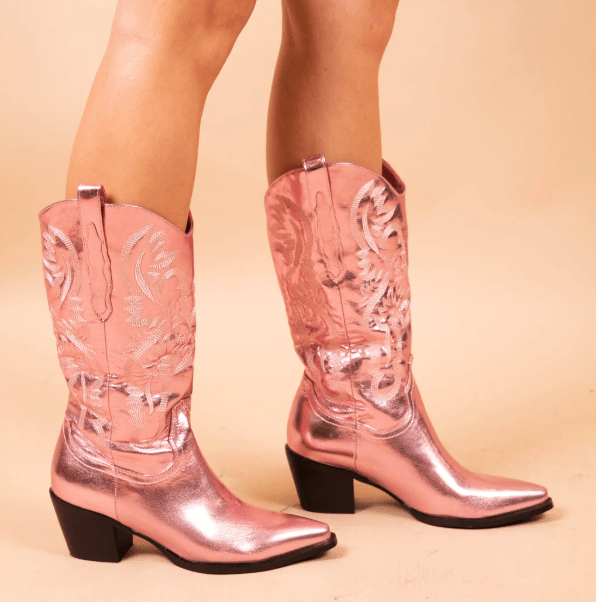
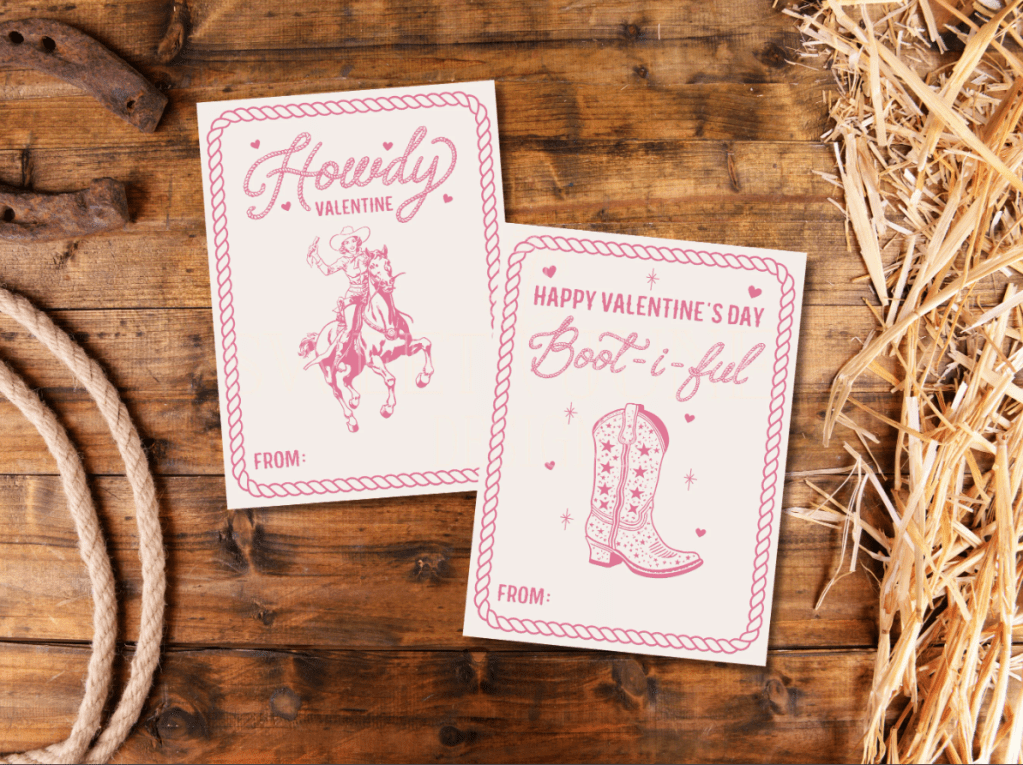
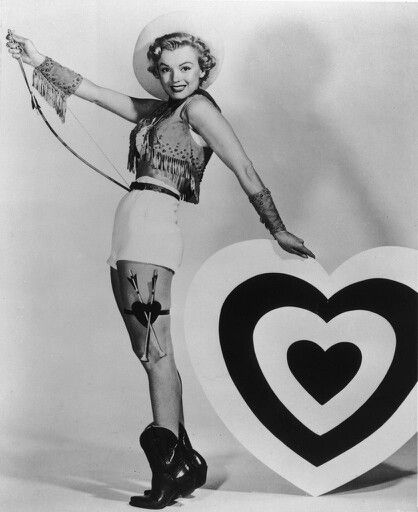
The marketing aesthetic of the Cowgirl Valentine this year is one that embodies both feminine style, and a new, future forward idea around cowgirl style. As people tap into what their connection to “country” might be in this current historical moment (and in a much larger schematic now – whether that be from a Grammy award to a way of life), there is definitely room for the style to embolden girls and young women to be their own cowgirl valentine. The costume of the “Space Cowgirl” has long been one that is fascinating to me. It is the idea that girls can bring forth retro style with a futuristic idea of femininity where the past meets the future. It likely originated from the Sci-Fi film genre of the Space Western.

The Space Western film genre touches on tropes of how women are “out of this world” – which can be perceived in empowering ways – and there are elements throughout the Space Western that incorporates how women are perceived, unfortunately, in classically misogynist ways at times, and other times in forward-focused inclusionary ways. I think merging together the tropes of the Sci-Fi Space Western films, obvious examples such as Star Wars to more niche ones like the 1956 film Forbidden Planet, to include these feminist elements with the main characters is especially fascinating. I remember fondly watching the movie Zenon: Girl of the 21st Century in 1999. I know that film was an instant Disney Channel classic, yet it’s rarely mentioned in popular culture now. I hope the messaging of belonging and kindness as a global attitude for the 21st century is one that continues to be elevated. Ideally, in ways that are truly focused on embracing themes of women supporting women, and men being allies in supporting women and ensuring the holistic nature of this occurring.

While we know Valentine’s Day is a holiday geared specifically towards embracing our loved ones and appreciating them in individual ways, there is a broader marketing opportunity for positive and inspiring messaging in merchandise and marketing that will occur, which is undoubtedly a huge component of how we perceive what is “trending” during a particular year. This year, I hope the Cowgirl Valentine is one that makes us continue moving forward with values of women embracing their feminine style, whilst being mindful of a broader messaging that ties together themes with identifiers of country, past and present.

Happy Valentine’s Day!

Reflections on Tolle, Jung, and Individuality

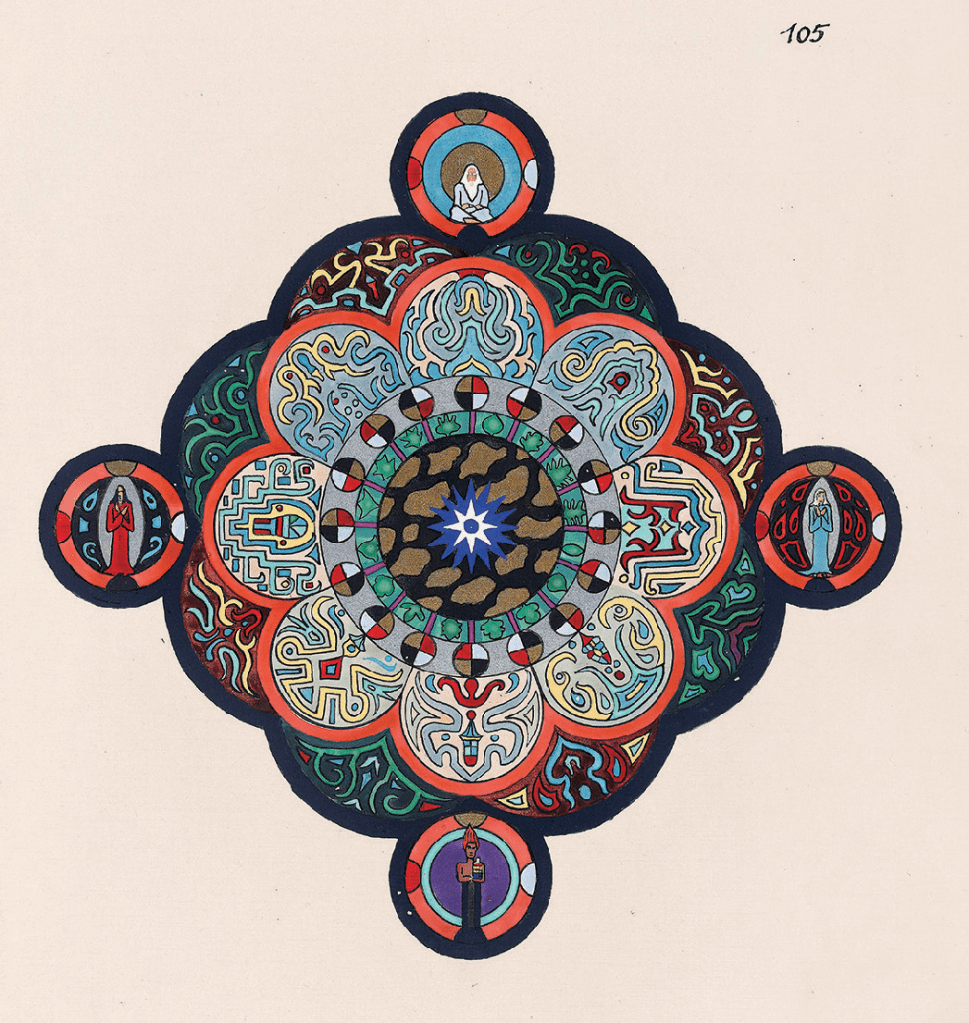
The Art of C.G. Jung

Over the past couple of years, I have been committed to learning about ideas which focus on cultivating and enriching spiritual enlightenment and liberation for a health focused and purpose-led life (perhaps this came to the forefront of my mind because of the pandemic causing existential considerations of what matters to people and systems).  For me, this exploration came in the serendipitous encounter of Eckhart Tolle’s book A New Earth in my neighborhood’s Little Free Library book stand.  I went on to read his first bestseller The Power of Now, which ultimately led me into reading and blogging about an entire spectrum of New Age writers including Louise Hay, Wayne Dyer, Masaru Emoto, and then Deepak Chopra and my journey into studying Ayurveda as in depth as possible as a novice to a complex topic that includes thousands of years of tradition from India. 

Overall, many of these New Age writers had me in an intellectual grip without a doubt…I felt a sort of spiritual transformation reading these books, which is not a small thing to say. I began meditating quite often and learned different ways of meditating. I think meditation is a tool to unlock subconscious thoughts and believe it’s a tool that should be taught earlier in our lives than later. It affected my approach to how I thought about what matters – how we approach each and every day and how our attitudes shape our micro and macro experience in the world is what defines our human experience.  However, this is not to say that it transformed my personality.  If anything, it affirmed what I already had set forth with creating: a world of rosiness and softness as a vehicle for navigating complex information.  My New Age studies became an opportunity to journey into understanding the “self” vs. the “Self.”  The work of egoic detachment never stops, and in my opinion, is a rather fruitless endeavor over time.  From the ideas Eckhart Tolle presents around “presence” and “nowness” as the only state of our lives to be concerned with, I have found there to be some essential faults with his teachings when put into practice.  Ultimately, those lived experiences led me to two truths that I can separate and examine: The first truth is that there is a universal oneness of source energy we are all a part of. This is technically separate from ideological concepts around God, but can be merged together with God dependent on your cultural ideological conception of God. I am a Roman Catholic and have found inner peace through my Christocentric journey. I also support the peaceful existence of alternative religious doctrine which adheres to a peaceful reciprocity of this goodwill. In my opinion, we are all part of a “source energy” that we all collectively belong to and theology complements that journey to optimal health and spiritual wellbeing. The source energy that brings us to this life also takes us from this life (it is up to you how you comprehend the idea of God as an entity separate or part of oneself, we are bonded through a source energy in any event).

    The second truth we can explore is that our experiences shape us as individuals: culture, ideology, social norms and we should do our best to develop our individuality. These things do shape us into who we are – it’s too much to ask of ourselves to abandon all of what comprises us as individuals to focus on awakening as a collective as Eckhart Tolle asserts through his teachings.  The real importance of individuation necessitates physical survival – the ego survives for a reason.  We are composed of all those “things” (gender, culture, religion) which Tolle tells us to negate ourselves from to have spiritual enlightenment as a collective.  This is truly nonsense in practice. His discussion points around disconnection from the “thinking mind” and ego become too abstract to truly find purposeful action within.  We all live and navigate within highly complex systems. Tolle’s ideas around liberation from the ego are too disconnected from real life and how societies operate. As a result of this deep reflection for myself, I have begun to embrace and study Carl Jung’s interpretations around the “shadow self” and how doing “shadow work” is how one can truly find their life’s purpose.  His connection to mandalas and Eastern Thought are especially important tools for these reflections.  

    Jung connected to ideas from Buddhism and believed in respecting and including the whole of an individual’s experience, including their “shadow” aspects.  In my opinion, the Jungian shadow is what will unlock liberation and maintain individuality for each of us.  In Eckhart Tolle’s view, the meaning of life is through a negation of the ego (individualism) and attaching oneself to a universal collective source energy as being a form of endless joy… his ideas around separation from the ego brings the nirvana of universal source energy as our entrance into conceiving infinity (given the science of black holes in the universe – infinity definitely exists). However, just because infinity exists does not mean humanity survives through a furthered attachment to universal source energy, nor do cultures survive this way.  Humanity survives through connection between individuals who create life and further generate individuality this way.  Individuation is our liberation. The ego is too hard to detach from as human beings and there are biological reasons for this.  The ego will not be the demise of humanity – the ego will enable our survival.  Tolle states how collective consciousness is part of the next phase of human evolution.  I highly doubt we will have the ability to culturally dissociate that much, especially during a time in the world where cultural separations became glaringly apparent.  I do connect to the ideas Tolle presents related to the importance of our present moment and do think he presents tools which empower people to overcome challenges and hardships through a focus on what you can do to take positive action in the moment. Beyond that, I see individuality and connections to other individuals as the answer to our liberation and not collective consciousness as liberation.

    I believe that the real inner truth we can find within ourselves is that humanity will survive longer when we focus on ourselves as individuals. We find peace in the boundary separations of our individuation by respecting individuality as our core truth.

      Rosy Conversation with Jeremy Burrows

      Jeremy Burrows is a longtime executive assistant, international speaker, author of the #1 bestselling book, The Leader Assistant: Four Pillars of a Confident, Game-Changing Assistant, founder of The Leader Assistant Community, and host of the #1 podcast for assistants – The Leader Assistant Podcast. Jeremy has worked with CEOs, professional athletes, Fortune 100 board members, and billionaires across the nonprofit and for-profit sectors. Jeremy has had the opportunity to speak to assistants all over the world at multiple conferences of various sizes in Hong Kong, Thailand, Germany, and the United States.  He’s currently Senior EA to the Founder and CEO of Capacity – a fast-growing, artificial intelligence software company. Jeremy’s passion is to help you lead well, resist burnout, and automate before you’re automated. Jeremy lives in Kansas City, MO with his wife and 2 boys. To connect with Jeremy or learn more about his training resources for executives and assistants, visit LeaderAssistant.com

      It is with great pleasure that I share my interview with Jeremy on Rosy BVM.  For my professional background, I have served as an Executive Assistant for one of the world’s leading management consulting firms for over seven years.  I have experience understanding the unique challenges that assistants can face and what it means to bring consistency and high quality executive support in rigorous client-facing environments.  Jeremy and his book, The Leader Assistant, is a breath of fresh air in an industry that sometimes can be marred with so many differentiated ideas of the successful EA role.  

      Assistants across industries have more cross-cutting capabilities and commonalities than they initially might think. As an Executive Assistant, you can sometimes feel at odds with the positionality of the role you play within your firm. For example, Executive Assistants can be referred to as “gatekeepers” for discretionary information purposes and are not meant to hold the most approachable role in a firm as they are uniquely positioned to perform by ensuring the most effective use of their executive’s time, thus making their executive less available might be one aspect of the success in their role (this is often supporting executives at a C-Suite level).  However, the other side of the work as an Executive Assistant can also be true, where Executive Assistants are seen as the culture carriers of an office and are regarded as extremely collaborative, approachable individuals who work cross-functionally and adapt to the needs of their executives with flexibility and precision. Both scenarios are true and more often than not, EAs are known to be the “go-to” people in a company. 

      Both scenarios of EA styles can be true, and as an Executive Assistant there is room for professional style shifts depending on a certain role and there is always learning to be done in between (sometimes throughout the duration of a career) and finding a sense of community as an assistant in the field becomes highly valuable.  Enter Jeremy Burrows, the leading voice for Executive Assistants and the communities which underpin the fascinating executive support industry. The vast and extensive style of executive support that exists displays how remarkably valuable executive support truly is when there is alignment between the firm’s purpose and goals and the ability for assistants to lead and thrive.

      Bianca: What inspired you to pursue a career as an administrative professional / Executive Assistant?

      Jeremy: Honestly, I never thought I’d be an assistant, but at some point, I fell into an assistant role and quickly realized I was good at organization, details, and project management. From there, it kind of progressed slowly over time until I ended up in the C-Suite as an EA.

      Bianca: You have created a noteworthy online community, The Leader Assistant, which connects and supports administrative professionals in online forums such as LinkedIn.  What are the amazing benefits of joining such a community and how did you start this? 

      Jeremy: The first nine years of my career, I did not network with anyone, let alone assistants. But when my prior executive was fired unexpectedly, I decided it was time for a career change, and suddenly needed that network that I didn’t have. I started reaching out to assistants on LinkedIn almost every day. I started becoming active in other assistant communities, and to put it simply, put myself out there. 8 years later, I’m humbled to have gathered a global community of Leader Assistants.

      Bianca: You have written a bestselling book about Executive Assistants called The Leader Assistant: Four Pillars of a Confident, Game-Changing Assistant, a bestseller on Amazon that was released in 2020.  What gave you the idea to put these ideas to paper and share with others? 

      Jeremy: After 3+ years of blogging, networking, and training assistants, I started seeing what content was helpful to career administrative professionals. I wanted to replicate the coaching and training sessions I’d had in a format that was accessible to assistants all over the world. So I wrote the book. 🙂

      Bianca: What makes you proud of your work as an assistant? 

      Jeremy: Nothing makes me prouder than helping other people and teams reach their goals. 

      Bianca: You work as an EA in the Artificial Intelligence sector right now, correct?  This has become a fascinating yet fraught topic in mainstream discourse regarding the potential misconception of how AI could “replace” assistants in a broader context.  What are your thoughts around the human experience as a critical part of guiding the executives and leaders as administrative professionals? 

      Jeremy: Yes, I have worked in the AI industry since 2017. In short, executives and assistants need to embrace automation and AI before they are automated. But, the best way to embrace AI and automation is to start with a problem to solve, then explore an AI solution to solve it. 

      Bianca: What motivates you to strive for excellence?  Do you tap into your community as a source of motivation as well? 

      Jeremy: I’m motivated by helping others, so anytime I can play a small part in someone’s success, I’m grateful. And yes, I definitely tap into my community to motivate me. They are so supportive and encouraging.

      Bianca: Thank you for your time, Jeremy, I certainly plan to stay a part of this assistant community!

      The Aesthetic Sensibilities of Social Media’s Hyperfeminine Culture

      “It’s a man’s world,” is a common phrase that rings true in different ways. According to social media, it is very much a woman’s world, and hyperfeminine style has become a type of expression and aesthetic sensibility that has built entire brands and brand collaborations (LoveShackFancy‘s Stanley cup collaboration immediately sold out this year), which has fueled entire industries… from the resurgence of vintage cake decorations to professional influencers who run businesses based off of the social media aesthetic they created (Hannah Dahl of The Dahl House is one example). At the core of this hyperfeminine approach to consumerism is an amalgamation of online subcultures which have evolved over the past few years. There is the the allegiance of the “Coquette” style – which can be a combination of Sofia Coppola’s Marie Antoinette and Netflix’s Bridgerton costumes and accessories. I have blogged about Coquette style and Bridgerton style in the past:

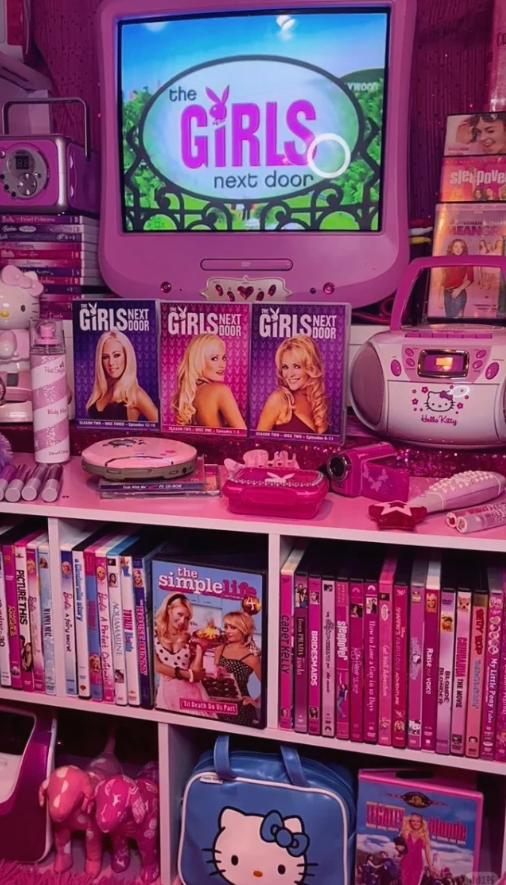
      These historical styles naturally tie well with the ideals of the more modern “Y2K” fashion and lifestyle concepts that have also emerged throughout social media as we live in a modern, technologically driven world (the early 2000s styles perhaps best embodied by Paris Hilton and Kim Kardashian has gained a huge amount of traction), and then merging those fashions with the “Siren/Mermaid” femininity of “Mermaidcore” fashion brings together a large bandwidth of hyperfeminine aesthetics. If put into one sentence, the modern hyperfeminine aesthetic is if a mermaid film were to be created by Sofia Coppola and it were to be set in 1950’s Los Angeles. That might be the best description of converging together the aesthetic qualities that come together across fashion brands, celebrities, and consumers. Consumers are clever, they know what they like, and they also pick up on trends very quickly – this is easily said for many things, but it’s especially fascinating in the hyperfeminine aesthetic.

      The Emi Jay Hair Accessories hairclip brand is also a social media phenomenon that has brought about a more feminine look to hairstyling. Social media star, Katerina Rozmajazl (former Miss Georgia USA), created her own fashion brand “Roz Avenue,” styled as a convergence of hyperfeminine looks that merges together Southern thriftiness with luxury and sophistication. She even designed the logo to have a hyperfeminine bow surrounding the words. Perhaps most idealized across all of the streams of social media’s styling, there is the emergence of LoveShackFancy as a leader of these styles brough to the mainstream market. Their new Pottery Barn collection is the perfect example of how bringing “girly style” to the mainstream market is a definite win.

      The hyperfeminine style that has been evolving over time online is likely not going to stagnate anytime soon, and it’s likely not a market niche either. I do think there is something to be said about how soft style holds its own power. As Charles Eames powerfully said, “The details are not the details. They make the design.”

      The Bowklahoma Bow by The Dahl House

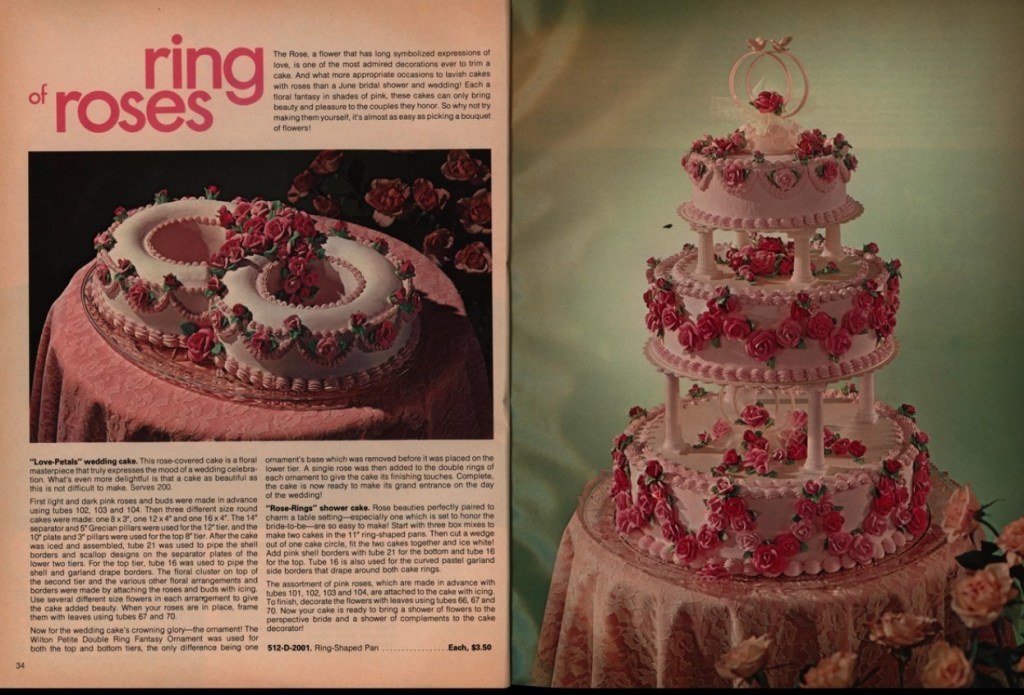
      The Wilton 1974 Cake Decorating Yearbook loved roses

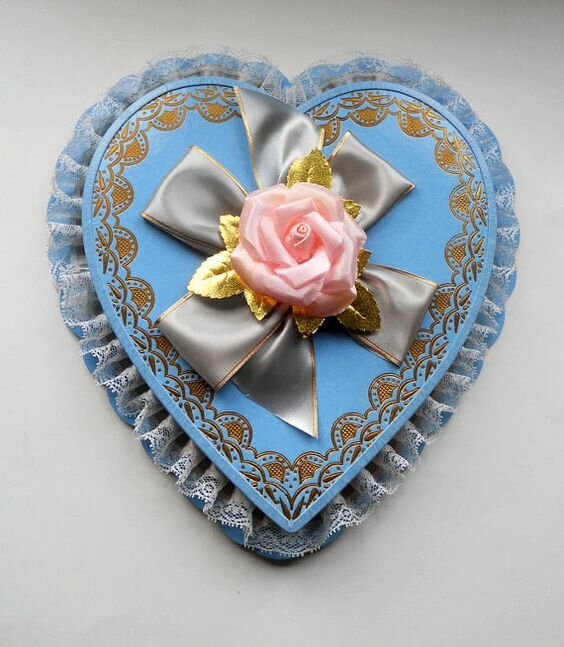
      This is a cake shaped jewelry box created by Crafty Dessert, available on her online shop
      Emi Jay hairclips
      Robes by Roz Avenue

      LoveShackFancy by Pottery Barn

      Bianca’s 2024 Holiday Gift Guide

      Each year, I enjoy finding unique and intriguing gifts that you can consider including in your holiday shopping when you think about what you’d like to gift. Despite the reality that consumerism is not the source of joy that this holiday season should bring, and focusing on togetherness with one another should be the emphasis, if you are so inclined to think about unique and out-of-the-box gifts for an Old Hollywood afficionado, or little luxuries that can elevate your home experience, these are just a few things to consider when you do your shopping this season! Consider this list as a jumping off point, for gifts related to the coffee table book collector, for the beauty product expert, for the retro board game enthusiast in your life.

      I like to think about how the picturesque beauty of Old Hollywood can be brought into our style today again, and in high definition… The makeup, hairstyles, clothing and overall style of 1940’s and 1950’s America are ones that can be brought back in subtle, contemporary ways. The shade of red lipstick that Lauren Bacall wears in Kodachrome or the daring pin-up artwork of Olivia de Berardinis, or the new “Supreme Crème” complexion perfector cream by Westmore Beauty, there is so much to appreciate about classic glamour, especially during the holiday season! Embrace being your most extraordinary, glamorous self this holiday!

      xx Bianca

      Sigma Beauty Disney The Little Mermaid Makeup Collection

      Voluspa’s Santal Vanille Large Candle

      The Secret Gratitude Book by Rhonda Byrne

      Hollywood in Kodachrome by David Wills

      Vintage Pink Suitcase Record Player by Danfi Audio

      Best of Sade Vinyl Records

      Spin Master Games Dominoes

      Spin Master Games Backgammon

      Clue Retro Series Board Game by Hasbro

      Westmore Beauty Supreme Creme

      NIVEA Lip Care Variety Pack

      STABILO BOSS Pastel Highlighters

      The Legendary Elvira, Mistress of the Dark

      Happy Halloween! Elvira, Mistress of the Dark, is undoubtedly, the Queen of Halloween, for all time to come. Cassandra Peterson, the woman behind the character, has been in costume since her character’s spooky film debut in 1988. Since Halloween is upon us, I think it’s fascinating to highlight the feminine depths of Elvira’s spooky character, a legendary figure of the Halloween season since her campy film debut in the 80’s. She is perhaps one of the most fascinating characters of America’s Halloween culture. Her costume has not changed much since her debut, which means her character remains consistent and memorable for the public. In 2021, Julien’s Auctions held an auction of Elvira’s personal collection. It sold remarkably well! Her original costume dress sold for $10,000 alone. I think there is much to appreciate about how Elvira contributed to Halloween culture in general.

      I am most fascinated by Elvira’s femininity and the overlap of the occult has with strong feminine energy, which has historically been relegated into arenas of witchcraft and became generally stigmatized as something to fear by mainstream Western society. For example, the origin of Friday the 13th, was a Pagan day for worshipping Divine Feminine energy. It would later be transitioned as a patriarchal day to fear in general (spooky Friday the 13th is quite feminine!) and has various religious and cultural roots. For example, it’s said that in Christianity, Judas was the 13th supper attendee of the Last Supper, who betrayed Jesus, and then Jesus was crucified on a Friday. This is one example of Friday the 13th being perceived as a fearful day, when in actuality, the historical origin of the number 13 for Friday the 13th is that women usually have 13 menstrual cycles in a year and Friday is a day to worship the female from Paganism. The various connection points of Friday the 13th are fascinating to observe. The belief of bad omens for Friday the 13th has been embedded in cultures for quite a while, though. Arnold Schoenberg, the Austrian-American composer, was so fearful of the number 13, he omitted the 13th measure in some of his musical compositions. The musician Taylor Swift has a deep belief in the good luck the number 13 has brought her throughout her life.

      The feminine origin of Friday the 13th now been recently resurging through a renewed cultural interest in the history of the divine feminine again, which is ironically re-entering into mainstream discourse. I think this is similarly aligned with the mainstreaming of strong feminine energy for Halloween culture. For example, it’s become a norm for celebrities to dress up in the weeks leading up to Halloween in near perfect costume recreations of characters like Elvira. In 2022, Kylie Jenner famously recreated Elvira’s costume which introduced Elvira to a younger generation.

      Kylie Jenner as Elvira

      I appreciate how Cassandra Peterson crafted a persona and character which feels like a parody of the occult and continues to elevate femininity in spite of the fearful and spooky mask of makeup she wears. She is also a fashion icon for it. According to W Magazine, it was when Elvira was a child that she asked her mom if she could become the “Queen of Halloween” for her costume. That year, she ended up dressing as Morticia Addams, of the fictional and spooky Addams Family. The Addams Family was created as stand-alone comics by Charles Addams for The New Yorker between 1938 and 1988. The comics became films, and Morticia is seen as the Matriarch and feminine energy of a group of old-money people who delight in the macabre (perhaps a fascinating social commentary on institutions which do not reform become macabre). The TV series debuted on ABC in 1964 and ran for two seasons. The origin story of Elvira is most certainly tied into the origin story of Morticia Addams.

      The Morticia Addams role reprised by Carolyn Jones, Angelica Huston, and Catherine Zeta-Jones through the years looks similar to Elvira, Mistress of the Dark for a reason… Elvira was inspired by her!

      Elvira was born in Kansas in 1951. During her childhood, she has stated she was with fascinated horror themed toys instead of Barbies. Later into her career, she would become involved with Playboy and would guest star on the hit E! television show, The Girls Next Door, where she would often make jokes about how dying her hair blonde be a spooky thing for her — the macabre was always her element. She hosted the film, Hef’s Halloween Spooktacular, which was about the making of the annual Playboy Halloween Party, often known to be the most spooky Halloween party in all of Hollywood. She bonded closely with Bridget Marquardt (the real-life woman who inspired the film The House Bunny) as Bridget was the resident of the Playboy Mansion who was most committed to Halloween and the horror genre. To this day, they remain connected over their feminine connection the macabre. I think there is something noteworthy about how women can find common ground in any topic, and genuinely support one another, no matter how different their personality and style may be!

      Bridget Marquardt and Elvira at the Playboy Mansion in 2006

      In 2021, Elvira released a memoir about her life entitled, Yours Cruelly, Elvira: Memoirs of the Mistress of the Dark. Her book is a must-read if you’re a fan of Halloween culture. In the meantime, enjoy watching her many films this Halloween night!

      Keep Tahoe Blue – The League To Save Lake Tahoe

      If you are from California, or have lived here for a while, you most likely have encountered the “Keep Tahoe Blue” stickers that many folks put on the back of their vehicles – perhaps most especially if you are making the drive up to Lake Tahoe. The League To Save Lake Tahoe, started in 1957, is an environmental watchdog organization comprised of dedicated volunteers that focus on a variety of topics of the lake’s health and ensuring that invasive species do not alter the water’s clarity and transparency – thus, focusing on keeping Tahoe blue! This organization also has UC Davis researchers studying microplastics in the lake and also has released research that algae is the primary factor in Lake Tahoe’s blue color, not clarity. Beginning in 2017, UC Davis researchers examined the entire shoreline with a helicopter and drone several times per year, which enabled a clearer understanding of the algal blooms occurring in the lake and as a growing threat to Lake Tahoe’s ecosystem. This is occurring due to warming weather temperatures and changing water levels. Public funding is scarce and private funding must be at the forefront of this cause. Additionally, advocacy and awareness are integral to this cause as well! According to this year’s research release, the lake’s clarity depth is now 68.2 feet as of 2023, compared to 71.9 feet in 2022. This is a pressing environmental cause, especially related to the summer due to warming temperatures (many people go and visit the lake to escape their lower elevation home temperatures, so it’s especially important to be mindful when visiting).

      The work of the League is to focus on tackling invasive species, combatting pollution, and advancing lake restoration. Also, the League is combatting any sort of expansion or industrialization in the Tahoe Basin region which could negatively impact the lake’s overall health and clarity. In addition to that, the League also promotes best practices to respect the lake while visiting. We are certainly in a global environmental crisis where the weather forecast is not simply the weather forecast any longer, and I think it behooves all of us to become more prescient and aware of organizations such as this one. The League has already been institutionally known for spreading environmental awareness and encouraging citizens to get involved! While Tahoe is known for being a seasonal getaway for many, and the reasons why people visit are numerous, from snow sports to enjoying the lake’s beauty, Lake Tahoe’s clarity remains in danger and should continue to be protected by groups such as these. You can make a difference, too. Please help by donating and volunteering, and be sure to care for the lake if you visit.

      If you plan to visit the lake anytime soon, please be aware and practice the following:

      • Keep the beach clean
      • Throw away all trash (even if it’s not yours and put in a trashcan or dumpster)
      • Collect food scraps
      • Carpool
      • Take public transportation

      Remember, we all want to Keep Tahoe Blue. The second deepest lake in the United States, this lake is visited by millions of visitors per year, but with the right effort and care taken by its many visitors, the lake can continue to stay pristine and beautiful!