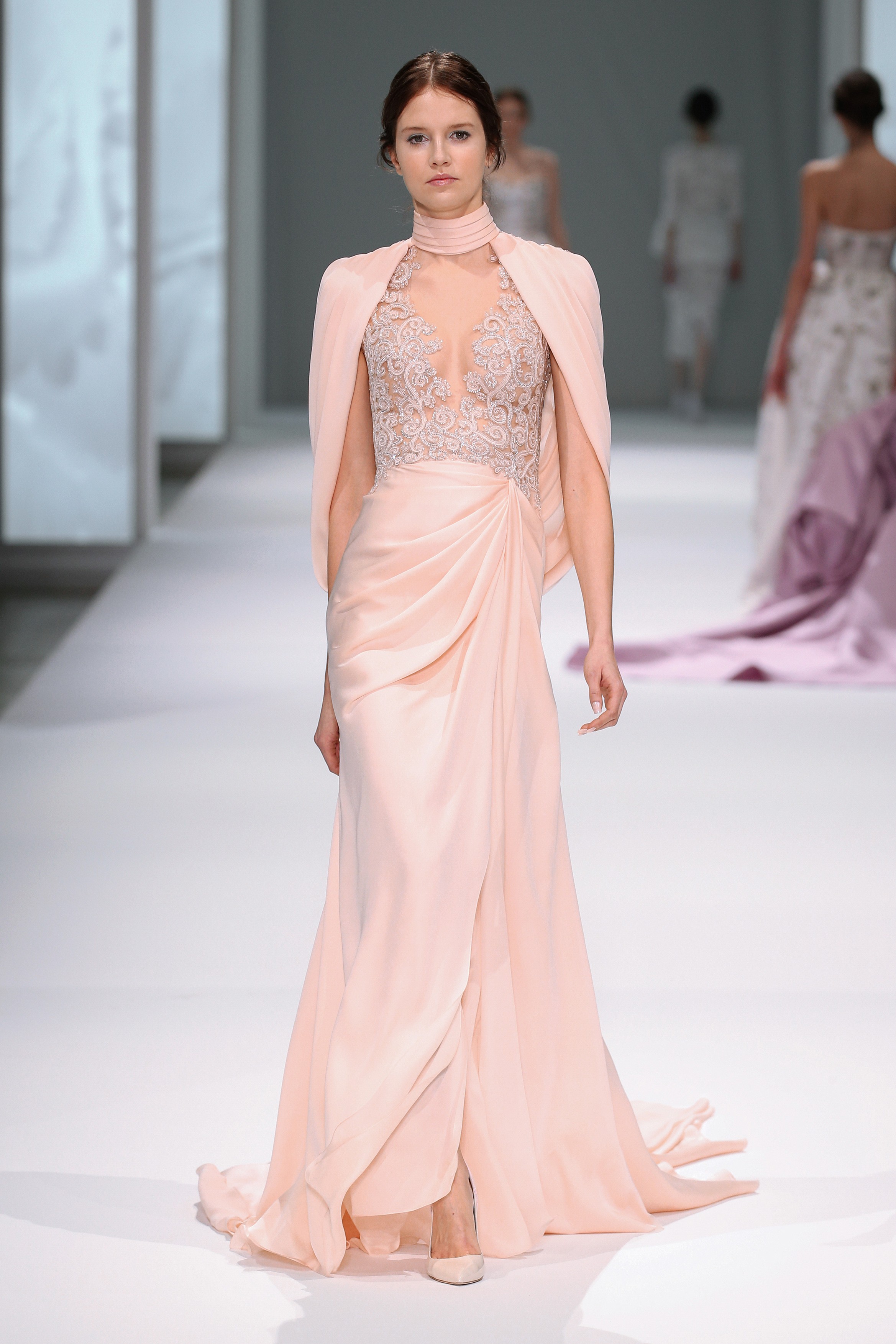
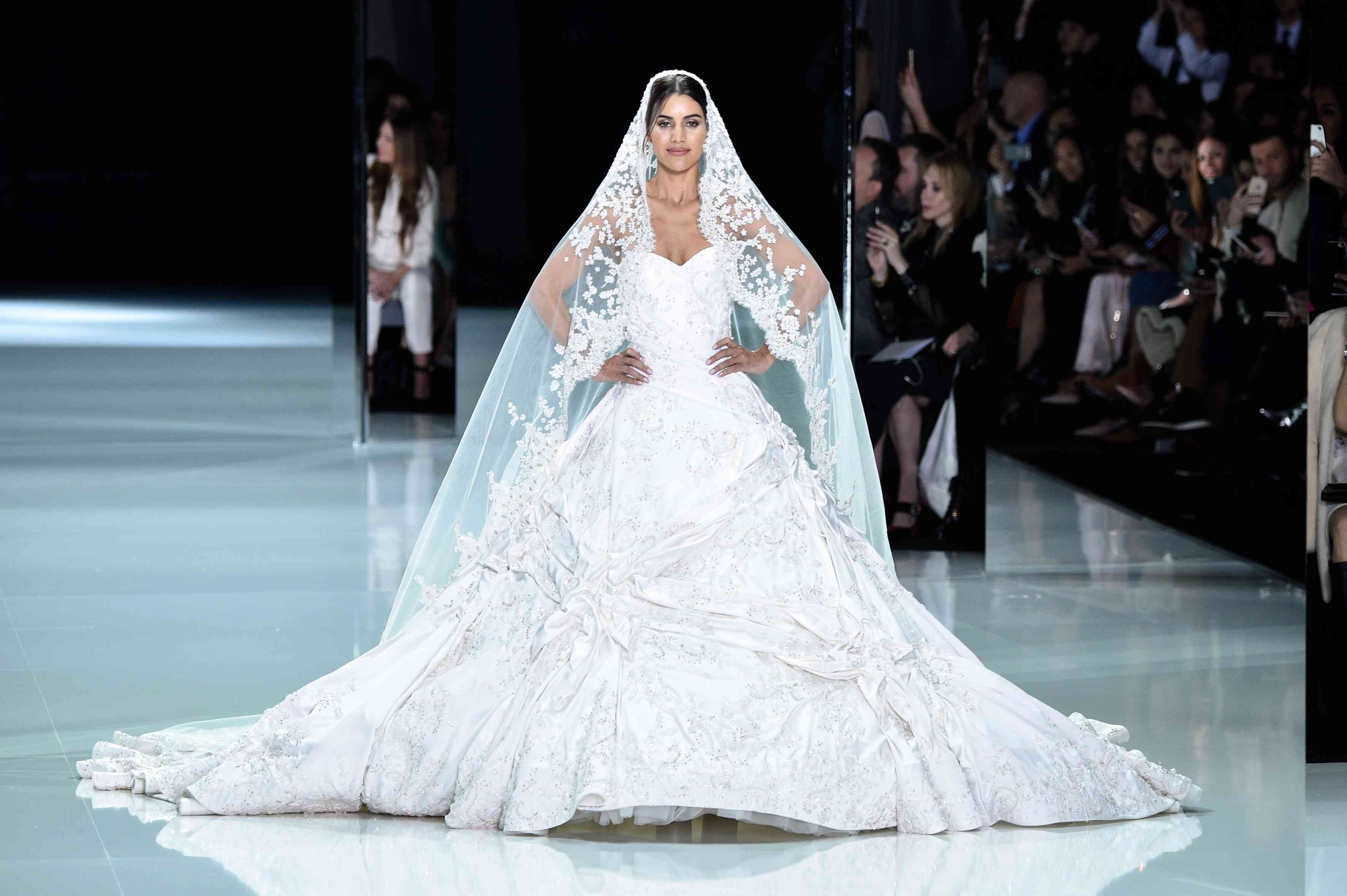
The British designers Tamara Ralph and Michael Russo (Ralph & Russo) have taken the fashion world by storm since their design debut in 2010. Quickly, their designs have been worn all over the red carpet, with names including Angelina Jolie and Kendall Jenner.
Their classical feminine designs have an eye for details in a way that’s spectacular. This is best exhibited in their unique heel design: the designer duo have re-envisioned the heel to be like a branch from a tree, adding an appeal to nature in its most glamorous form.
Ralph & Russo’s wedding designs are also spectacular; I don’t think Ralph & Russo will disappear anytime soon: they are here to stay on the red carpets and have already left an indelible mark on the fashion industry.
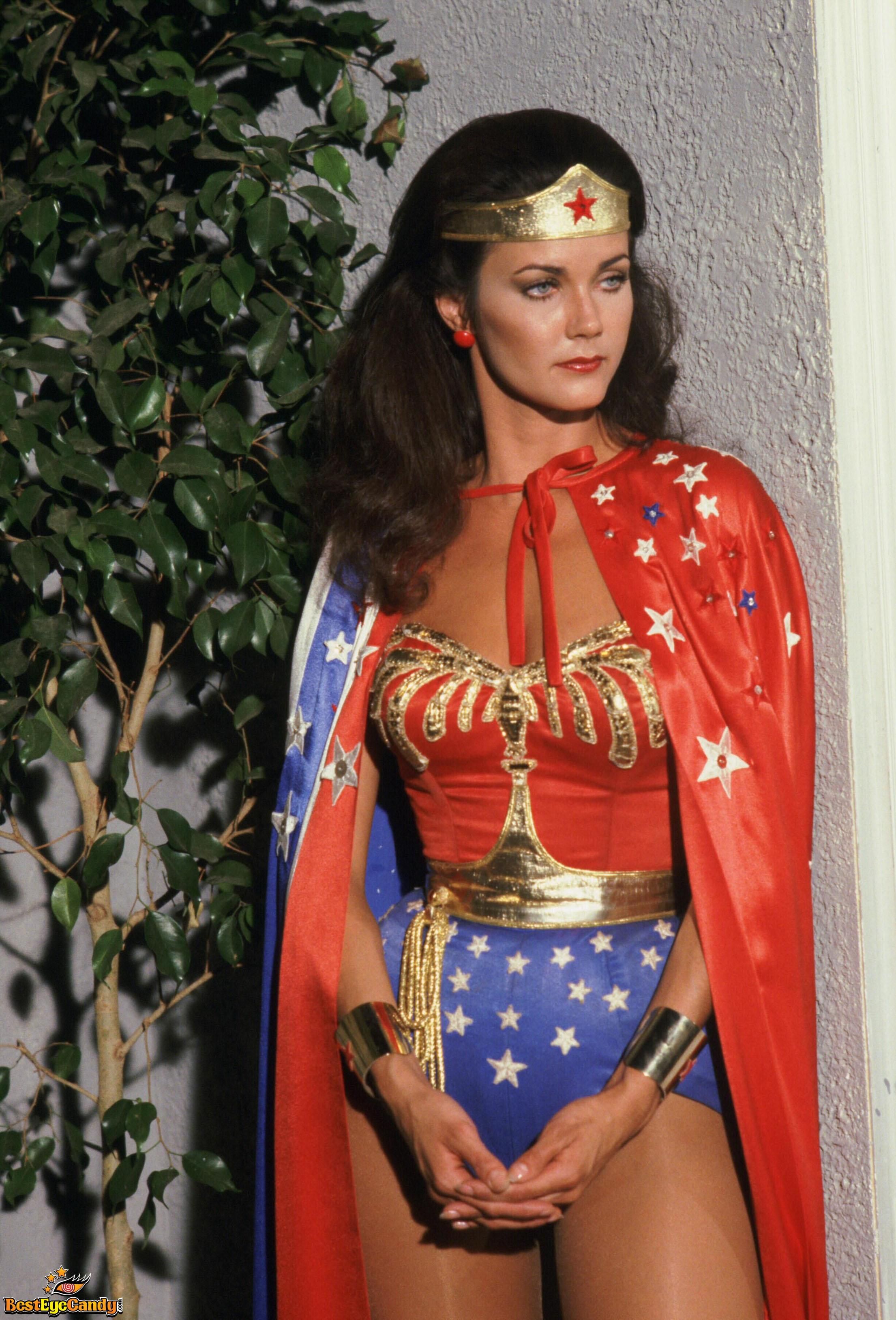
Lynda Carter is most well known for her role playing Wonder Woman between 1975 and 1979 on CBS. She is perhaps the most iconic image of Wonder Woman to date. Ms. Carter’s life has been remarkable; she spent time studying at Arizona State University before becoming Miss World USA 1972 and leaving the university to begin a music career where she mostly performed in San Francisco and Reno.
It is perhaps her role as Wonder Woman and her personal beliefs that come together so well for being an iconic Wonder Woman. Ms. Carter has been a longtime supporter of Planned Parenthood and the LGBTQ community. Wonder Woman, as a comic book character, was influenced by the ideas of Margaret Sanger, who is best known for being the pioneer of birth control. Sanger popularized the term “birth control” and opened the first birth control clinic in the US. This is was on October 16, 1916 in Brooklyn, New York; more than 100 years ago.
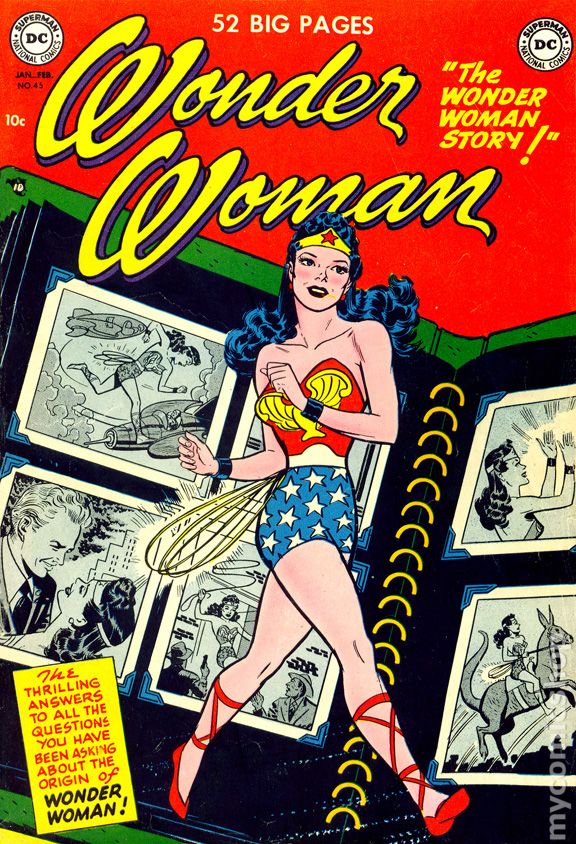
Wonder Woman was first released as a comic book character in 1942. I think the feminist iconicism of Wonder Woman is still relevant, perhaps more relevant than ever in an era where we consider how archaic rules against women’s bodies take center stage in national debates. We need strong voices who represent Wonder Woman, like so many women in our lives.
Lynda Carter was also Miss World USA 1972.
“No one could take advantage of her.” – Lynda Carter
How often are we presented with the idea that we are “less than” in today’s world? I would argue on a daily basis, if not hourly, when engaging on social media. It’s become almost a tired topic, where people are well aware that the images presented to them by social media’s Influencers are altered substantially, and moreover, it’s the spirit of life being portrayed as entirely utopic and solely committed to amassing huge followings that can cause us to lose touch with the fact that life is much more complicated than social media, but life is also a beautiful thing. It’s crucial to remember that nobody’s life appears as it seems, especially when it’s presented through social media.
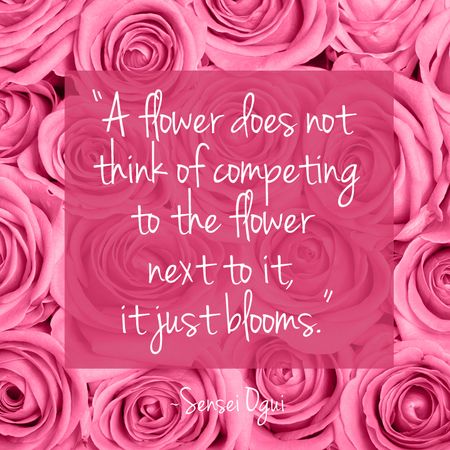
“A flower does not think of competing to the flower next to it, it just blooms.”
Too often, we are presented with imagery which causes us to consider if we are doing enough to achieve our goals, if we are reaching the heights that we seek, and so on and so forth. However, how often do we take a moment to spend each day in moments of gratitude to simply remind ourselves that life is beautiful, that you are enough, and that the experiences that you had that day can make you grateful for countless reasons. We are all flowers meant to bloom in our own unique ways.
“We don’t see things as they are, we see them as we are.” – Anaïs Nin
Everyday we wake up and are accosted with news that is unsavory. It’s news that is emotionally striking in deep ways and it’s taxing. While journalism is important in these times, it’s also important to take a moment to recognize that there are good things happening in the world as well.
I was struck when I saw this artwork on Instagram recently: a watercolor painting of a pink flower in a hand, a peace offering of sorts, as the cover of an edition of The New York Times. Do we remind ourselves enough of how beautiful life is? I am starting to believe that we don’t and this needs to change. Yes, there are enormous issues that need to be solved, and yes there are issues that have extreme urgency. However, when does the news offer a moment of gratitude? A moment to be grateful that there are good things happening.
There are communities that are coming together to help one another.
There are individuals who are kind to one another.
There are peacemakers.
There are givers.
There are people who still have hope even in times that seem hopeless.
Don’t stop watching the news entirely to avoid the world’s events, build moments of gratitude into your days, reflections which are energizing and centered around the idea that life is beautiful.
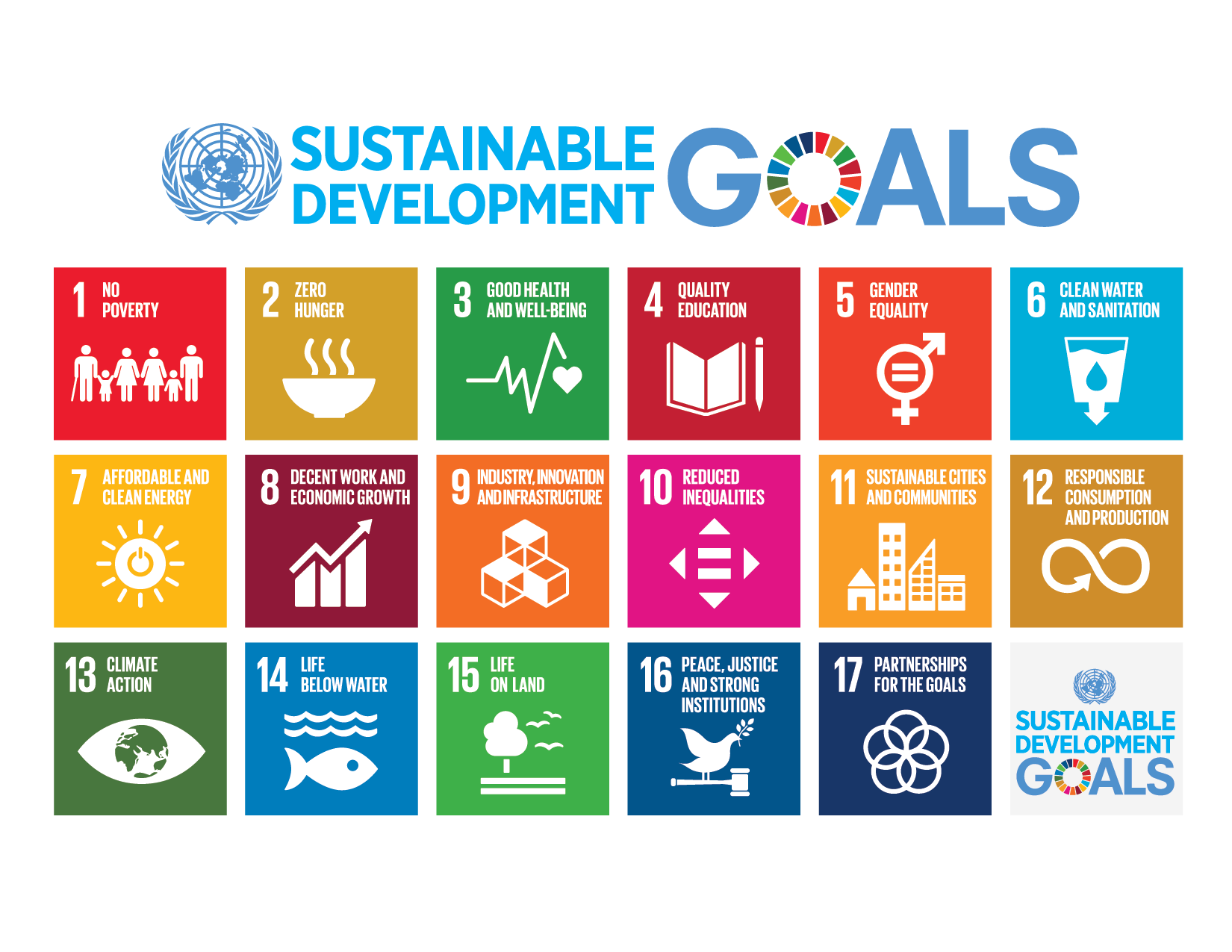
The Global Goals or SDGs (Sustainable Development Goals)
No Poverty
Zero Hunger
Good Health and Well-Being
Quality Education
Gender Equality
Clean Water and Sanitation
Affordable Clean Energy
Decent Work and Economic Growth
Industry Innovation and Infrastructure
Reduced Inequalities
Sustainable Cities and Communities
Responsible Consumption and Production
Climate Action
Life Below Water
Life on Land
Peace, Justice, and Strong Institutions
Partnerships for the Goals
Partnerships are essential for the execution of the 2030 Agenda and unfortunately cultivating meaningful partnerships at scale is quite difficult. There could be an entity that could generate partnership suggestions that could yield the scale that the 2030 agenda seeks to achieve, however that will necessitate global cooperation at unprecedented scale; yet it’s not impossible. After all, it’s one of the goals of the agenda itself.
The interest in making a strong argument for value creation in partnerships stems from how “despite the rhetoric around collaboration, we are still not seeing sufficient impact coming out of partnerships as an essential mechanism for impact.” This arises for a couple of reasons; the paper asserts that partnerships aren’t being modeled enough (it’s not a mainstreamed approach) and that “there is an insufficient enabling system that can systematically develop partnerships at scale that’s required to deliver the SDGs.” While this a challenging reality to face for the execution of the 2030 Agenda, I think it’s possible there are opportunities to overcome those challenges in creating, sustaining, and generating the partnerships necessary for the goals.
In the Leverage and Exchange partnership model, partners recognize that there is a complimentary relationship as “one organization recognizes another can provide resources that it needs to employ towards its strategic goals.” This is a commonplace model for a typical CSR relationship and it’s an important opportunity to form relationships. This type of relationship depends on the partnership for impact, but it can be very impactful depending on the entities partnering. For example, large tech firms offering their services to nonprofits which can enable more effective services to its communities by the nonprofit.
The second category of partnership, Combine and Integrate is more comprehensive in the sense that both entities are invested in the partnership in a deeper way: “This takes us into an area of what most people would recognize as a cross-sector partnership… where complementary resources are brought together to tackle a common challenge or shared strategic goal.” In this partnership model, both entities are engaging in the resource exchange, therefore their experience is more integrated in the sense that there is a shared experience, but also this partnership model requires more sensitivity to cultivating a commitment to mutual trust and respecting cultural differences.
The third partnership category, Transform, exists to tackle a goal which will result in systemic change. This is likely a complex environment where “partners bring differing world views and perspectives to the issue.” Stakeholders in this partnership model are essentially negotiating how to create change that is going to be systemic and is politically acceptable and feasible.
There is great value creation to be had for the partnerships across these different models. When engaging in partnerships, organizations can expect the following related to value creation:
Value Creation Across the Three Partnership Models
Leverage and Exchange adds organizational value
Combine and Integrate adds organizational value and mission value
Transform adds organizational value and mission value (potentially at larger scale as this has the opportunity for multi-stakeholder dialogues)
In a 2017 meeting at Davos, Raj Kumar wrote ” …perhaps the most powerful message from the SDGs for this meeting in Davos: at a time of great uncertainty when world leaders and corporate CEOs are trying to find their footing, the idea that the biggest global challenges are clearly laid out, have targets and metrics associated with them, and can only be solved in partnership by all people working together offers a much-need roadmap.” That is the essence of what the Goals represent.
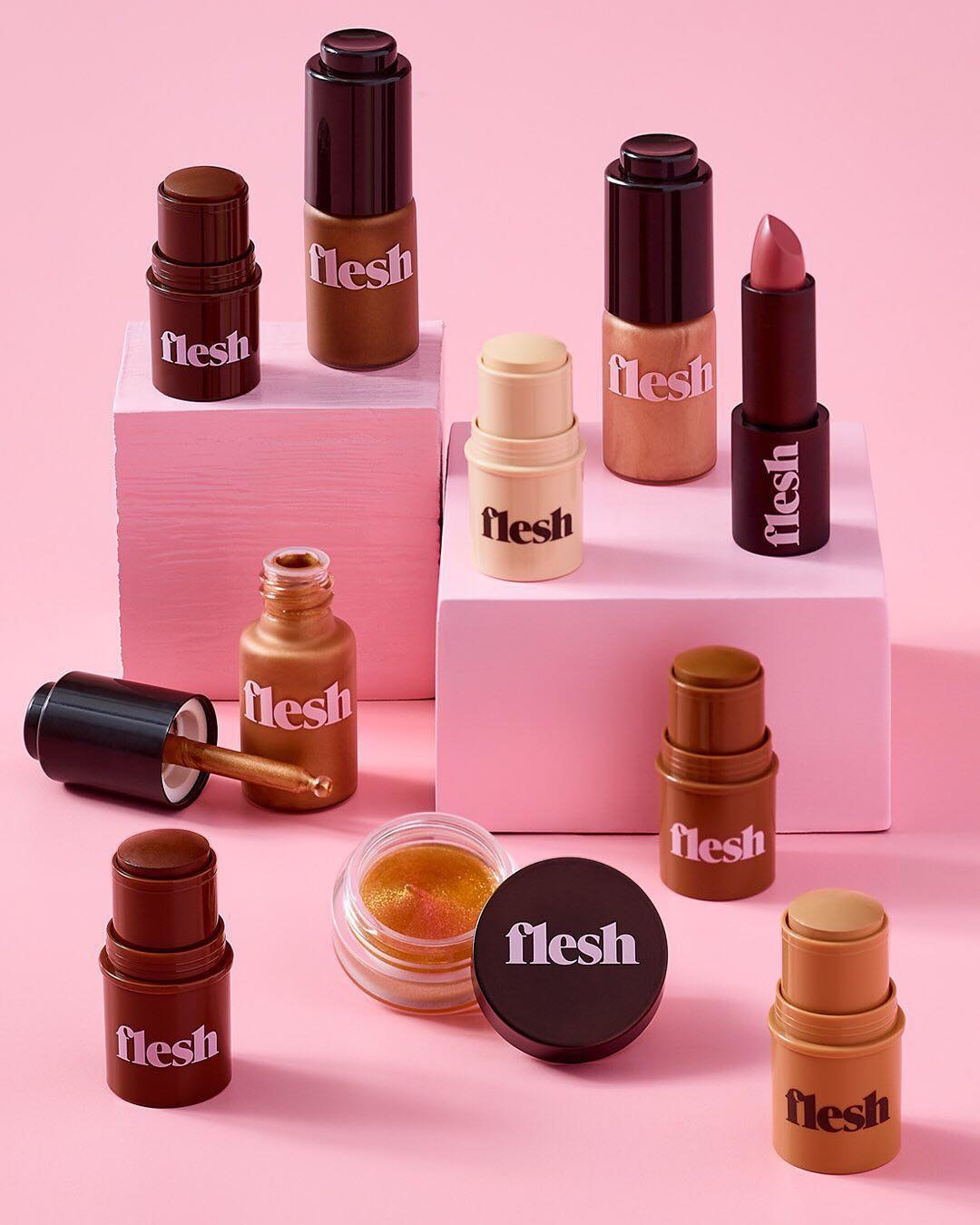
A new beauty brand recently caught my eye – they have been rated by Allure as the newest up and coming beauty brand of 2019. In today’s competitive beauty market, the most important values for brands to integrate have themes of authenticity, inclusivity, and innovation.
Flesh is just that; perhaps Flesh is a similar concept than Glossier, but I think the product range is more comprehensive in so far that the focus is more on delivering innovative foundations in a vast shade range and unique lipstick colors, which live into their idea of highlighting the “flesh” in all the right ways. If you’re looking to try some new products this summer and fall, look no further than the comprehensive shade ranges provided by Flesh.
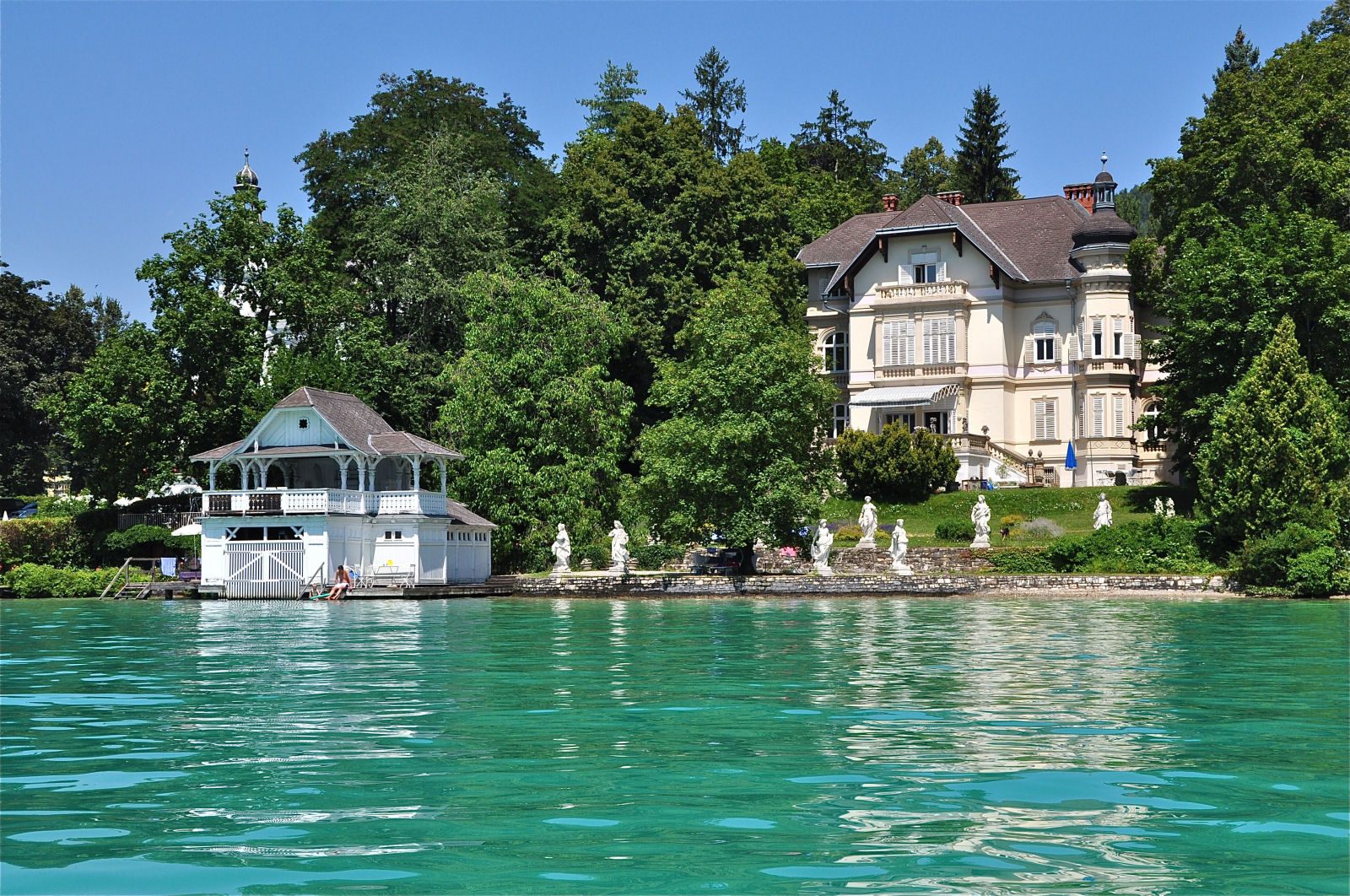
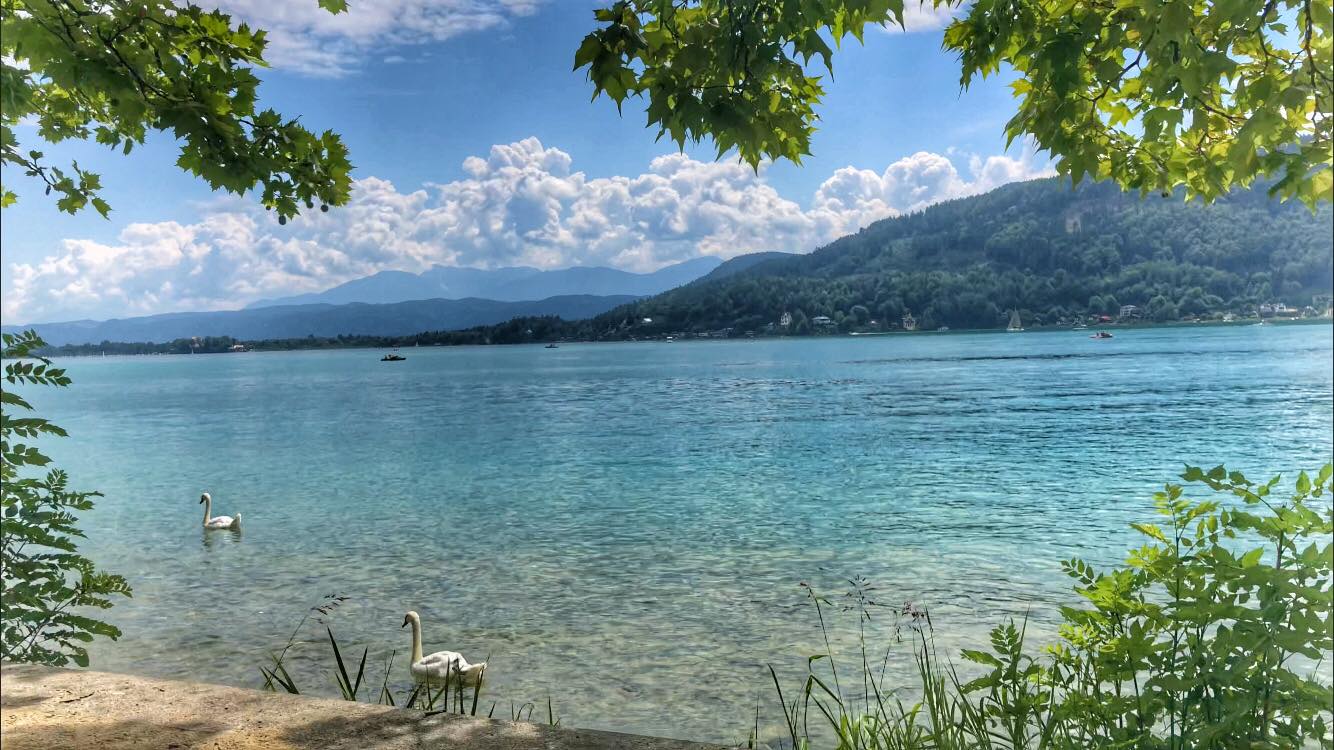
A lake of stunning quality located in the south of Austria, in the state of Carinthia, is Wörthersee. Growing up, when visiting my mother’s hometown of Klagenfurt, we would often go to this lake. Nicknamed “Austria’s Monte Carlo,” this lake lives up to that name and more.
I have such fond memories of the beauty of this lake that I am quite sure it will always remain in my mind as one of my favorite places in the entire world. Please make sure to include a few days in your trip to Austria to enjoy this lake, as it surely is much more than a one day stop.
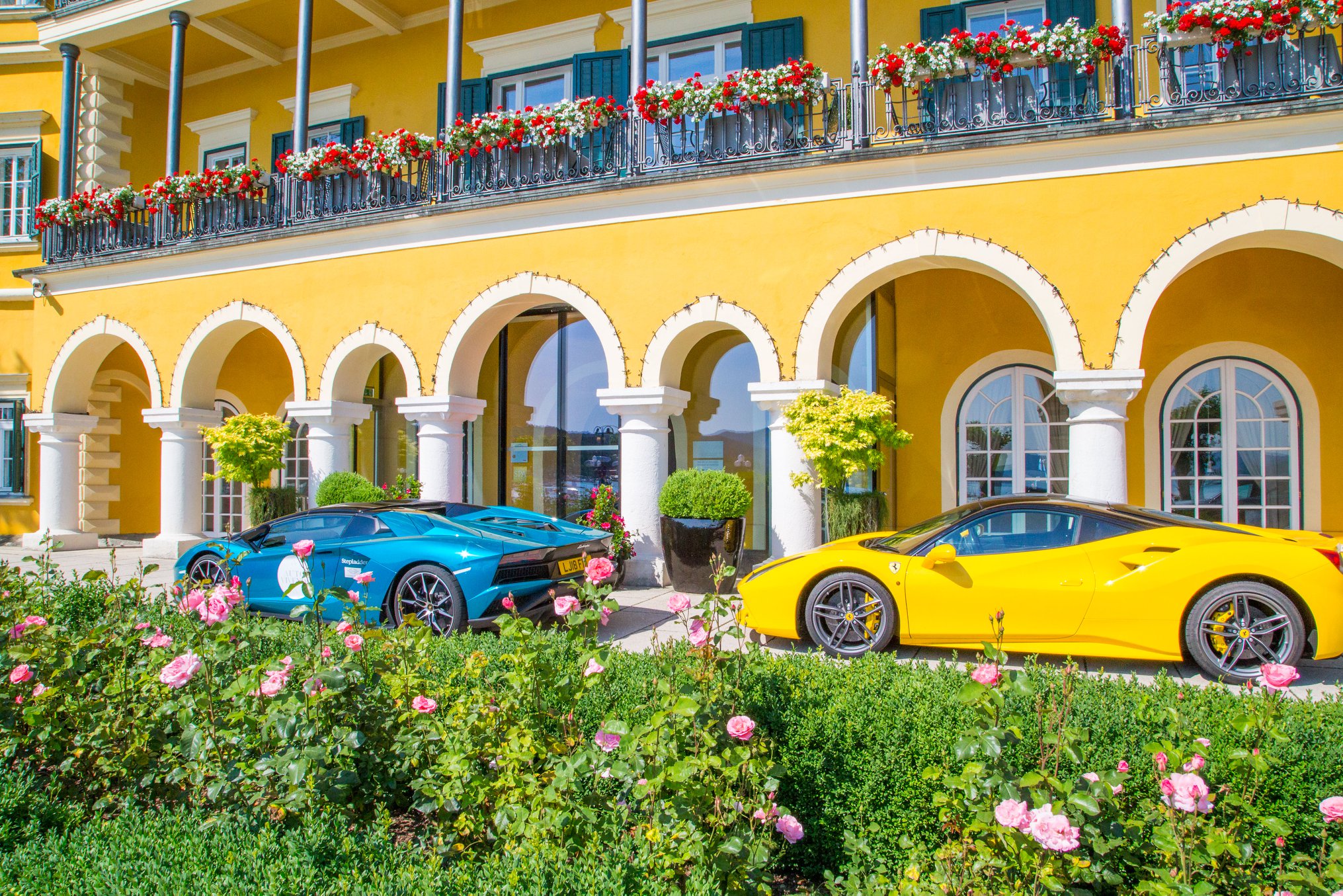
The lake’s surrounding area has many activities to engage in, there are many spas and resorts, as well as a casino. The area is also very family friendly, so there is something for everyone; the lake’s climate is Mediterranean which makes it nice and warm. The largest car show in Europe for Volkswagen and Audi has been held every year there since 1981, Wörthersee GTi-Treffen. I think there is really no better place for a summer getaway!
You will certainly see race cars and roses at Velden Castle!
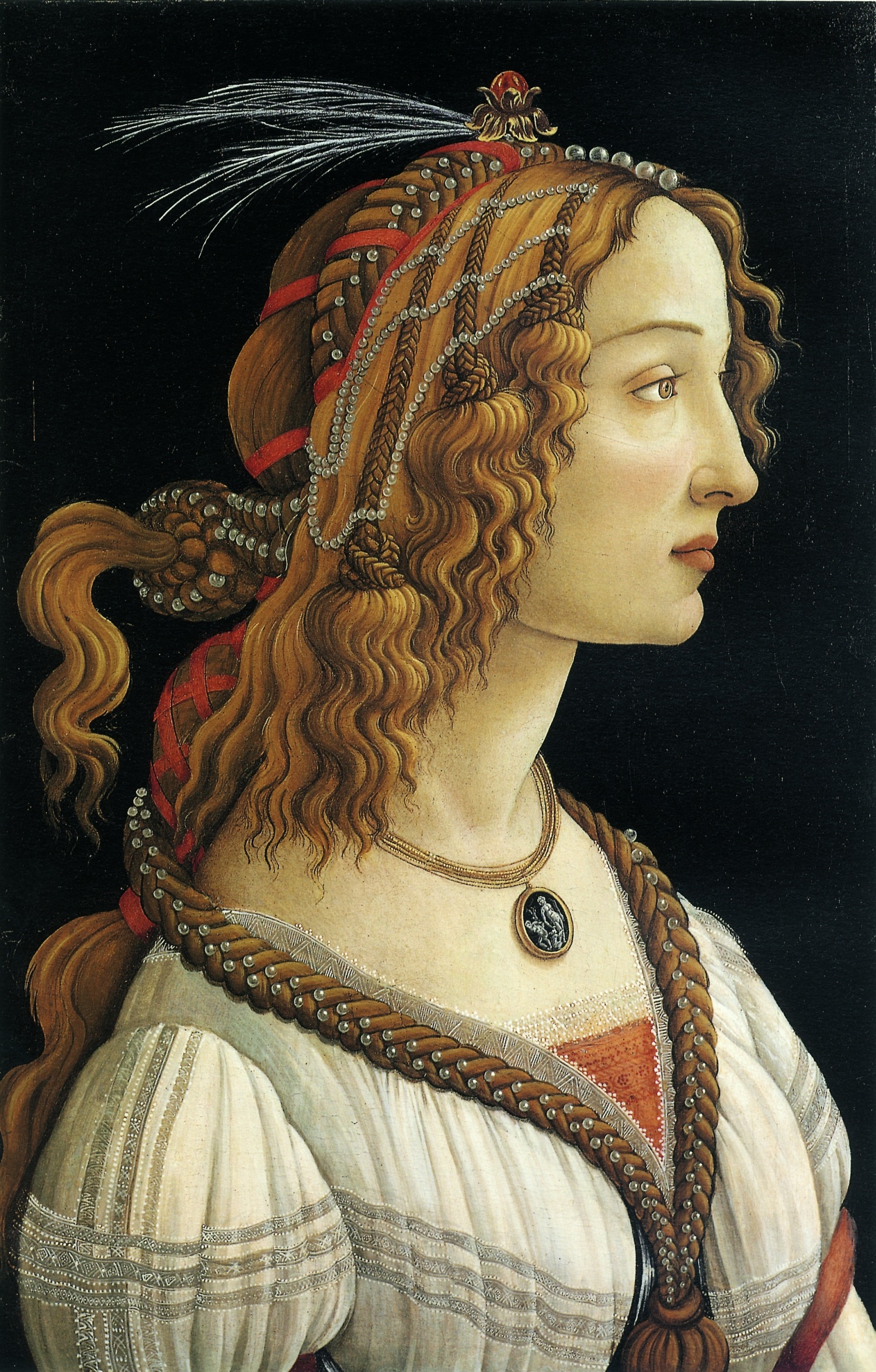
Simonetta Sancristoforo Cattaneo is the last living descendant of the Venus of Botticelli. She is a Gallery Manager in London.
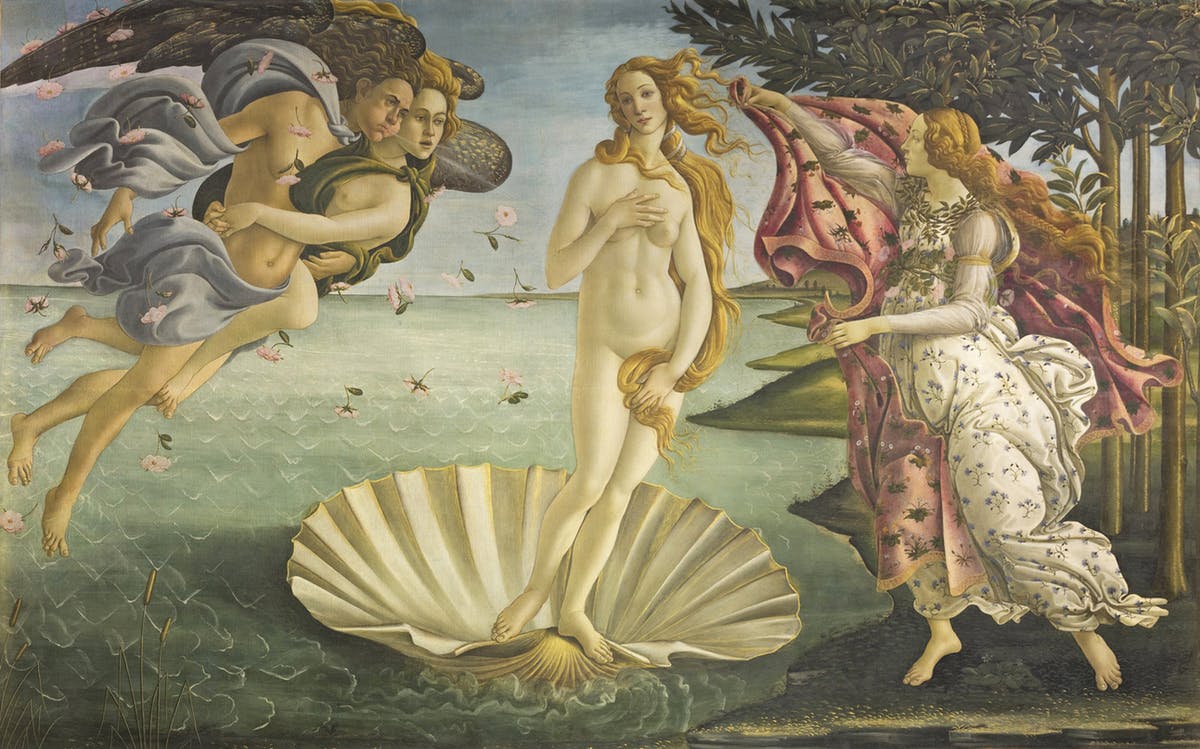
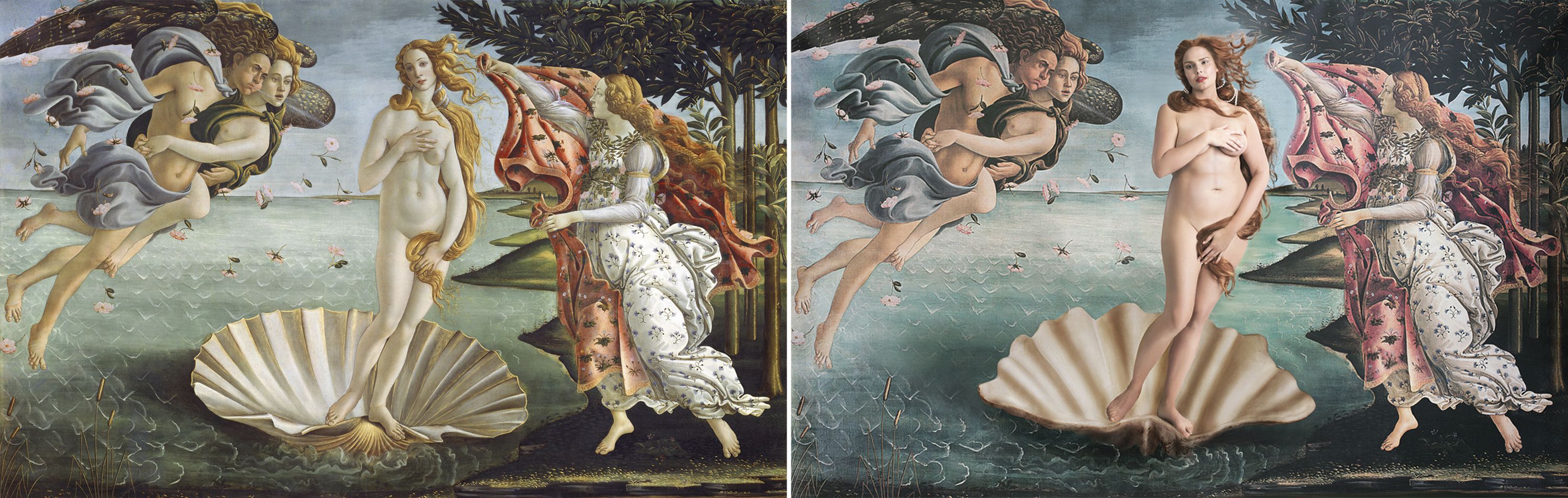
Venus is an icon of beauty and femininity, she is a goddess that is alive. The Birth of Venus is a painting by Italian artist Sandro Boticelli in the mid – 1480s. The image displays the goddess Venus arriving at the shore after her birth as the legend states that she had emerged from the sea fully grown (Venus Anadyomene meaning “Venus rising from the sea” in Greek). Venus is also known as Aphrodite, the goddess of love, beauty, pleasure, and passion.
This painting by Botticelli is available to view by the public at the Uffizi Gallery in Florence, Italy. Boticelli’s model did not pose for this painting nude, nor did she pose for this painting at all, she had passed away. It’s rumored that Simonetta Cattaneo inspired much of his art, even after her passing.
Simonetta Vespucci (Cattaneo) lived from 1453 – 1476. Boticelli painted his famous painting in the mid – 1480s.
The meaning of the famous Venus painting has endured through the centuries. It remains relevant after more than 500 years; by all means, this painting and its goddess is alive. In this case, life imitates art.
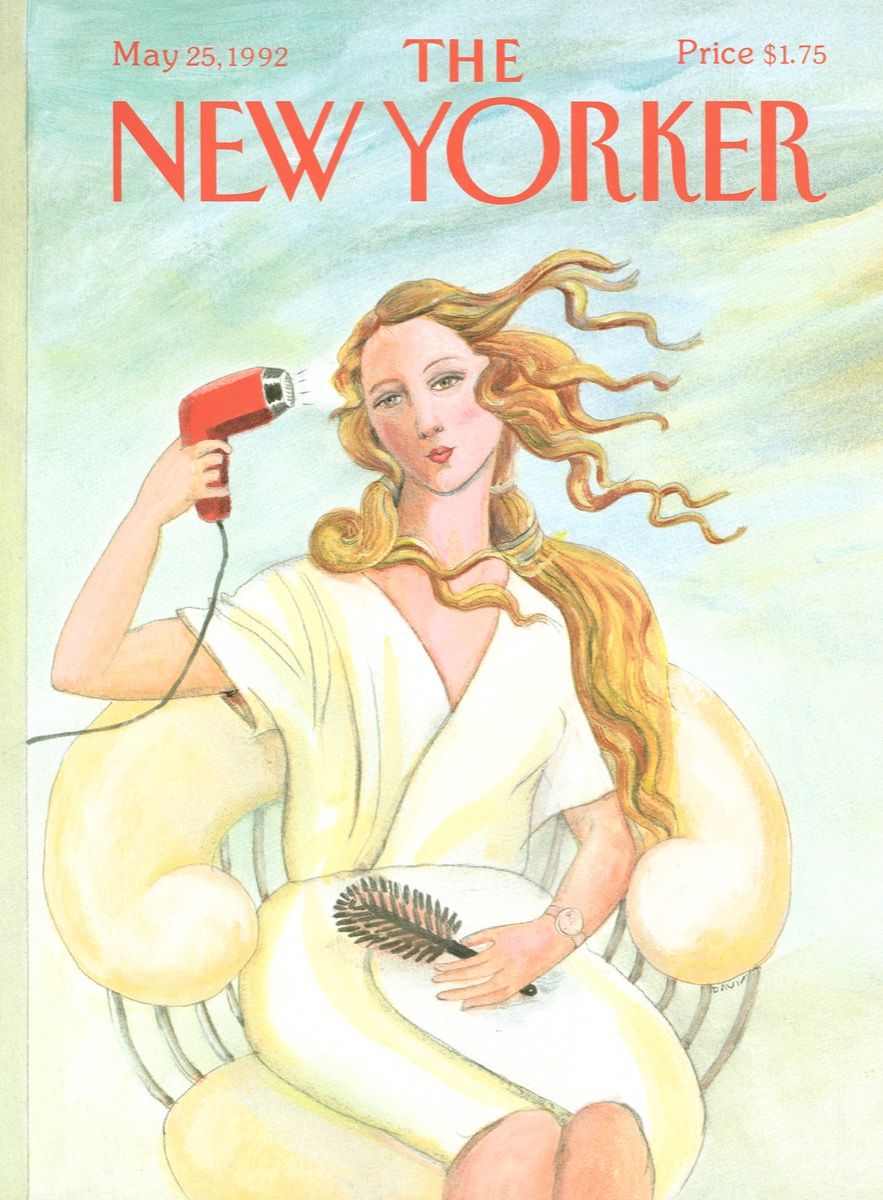
Models often pose like Venus for photo shoots. Above is model Candice Huffine posing for Harper’s Bazaar and below is model Emily Ratajkowski for Sports Illustrated Swimsuit. Birth of Venus iPhone cases are quite popular and sold on Amazon.A 1992 copy of The New Yorker.
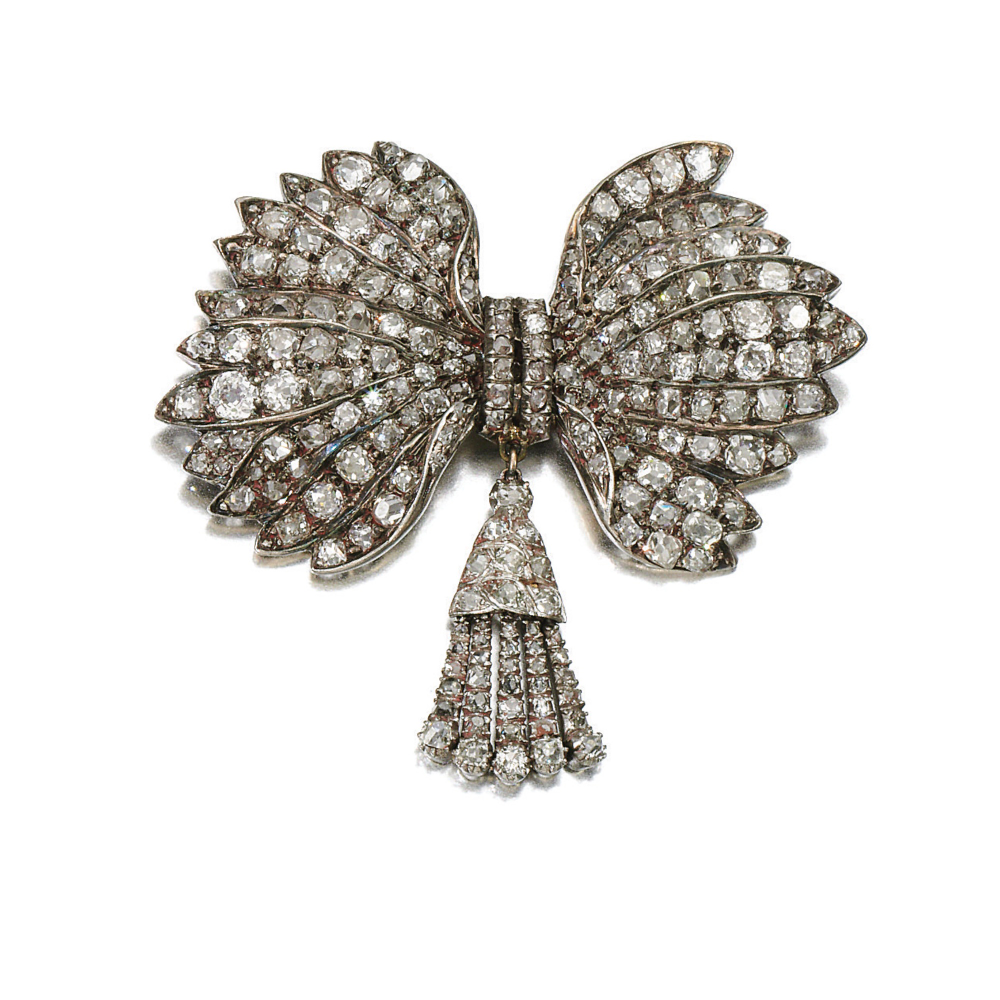
The pieces shown above are unique to an era of time that is sadly long gone, but the historical value preserved in these pieces is invaluable and can still be worn today for its timelessness. There is no single period in history than the Victorian period thus far that has had such a diverse style of jewelry attributed to it.
The Victorian era of jewels is marked by a particular interest and emphasis on the ultra feminine, jewels which incorporate images of women, Greek goddesses, and incorporate details such as bows and flowers. The 18th century necklace above sold through Sotheby’s for more than 800,000 GBP. That necklace is a style representative for the time as the necklace also highlights the dress worn as well, rather than decoration only for the neck.
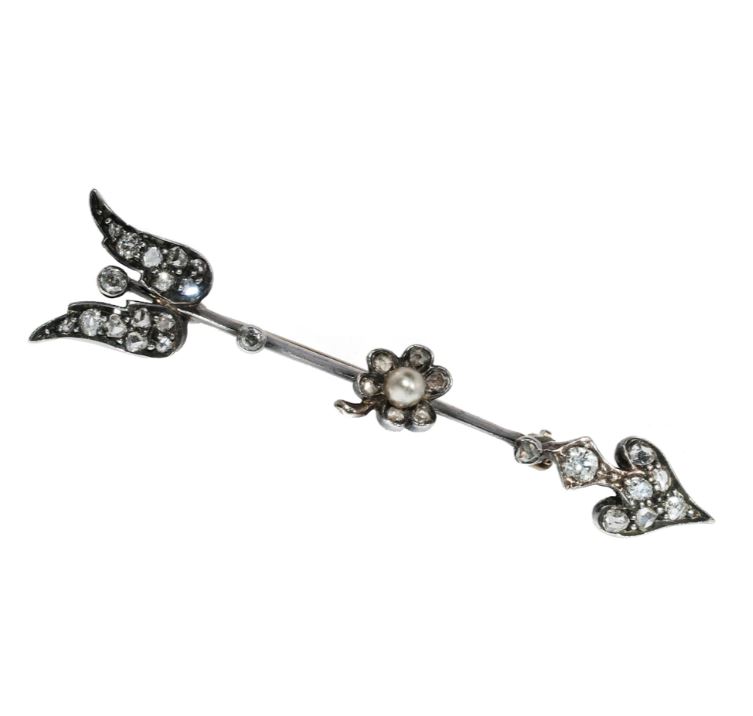
The brooches above are early 19th century pieces that clearly symbolizes love and glory with its pierced hearts by arrows in the first brooch. The heart shaped brooch sold through Sotheby’s for 26,000 GBP, while the bow shaped one sold for 2,000 GPB. The valuation of these pieces interests me as they are appraised according to their condition as well as other historical factors that may influence their value. For example, Marie Antoinette’s jewelry from the Rococo era recently sold at auction for more than $300 million at Sotheby’s, which certainly influenced the Victorian era of jewels.
“The jewels are a form of art that you can wear.”
This is a late Victorian, silver over gold, arrow pin with a pearl and diamond floral cluster. The brooch is set throughout with old cut diamonds which contrast against the silver topped gold that has darkened nicely with age.
This particular arrow’s design is unique in that its tip looks like it has been taken from the Queen of Spades and its fletchings/feathers, off the back of an angel.
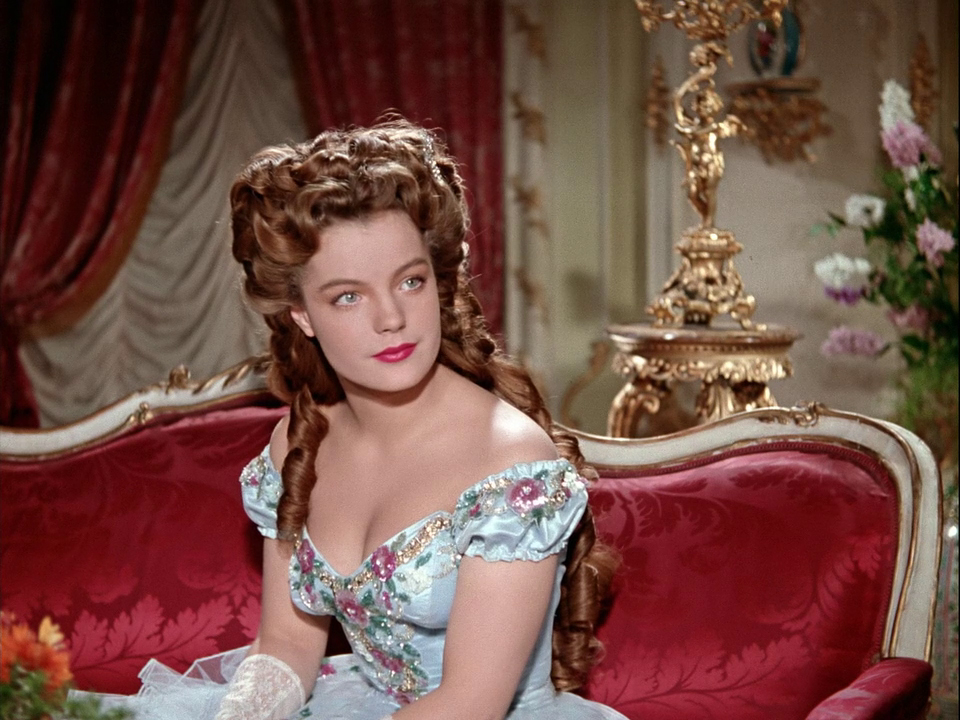
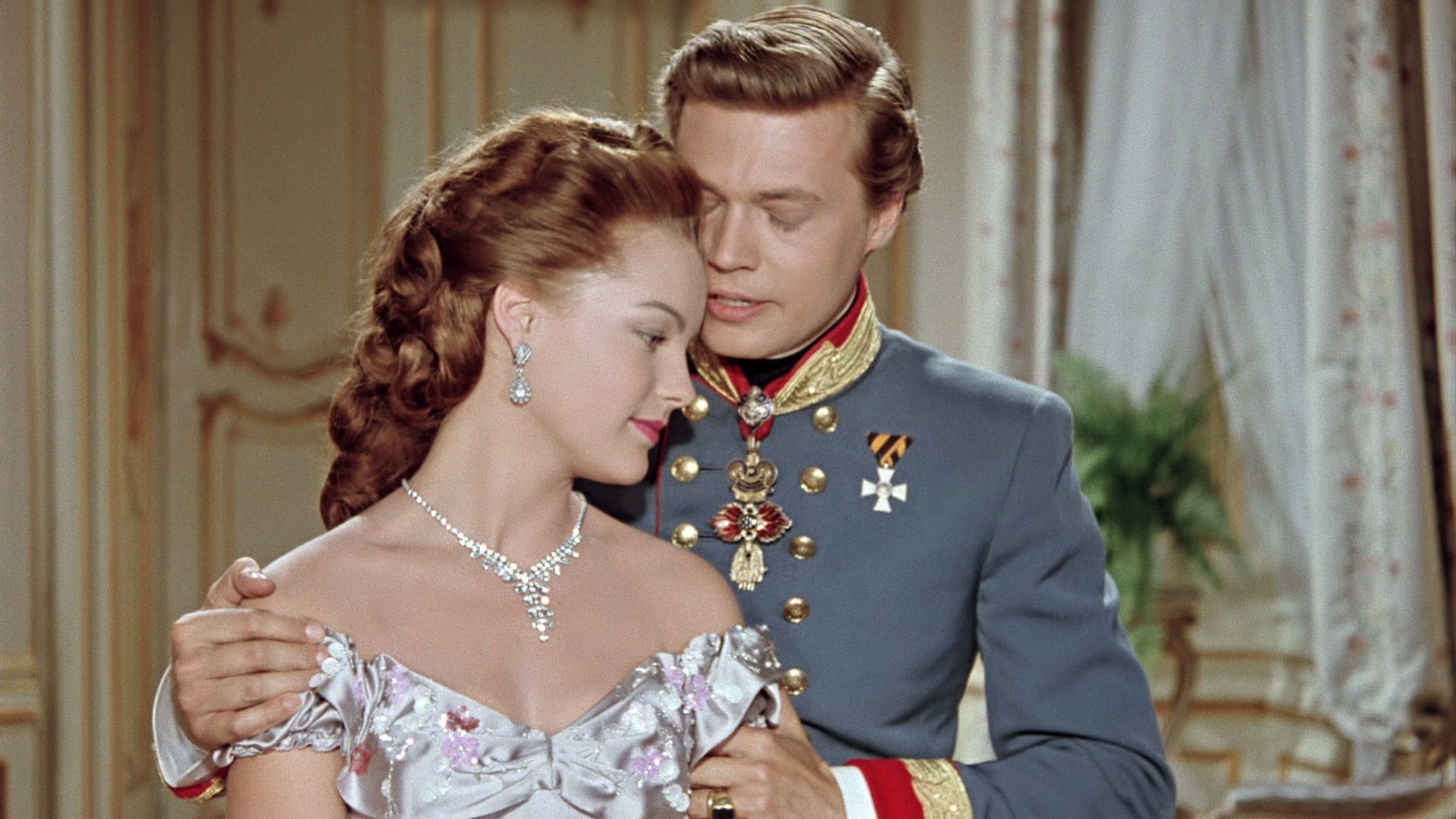
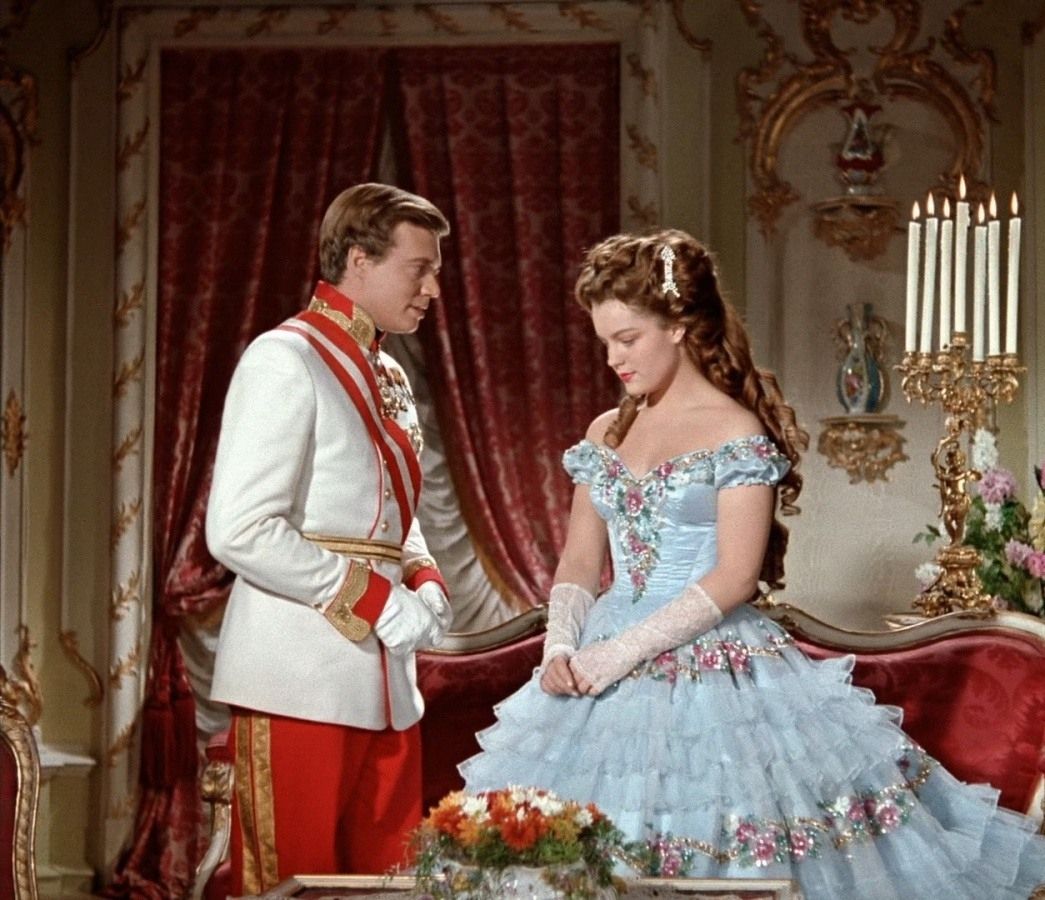
Emperor and Empress of Austria as portrayed in Sissi.Romy Schneider as Empress Elisabeth.
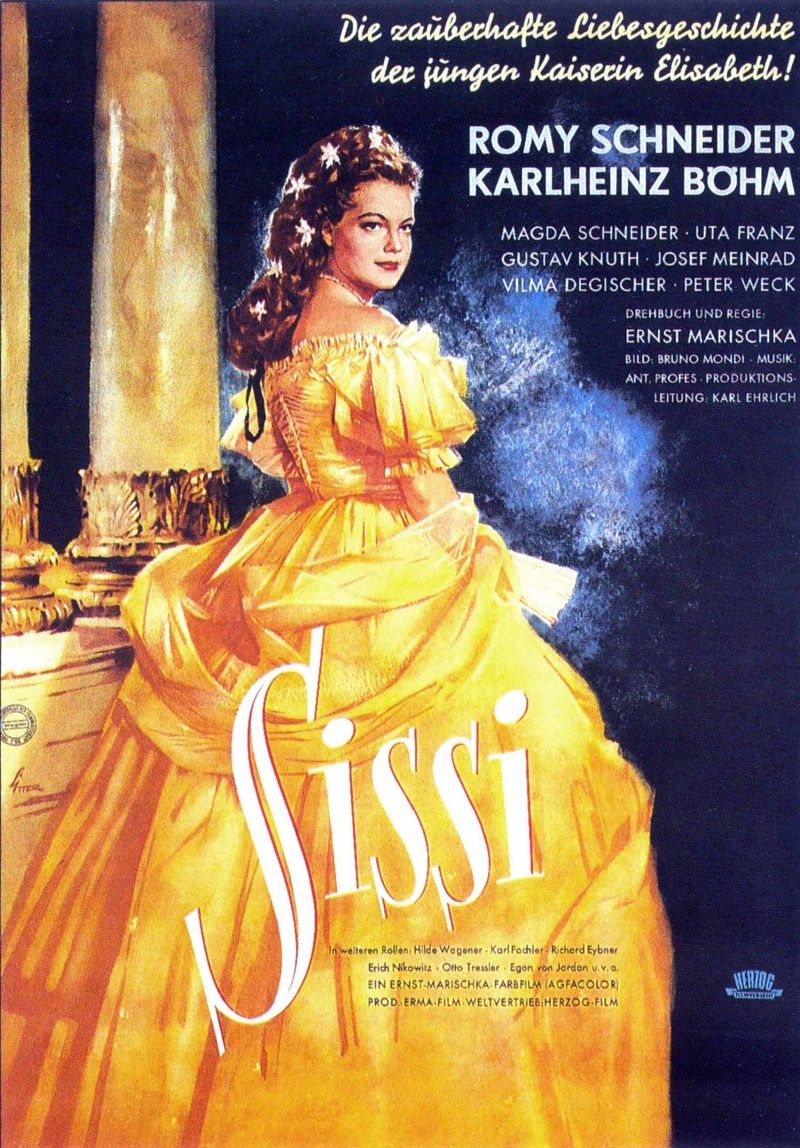
An Austrian classic is the 1955 film directed by Ernst Marischka about Empress Elisabeth’s life Sissi. The film is the first installment of a triology of films featuring Romy Schneider and Karlheinz Böhm, and is a cultural phenomenon in Austria, usually featured on the ORF television network during the Christmas season each year. Growing up, watching this film triology was a joy for me; learning about the royals in Austria, as well as the emblematic and historical culture of Austria. The real Empress Elisabeth’s life was quite a bit less romanticized than the wonderful films.
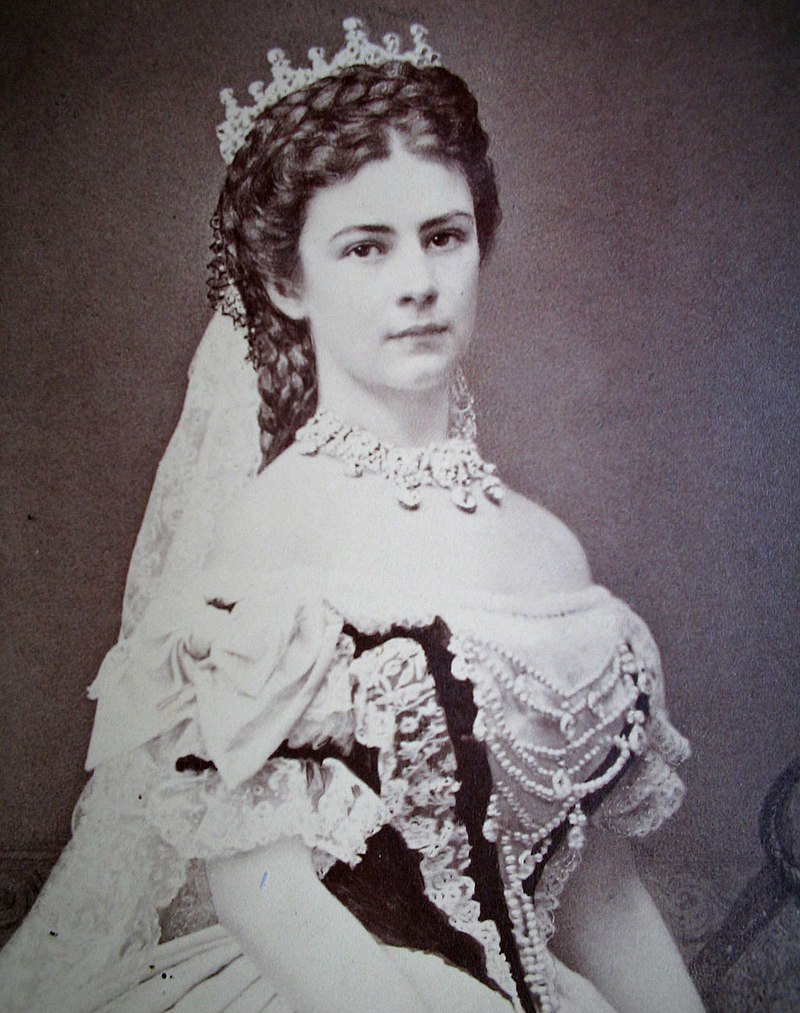
The real Empress Elisabeth at her coronation.
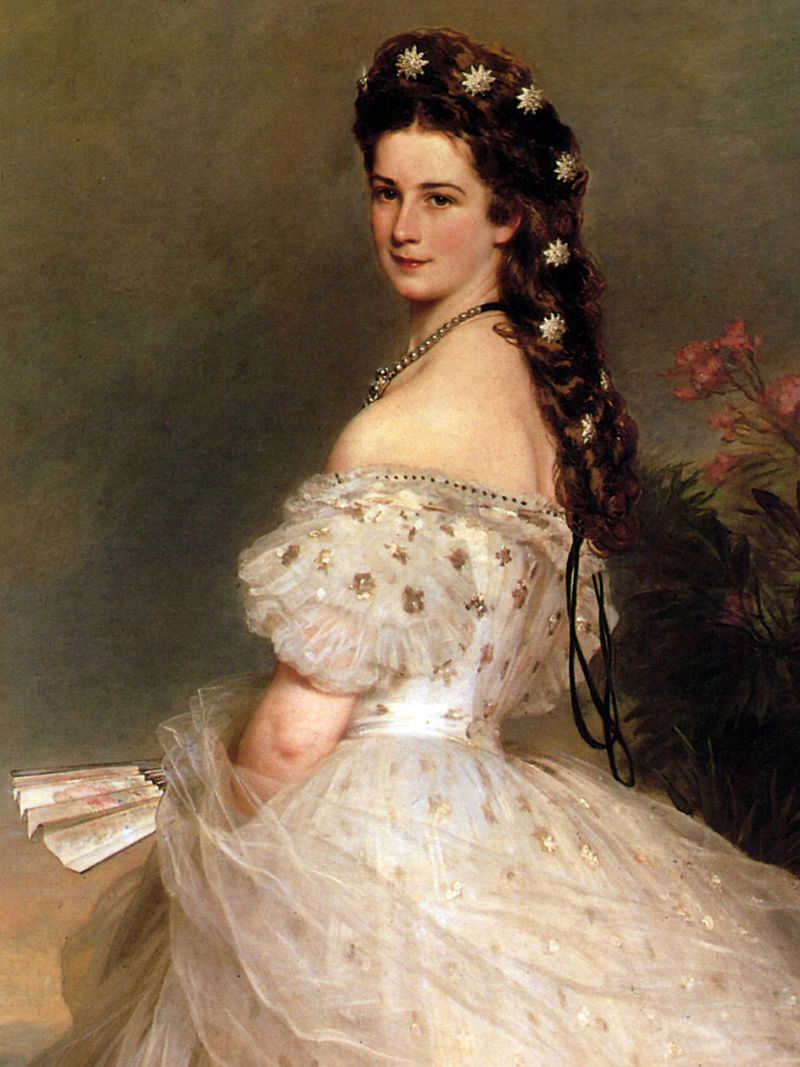
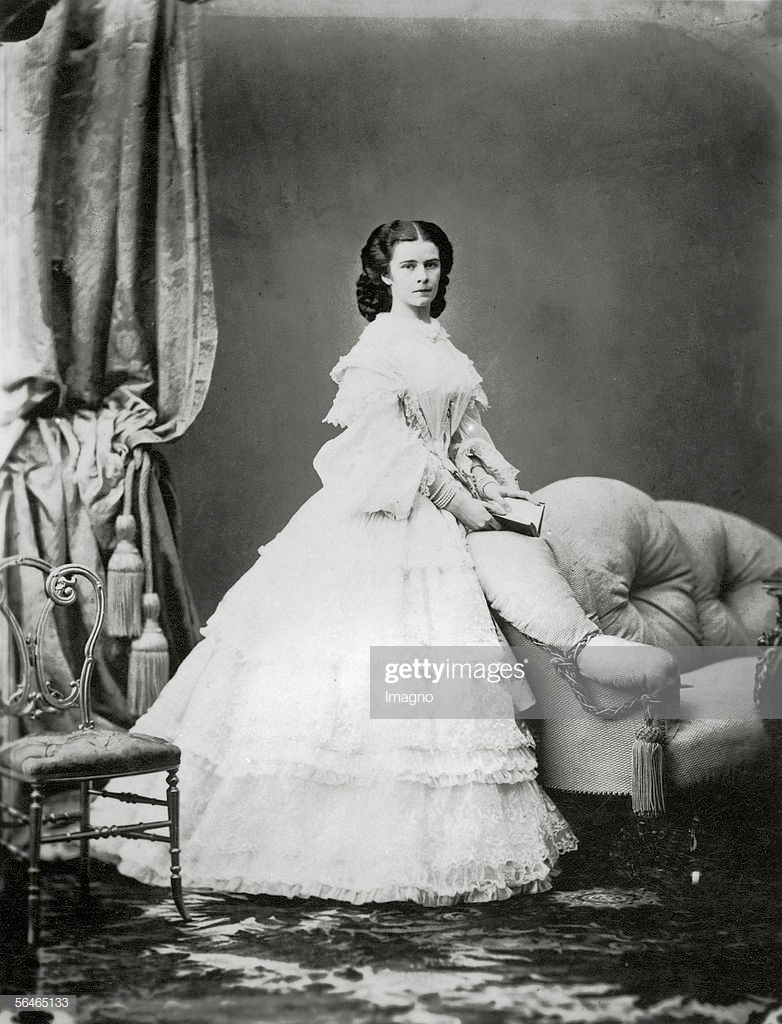
The real Empress Elisabeth was Empress of Austria and Queen of Hungary and reigned from 1854 – 1898. Her life was quite fascinating. The Empress unfortunately suffered from anorexia; she exercised vigorously and weighed at one point 95lbs, and this was after having four children. She was an avid equestrian and athlete and was considered to be an emotionally complex individual.
Her only son’s death in a murder suicide with his lover, Baroness Mary Vetsera, at his hunting lodge in Mayerling was a tragedy that Sissi endured and never recovered from. Prince Rudolf was the heir to the throne, so his death had momentous consequences; this event was a precursor catalyst to WWI as the Prince’s death destabilized the monarchy and could be interpreted as prompting Franz Ferdinand’s assassination in June 1914. Empress Elisabeth herself was assassinated in 1898, tragically stabbed by a 25 year old Italian anarchist in Geneva at age 61 years old.
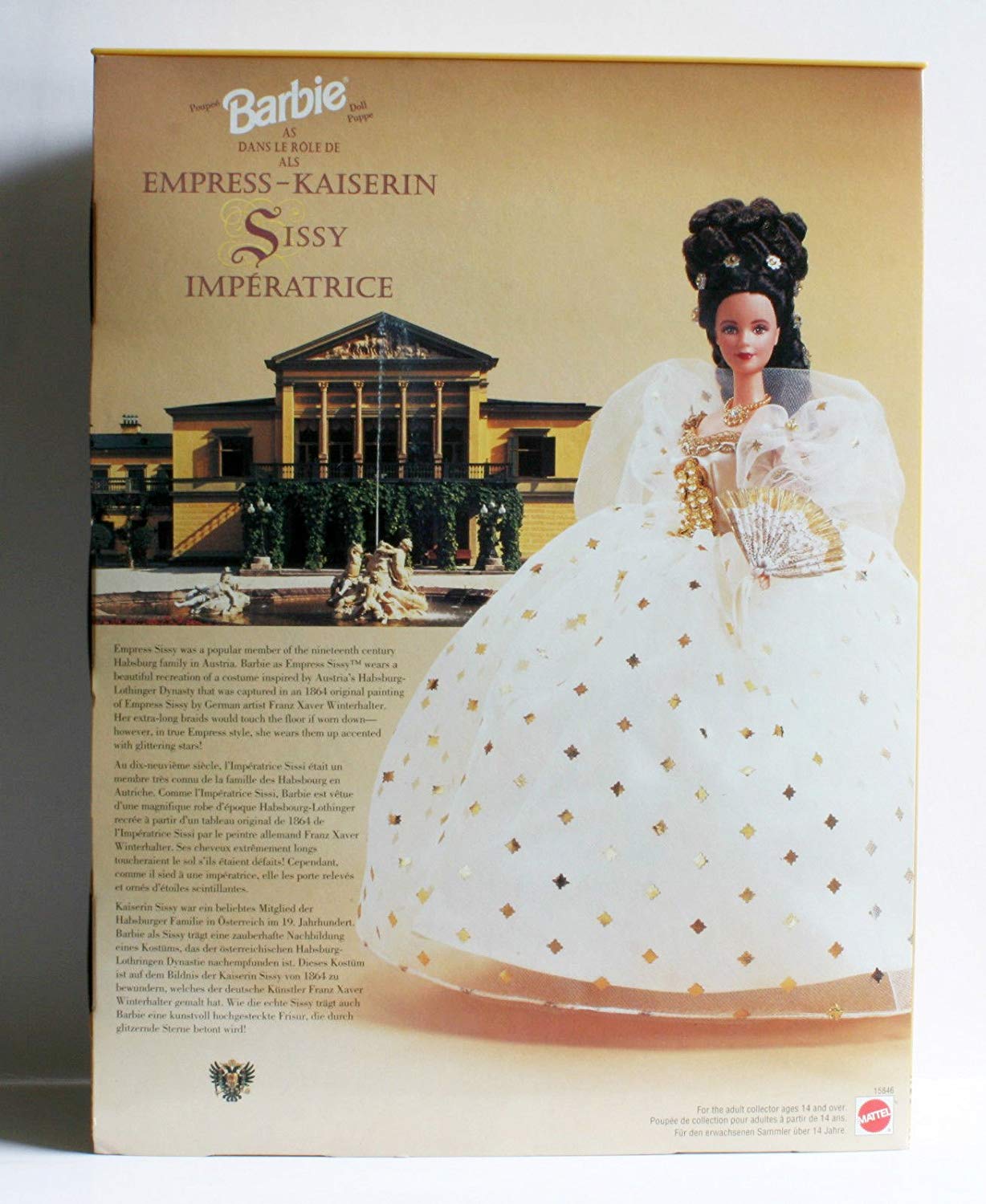
The film series created by Marsichka captured the lives of these royals in such beautiful ways. The aesthetic appeal of these films is undeniable and also has stayed timelessly stylish through the decades. I think Sissi is easily one of my favorite films, it’s charming and captivating from start to finish. Popular culture is no stranger to portraying Sissi: there is a limited edition Empress Elisabeth Barbie that is still in circulation and the late Karl Lagerfeld utilized the image of Sissi for a CHANEL advertisement in 2014. Whether or not it’s an entirely accurate depiction, Empress Elisabeth lives on.














 rosybvm.com