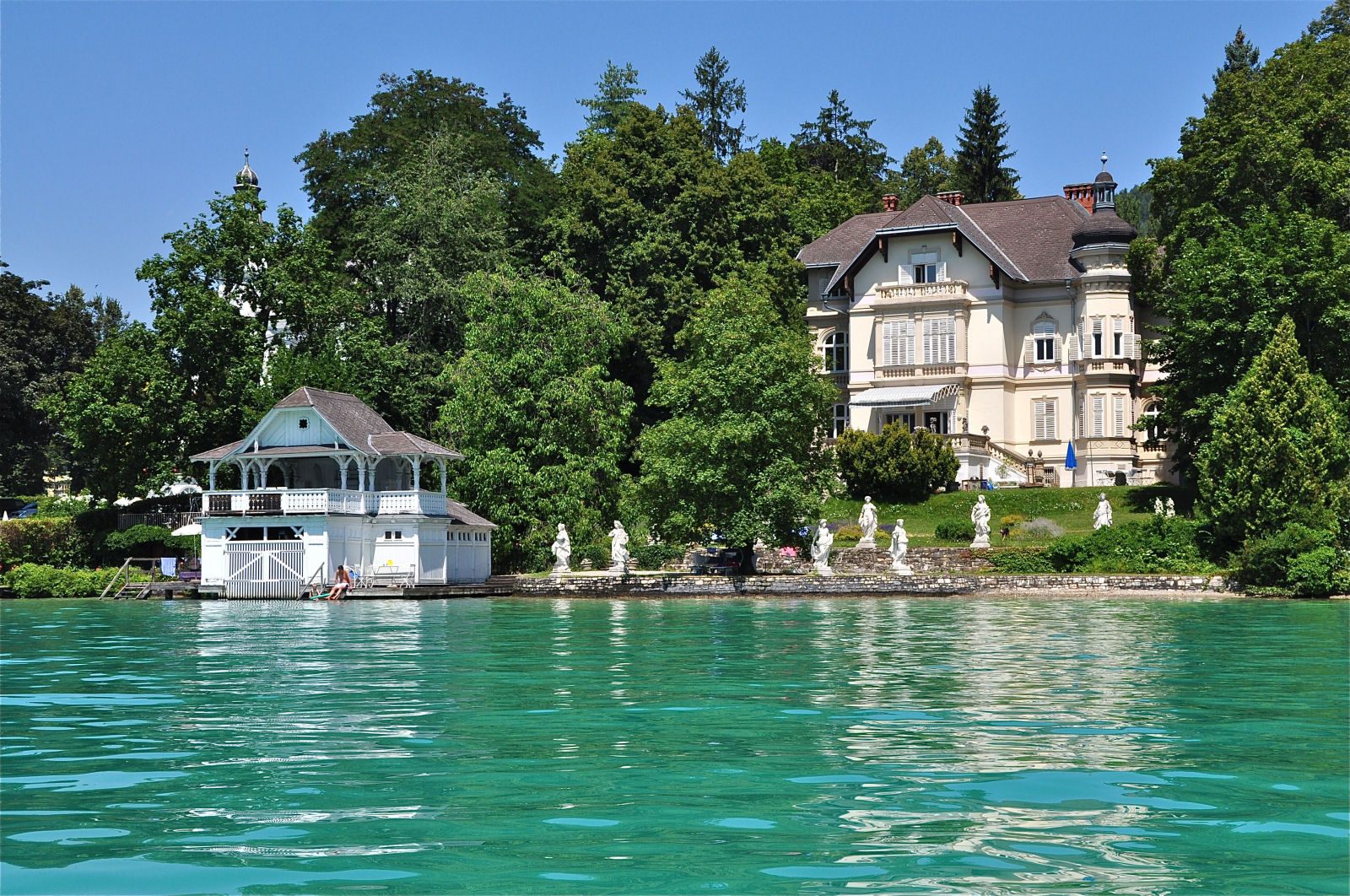
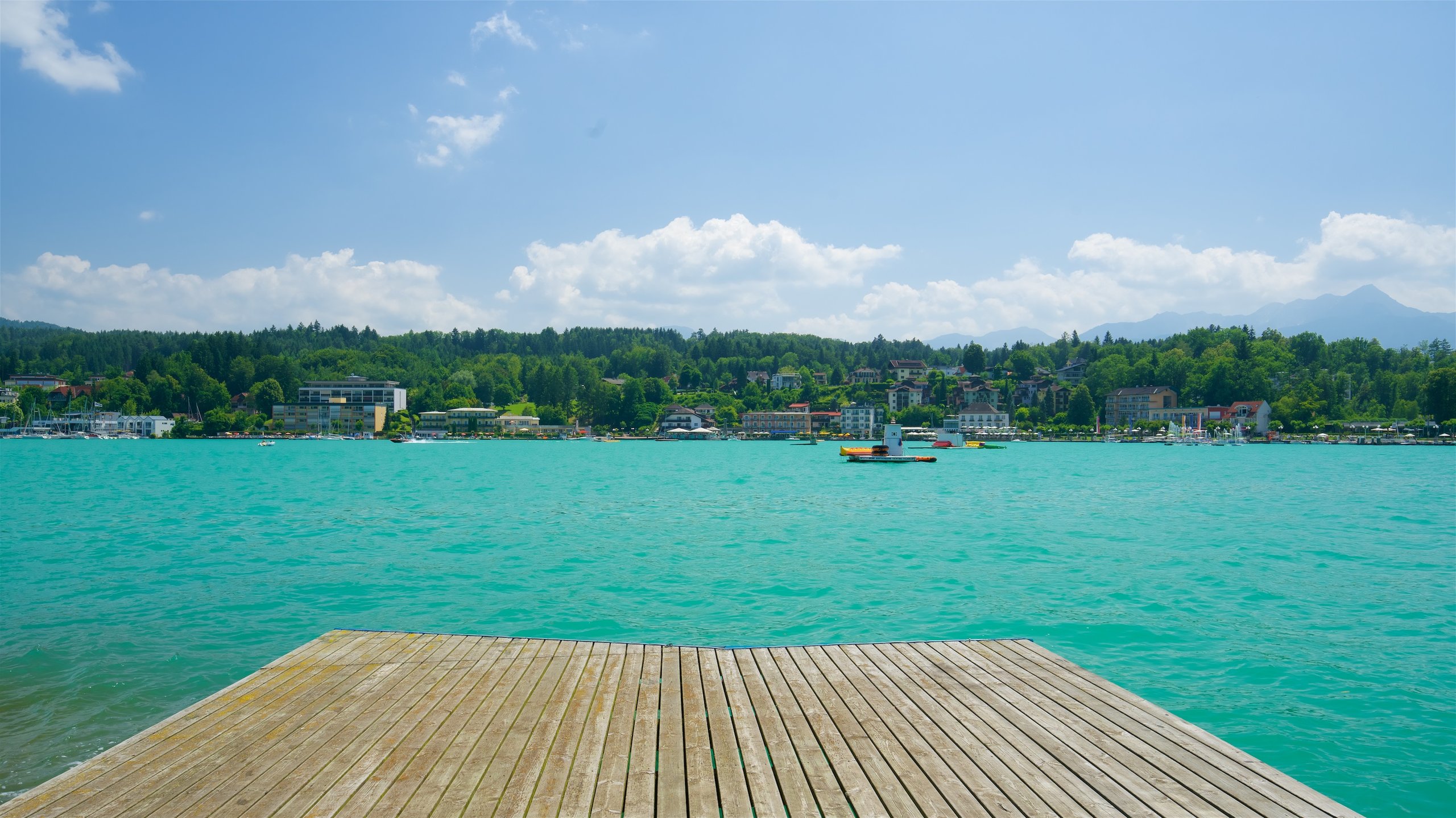
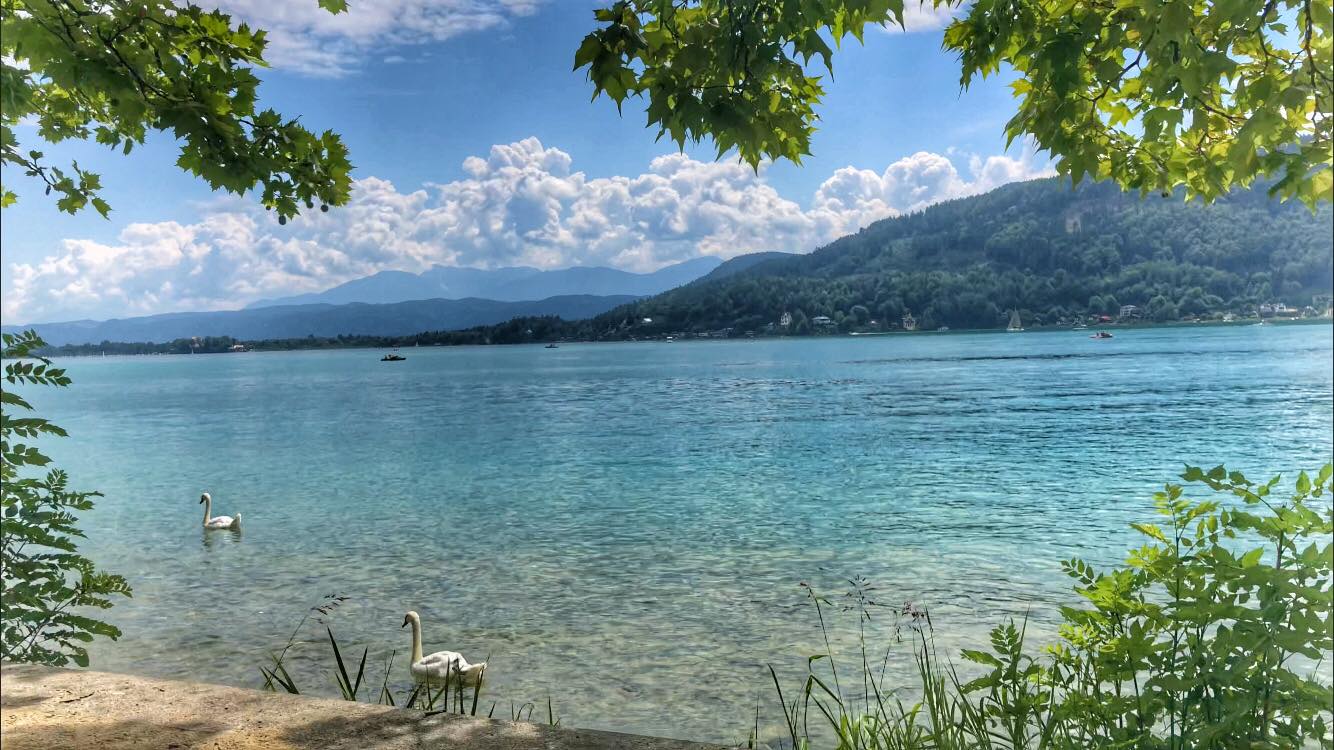
A lake of stunning quality located in the south of Austria, in the state of Carinthia, is Wörthersee. Growing up, when visiting my mother’s hometown of Klagenfurt, we would often go to this lake. Nicknamed “Austria’s Monte Carlo,” this lake lives up to that name and more.
I have such fond memories of the beauty of this lake that I am quite sure it will always remain in my mind as one of my favorite places in the entire world. Please make sure to include a few days in your trip to Austria to enjoy this lake, as it surely is much more than a one day stop.
The lake’s surrounding area has many activities to engage in, there are many spas and resorts, as well as a casino. The area is also very family friendly, so there is something for everyone; the lake’s climate is Mediterranean which makes it nice and warm. The largest car show in Europe for Volkswagen and Audi has been held every year there since 1981, Wörthersee GTi-Treffen. I think there is really no better place for a summer getaway!
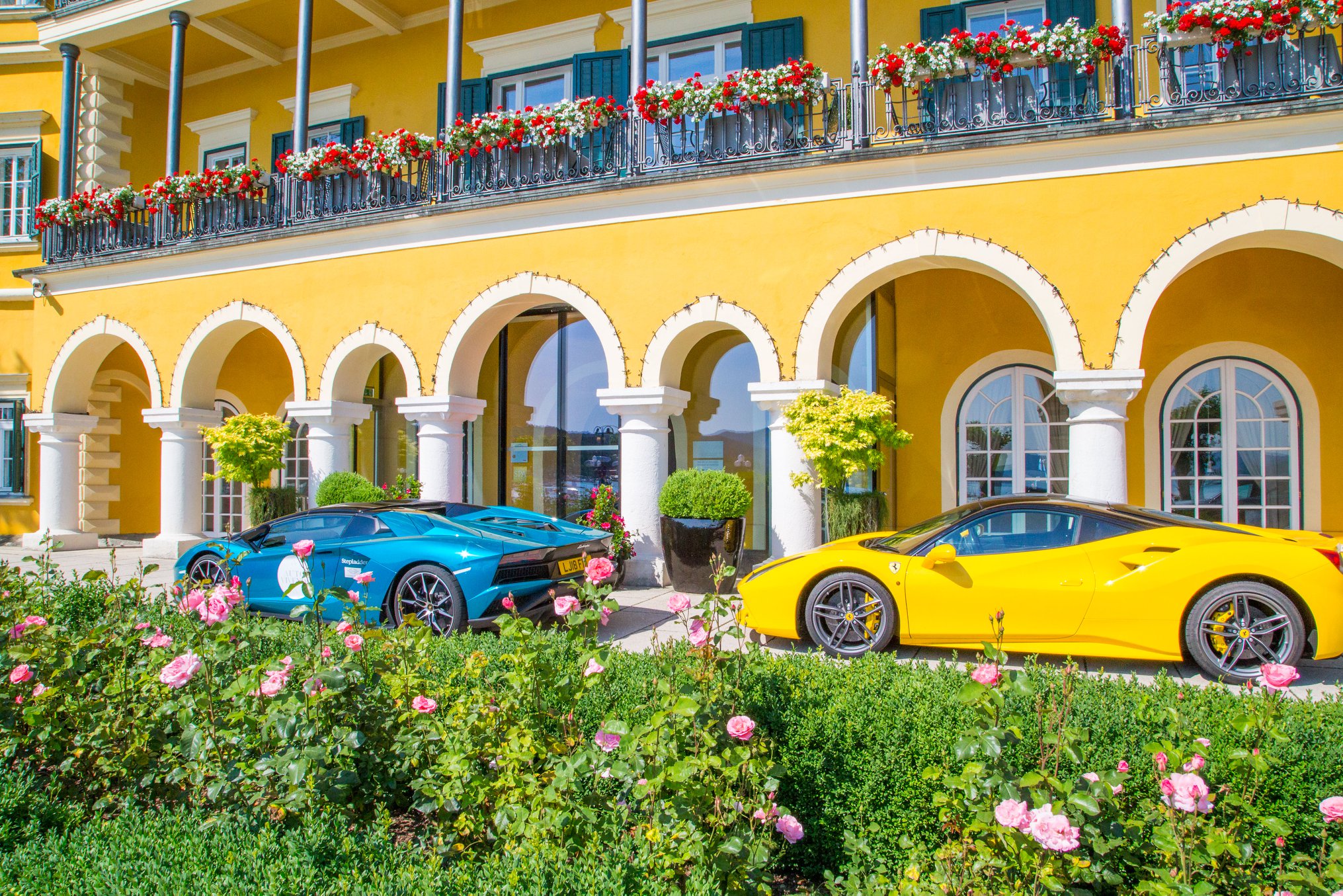
You will certainly see race cars and roses at Velden Castle!
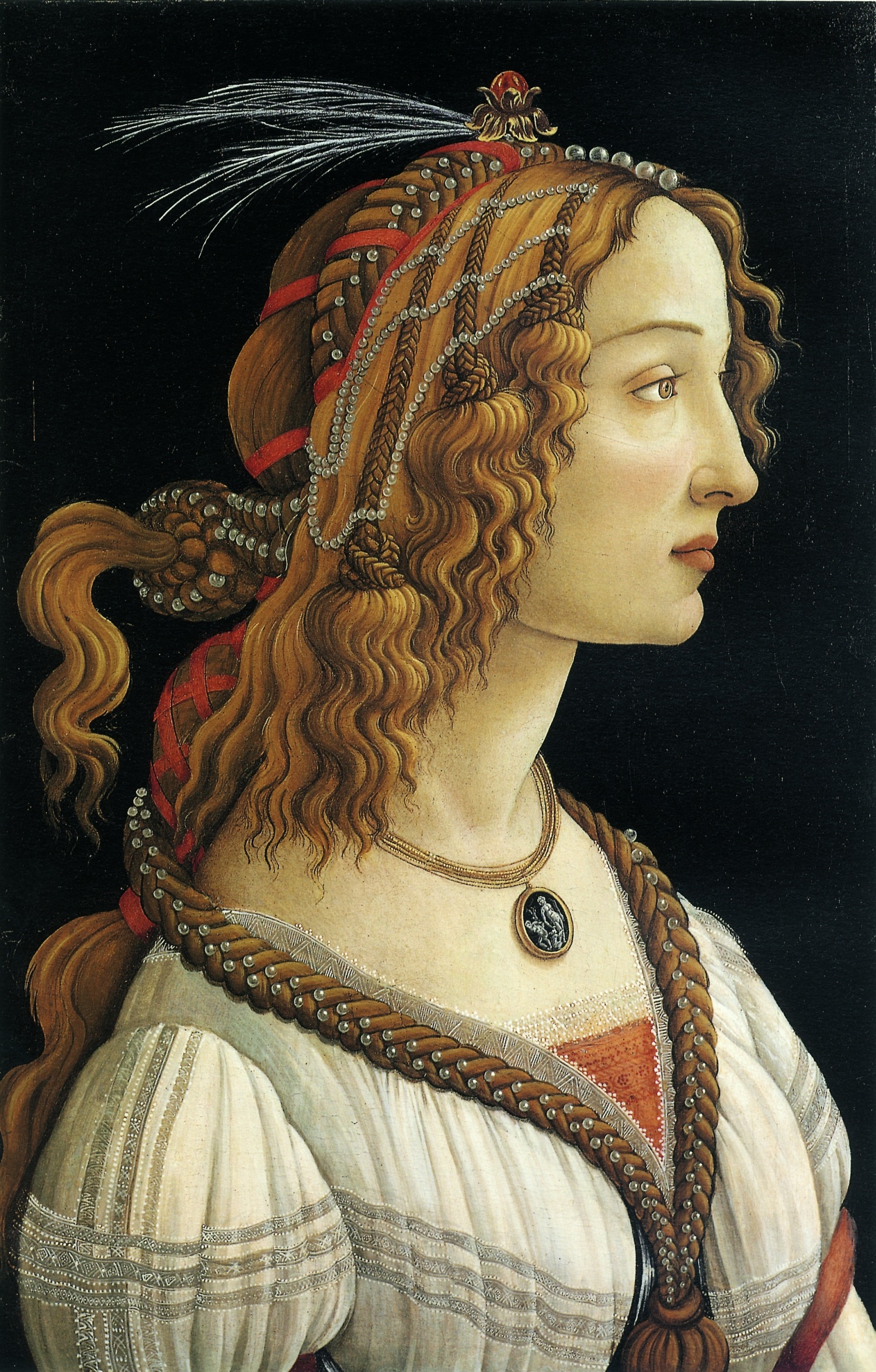
Simonetta Sancristoforo Cattaneo is the last living descendant of the Venus of Botticelli. She is a Gallery Manager in London.
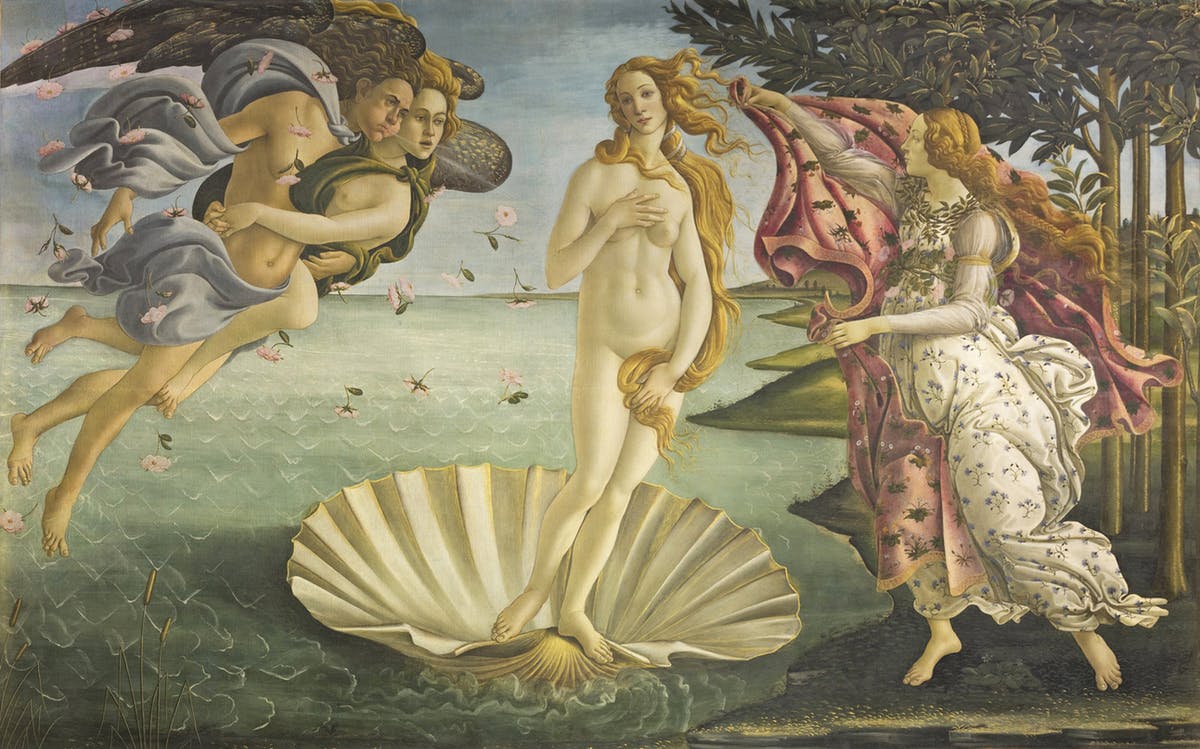
Venus is an icon of beauty and femininity, she is a goddess that is alive. The Birth of Venus is a painting by Italian artist Sandro Boticelli in the mid – 1480s. The image displays the goddess Venus arriving at the shore after her birth as the legend states that she had emerged from the sea fully grown (Venus Anadyomene meaning “Venus rising from the sea” in Greek). Venus is also known as Aphrodite, the goddess of love, beauty, pleasure, and passion.
This painting by Botticelli is available to view by the public at the Uffizi Gallery in Florence, Italy. Boticelli’s model did not pose for this painting nude, nor did she pose for this painting at all, she had passed away. It’s rumored that Simonetta Cattaneo inspired much of his art, even after her passing.
Simonetta Vespucci (Cattaneo) lived from 1453 – 1476. Boticelli painted his famous painting in the mid – 1480s.
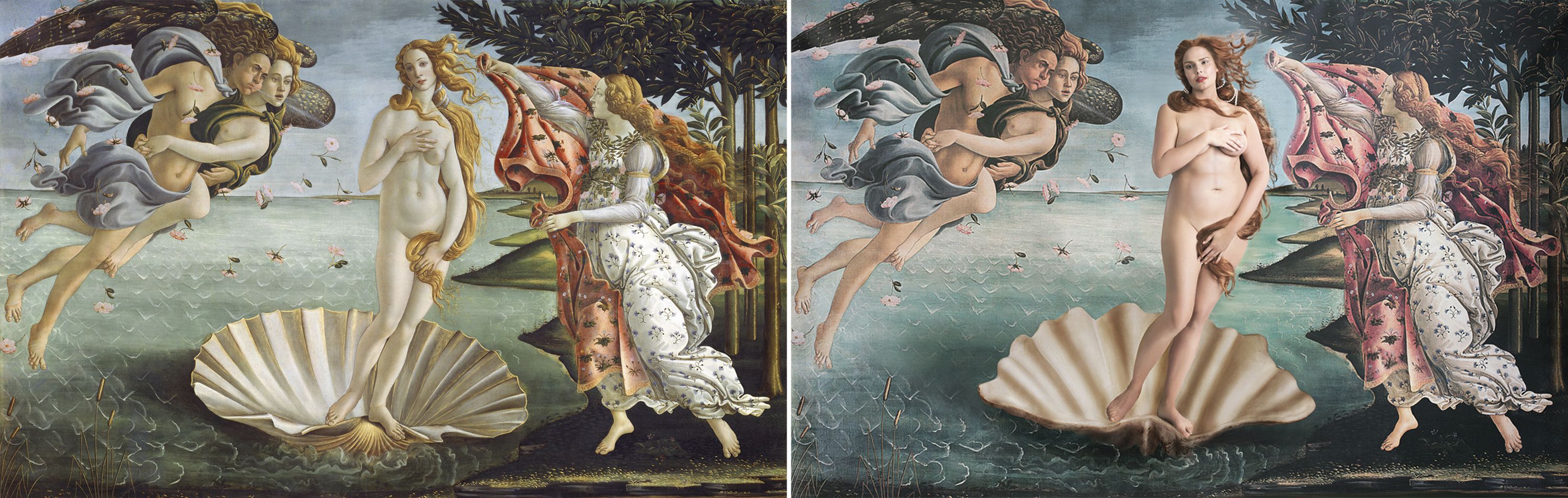
The meaning of the famous Venus painting has endured through the centuries. It remains relevant after more than 500 years; by all means, this painting and its goddess is alive. In this case, life imitates art.
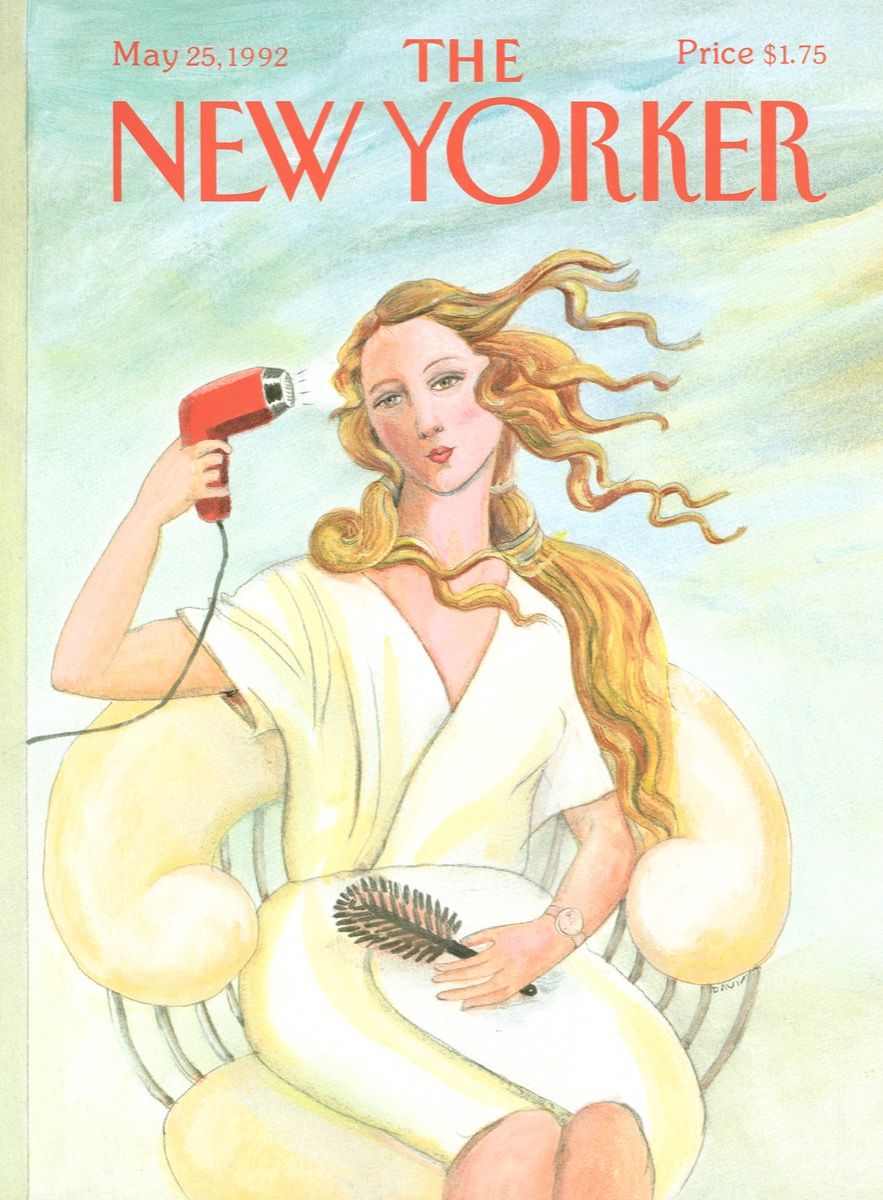
Models often pose like Venus for photo shoots. Above is model Candice Huffine posing for Harper’s Bazaar and below is model Emily Ratajkowski for Sports Illustrated Swimsuit. Birth of Venus iPhone cases are quite popular and sold on Amazon.A 1992 copy of The New Yorker.
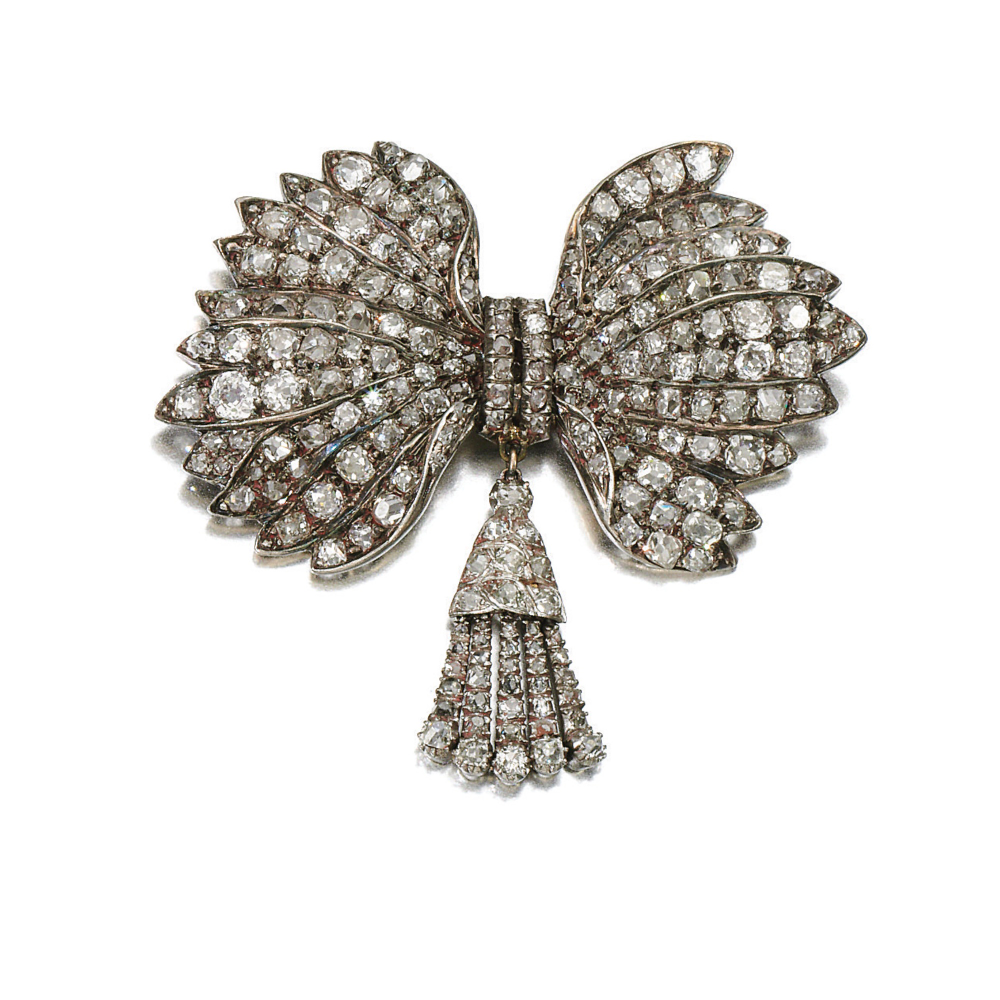
The pieces shown above are unique to an era of time that is sadly long gone, but the historical value preserved in these pieces is invaluable and can still be worn today for its timelessness. There is no single period in history than the Victorian period thus far that has had such a diverse style of jewelry attributed to it.
The Victorian era of jewels is marked by a particular interest and emphasis on the ultra feminine, jewels which incorporate images of women, Greek goddesses, and incorporate details such as bows and flowers. The 18th century necklace above sold through Sotheby’s for more than 800,000 GBP. That necklace is a style representative for the time as the necklace also highlights the dress worn as well, rather than decoration only for the neck.
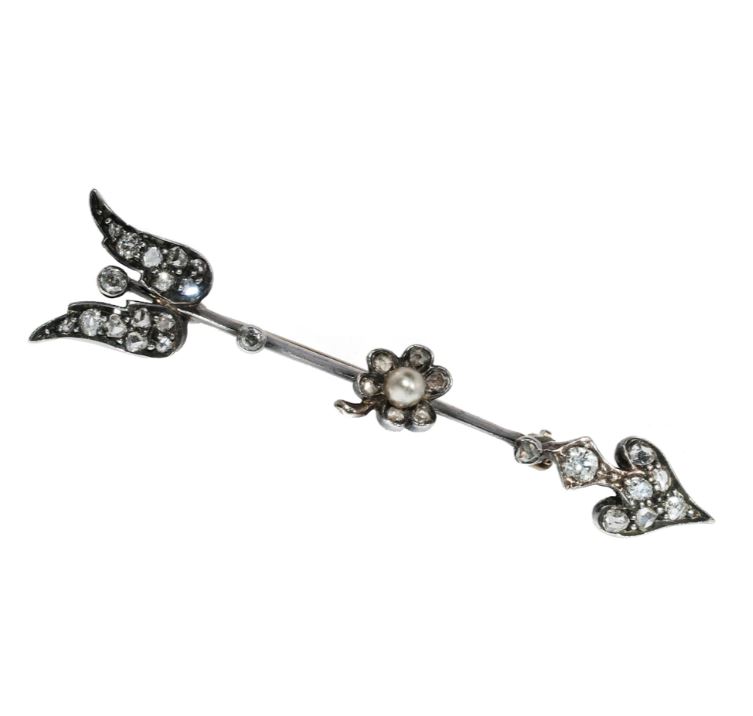
The brooches above are early 19th century pieces that clearly symbolizes love and glory with its pierced hearts by arrows in the first brooch. The heart shaped brooch sold through Sotheby’s for 26,000 GBP, while the bow shaped one sold for 2,000 GPB. The valuation of these pieces interests me as they are appraised according to their condition as well as other historical factors that may influence their value. For example, Marie Antoinette’s jewelry from the Rococo era recently sold at auction for more than $300 million at Sotheby’s, which certainly influenced the Victorian era of jewels.
“The jewels are a form of art that you can wear.”
This is a late Victorian, silver over gold, arrow pin with a pearl and diamond floral cluster. The brooch is set throughout with old cut diamonds which contrast against the silver topped gold that has darkened nicely with age.
This particular arrow’s design is unique in that its tip looks like it has been taken from the Queen of Spades and its fletchings/feathers, off the back of an angel.
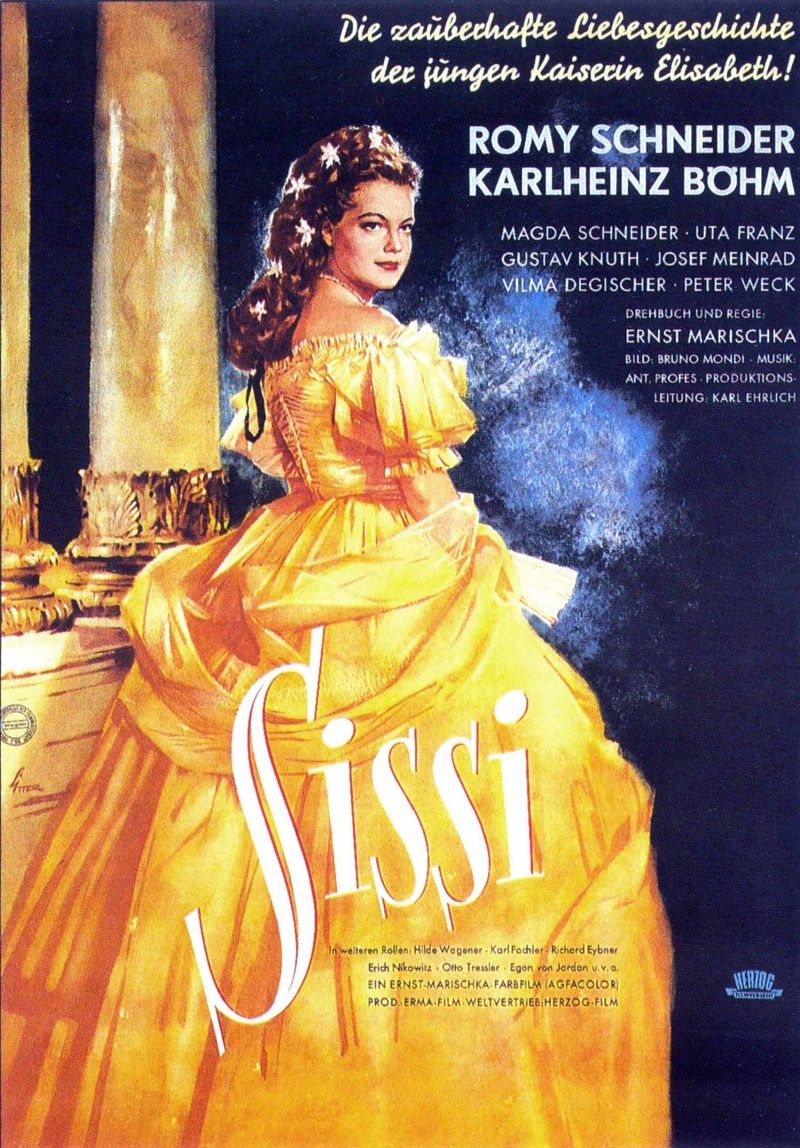
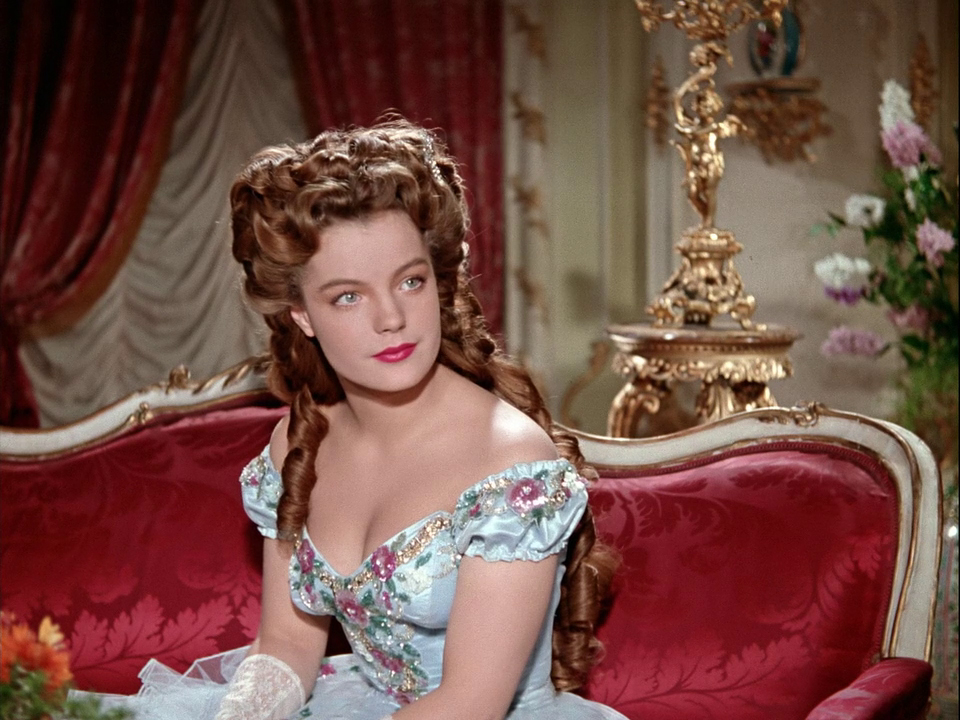
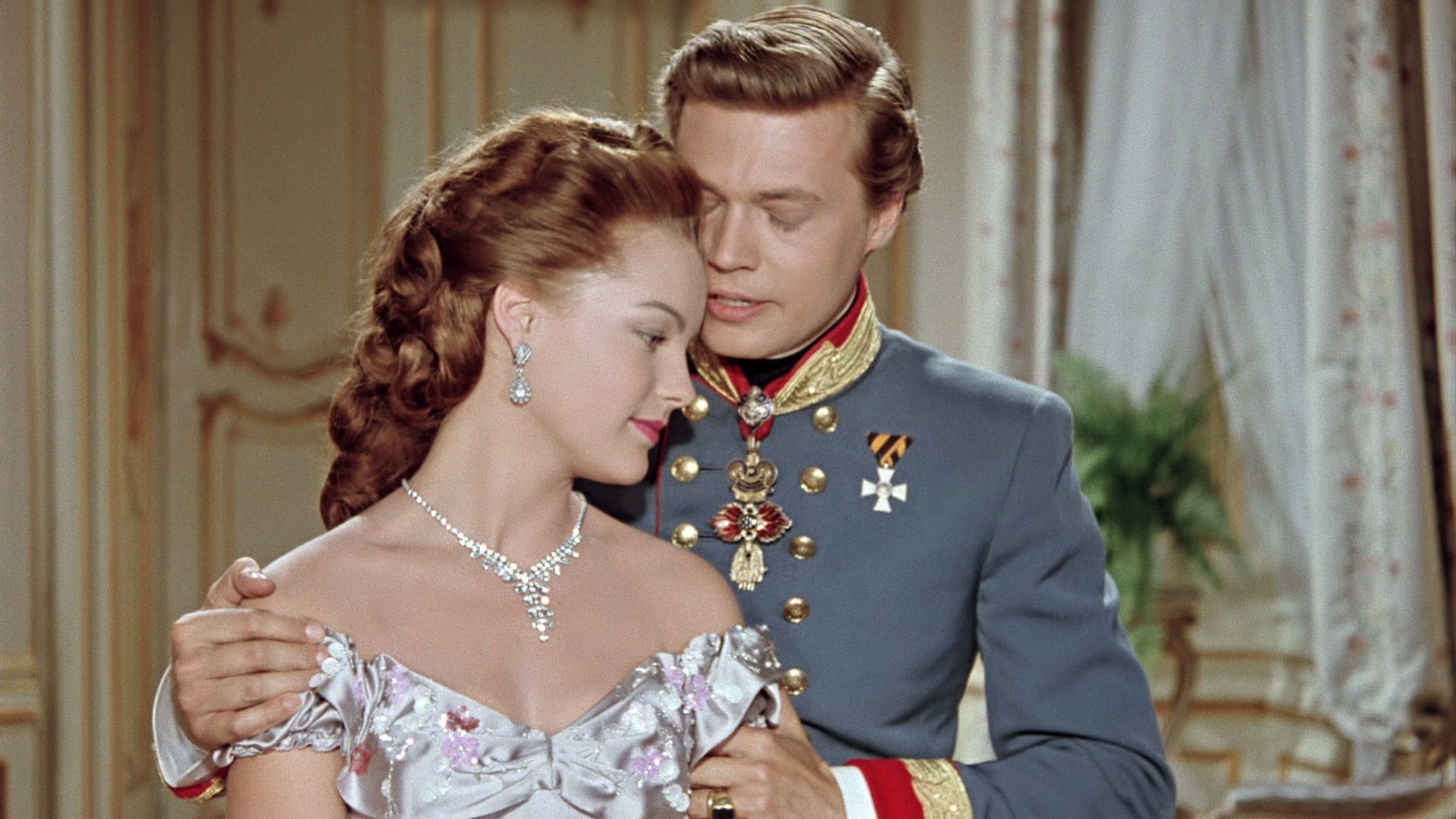
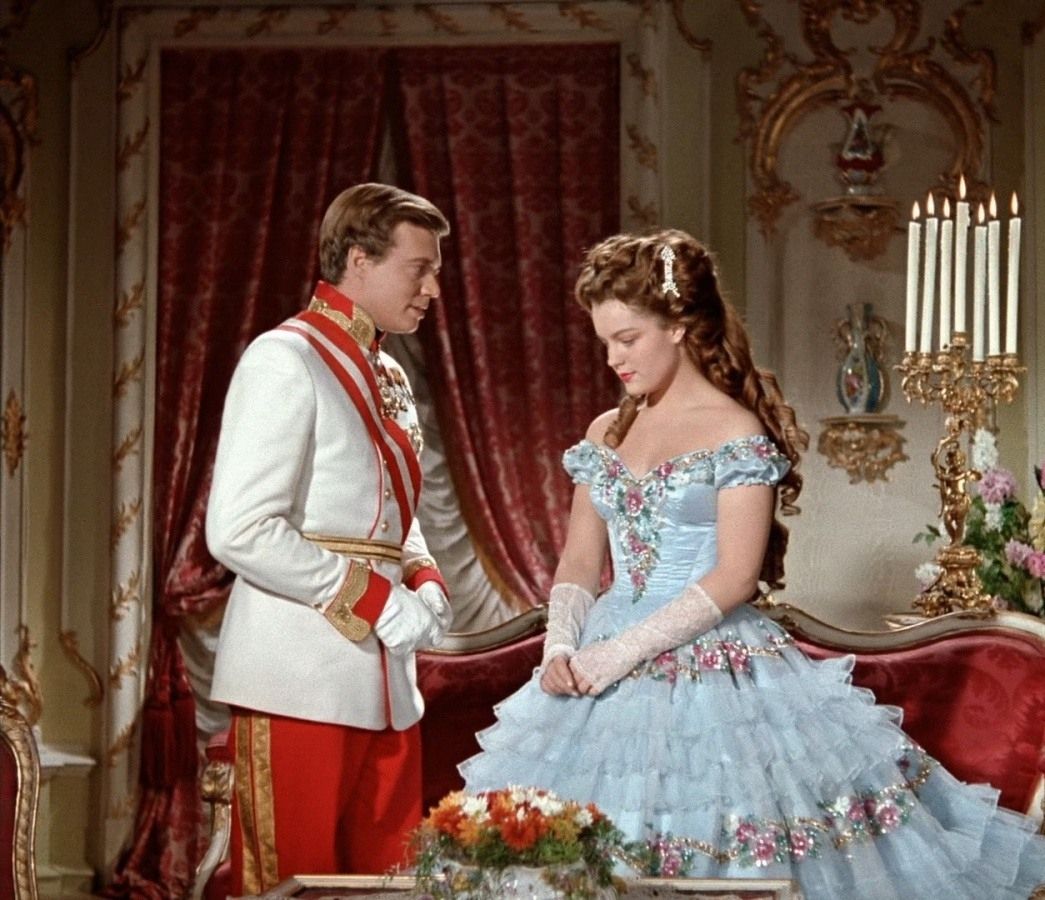
Emperor and Empress of Austria as portrayed in Sissi.Romy Schneider as Empress Elisabeth.
An Austrian classic is the 1955 film directed by Ernst Marischka about Empress Elisabeth’s life Sissi. The film is the first installment of a triology of films featuring Romy Schneider and Karlheinz Böhm, and is a cultural phenomenon in Austria, usually featured on the ORF television network during the Christmas season each year. Growing up, watching this film triology was a joy for me; learning about the royals in Austria, as well as the emblematic and historical culture of Austria. The real Empress Elisabeth’s life was quite a bit less romanticized than the wonderful films.
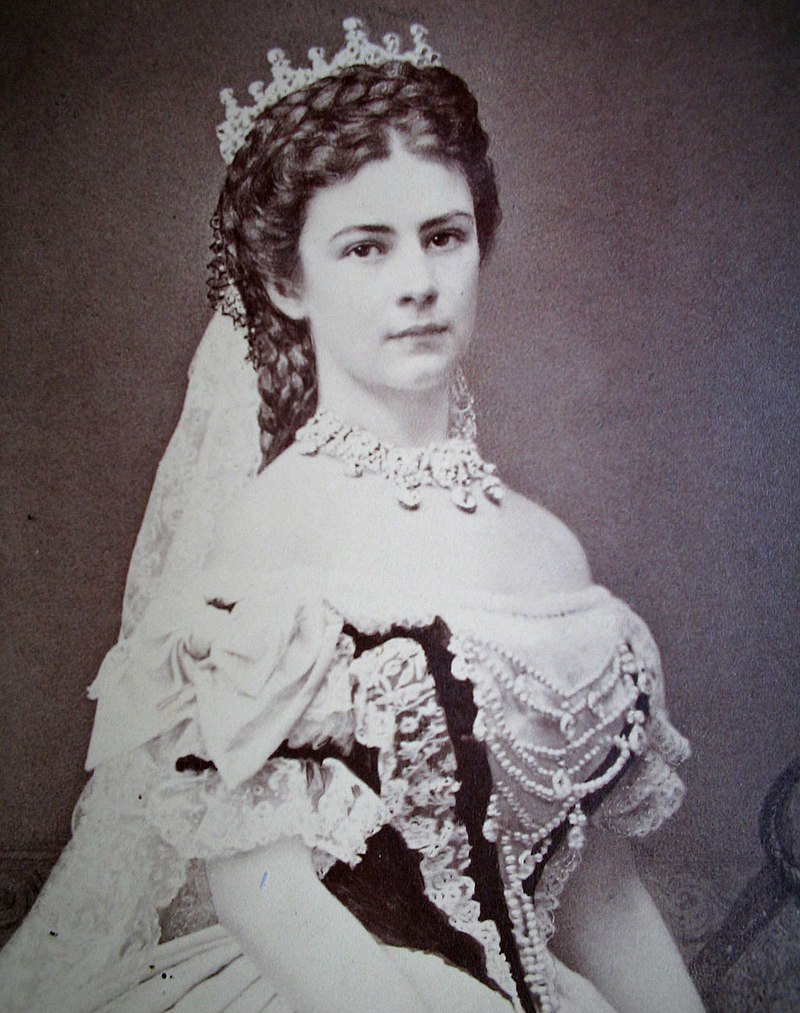
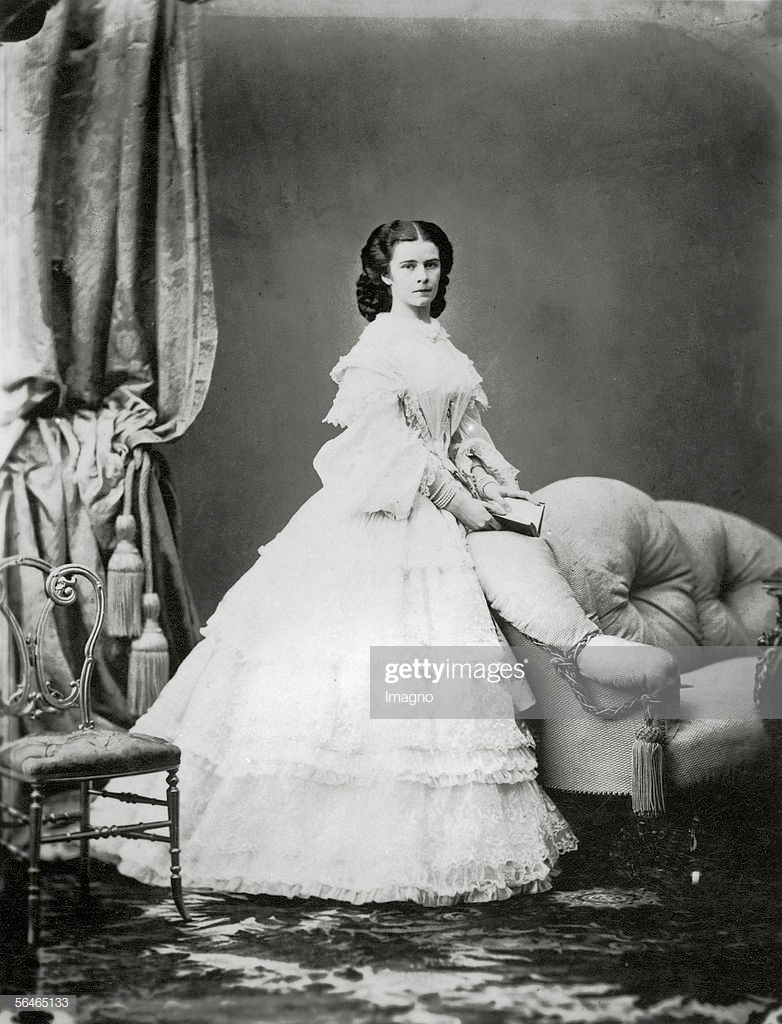
The real Empress Elisabeth at her coronation.
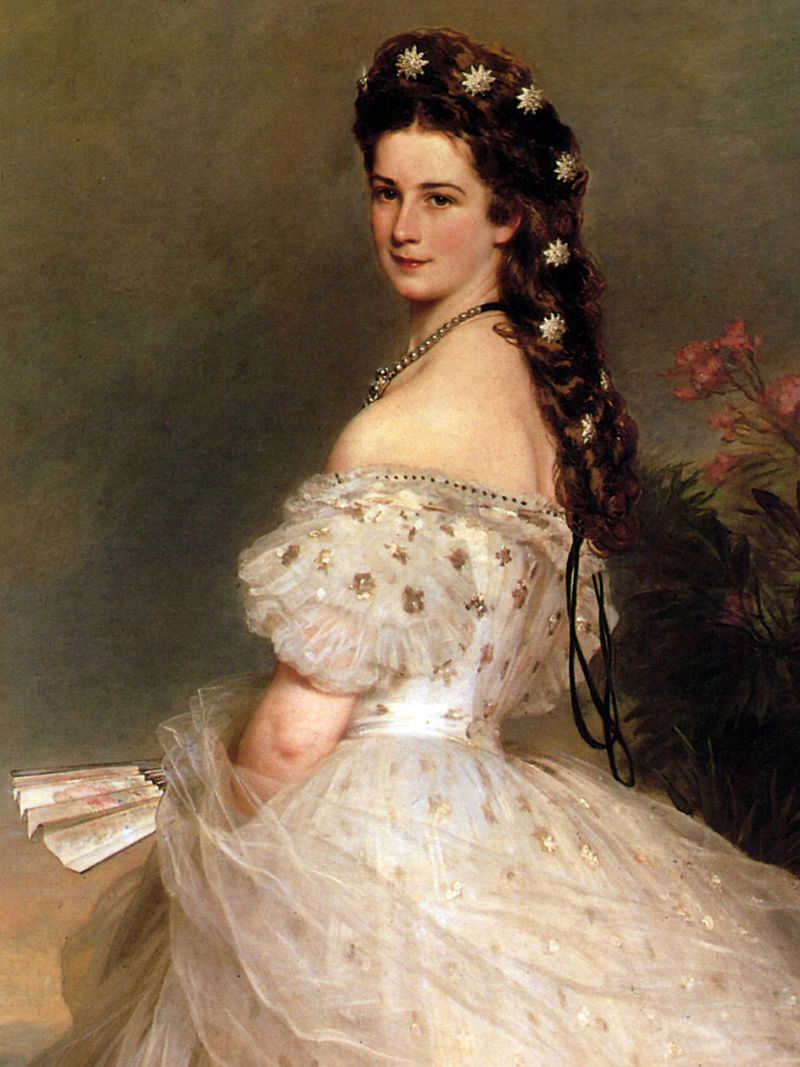
The real Empress Elisabeth was Empress of Austria and Queen of Hungary and reigned from 1854 – 1898. Her life was quite fascinating. The Empress unfortunately suffered from anorexia; she exercised vigorously and weighed at one point 95lbs, and this was after having four children. She was an avid equestrian and athlete and was considered to be an emotionally complex individual.
Her only son’s death in a murder suicide with his lover, Baroness Mary Vetsera, at his hunting lodge in Mayerling was a tragedy that Sissi endured and never recovered from. Prince Rudolf was the heir to the throne, so his death had momentous consequences; this event was a precursor catalyst to WWI as the Prince’s death destabilized the monarchy and could be interpreted as prompting Franz Ferdinand’s assassination in June 1914. Empress Elisabeth herself was assassinated in 1898, tragically stabbed by a 25 year old Italian anarchist in Geneva at age 61 years old.
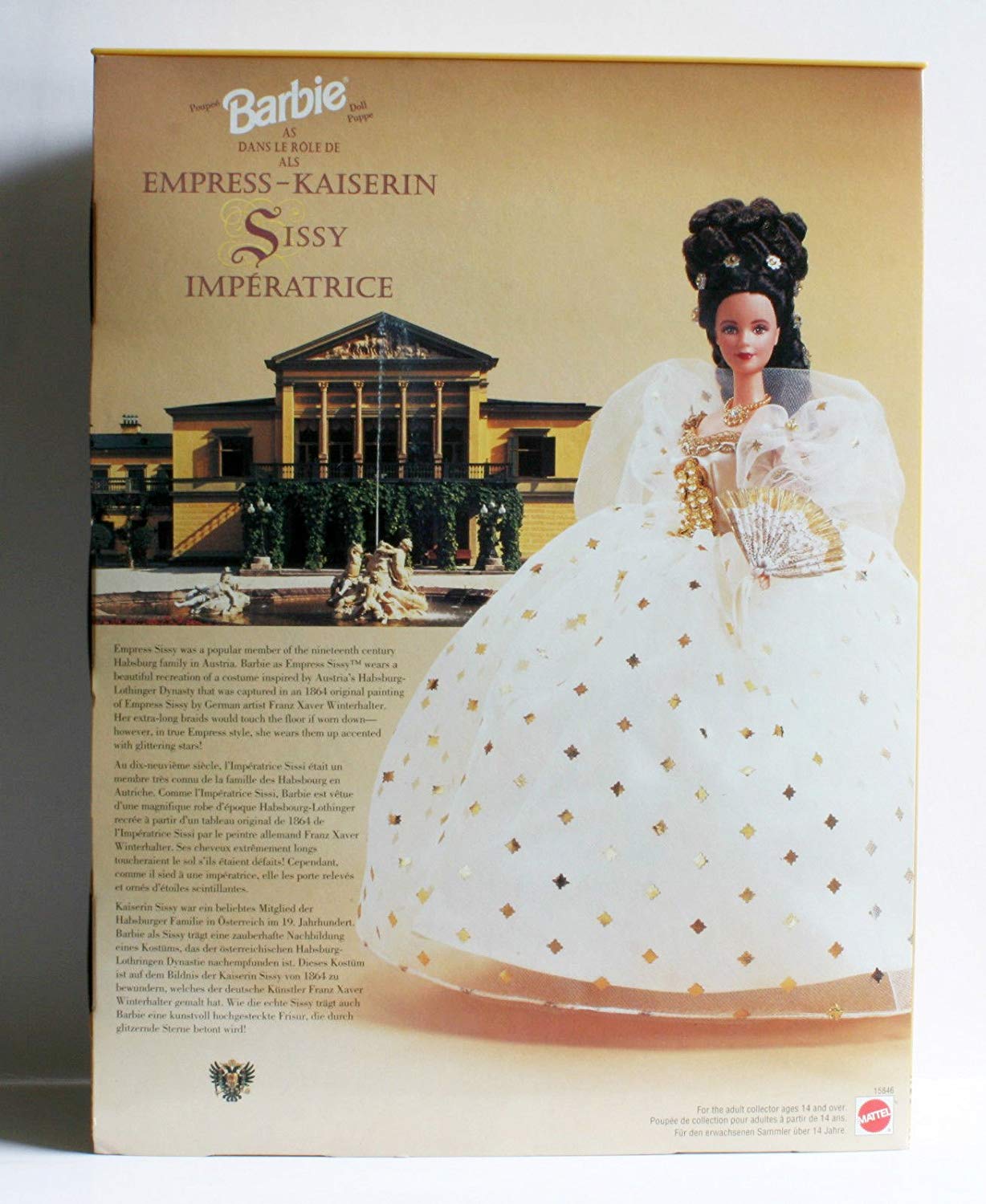
The film series created by Marsichka captured the lives of these royals in such beautiful ways. The aesthetic appeal of these films is undeniable and also has stayed timelessly stylish through the decades. I think Sissi is easily one of my favorite films, it’s charming and captivating from start to finish. Popular culture is no stranger to portraying Sissi: there is a limited edition Empress Elisabeth Barbie that is still in circulation and the late Karl Lagerfeld utilized the image of Sissi for a CHANEL advertisement in 2014. Whether or not it’s an entirely accurate depiction, Empress Elisabeth lives on.
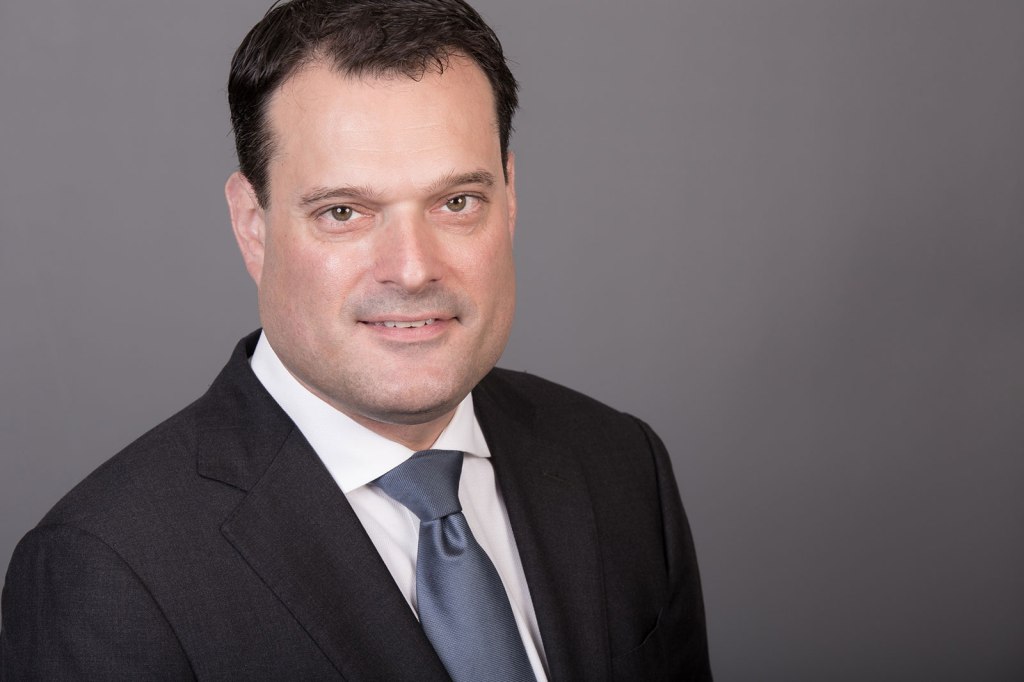
I had the privilege of interviewing Austria’s Trade Commissioner to the USA, Michael Friedl, and learned about the agency that he heads in New York City, Advantage Austria, which is part of the Austrian Federal Economic Chamber. They have 112 offices all over the world that work to represent Austria and help to establish and facilitate trade relations between countries.
Being an Austrian American dual citizen myself, I am passionate about finding ways to integrate the countries further, realizing how this is part of a dual cultural identity that I have. Furthermore, a pillar for bringing Austria and the US closer together is by trade and economic infrastructure. Austria provides high quality consumer goods and services and is also an extremely high performing nation across the spectrum. The benefits for further Austrian economic integration in global trade infrastructure is immense for a small nation.
Advantage Austria is based out of New York City.
Bianca: I read that Austria placed 4th in 2018 for the World Bank’s Logistics Performance Index which ranked countries on six dimensions on trade. Since Austria is exemplary in trade performance, were there factors in particular that generated such a great score? I am not surprised since there are so many other indexes which Austria scores highly on.
Michael: Austria, you know it yourself, is a very small country, maybe the size of Georgia. Trade plays a very important role in Austria as most larger companies wouldn’t survive only catering to the domestic market so they have to look to foreign markets. Trade, logistics, and investing in infrastructure for trade and trade facilitation has always played an important role for Austria. This is one of the reasons that I would say Austria scored very highly.
Bianca: What is the background of Advantage
Austria?
Michael: Advantage Austria is the official trade
and innovation promotion agency of Austria.
We are part of the Austrian Federal Economic Chamber. Every Austrian
company is a member of that chamber, which makes it different from the US
chamber system, where it’s a voluntary membership and you have many smaller
chambers, whereas in Austria, you have a membership by law.
Through this membership, you have a lot of
benefits for free, which includes access to resources through our 112 offices
worldwide which are kind of Embassies of Trade. It’s the second largest network in the world
after the US. It’s a pretty large
network considering that we are a very small country. What we do includes
market research and market intelligence, coaching of new exporters, as well as
the organization of various events – from tech and innovation conferences to
trade fairs.
We also have formal partnerships with universities in the US, for instance with Stanford and MIT. We have agreements through which we bring researchers and professors to Austria or connect Austrian companies to the knowledge system at these institutions. It’s a system that goes beyond the normal consular work or trade commission work, we take a hands on approach. 99% of Austrian firms are medium sized companies, so they often don’t have the knowledge or capacity to learn about and enter foreign markets. Sometimes they could not survive without foreign markets, and we try to fulfill that bridge role and support them in their successful internationalization efforts.
Bianca: Successful trade partnerships with the US
include well known companies such as Swarovski and Wolford (wow!), but is there
a “typical” example of Austrian companies who have established a presence in
the US through Advantage Austria?
Michael: If you look at the US, the US is the second most important trading partner for Austria, after Germany, as Germany is a neighboring country, but the US is already number two. If you look for companies from Austria doing business in the US, you would see companies across the spectrum. Most of the exports are in the automotive industry, machinery, steel… heavy industry, so we have a lot of companies in these sectors that have established subsidiaries with our help in the Southeast or Midwest.
Advantage Austria is helping with location
scouting, market intelligence, finding possible
partners, as well as legal regulations and customs. Beyond industrial
equipment, we also have consumer goods and services coming into the US. Some of these
services include engineering services or architectural services, financial
services, and consumer goods include energy drinks, wine, furniture and cheese
etc.
Bianca: Austria is a high performing country that
has a population the size of the San Francisco Bay Area. Do you think there is a unique position that
this country has with its education system, lifestyle, and the stunning
environments? I cannot see any other
reason for why you could not succeed with those factors aligned.
Michael: It definitely has to do with education, but I’d also like to highlight again that Austria is a very small country, so often, children start elementary school and learn at least one foreign language or even a second, so we are already trained for the international market. Secondly, I would say that many Austrians can adapt easily to foreign environments and have a certain flexibility when it comes to understanding of and negotiating in foreign markets.
Christine Moser, Austrian President Alexander Van der Bellen, and Michael Friedl
Bianca: You have spent many years working overseas
for Advantage Austria, I am sure those experiences have equipped you in terms
of diplomacy. What motivates you to help give Austria a strong presence in the
US and vice versa?
Michael: For me, I always knew that I wanted to work
internationally and abroad, and I was looking for something where I could spend
more time in a foreign country working in business. Our terms range from
3 to 7 years in a particular country, where you are representing Austria and
the Austrian business community, but you also can also submerge and integrate
in your host country. So for me, this was the ideal job where you can combine
business support and consultancy with diplomacy.
I started living abroad as a teenager in the UK, Spain and France and then studied at the age of 21 in Canada. I loved Canada and also visited the US for various occasions during this time. When I had an opportunity to head our office in Washington D.C. about 15 years ago, it made me understand and like the US even more and I knew that I wanted to come back. As you might have seen, I’ve also lived in South Africa, the United Arab Emirates, and Iran. I liked the variety of cultures and business environments in these countries as well.
Bianca: Do you consider trade to be a bridge
between nations that is critical to global infrastructure now? I look at trade this way.
Michael: If you look at Austria from a political or a military as well as security perspective, I guess Austria does not feature prominently on the map in the US other than culturally or as the country of the Sound of Music. We are trying through trade to expand and complement that image. There are many hidden champions in Austria, who are world market leaders in their field. If you look at med-tech or pharmaceuticals, infrastructure or green energy solutions, tunnel or underground engineering, a lot of that technology is coming out of this small country of Austria. That’s something that people might not be aware of, so yes, there is Mozart, yes there is chocolate, but there is also hardcore business and technology that we want to bring to the rest of the world.
Bianca: What motivates you to help give Austria a
strong presence in the US and vice versa?
Michael: I have been to other countries where Austria is more well-known, for example, in the Arab countries or in Iran, Austria is an important gateway to Europe. It’s particularly difficult to raise awareness for a country like Austria. Here in New York, where you can find representatives from the whole world, and where competition is extremely high, you have to know how to do this. It’s not only done by serving cake or wine, you have to convince people that there is a benefit cost-wise or quality-wise to do business with Austria.
Also, in the US, it’s not so much where a product comes from (be it from Shanghai, Santiago de Chile or Salzburg), as long as the product is a good product, it helps reduce costs or increase revenue, or promotes a cause, and you know that story about the product as well. You have to be able to sell that extra benefit, and on top of it, you can serve some whipped cream with it, which is the Austrian culture. Ultimately, the underlying product has to make sense. Nobody will buy it just because it is Austrian.
Bianca: With respect to forecasting trade relations, do you see the future of trade with the US being related to being the more impactful industries versus the typically romanticized images of Austrian exports?
Michael: Well, I think it’s
both. I am convinced that the relationship will continue to be expanding as
commercial exchanges between the US and Austria, at least in the past five
years, have been growing. Every year, we
have trade increases of around 10% year-on-year, and that on top of an already
very high absolute volume.
On the other hand, tourism has also been expanding; Americans visiting Austria, and Austrians visiting the US. And to complete the picture financial cross-border investments have also been growing. We have around 700 Austrian companies providing 40,000 jobs to Americans. We have about 28,000 jobs in Austria created by American companies, and maybe another 60,000 jobs in Austria directly depending on trade with the US. It’s an ever expanding relationship and a win-win situation for both countries. I think in the future it will be even more so.
Bianca: Do you see a lot of the work that you’re doing is asking Austrians to come this way? It just makes sense that way given the sheer volume of approaching the American population.
Michael: Our most important clients, of course, are the Austrian companies, but one of our goals is further integration of both economies. Yes, we also try to bring investment to the US from Austria and vice versa and bring extra benefits to US companies by linking them with their Austrian counterparts. The best witnesses of Austrian successes are Americans. If an American in Ohio or Iowa or any state talks highly of Austria, that’s much more valuable than if I am talking highly of Austria. Obviously, I’m an Austrian, but if the American counterparts say, “Well, with this technology, I can save so much more money,” or “With this green tech, I am not using as much CO2,” or “Now I can employ 10,000 more people with the help of an Austrian partner,” these are the stories that we want to elevate.
Bianca: What do you see for the future of trade
with Austria? How can young people support this trade?
Michael: It’s about
stories, and of course, I can tell you to “buy more Red Bull” or “buy more
Swarovski,” but I think in the end it’s about listening to what people know
about Austria and then tell a surprising story that expands their knowledge
about Austria.
Sometimes people are surprised when I tell them that when they landed by plane at LaGuardia, their plane probably landed safe because of an Austrian communication system. And when you take a taxi and come via RFK bridge and you don’t have to stop at the toll station, it’s because of an Austrian automatic tolling system and if you then go into the subway, you’re driving on Austrian steel, and maybe even through tunnels created with Austrian engineering finesse. You may then pass a Swarovski shop or a Wolford shop by foot, so Austria is all around you. Austria is more well-known for industrial or B2B products, not so much for consumer goods and popular brands as you have in Germany, Italy or Japan. We often say, Austria is more on the inside than seen on the outside, in the sense that you find it as a very important part of a machine or as an engine in famous brands such as BMW. As a consumer you might not see much of the Austrian products, but your favorite brand or the technology you depend on might not be the same or work as well if it were not for the parts from Austria.
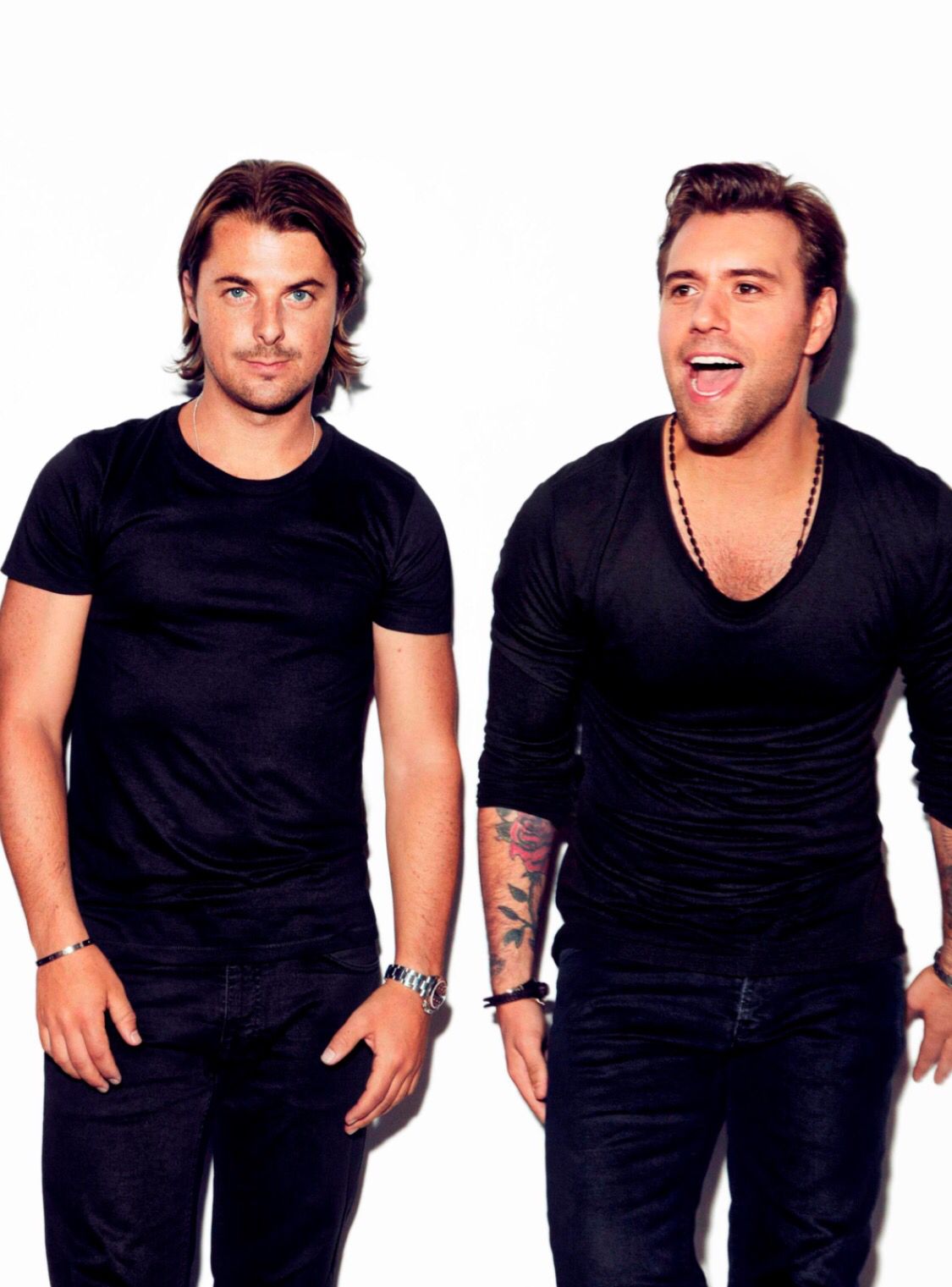
Exactly four years ago, I was in my college apartment, worried about a million things that surpassed the classic college graduate experience, and I came across a song by an up and coming DJ duo from Sweden: “On My Way” by Axwell & Ingrosso. Formerly members of the DJ group Swedish House Mafia, it was clear that they would be a force to be reckoned with in the world of house music and I was ready to hear more.
At the time of the song’s release four years ago, the theme of the song could not be more fitting for the current experience I was having. It was a time of monumental change in my life. That song has the spirit of adventure to it, but also a somber note to it as well, which I found unique, especially for the nature that house music has. It’s rather difficult to add multiple layers of sentiment to the standard structure in which house music functions. I’ve linked a video explaining the structure of standard house music. Axwell & Ingrosso definitely are pioneers in “progressive house” music and have taken house music to new levels.
As they are progressive in their music creation, they are also progressive in their strategy to engaging their audiences. As interviewed by Forbes Magazine, Axel (“Axwell”) states that there is no strategy to their music marketing, they are just creating music that they love.
An introduction to structuring house music, which Axwell & Ingrosso have pushed the boundaries of.
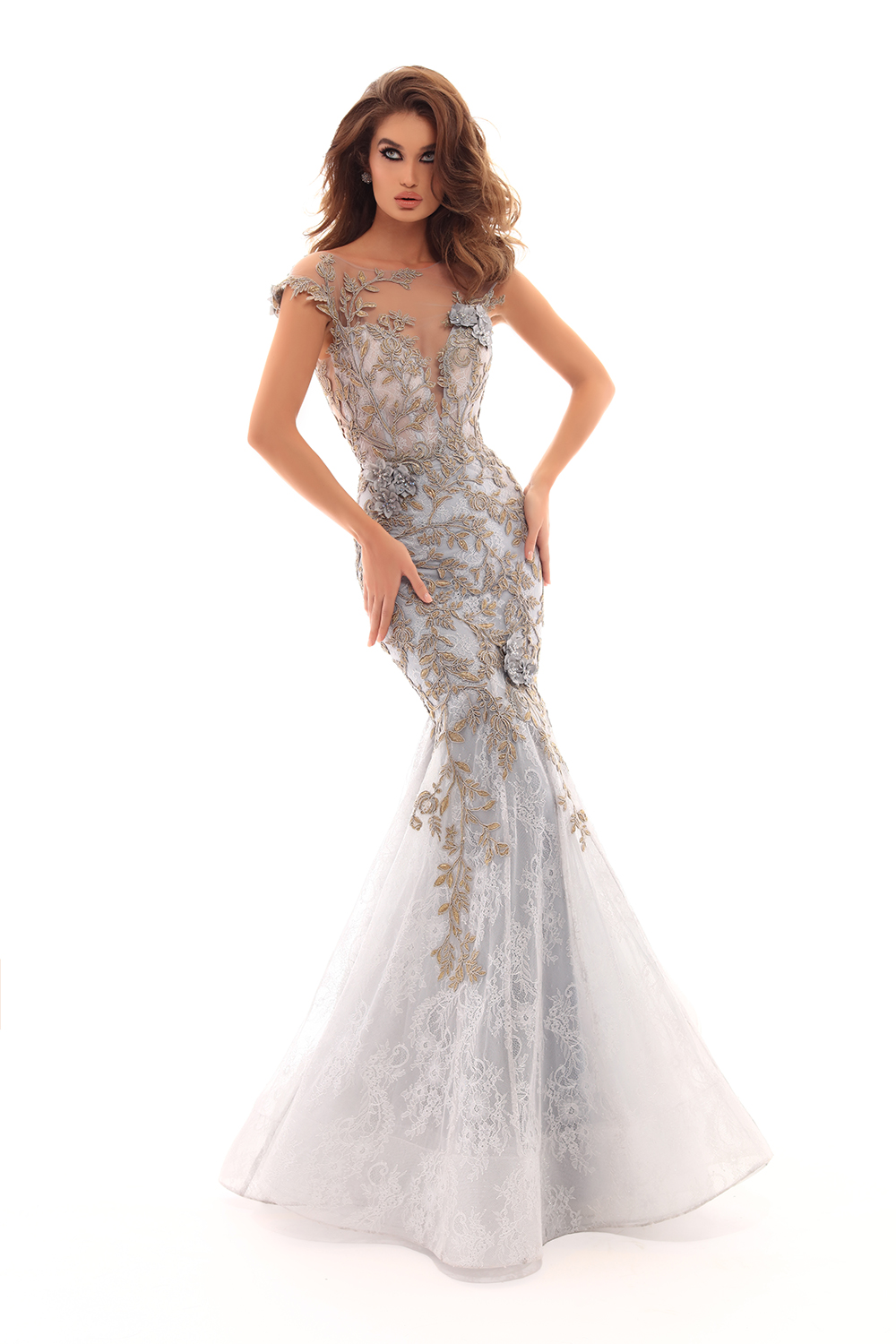
The designs of Tarik Ediz are captivating and surprisingly have not been too widespread on the red carpets, which I hope will change soon. His formal evening wear designs compliment the female figure in a sultry way and also usually have a unique nod to nature, whether it be with a branch stitched into the lace overlay or a satin rose. The design house is based in Istanbul and New York City and has showrooms all over the world. Next time you are searching for an evening gown, go through the website and find the nearest store to you!
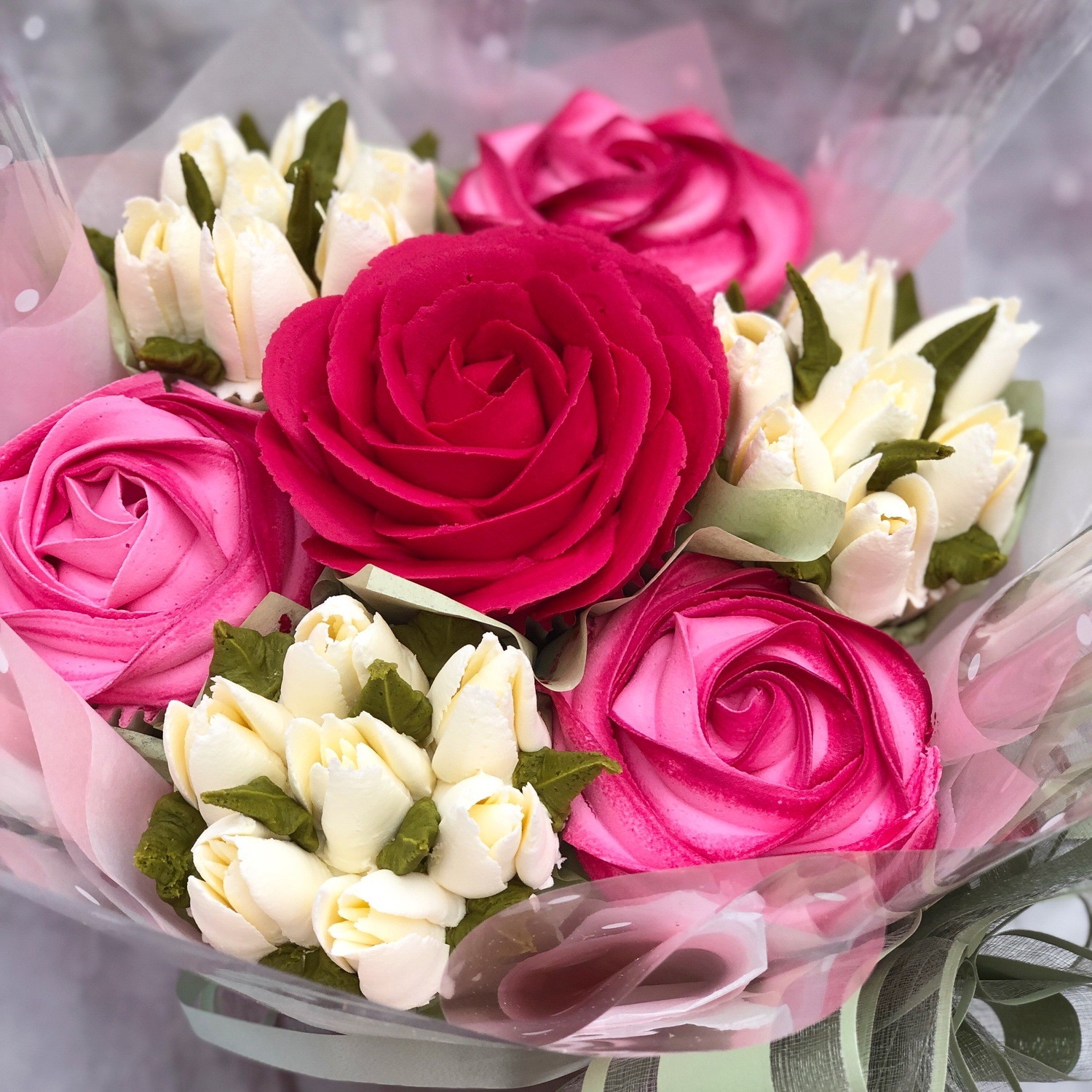
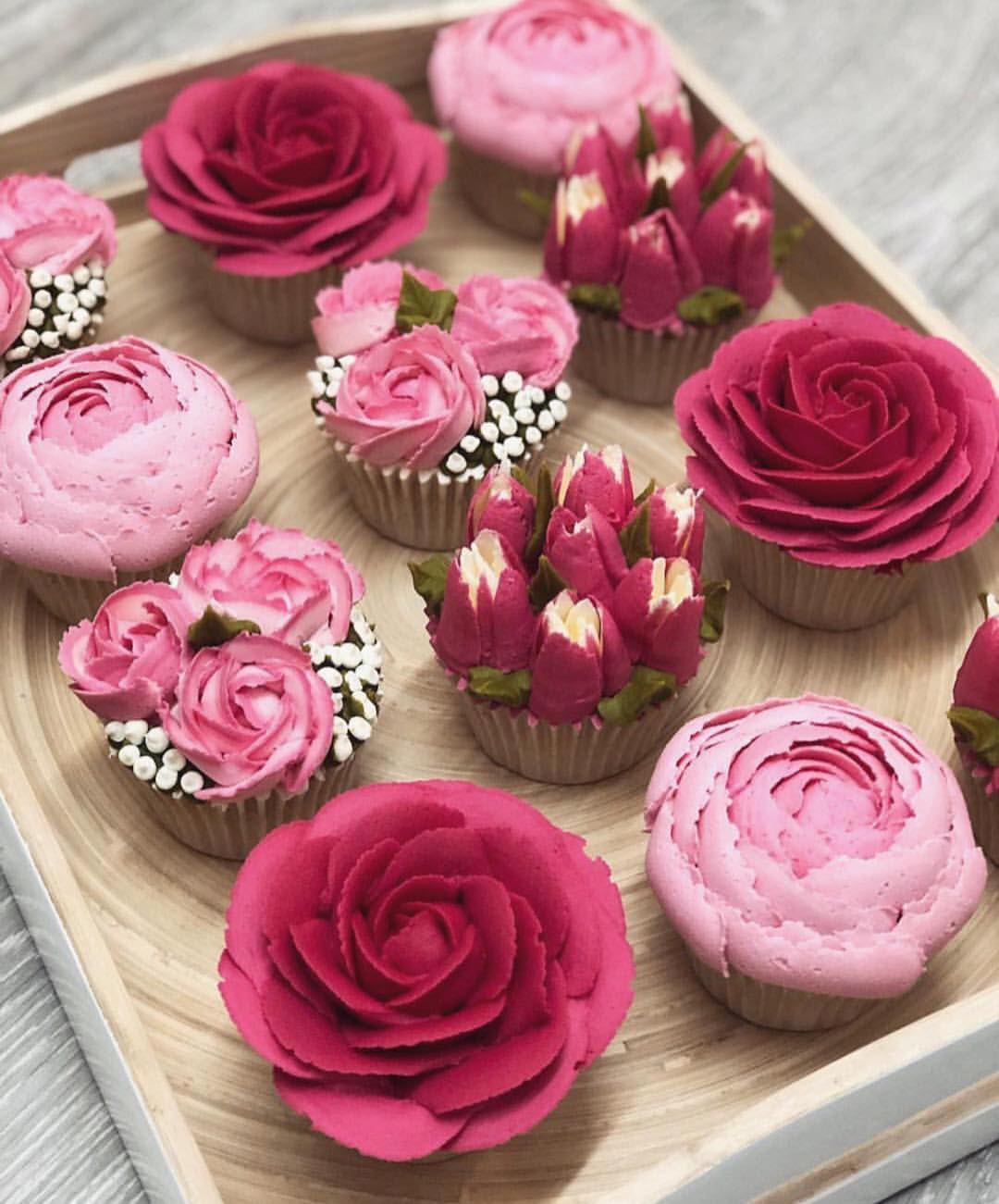
Your eye may initially see a bouquet of roses at a first cursory glance. At a second look, you realize those are in fact frosting roses created with stunning talent. These are the cupcake creations of Taylor Made Cakes of Tenderten in Kent, England. Featured in Vogue, these bespoke creations of art are all handcrafted with high quality ingredients.
The most unique product offered by this bakery is referred to as their “Cupcake Bouquets,” which are cupcakes arranged in a way to appear like bouquets of flowers, which I think is a lovely and special gift to your loved one for any occasion! It’s certainly a rosy treat. Make sure to stop by this bakery in England!
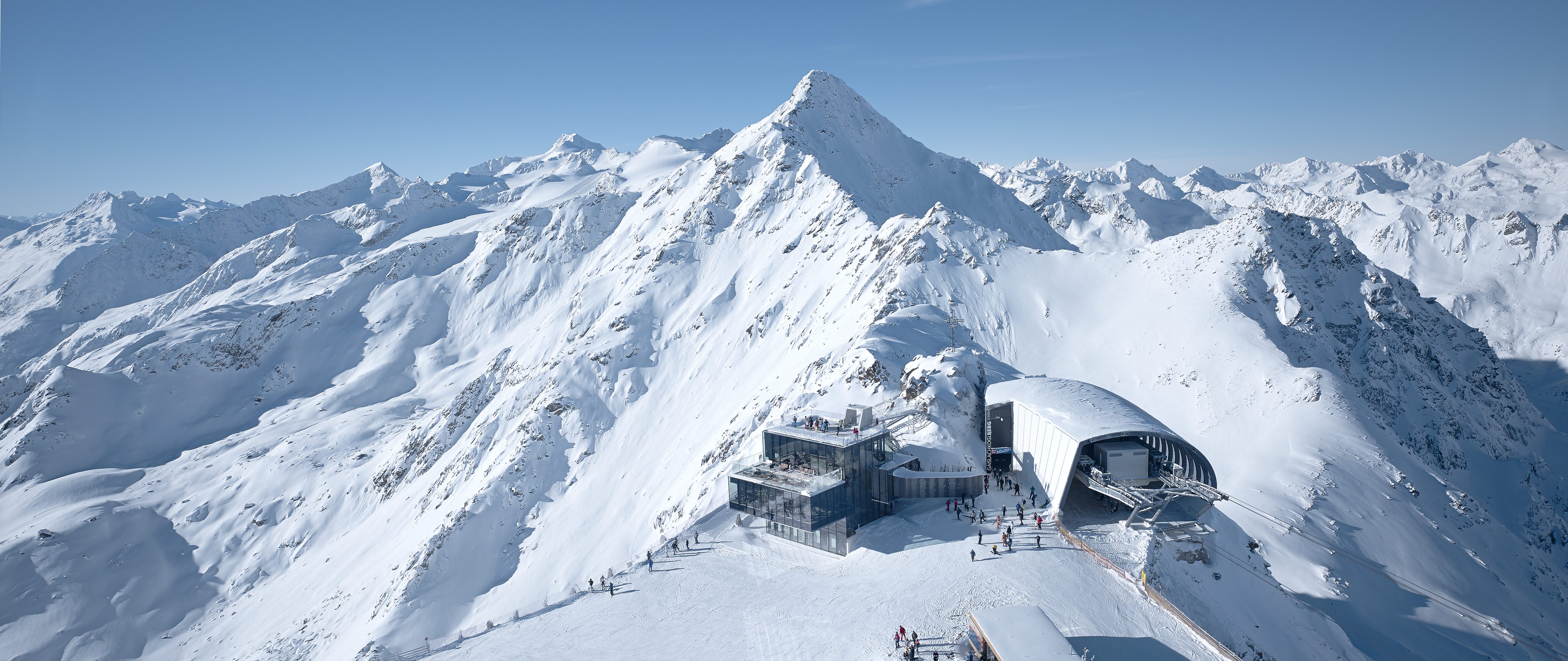
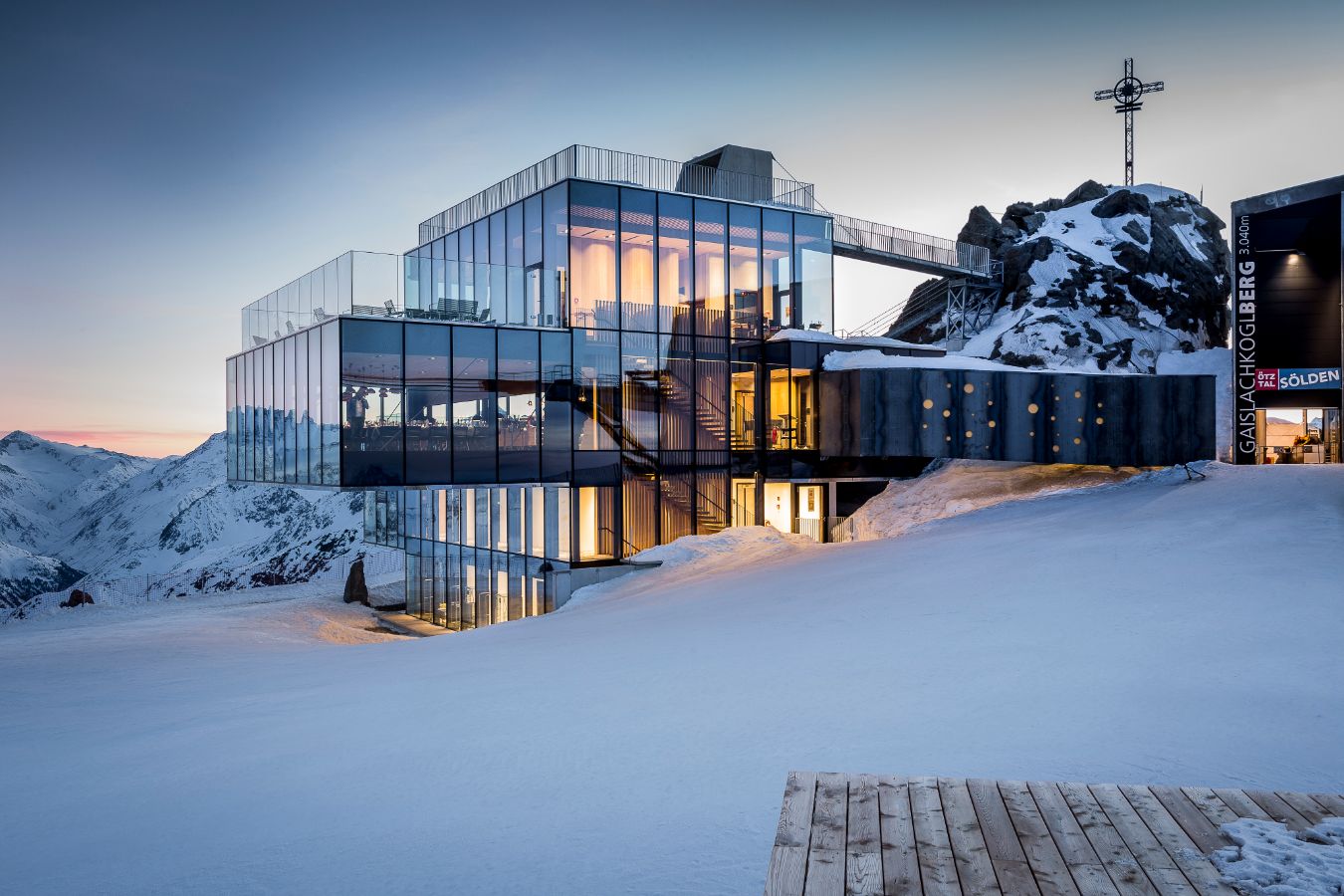
It’s straight out of a James Bond movie (literally – this restaurant was featured in 2015’s Spectre with Daniel Craig playing Bond), if you are in Austria and seeking a restaurant experience like no other, head to the ice Q in Sölden.
Not only are the views exceptional, the restaurant is also highly rated. If you are a James Bond fan, there is a cinematic installation on the summit of the mountain in Sölden called “007 Elements,” where you can learn about the scenes shot in Spectre. The digitally immersive experience is one of a kind and takes you into the heart of the Bond brand.
The film that Solden is featured.
You can make dinner reservations online to the ice Q, so there’s no reason to miss this incredible destination when in Austria…
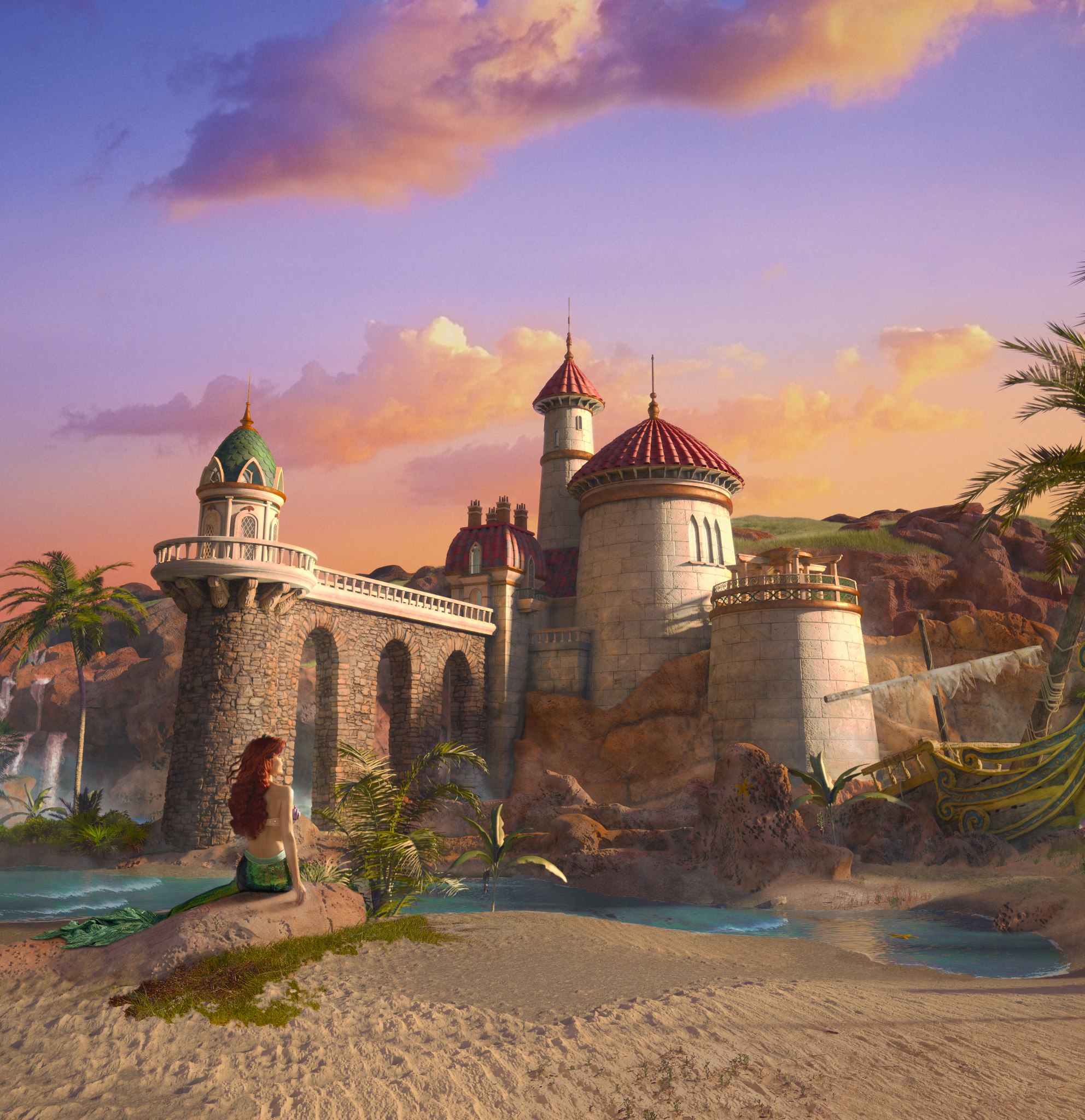
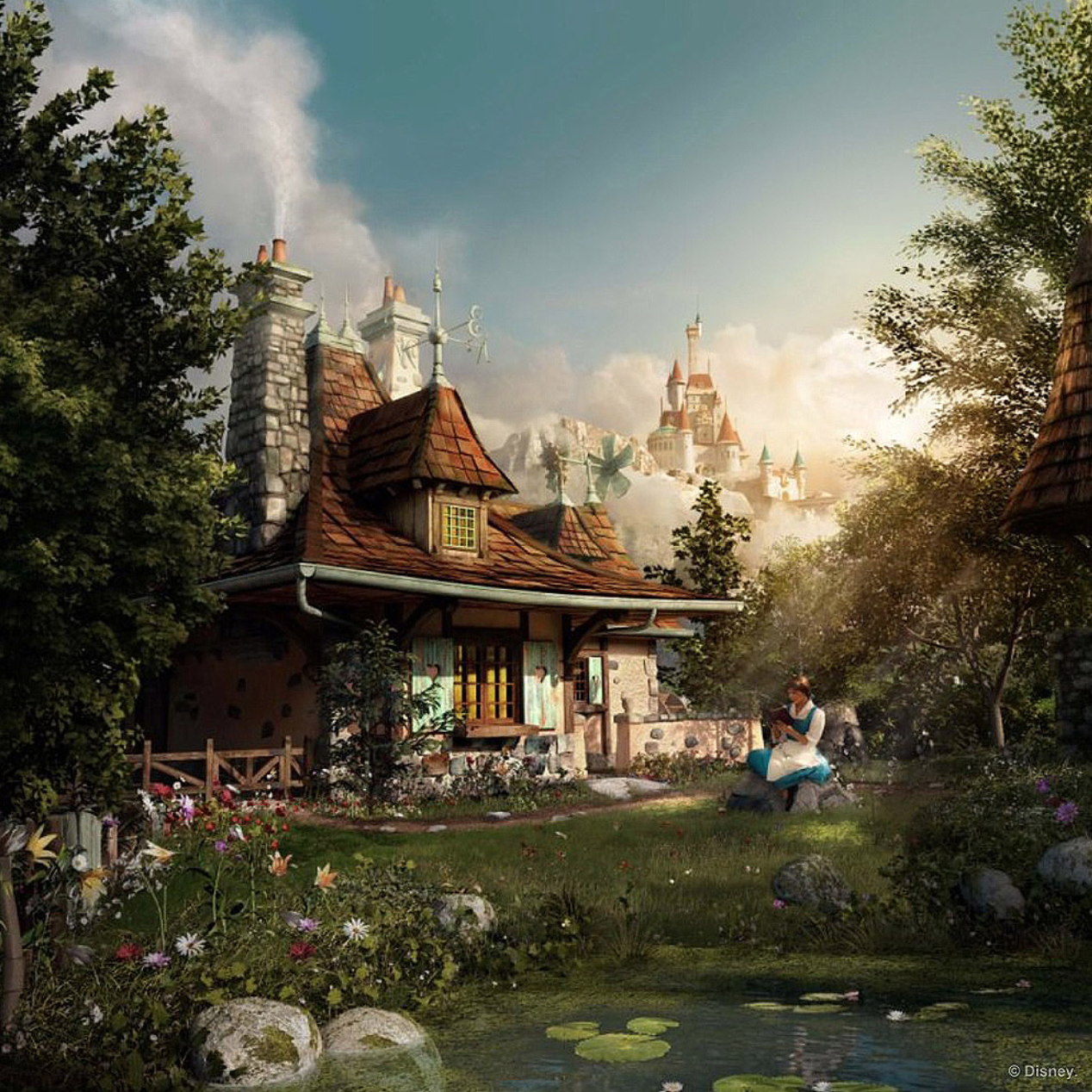
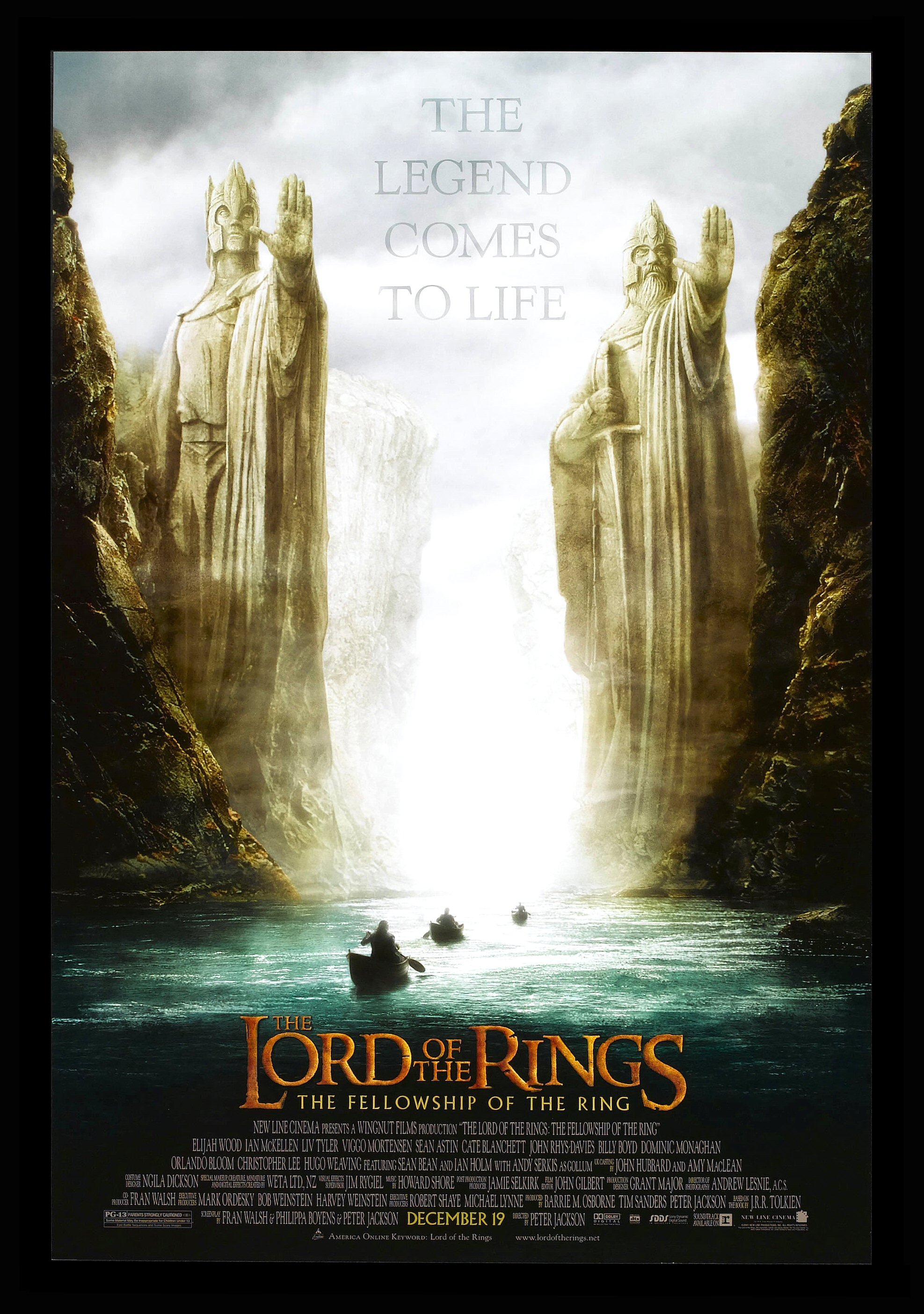
The Little Mermaid as depicted by Walt Disney WorldBelle from Beauty and the Beast as depicted by Walt Disney World The archetypal example of high fantasy: The Lord of the Rings (2001)
High fantasy is a valuable genre and it’s also a multi-channel genre that succeeds across many markets. Originating as stories in books, most notably J.R.R. Tolkien’s The Lord of the Rings series (first published in 1937 as a sequel to his first book, The Hobbit), high fantasy stories take place in an entirely fictional world with characters who exist in another universe, something that is alternate to the human experience and transcends the boundaries of what is humanly possible – high fantasy is deeply spiritual. It can also teach us a lot about humanity and explores themes typically of good versus evil and dark versus light.
This is tantalizing to consider: what is so wondrous beyond the human experience? A lot, actually. It’s our own mortality that makes us consider what is beyond it, and in that respect, I think high fantasy engages readers in considering a world beyond their own: it’s imagination and our dreams coming to life through media. Now that I have established the premise of how high fantasy goes beyond the realistic and pushes boundaries in how we think, I’d also like to consider how incredibly successful it has been and continues to be.
There are books, television shows, movies, video games… Even Walt Disney World recreated a section of their amusement park and named it “Fantasyland” (pictured above), for amusement park visitors to envision what the lives of characters like Ariel from The Little Mermaid and Belle from Beauty and the Beast would be like if they were to exist. Interestingly, The Little Mermaid is a depiction of high fantasy and Beauty and the Beast is a depiction of low fantasy as the Beast and the characters in the castle are elements of magic, but the setting is the real world. While Princess Ariel is a mermaid who exists under the sea, the plot is set in an alternate universe, thereby making Ariel part of a “high fantasy” tale. Harry Potter is another example of the “low fantasy” genre as it has elements of the real world mixed with a magical world. It’s arguable though that both Harry Potter and Beauty and the Beast are quite rooted in magic.
I think every generation will have a remarkable franchise for high fantasy. My generation’s is Game of Thrones, which just wrapped eight seasons. George R. R. Martin’s A Song of Ice and Fire was first published in 1996, and the book series was adapted by HBO and the first season of the hit television series was released in 2011. The series wrapped this week.
Being an English major entailed my exposure to all genres of literature, and yet, I was never pulled into the high fantasy genre, until now. I think this is mainly because my education in English was centered around studying the Western canon formally, and I had unfortunately not stumbled into the beauty that is high fantasy. I am delighted to say that I understand now why fans are engrossed in the world of high fantasy, as it’s a highly valuable genre to humanity.
The recently wrapped HBO hit series Game of Thrones
















 rosybvm.com