About Jayne Mansfield

Jayne Mansfield lived an enormous life in just 34 years. Today, she is most well known by people for the infamous photo of Sophia Loren glaring at Jayne’s robust cleavage while Jayne is smiling joyously. She is perhaps best known for these types of “stunts,” she was well known for publicity stunts in the 1950s that elevated her status, and she became extremely well known during the time. Sadly, Jayne also had to live in the shadow of Marilyn Monroe, which did affect her, ultimately driving her towards alcoholism and drug abuse. Jayne was never given “big roles” to act in, because large studios viewed Jayne as a type of “insurance” to back up Marilyn, though Jayne did win a Golden Globe.

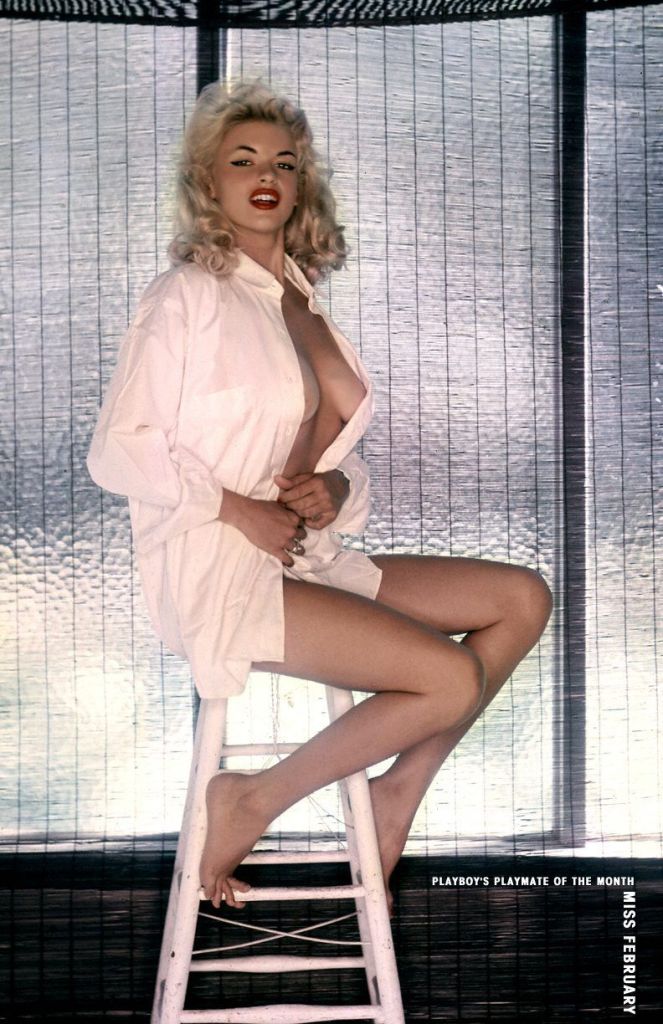
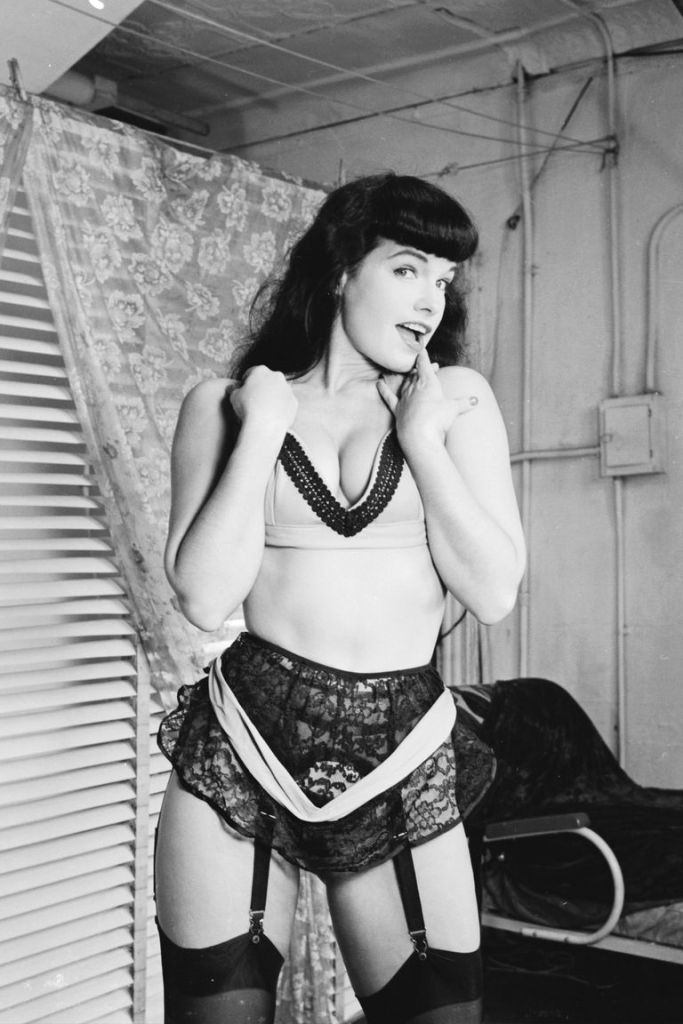
Jayne was incredibly talented and also incredibly underrated. Both Marilyn and Jayne were originally brunettes who were dyed platinum blonde and turned into film studio bombshells and fulfilled the “dumb blonde” archetype, which they were anything but. They also shared in the history of being two of the first Playboy Playmates alongside Bettie Page, which was revolutionary for the sexually oppressed 1950s. These were clever women, and in Jayne’s case, she orchestrated reality TV style publicity stunts before reality TV existed, as written about in The Hollywood Reporter by Erik Liberman in 2017. He writes how Jayne was the first version of a reality persona. She also carried around a chihuahua, as Paris Hilton is known for doing.

The infamous photo of Sophia Loren and Jayne Mansfield
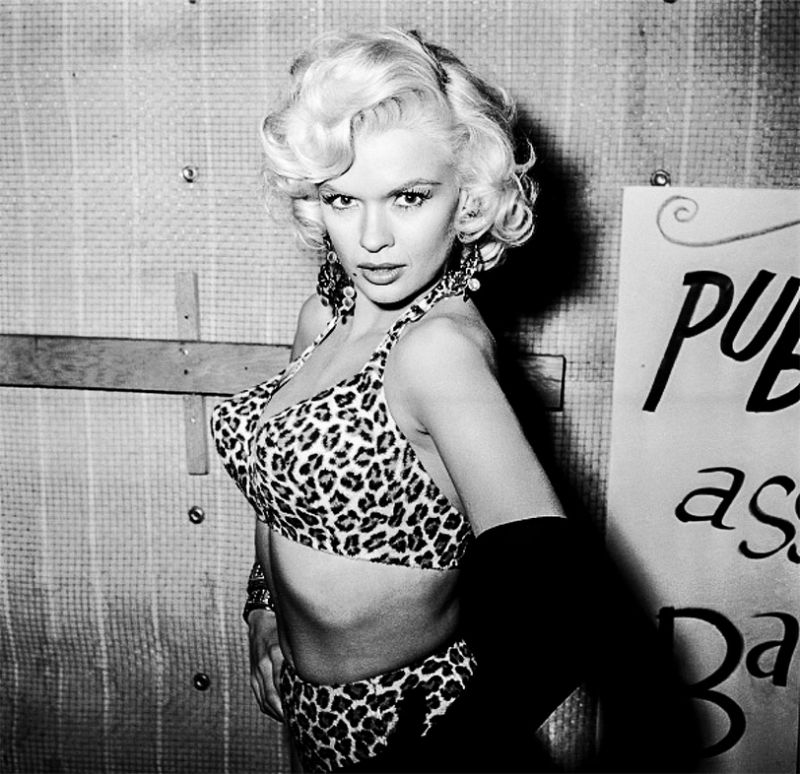
Jayne was naturally a brunette

Jayne Mansfield was born Vera Jayne Palmer in Pennsylvania on April 19, 1933. Jayne was married and divorced three times and had five children. Her great love was likely with her second husband, Mickey Hargitay. She had her daughter, Mariska Hargitay, the well known actress, with Mickey. Mariska followed in her mother’s footsteps. Mickey clearly loved Jayne endlessly and put up with a lot of stunts that she pulled, which were not always family oriented; he stayed with her even when she was taking risks with sharing her sexuality.

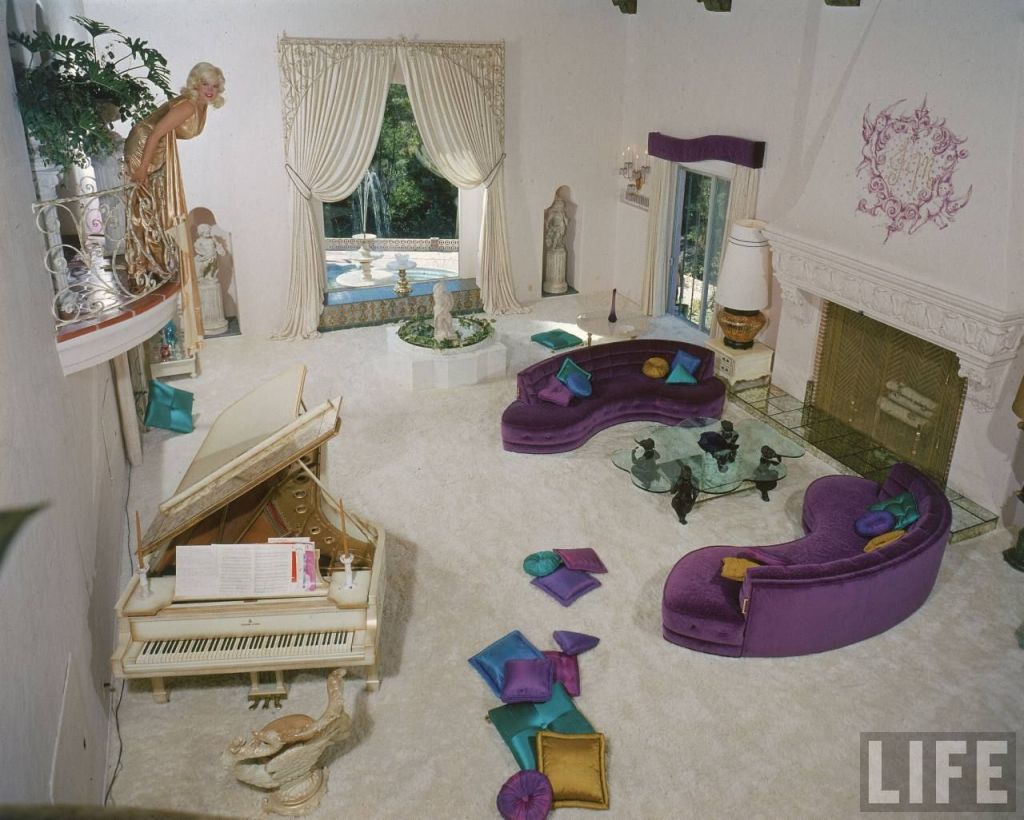
Jayne led a complex life: she pursued fame despite knowing that she was in the shadows of Marilyn. Jayne was also known for relationships with both JFK and RFK. She was certainly a woman who was ahead of her time in how she managed her life. Jayne had an ambitious vision for the star that she wanted to be and she made strategic decisions that impacted this vision. Jayne’s home in Los Angeles was even infamously dubbed the “Pink Palace” for having a pink theme and being painted pink. The grandeur that she lived in reflected the glamorous vision that she had for her life. Jayne’s life would end too early in tragedy.

Jayne performed in Mississippi during her last days in 1967, where she passed tragically in a car accident late in the night with her companion at the time, her lawyer, Sam Brody as they were going to New Orleans for another show. The vehicle Jayne was in crashed into the rear end of a tractor trailer that was behind a truck that had suddenly slowed down because it was spraying mosquito spray. Jayne’s children survived with minor injuries in the back seat.

After Jayne’s tragic passing, policy was passed to recommend that tractor trailers use an underride guard, though the trucking industry was slow to adopt the change. It’s sometimes referred to as the Mansfield Bar due to Jayne’s passing. Mickey, in despair, ended up marrying the flight attendant who accompanied him when he flew from Los Angeles to New Orleans after Jayne’s tragic passing in 1967. Mickey’s love for Jayne was so evident in how he allowed her to pursue her dreams. Jayne’s legacy is her ambition and her love.

Jayne and Mickey were married in a ceremony in 1958 that was open to the press: an early version of a reality show.

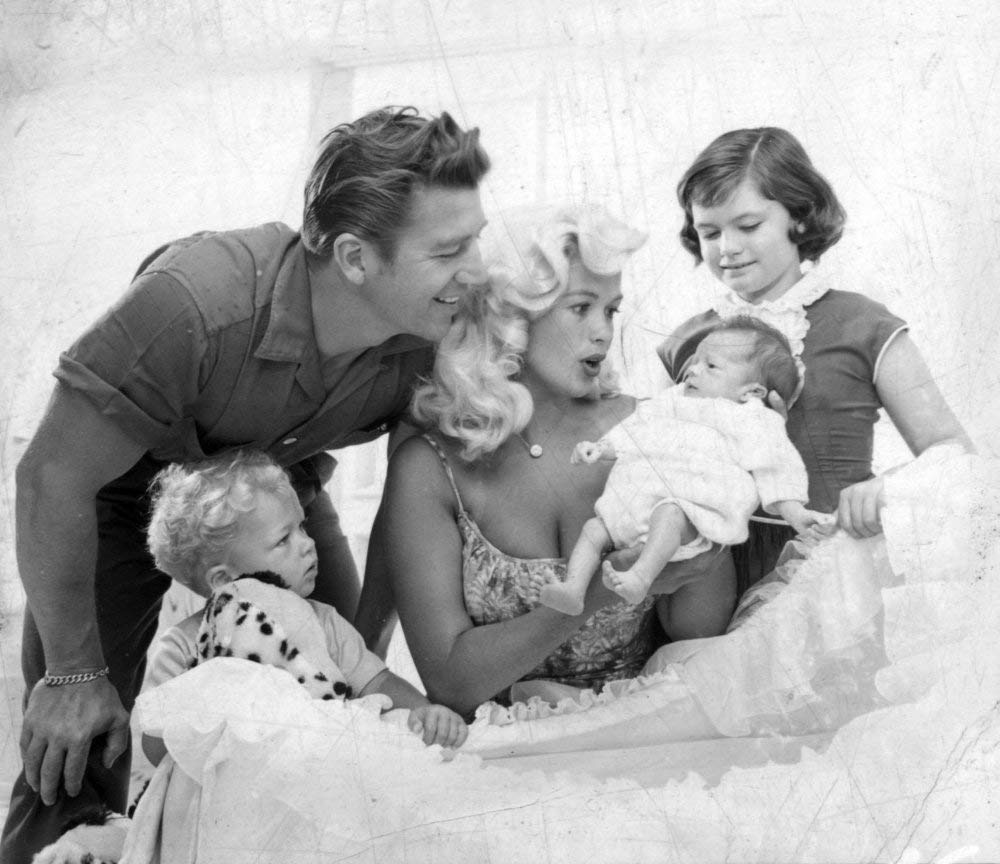
Jayne with her husband Mickey and her three children with him.

Middle of Nowhere: The Forgotten Heartland and Mythology of Kansas

Kansas is in a compromised state: there is a deeply concerning economic stagnation happening in America’s heartland. Part of it has to do with an aggressive type of neoliberal realpolitik that has shredded the governance structures from having the programs needed to help bolster the state’s vibrance. The lack of taxes being paid by its population and the shredding of government agencies has had an opposite effect than intended initially to spur growth for the state through an experimental budget for the state which wreaked financial havoc (ideologically, the idea is that less taxes would spur growth). In the case for Kansas, the tax cuts were an extreme kind of neoliberalism that has caused the state real harm. The state is currently trying to manage this disrepair.

This is not just a red and blue issue, the heartland is in dire straights and there is no clear path to spur growth, but shredding taxes and government agencies is also not the answer. At this point, the state of Kansas needs a large philanthropic donation to help subsidize lack of government programs, spur economic development, and bring more vibrance back to this state.

The state of the nation depends on the vibrance of all states.

For the first time in years, Kansas has a Democratic Governor. Why is that? The realization that the course that this state is on as it previously had been as a staunchly “red state” is no longer working out. That’s a fact. Join me as I explore how Kansas is an economic thermometer for America. Furthermore, this state has its own mythology as part of American culture:

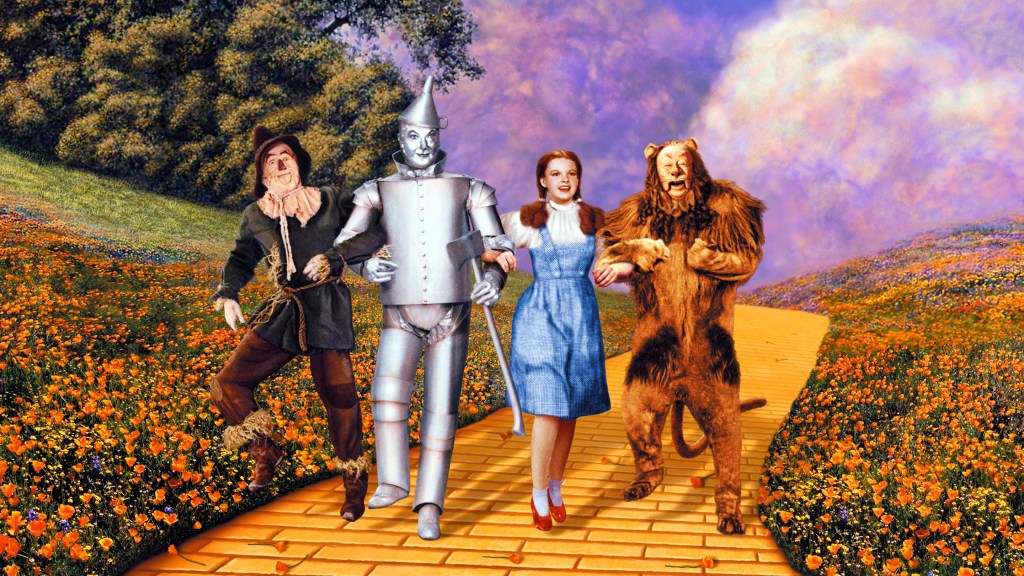
  • Dorothy from The Wizard of Oz is from Kansas
  • Superman is from “Smallville,” Kansas
  • Little House on the Prairie is in Kansas

How many people can say that they appreciate Kansas? Likely a huge number of Americans can tell you that’s what they know about Kansas from popular culture which includes the above films and books, which is great, but do they know what’s really been happening there in current times? It’s not been doing well.

The reality is, the state has had a decline in population size for the last 80 years. As a result, the state has taken drastic measures to improve population growth which is not limited to aggressively cutting government agencies in order to offer up to $15,000 for people to help pay their student loans in exchange to move to certain counties that need larger population sizes. This is a program that was created in clear desperation because people have been fleeing Kansas, mostly because there is a lack of opportunity. There is hope though.

The current Democratic Governor of Kansas, Laura Kelly, has taken steps to ensure that there are policy changes. For example, the experimental Kansas budget led by former Governor Sam Brownback led to cuts in schools, roads, and public safety. Governor Kelly is working to reverse those changes currently. They should be reversed with swift action.

A few other actions that Governor Kelly has worked toward is improving the pay for educators, thus improving the education system by attracting talented educators to the heartland.

She is also currently working to expand Medicaid to ensure that more people have access to healthcare. She also worked to reinstate LGBTQ equal workers rights. The policies being presented by Governor Kelly are sensible and in the interest for the economic wellbeing of the state. Clearly, states need some basic infrastructure to help spur economic growth, not aggressively cutting government services.

Marketing for the heartland of this nation has always been a challenge. Early into its history, the marketing message made to be appealing was FREE LAND. This was initially to draw in farmers. Now, one of the pulls was the following: “We will pay for some of your student loans if you come live in one of our counties.” Is that a sustainable offer? Likely not, as the program needed to be subsidized and there is no guarantee or expectation that people will stay for the long haul: this experimental budget led to serious infrastructure cuts which caused damage to the state.

Kansas may not be getting the structural attention that it deserves, but my eye is on Kansas as the pulse of economics in America, as it can be on the upswing when sensible policies and fiscal priorities are in place.

Tom Welling portraying Clark Kent (Superman).
In the long run, the yellow brick road is sensible fiscal policies which sustain government programs. Ideally, philanthropy can also help bolster the state’s economic wellbeing. Furthermore, all states should have a similar outlook in its policy management.

Aphrodite, Gilda, and the Violets

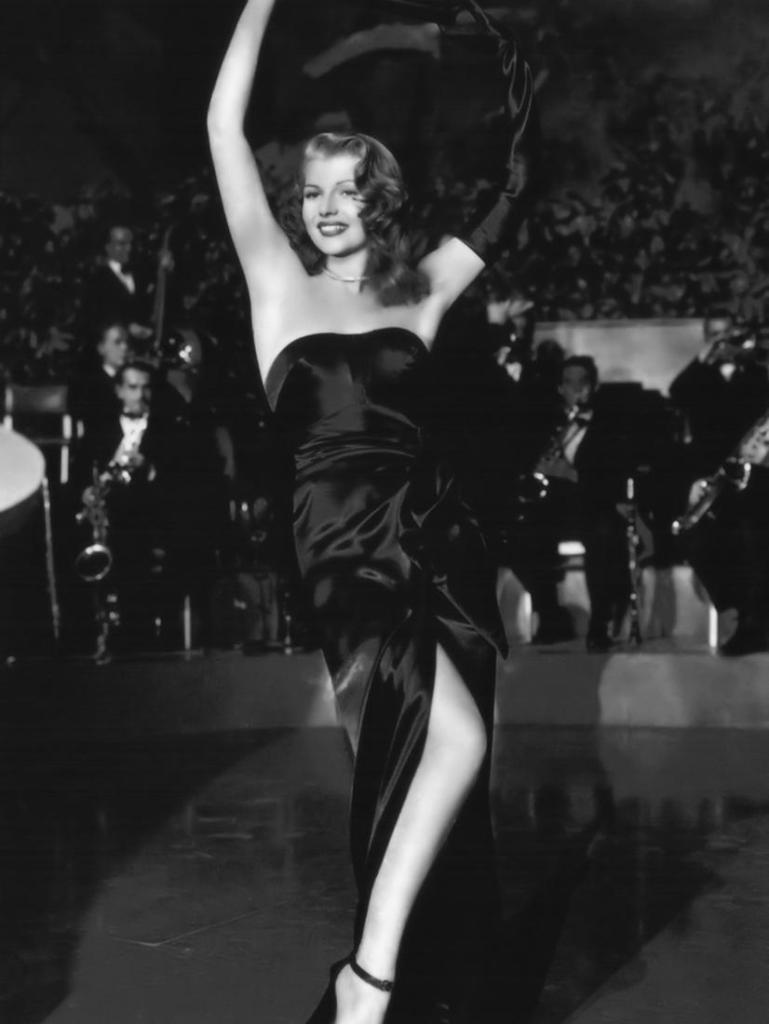
Rita Hayworth as Gilda

Love is the purest form of a soul at peace. 🕊

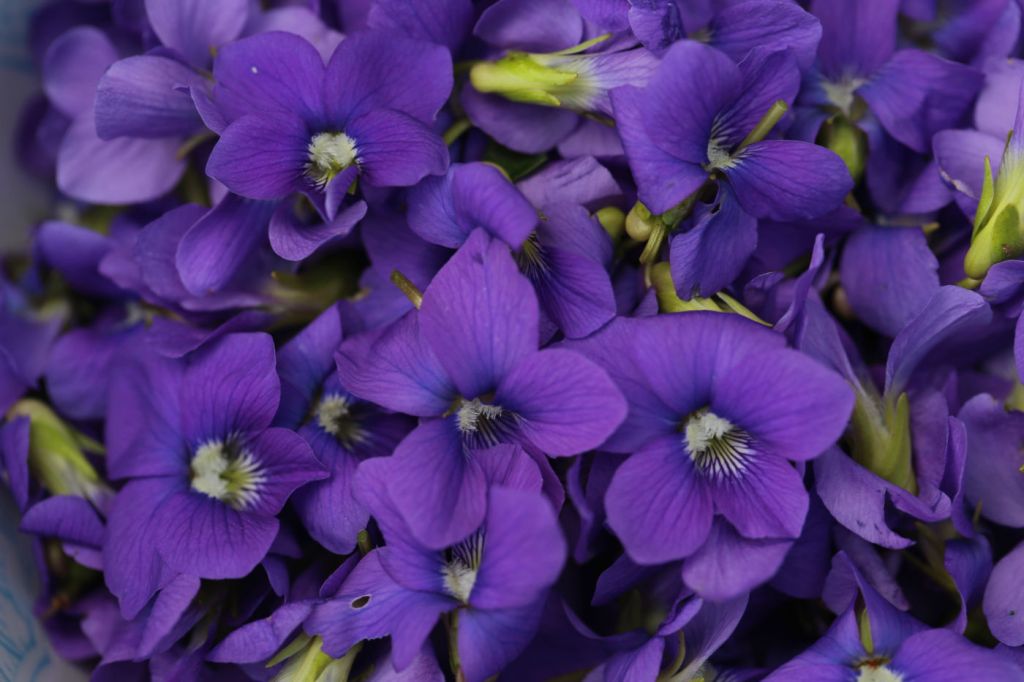
The birth flower for February is the violet. The month of February is also characterized by love as Valentine’s Day is also in February. The Greek Goddess Aphrodite is connected to such symbols as the rose, the violet, the dove, the swan, and the scallop shell to name a few.

There is an interesting intersection of meaning for the violet though. The meaning behind violets is the following: Violets symbolize modesty. According to Greek mythology, violets were created when one of Artemis’ nymphs, who had all sworn to stay maidens, was being pursued by her twin brother, Apollo. To protect her nymph, Artemis transformed her into a violet, which in turn led the violet to become a symbol of modesty. The violet also has roots in Christianity and represents the modesty of the Virgin Mary. The violet also represents spiritual wisdom, faithfulness and humility which are meanings that can be seen depicted in religious works of art.

Because the violet has an intersecting identity of modesty and has a connection to the spirit of love represented by Aphrodite, there is significant overlap between the qualities of purity by the Blessed Virgin Mary (BVM) and the more hedonistic identity of Aphrodite. The establishment of the violet in February allows us to consider how these intersecting meanings all lead into one concept: the power of love.

There are continued images of Aphrodite and violets in popular culture as well. For example, the actress Rita Hayworth was nicknamed “The Love Goddess,” at the peak of her career; her pinup image was also the most widely seen of WWII. As a mythological figure, Rita Hayworth certainly represents a more modern day image of Aphrodite. Directors like Martin Scorsese have also provided extensive input on how her acting set a bar that had not yet been achieved especially in her iconic role as Gilda.

Furthermore, it’s widely known that Rita unfortunately suffered from Alzheimer’s Disease for more than 20 years which may have been brought out earlier in her life due to some of the traumatic experiences she endured. Rita became the first public face of Alzheimer’s. Due to her high profile, there has been a dramatic increase in Alzheimer’s research funding and every year in her honor, the Alzheimer’s Association holds a gala in her honor. In 2019, the gala raised $1 million for Alzheimer’s research.

The gala continues to raise awareness and honors the life of Rita Hayworth in tandem. The official designated color for Alzheimer’s awareness is purple (violet), which is no surprise to me because of how violets are connected to meaning of love. However, this color was designated for political reasons: red + blue = purple, because this disease should never be politicized as it affects anyone regardless of their political affiliation.

In so many ways, the connections between Rita’s pinup role as America’s “Love Goddess” in WWII and her experience suffering from Alzheimer’s, Rita was a great unifier. Lack of unity and agreement… isn’t this all part of the great paradox of the political issues that we all face and let ego disavow us from shared agreement? The real answer is peace and love, regardless of which side you think you are on.

“She had an unusual combination of an innocence and an experience… a power and a vulnerability.” – Martin Scorsese

Rosy Conversation with Tommaso Protti

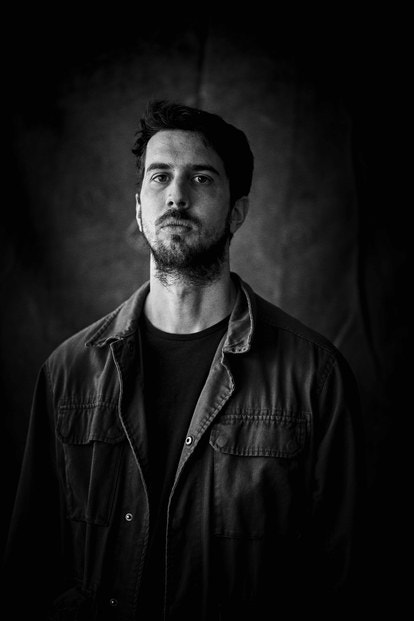
Tommaso by Gabriel Bianchini for Vogue Italia

It’s with great pleasure that I share my interview with award winning Italian photojournalist, Tommaso Protti.  He has been documenting the deforestation of the Amazon as well as the humanitarian crisis associated with it. Our conversation spanned a number of topics, including his introduction to his career in photography, some of the crises that he has documented in the Middle East, as well as the themes that appear in his work.  In 2019, he was awarded the esteemed Carmigniac Award in photojournalism, which allowed him to continue documenting the crisis in the Amazon. 

The images that he has documented include deforestation as well as images of the Indigienous Guajajara people, now known as the “Guardians of the Forest,” who have increasingly been driven off their land.  They have resorted to self-arming themselves in order to fight back against illegal loggers to protect their land.  This is happening in the impoverished state of Maranhão, Brazil, where illegal logging has sharply risen in the last couple of years under a particular political climate.  

Tommaso’s work in documenting these stories should embolden the global community to consider how we are at a precipice both within the climate crisis and also work to ensure that the Guajajara people are supported in protecting their land, which in turn protects the future of the Amazon. 
If you are in Paris right now, Tommaso’s photography is currently on display at the MEP in a solo exhibition entitled, “Life and Death in the Brazilian Amazon” until February 16.  Please follow Tommaso on Instagram @tomprotti.

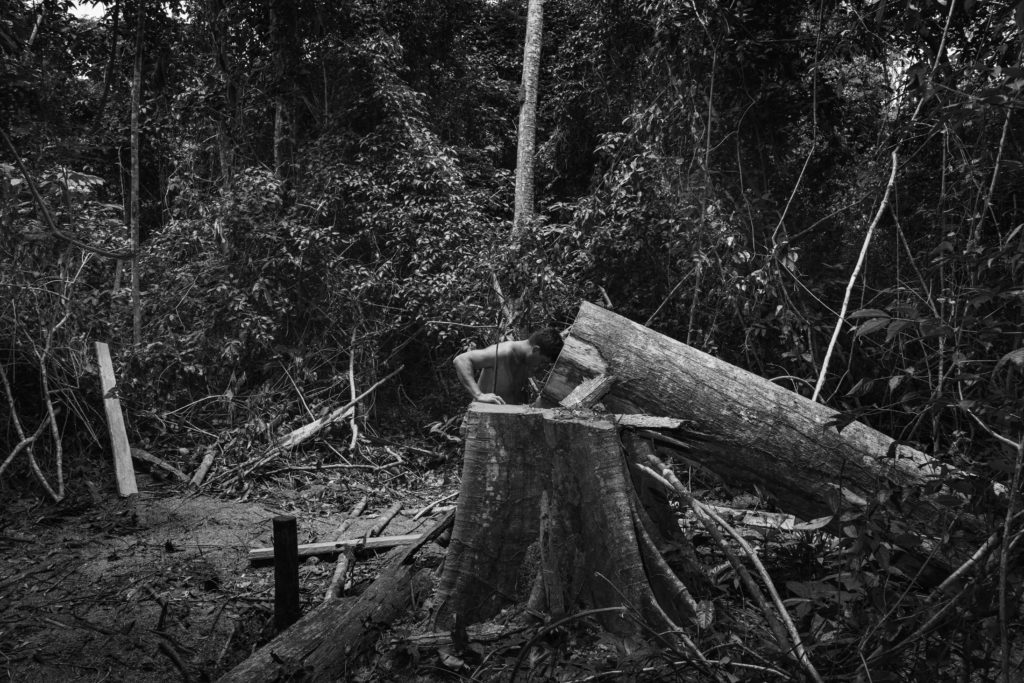
Tommaso captured this image of a member of the Guajajara forest guard in a moment of sad silence at the sight of a toppled tree cut down by suspected illegal loggers on the Araribóia indigenous reserve in Maranhão state.
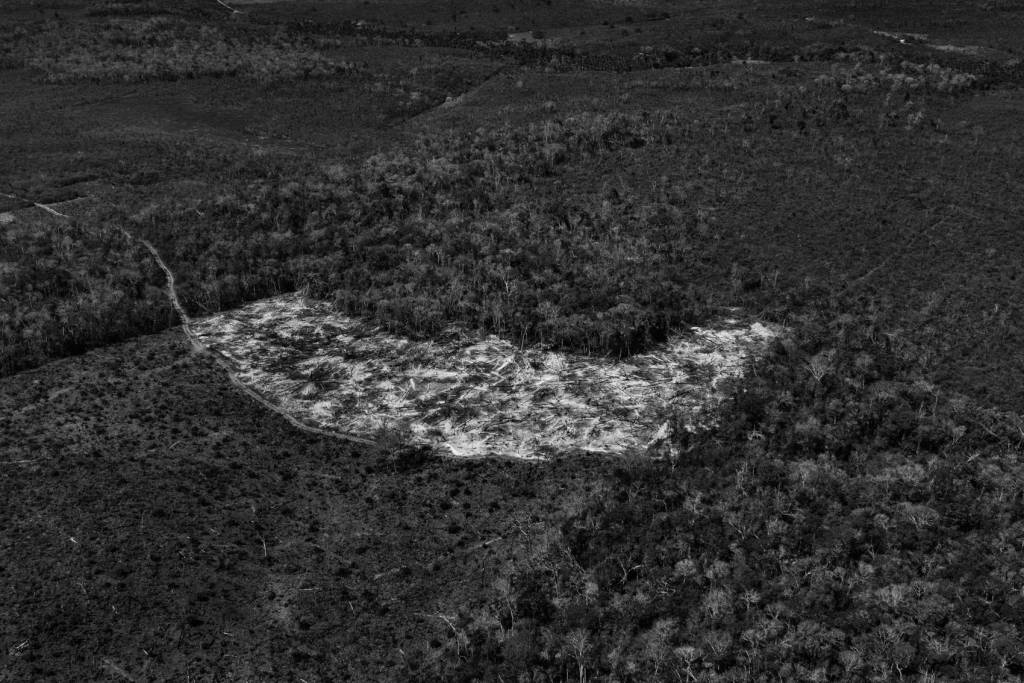
Tommaso captured this image of the vast deforestation that has been occurring at an accelerated rate in the last couple of years.
Junior poses with his gun for a portrait in the periphery of Manaus. He is a member of Família do Norte – The Northern Family or FDN –. The Northern Family is considered the strongest gang in Amazonas state. It controls local drug sales, trafficking routes and prisons. The gang formed in 2006 to ward off the advance of criminal gangs from Brazil’s south. In 2017, leaders commanded a bloody Manaus prison uprising when 56 people were killed; many beheaded, gutted or burned. In 2019, at least 40 prisoners were killed in an internal gang dispute.

Our Conversation

Bianca: Your photography has been featured in major publications including National Geographic and The Washington Post.  What prompted your passion for photography? 

Tommaso: I started in photography because of my studies. I studied Political Science and International Relations at the University in Rome. My first project related to geopolitics was regarding the flows of water in the Middle East. I went to the region and that was the first step where I started taking pictures with the intent as a profession.  That’s really where everything came from.  

I started with a project concerning the construction of dams in Turkey and the photography project was about the environmental and social impacts of these dams and how Turkey is using this project in strategic ways.  The sources of the rivers are in Turkey, but the majority of the water flows are in Iraq and Syria, which enables Turkey to have a powerful tool. I started with this story and I translated these geopolitical issues and started to explore the region and further continue documenting the conflicts of the Kurds.  The last time I went there was in 2015, there were PKK guerilla fighters and then the Turkish state started to impose curfews on people. (The PKK, otherwise known as the Kurdistan Workers’ Party have been involved in an armed conflict with the Turkish government since 1984 with the initial aim of becoming an independent Kurdish state.)

Bianca: You are originally from Italy, when did you move to Brazil and how long have you lived there? 

Tommaso: I moved here for family reasons. The first time I came here was in 2014, I got an assignment to do photography, and I like São Paulo and decided to stay, which is why I have been living here. 

Bianca: Your photographs tend to be in black and white, is there a reason for this stylization? To me, I interpret your B&W photos as highlighting the devastation happening to the Amazon because it adds such a haunting quality to them.

Tommaso: Black and white is the way that I prefer in photography to express myself. It allows me to put a variety of issues together while maintaining coherence within my visual style.  

Bianca: Congratulations on receiving the 2019 Carmignac Photojournalism award!  What is the history of this award? 

Tommaso: The Carmignac Photojournalism Award supports photographers in the field. It funds annually the production of an investigative photo reportage on human rights violations and geostrategic issues in the world. Selected by an international jury, the laureate receives a €50,000 grant, enabling them to carry out an in-depth research in the field, with logistical support from Fondation Carmignac. The 10th edition of the grant was dedicated to the Amazon and the issues related to its deforestation and I was chosen as the winner. The award allowed me to produce an in-depth investigation around the region last year.

Bianca: Your photography has depicted haunting images of the Amazon’s deforestation, which has also accelerated since last year as the world has now seen with images of catastrophic fires.  Are there ways for the global community to intervene? If so, how? 

Tommaso: The global community should intervene.  The scientists are saying the forest is reaching a tipping point and we should be aware of that.  We should also value our choices… the problems of the Amazon are complex, but they are the results of consumerism and other interests.  My point of view is to make people curious and intrigue people as each of us should do for our own work. I am documenting the crisis. 

Bianca: You have put your life in danger while capturing these photographs, what makes you go back?  Is it a sense of justice for all of the impunity that is happening? Or is it as simple as feeling more alive? 

Tommaso: I don’t look at it as putting my life in danger.  The Amazon is a dangerous place. As a photographer, I do my best in taking the least risks as possible.  It’s a long term project and I always like to go back to the Amazon and there is always something new to discover and document. The risk that I am taking is part of the job and I am not driven by adrenaline.  I am driven to document these crises. 

Bianca: After President Jair Bolsonaro’s election, Amazon deforestation in Brazil has sharply risen. He has scaled back on efforts to fight illegal logging which has facilitated further destruction.  The Amazon rainforest lost an area about 12 times the size of New York City from August 2018 to July 2019. This is not acceptable. How can the public hold him more accountable?  

Tommaso: Yes, this is a process that has happened years ago and there are many drivers of this deforestation: there is greed, violence, and self interests.  More than anything, there is impunity.  It’s lawless like a new Wild West. The lack of justice is the main problem for the Amazon and you have all of these criminal groups and the statistics have increased of a presence of criminal groups in the Amazon. His message has been that the Amazon is open to business again, which has legitimized many people in the general exploitation of the forest.  He has moved to reduce the indigenious reserve and he is not exactly environmentally friendly. 

Bianca: How can the global community understand these complex issues and then take action? How can we support the Indigenous Guardians of the Forest?

Tommaso: I am not an activist per se, the governments need to work together on these issues.  I am mainly trying to share these stories with the world. Another theme that I focus on in my photography is about violence. It’s my intention to continue doing this work and exploring other regions of the world as part of a long term photography project.  I also do commercial and advertising work as with photojournalism, it’s not always possible to share the stories that you want to share.

This image is of a group of Gujajara who are beating a man suspected of illegal logging.  A couple of days later, the group was shot at by illegal loggers in retaliation for this beating.
Indigenious Guajajara leader, Paulo Paulino, was tragically murdered in the Amazon in November 2019.  Tommaso followed him and became friends with him, capturing the image of him above. Paulo was killed in an ambush by illegal loggers.

Thank you, Tommaso! Your work is noble and needs to continue being shared with the world.

Nina’s of Paris: Marie Antoinette’s Tea

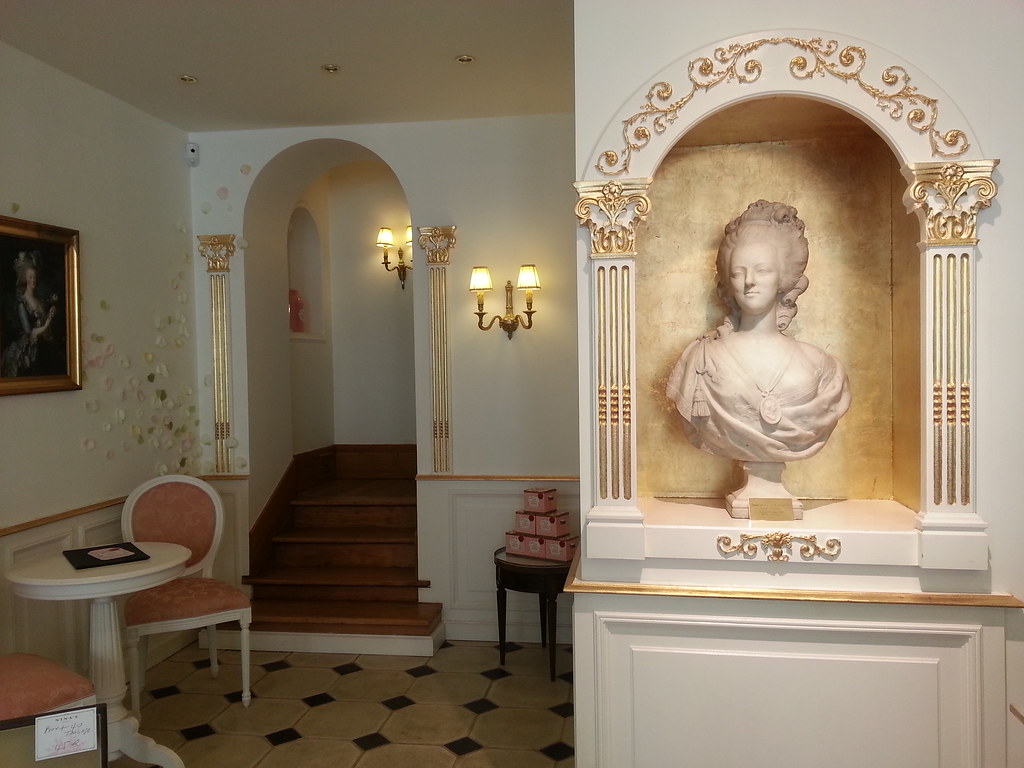
What if Marie Antoinette’s tea still existed? Well, it does, and you can find her tea at Nina’s Tea House in Paris. My favorite Austrian Queen drank tea that had a fruitful flavor to it, which is not surprising given the heavenly sensory experience that her lifestyle was infamously known for. To this day, the tea is still cultivated with fresh fruits from le Potager du Roi of Versailles. Her legacy lives on through this lovely tea house in Paris and given her life’s tragic outcome, I think her legacy being experienced through delicious tea is a wonderful way to honor her memory.

Marie Antoinette was a multi-faceted individual, just a young girl, when she was sent from Austria to marry Louis and become the Queen of France. She was forced to navigate a political landscape that most world leaders would be perplexed by today, let alone did she seek out that life. In many ways, the economic realities that she faced were not much different than the ones we face today. It’s unfortunate that her legacy as a villainous character that said, “Let them eat cake!” (which is a myth) is how she would be characterized in the French Revolution. However, Sofia Coppola’s multi-dimensional approach in depicting her in her film about Marie Antoinette is historically accurate: the film is based off of historian Antonia Fraser’s biography of Marie Antoinette, Marie Antoinette: The Journey, which has been lauded by historians.

Few also know that her Petit Trianon and Hameau de la Reine were her solace, a small palace and a cottage nearby made for her on Versailles that was intended to be environments that were simple and pure, and likely the way she had wished the world could be and perhaps a type of homesickness that she had to Austria… Honoring Marie Antoinette’s legacy by drinking the same tea that she did is a wonderful way to learn more about her life with a simple pleasure while continuing a historic legacy of tea.

A portrait of Marie Antoinette by Louise Élisabeth Vigée Le Brun, 1783
Hameau de la Rein (The Queen’s Hamlet) was Marie Antoinette’s cottage which served as a private meeting place for her closest friends and place for leisure.
The Petit Trianon
Interior of The Petit Trianon

Selene: Goddess of the Moon

Images of femininity and nature are wondrous to me and I think they also have an allegorical function for society at large (when used in literature or mythology for example). There is just so much to learn from Mother Nature, we must listen to her. I recently came across the Greek Goddess, Selene, Goddess of the Moon and learned about her myths and meaning. Her Roman equivalent is Luna.

Spiritual rituals related to honoring the Moon Goddess are magical and so meaningful to me, and I also love to learn about the stories of all of the Greek goddesses. Some of Selene’s lovers included Zeus, Pan, and the mortal Endymion. Endymion is most famously known as her lover as he was a mortal man who was either an astronomer or a shepherd (his role being someone who is under the moon frequently) and he caught Selene’s eye.

In the case of Selene’s greatest love… the name Endymion means “Diver.” When considering the process of the sun setting and (diving into the sea), Selene as the moon can be interpreted as embracing her diver when she (the moon) rises… The convergence of the two lovers leads to their embrace through this union of nature. Endymion is a mortal, but he remains ageless and deathless, which allows for Selene to have him.

In Selene’s case, she teaches us more broadly about maintaining balance in life: she balances light and darkness all at once with her representation of the moon. The moon is a wonderful reminder that we must find balance in our everyday lives. Her light is also calming and mystical to us and we should do our part to be in tune with her and appreciate the tranquility she brings us. I will always believe in the powers of the moon…

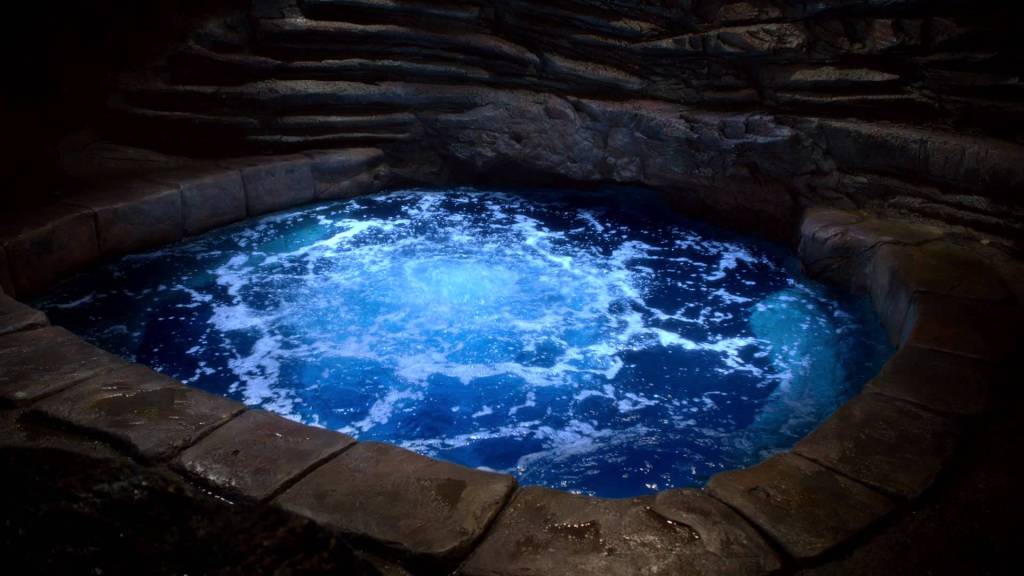
The “moon pool” on the hit Australian TV show H2O: Just Add Water is representative of the magical powers of the moon.
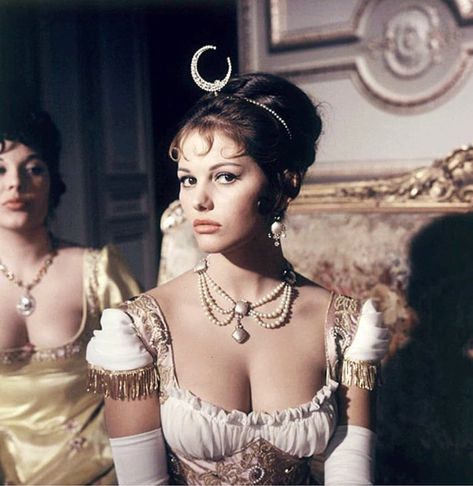
Claudia Cardinale wearing a moon headpiece in the 1960 film Austerlitz.
Selene and Endymion by Victor Florence Pollet (mid-19th century).
Selene and Endymion by Erasmus Quellin (1897).
Selene and Endymion by Filippo Lauri (1650).

The Insider’s Guide to San Francisco

San Francisco is my playground! Who doesn’t want to be in the know? Every time folks come to San Francisco, it’s less than obvious where the real gems of this city are hiding… Of course, you have institutions such as The Rotunda restaurant on the top floor of Neiman Marcus or the Palace Hotel’s tea time… but where are the other spots that San Francisco’s natives frequent?

These are some of the spots that you can expect a range of experiences and are most likely where you are going to find more locals than not. This list is one that you can certainly rely on as spots worth returning to with friends and family.

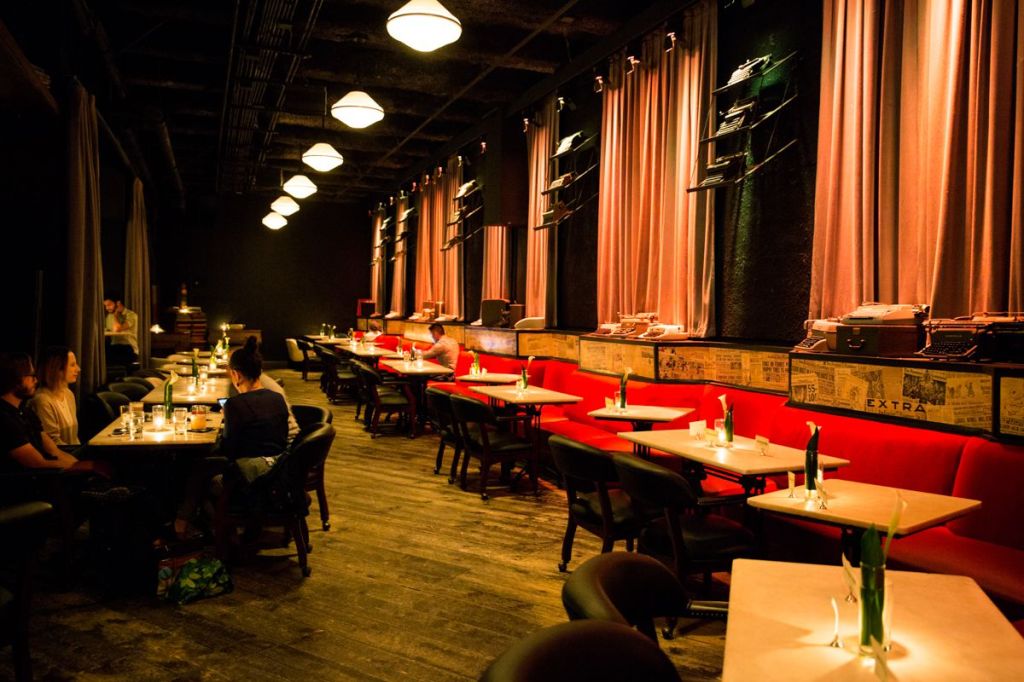
Many of these are downtown SF which is ideal, minus The Dorian and Palm House, which you can find in the Marina & Cow Hollow… perhaps worth a Friday night or weekend jaunt. I have been to The Alchemist in SOMA more times than I can count and have found the ambiance to be ideal. It’s a great spot for groups to meet because they have extensive space upstairs. Group size aside, the Redwood Room at the Clift also has a great vibe to it (though far more intimate) and you can find a lovely chess board there to play!

EAT

The Dorian

Homage

The Americano

Perbacco

Palm House

Scala’s Bistro

PLAY

Redwood Room

My personal favorite as they have a chessboard… I dare you to find it and play!

The Wing

Note: The Wing is a women-only, members-only working space. You can apply for membership on their website.

Local Edition

The Alchemist

Charmaine’s Rooftop Bar

SHOP

Everlane

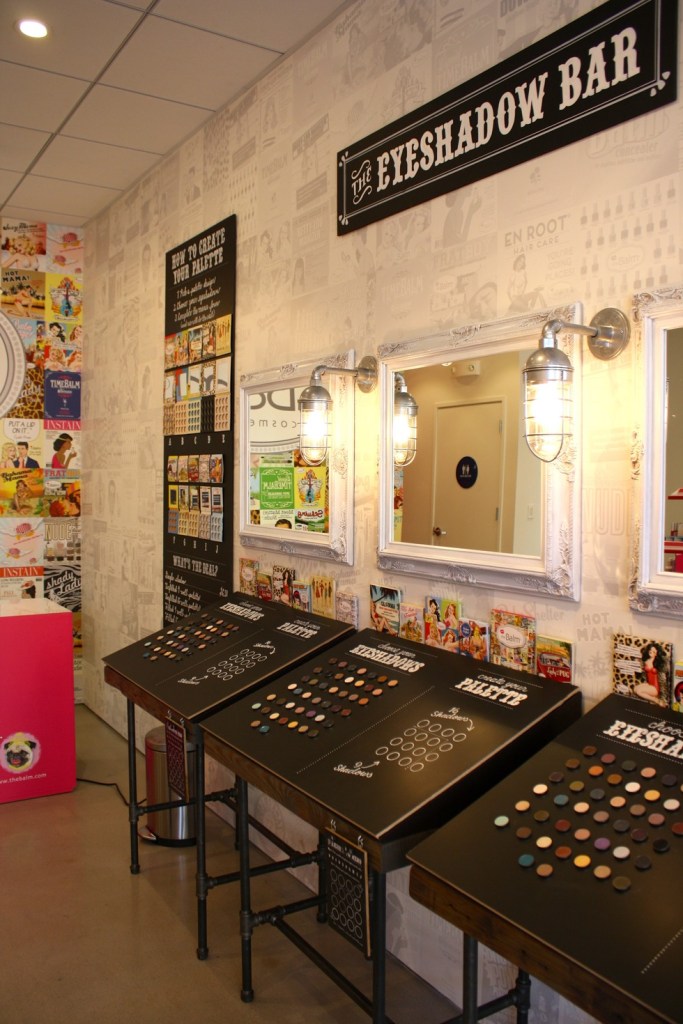
theBalm Boutique

Ambiance

Alexander Book Co.

Honoring my UC Davis English Professors

Dr. Colin Milburn, prominent writer on Nanoscience and the history of Science Fiction.

Opportunity for higher education should be considered a right and not a privilege. The faculty of the UC Davis English department expanded my mind in ways that I will be forever in debt to. My mind is expanded today because of these amazing individuals. I have such intense gratitude for each one of these wonderful people. Each of them pushed me in different ways, which is likely one of the best things that has ever happened to me: they showed me that “being different,” and “thinking differently” is more than OK, it’s great, and you should gladly pursue intellectual bright spots. The world is better because of it. Lean into your inner nerd, that’s the coolest and rosiest thing you could ever possibly do for yourself.

These are a few things that I learned while a student in the UC Davis English program and they stuck with me:

Jane Austen was actually an abolitionist. Her book Mansfield Park makes not so subtle remarks towards her abhorrence to the horrors of slavery.

Science can now be considered “culture” more broadly, and we need to understand the connections between social sciences and the arts to ensure we are on the right path when shaping histories. This is the only way we can pursue justice, justice for people and climate justice… For example, national identities can create different research agendas and we must be cognizant of how science and the humanities overlap as we move forward in the scientific fields globally.

Cyborgs can take on human traits, thus, we humans, can technically fall in love with a cyborg. What does that teach you about your humanity? It teaches you that you should never be afraid to love and feel because that’s what makes us human. Cyborgs won’t ever make up for that and we can’t fool ourselves into that future. Blade Runner (1982) really makes you realize this… Harrison Ford falls in love in “November 2019” with a cyborg indeed…

“November 2019”

John Milton played with the concepts of Christianity in such a way that makes us reconsider the entire faith itself. Can you feel compassion for all of the characters? Evil ones like the fallen angels, too? That’s called empathy and more people need to flex that muscle these days. If Paradise Lost was made into a film, it would be the most epic film of all time, but it’s too complex to turn into a film that would do the literature justice.

These are just a handful of the topics that helped expand my mind in literature, fall deeper in love with writing and writers, and embrace my humanity in new ways.

Indeed, we are all connected, and this is rosiness to me.

People commonly make the assumption that literature majors aren’t suited for jobs in science, technology, economics, policy work etc. In fact, this is the exact opposite. Literature majors can enter into every sector and add value across verticals.

A robust and deep understanding of literature, philosophy, and critical theory equips students with a more profound understanding of the world around them and how they can work to improve the world in all the sectors they may enter. English majors are a wonderful addition to any team.

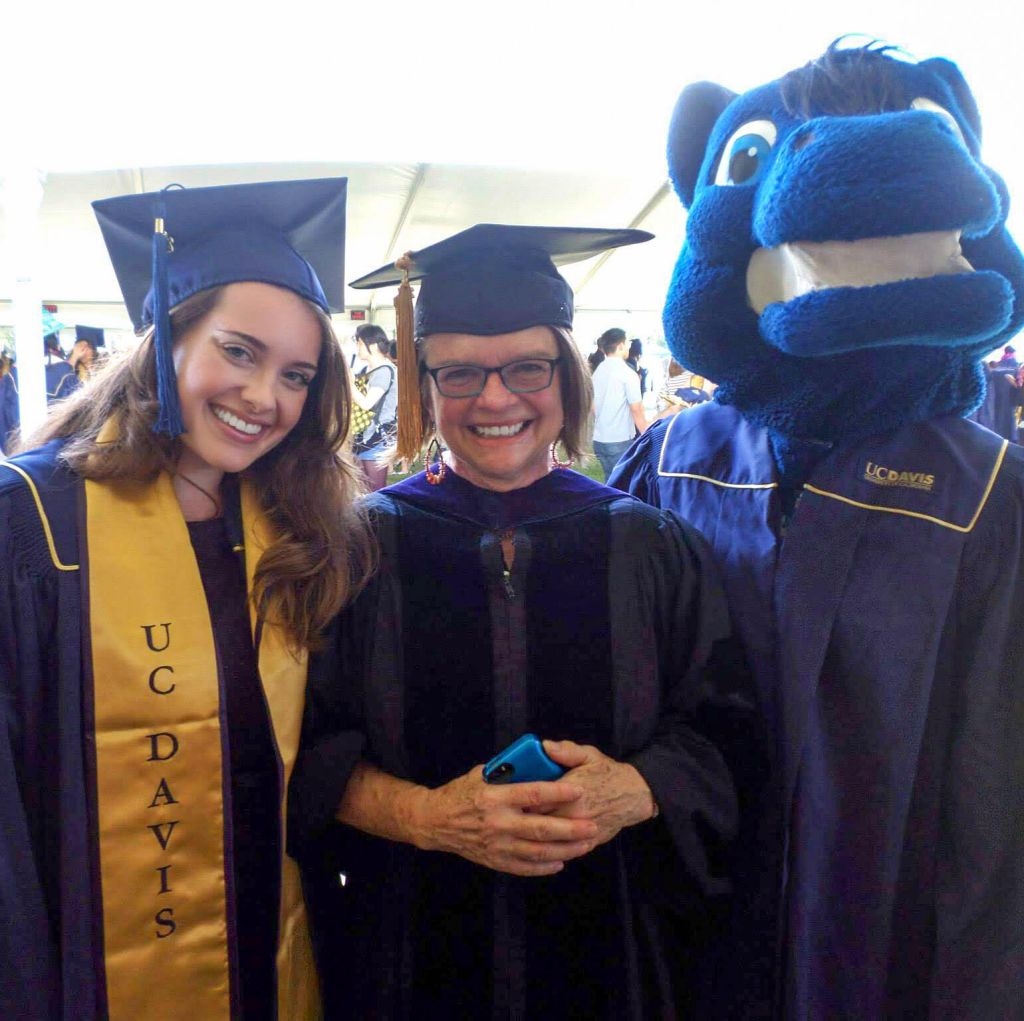
Dr. Margaret Ferguson and I on my graduation day.

What is Your Endgame Strategy?

“Chess is not always about winning. Sometimes it’s simply about learning. And so is life.”

Some truly believe in the adage, “life is a game.” While I know that is not entirely true, I think that strategy plays an important role in our life’s outcomes… luck may define our destinies more than we would like to admit, but we also shape our our own destinies as well. The two are interwoven in ways beyond our comprehension, in the same way that people ponder the meaning of life. I have always been on the nihilistic side, but I do think that the beauty of life should be appreciated and highlighted. Perhaps that is its sole meaning anyway.

The messy process that a chess game unfolds for us is exhausting, and it’s thrilling all at once, that’s what I have come to learn what my endgame strategy looks like: I enjoy learning about the various board configurations as it pertains to understanding how life is meant to be messy and complicated. What’s even more beautiful? The more you lean into that concept, the more luck you are going to have. I am lucky to have learned that at a young age.

“A good player is always lucky.” – Jose Raul Capablanca

I had a friend once who gave me a chess board from his trip to China as a gift on our first date because I mentioned to him that I like playing chess. It was a bold move on his part. I think I actually learned more from that person than most people I have ever met. He has been one of my life’s best teachers. I learned how to play and win at many different games from him. The strategies he taught me were powerful: indeed, your decisive tactics on a chess board will impact the other player’s move and ultimately, the endgame… who is to win? Your intellectual capacity can also let the game unfold in a way that can make the process beautiful… The meaning of life…

“You may learn much more from a game you lose than from a game you win. You will have to lose hundreds of games before becoming a good player.” – Jose Raul Capablanca

When I was a little girl, I took a trip to Austria with my mom. I found a life sized chess board and became fascinated with it. I thought it was the coolest thing I had ever seen. I started moving pieces around on the board and think back on that memory with great appreciation. At the time, I had no idea that I would become a lifelong fan of the game.

The chess game is a wonderful metaphor for life… However, comparing life to a game is a bit paltry as it does not cover the glorious aspects of life that are not concerned with any outcomes. Please “stop and smell the roses.” That is what life is really about and if you realize that, you’re winning. Most importantly, I learned that one never wins when they lose out on love. Another thing… The Queen is the most important player on the chess board. You should always keep that in mind, if you want to win, that is.

2020 Rosy Reading List

  1. Cult of Two by Michael Faudet
  2. The Mermaid’s Voice Returns in this One by Amanda Lovelace
  3. My Friend Anna by Rachel DeLoche Williams
  4. Inward by Yung Pueblo
  5. Where the Crawdads Sing by Delia Owens
  6. The Cheater’s Guide to Love by Junot Díaz

2020 enters a new decade, and with this new decade, perhaps it’s a good time to read books which push our thinking on how to live most authentically and true to ourselves (in the case of My Friend Anna, this is a story about quite literally living an honest life versus living a lie). Perhaps it is living out our truths in the most authentic way possible can we work towards affecting the change that we hope to see in the world. I have this hope as we enter into the new decade, it’s pure and simple, and yet increasingly difficult to come across in society.

The themes which arise most poignantly throughout these books include love, healing, introspection, and perhaps most importantly, pluralism. As our pluralistic society begins to fade, we must foster this by being the example of it in acting in sincere kindness to one another everyday. I don’t think we should underestimate the power of pluralism and in acceptance. By accepting ourselves and others as we are, the real work in improving the world’s state begins.

“And because love, real love, is not so easily shed.” – Junot Díaz