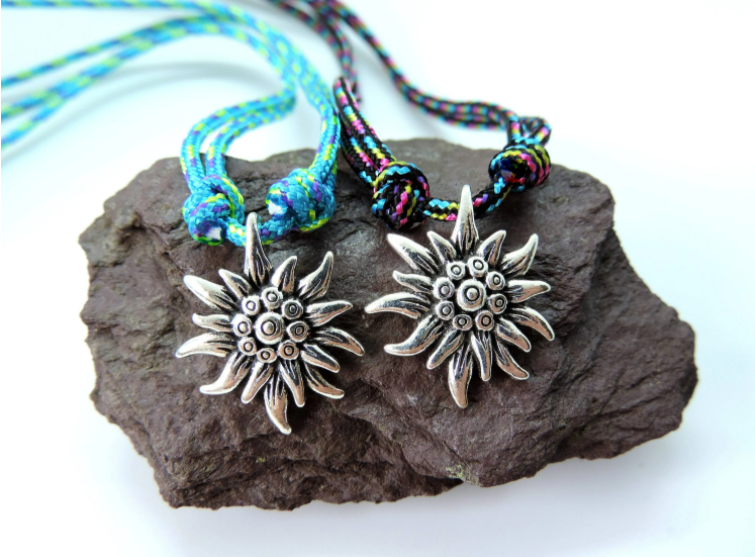
Edelweiss: The Flower of Dedication

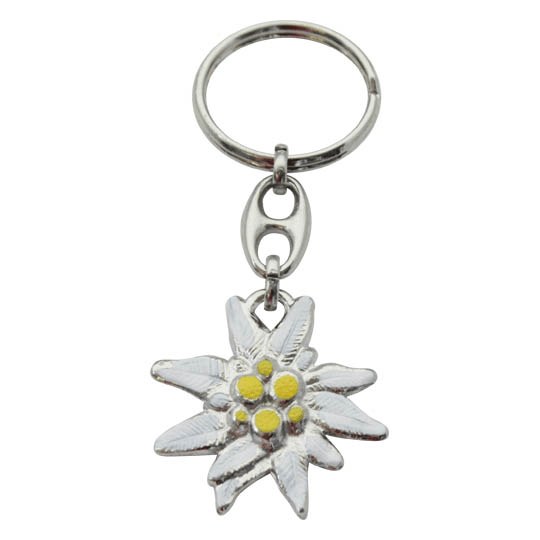
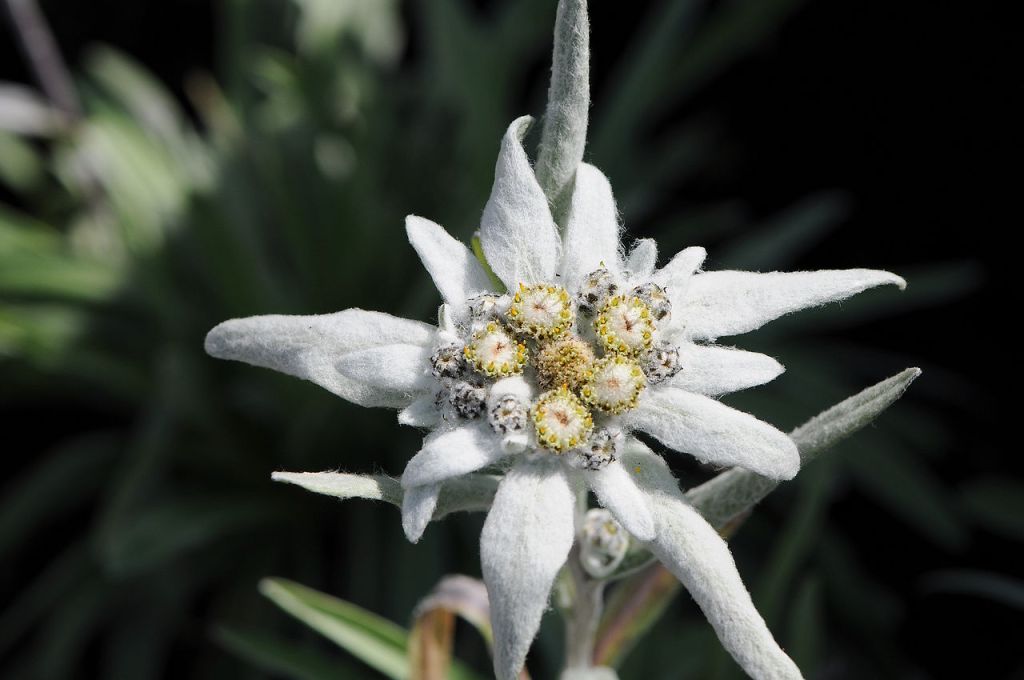
Edelweiss is a wonderful and unique flower – it is a mountain flower belonging to the daisy family… The flower prefers rocky terrain to inhabit (which makes it even more special!). The flower is a national symbol in Austria and also appears in Switzerland, Slovenia, Romania, Bulgaria, and Mongolia. When given to a loved one, the flower symbolizes dedication to your romantic partner. The story is quite simple why. In order to find an edelweiss, one must look hard and climb high mountains (it is work to find one of these lovely flowers), thus when given to your love, it is a symbol of your dedication to that person. However, it is worth noting that the flower has declined due to overcollection (and is now protected by laws), so perhaps if you find one in the alpine mountains you hike, it might be best to symbolically share that you found this for your lover… and there are plenty of souvenirs representing this flower, rather than picking it from the wild.

The Sound of Music famously has a song for it… the lyrics go like this:

Edelweiss, Edelweiss
Every morning you greet me
Small and white clean and bright
You look happy to meet me
Blossom of snow may you bloom and grow
Bloom and grow forever
Edelweiss, Edelweiss
Bless my homeland forever.

The charm and national symbolism of this flower gives me so much nostalgia for my second homeland, Austria. Also, given the rarity of this flower (which gives it a certain magic), there are easy comparisons to the magic of Christmas, which is described beautifully in this hymn above by English poet Frances Ridley Havergal in 1877. In whichever capacity you choose to enjoy the presence of edelweiss, make sure to honor it when you encounter it. This flower is incredibly special for a reason.

Mangroves and Climate Change

Mangroves store 50 times more carbon in their soils by surface area compared to tropical forests, and ten times more than temperate forests. This phenomenon makes the conservation of these coastal trees imperative in the bid to combat global warming and climate change.

What are mangroves? What effect do they have on our climate and biodiversity? These two questions have lengthy answers… The answers to these questions are more complex than one might initially think of trees that grow out of the water. These trees are quite magical, though. Mangroves, by definition, are small trees which grow in saline or brackish water (water with high salinity rates). They mostly appear in Indonesia, Brazil, Malaysia, Papua New Guinea and Australia. They also appear in Africa, as you will read later. These trees help fight climate change. That is tremendously important, and yet, these trees are disappearing.

It is estimated that roughly half of all mangroves in the world have been removed. According to The Washington Post, in the 1980s and 1990s, coastal mangrove forests were “obliterated by industrial agriculture, aquaculture and harvesting of wood for housing and charcoal… tens of millions of tons of the carbon that was once locked away in these forests’… is now in the atmosphere.” Troublingly enough, their removal goes back to the 1980s, which certainly raises questions regarding the rate of carbon emissions and how there are natural ways of sequestering those emissions, which mangroves do beautifully. Mangroves are some of our planet’s guardians. They truly are. Mangroves are an ecological habitat as well (think along the lines of what coral reefs do). According to The Economist, they have been referred to as “evolutionary marvels and they are a critical part of most tropical oceanic ecosystems… but they are rapidly disappearing.” However, there are ways to protect mangroves and I believe spreading awareness about that is important. At the rate of loss we are looking at currently, all mangroves would disappear in the next 100 years. We cannot allow that to happen.

In Kenya, the world’s first mangrove conservation project “Mikoko Pamoja,” (in Swahili means “Mangroves Together”) is funded by the sale of carbon credits. This is a revolutionary project which started in 2014. According to the organization’s website, “The key to unlocking an intervention that would reverse the loss of mangroves and resuscitate the livelihoods of the Gazi Bay Community was the villagers’ realization that the mangrove forest do not belong to the government and that they couldn’t wait for someone else to save the mangroves. This important realization initiated the need for community involvement in the conservation of their mangroves, and the quest to improve their livelihoods through natural solutions.” This project was revolutionary in its effort to combat multiple issues at once – by the villages working together to protect the mangroves, they also found a solution to improve economic outcomes and fund access to clean water and education. I do believe that mangroves are endangered, but I also have hope that projects like Mikoko Pamoja in Kenya are scalable solutions and I truly hope the future of mangroves lies within that truth. Long live the mangrove tree!

Fashion Forward

Are you ready to step into Fall 2021 in tip top shape? I know I am… These are my top fashion picks for wardrobe ideas for your Fall looks.

Clothing by Musier Paris

Cardigans and sweaters from Musier Paris are a unique and fashionable spin on classics… The pearl button detail on some of their cardigans is so classy and adds a nice touch to a classic look. Similarly, the Giovana sweater (right) has a different, edgier look to it with the cropped bottom and string tie. Either way, you will look like a smoke show in either of these and if you are looking for a fresh spin on a classic look, these are Fall 2021 tops for you.

Shoes by Nodaleto

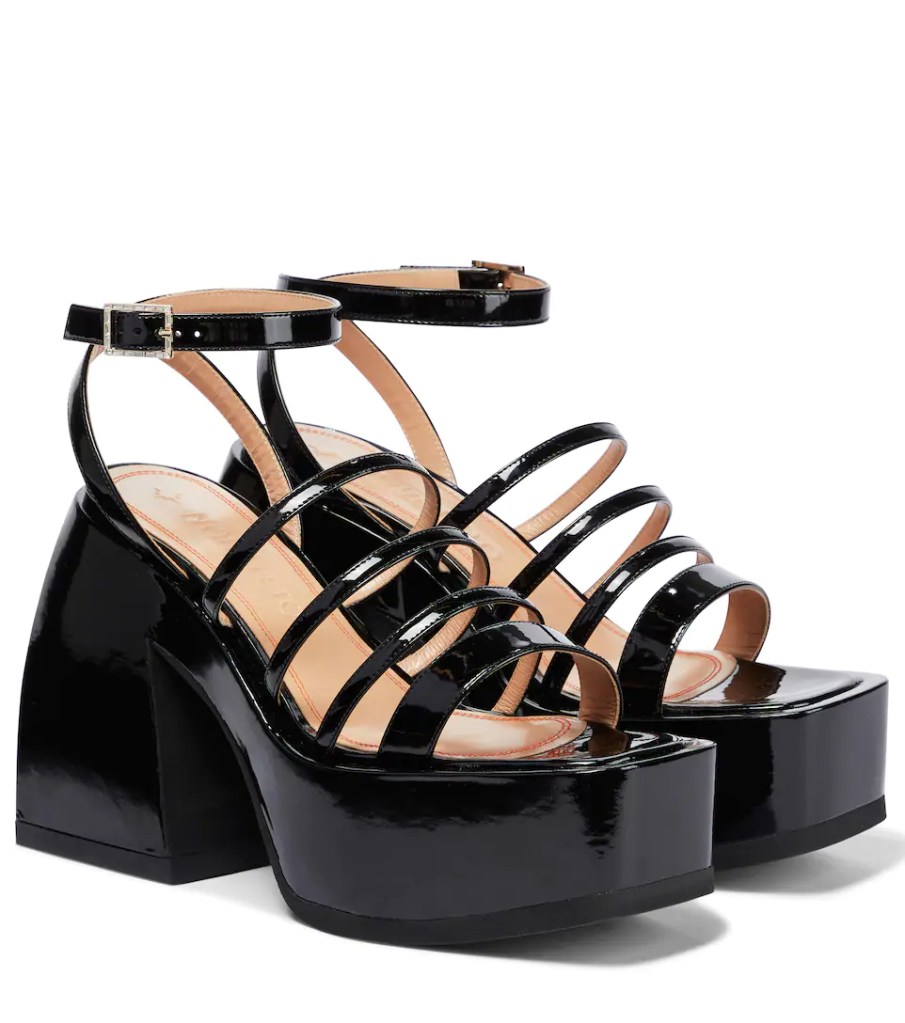
Nodaleto shoes are designed by Julia Toledano, daughter of LVMH CEO, Sidney Toledano. These shoes are made in a family-run factory in Venice, Italy. You can find them at Bergdorf Goodman and Dover Street Market. The brand is described as “playful rebellion and radical femininity.” Need I say more?

Handbags by Lulu Guinness

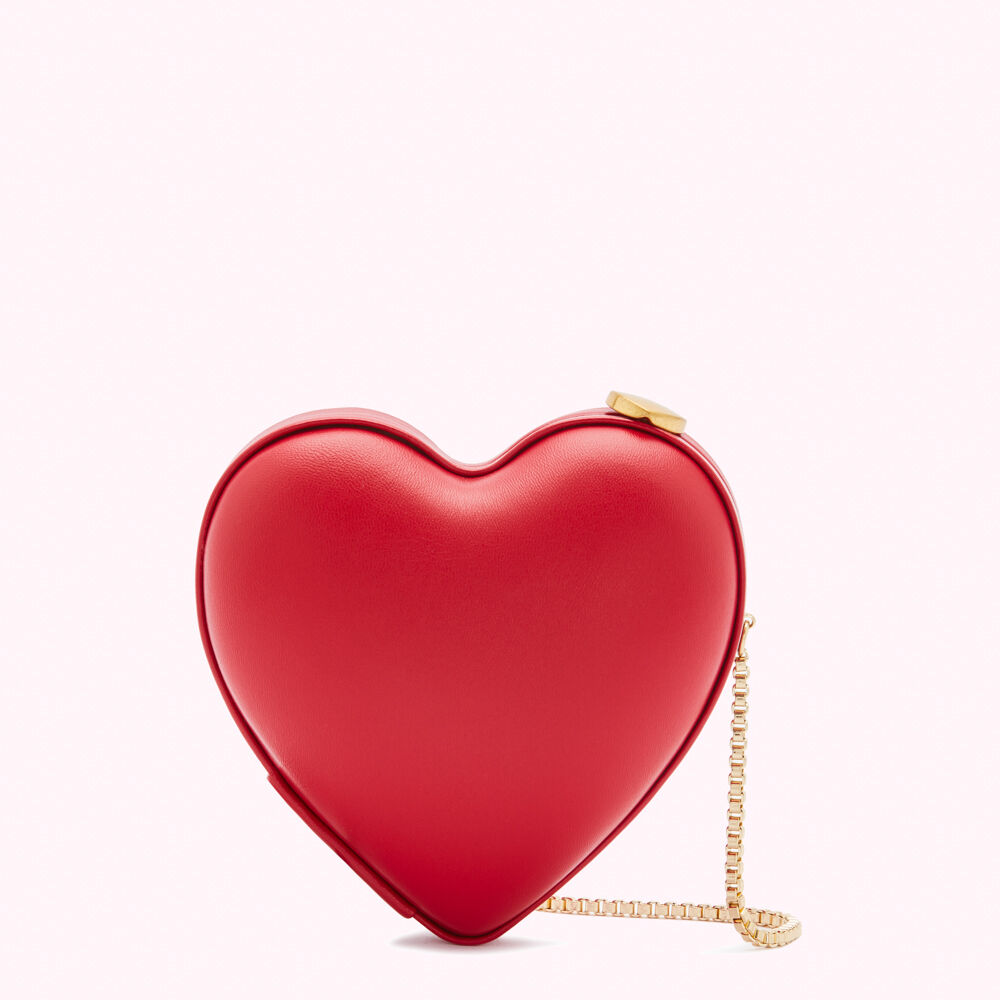
Miniature sized handbags are high fashion at its finest. You can fit a lip gloss and your keys inside, and otherwise, the purpose of these bags is to enjoy its aesthetic appeal. I have been a long time fan of British designer Lulu Guinness (my first eBay purchase when I was younger was for a one of a kind Lulu Guinness bag) and she continues to have fresh and innovative designs to this day.

Accessories by Versace & STUDS

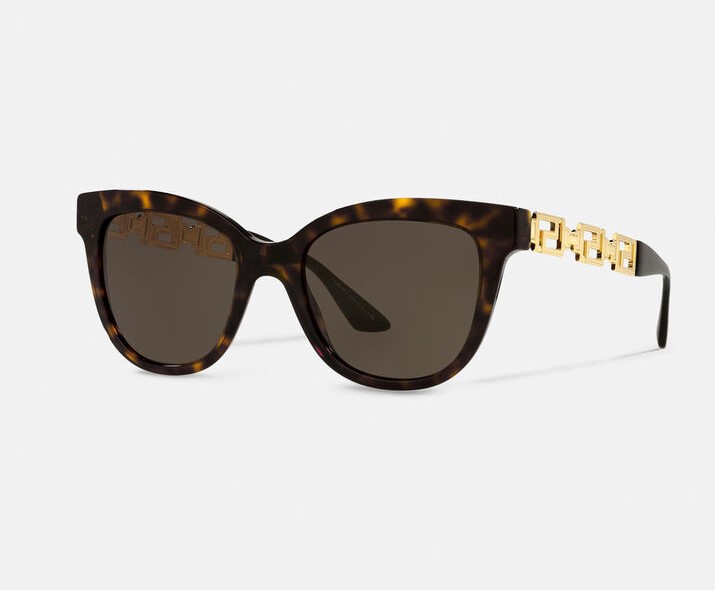
What is more classic than a cat shaped pair of sunglasses? Combining the cat eye shape with tortoise print of course. The tortoise print combined with the cat eye is a great look for Fall and any season really. These Versace Greca sunglasses are perfectly stylish, especially with the glamorous chain detailing on the side. Naturally, you should pair your sunglasses with a complementary earring style. I am loving the STUDS Medium Drip hoop earrings (I have a similar pair in silver). The medium size is perfect (they have small and large if there is another size you fancy), but I think the medium is ideal for a glamorous look without being too flashy. This look is a winning combination.

Cosmetics by Valentino Beauty

Valentino is the latest high end fashion company to enter into the beauty space and may we say, where were you? The beauty industry is robust, to say the least, and there is still room for the classic sensibilities of the Valentino brand (red and pink shades are the classics that I always look for). Also noteworthy and innovative… the refillable lipstick cartridges are a nod to recognizing our environmental impact. Refillable and reusable? That is definitely a novel approach.

The Beauty of the Faroe Islands

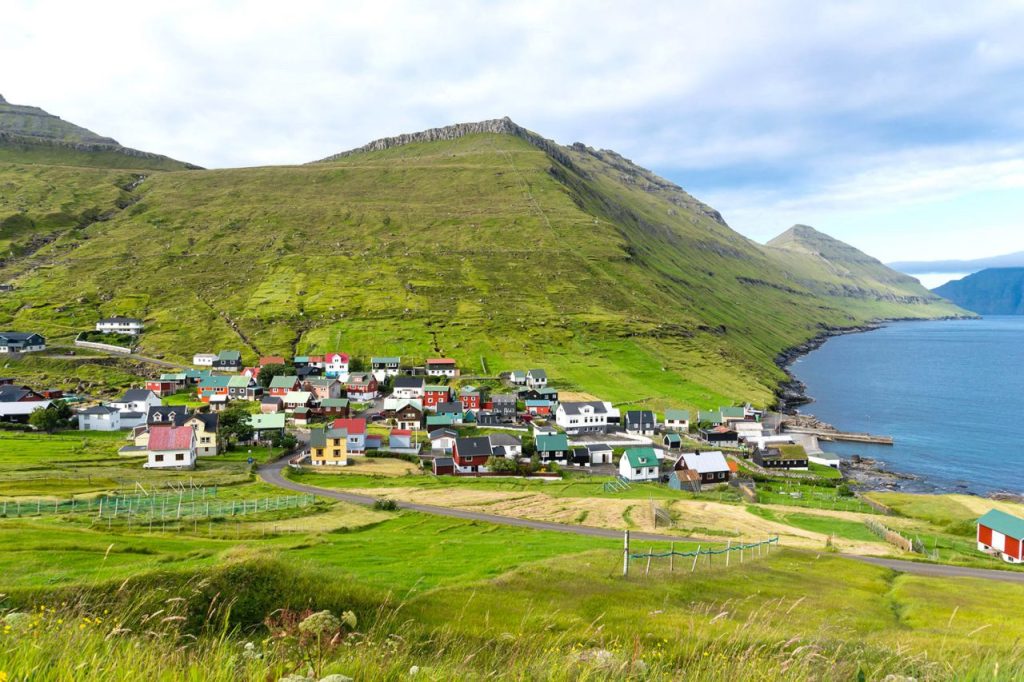
Gasadalur is a must visit during a trip to The Faroe Islands.

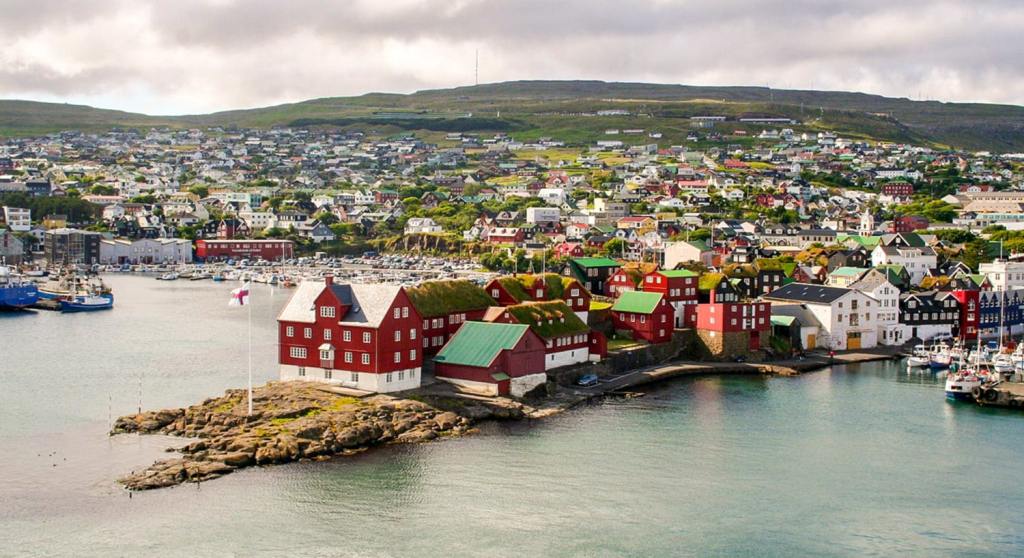
The Faroe Islands is an autonomous territory which falls under the Kingdom of Denmark. The Faroes are not part of the European Union (EU) and this is worth noting if you are planning to travel there (i.e. be sure to have your passport ready). The Faroes are about halfway between Norway and Iceland. The islands are relatively small and very sparsely populated (as of 2020, their population is approximately 52,000). The rugged nature is perfect for hiking enthusiasts, however, the climate is unpredictable and it’s best to visit during the summer. The islands ask for fees to hike many parts and doing a decent amount of planning beforehand is a good way to prepare to make the most out of a trip to such a spectacular place. The must-visit of the islands is Gasadalur (above) and its famous waterfall, Múlafossur. Make sure to bring your hiking boots to these islands! Do not skip on this.

It is worth noting that climate change threatens all places around the globe. There is so much to enjoy about more remote places which are less touristy such as The Faroe Islands. Please, make sure to consider the carbon footprint that you are making while you travel. This is to say, there are ways to be conscientious of how you consume and what actions you take. This awareness and intentionality helps you actively work to be a part of protecting the environments you occupy. This is more important than ever as carbon emissions are a major issue.

A fun fact about the islands includes that the population has a greater number of men than there are women, which has been inspiring more women from around the world to go and live there. I have linked below a documentary about this topic which has been noteworthy recently.

The Faroe Islands are for nature lovers and these landscapes are some of the most breathtaking in the whole world.

Official website resource for hiking: www.hiking.fo

Official website resource for driving tolls: www.tunnil.fo

These islands are unforgettable, so make sure you make the most of a trip here!

Facts about the Faroes from the History of the Faroe Islands website:

Viking age settlers establish their free state
The name Føroyar (Faroe Islands) is derived from old Norse and means Sheep Islands, a name given by the Viking age settlers arriving from Norway in the 9th century. The medieval culture and organisation of the Faroe Islands was clearly Norse in origin and form, and they established their Althing (parliament), later named Løgting, at Tinganes in Tórshavn. Tórshavn still is the capital city of modern days Faroe Islands, and it claims to hold the oldest parliament in the world.

Special status under foreign Monarchs
Viking age Norwegian kings long aspired to gain control over the Faroe Islands, but for many years the Faroese managed to fight them off. However, by the latter half of the 12th century the Faroe Islands eventually became firmly attached to the Kingdom of Norway.

The Faroe Islands joined Norway into the dual monarchy with Denmark in the late 14th century. When this union was succeeded by a Norwegian-Swedish union in 1814 the former Norwegian territory of the Faroe Islands remained under the sovereignty of the Kingdom of Denmark. Due to, among other factors, remoteness vis-à-vis both Norway and Denmark, the Faroes Islands always maintained a special jurisdiction along with their distinct language and culture, guarded by the ancient Løgting.

The royal trade monopoly long stood in the way of development. When it was abolished in 1856 an export oriented commercial fishing industry rapidly developed in the Faroe Islands kickstarting the development of a modern market economy and population growth.

XOXO Bianca

How To Get My Favorite Makeup Look

XOXO Bianca

I like to have a polished and glamorous look most of the time. One secret I have learned over the years is that it does not take a lot of products nor does it need to take a lot of time to achieve this. As I have streamlined how I approach my makeup (when I wear it), I have learned what works best for me and I look forward to sharing some of those insights with you!

First off, I cannot reiterate enough: avoid foundation wherever you can. Ultimately, it can come off looking cakey and if it is not the exact color match for you, that makes it even less attractive. I have learned over the years to avoid foundation wherever possible and work on using concealer strategically. I use concealer under my eyes and on any red spots that I might have. I also use it as a base for my eyeshadow and apply a thin layer of it on my eyelids to prep them for eyeshadow.

Favorite concealer: Benefit Cosmetics Boi-Ing in Light 1

My next step is eyeshadow. Recently, I have been loving the Sephora Collection eyeshadows (Made in Italy!) and the amount is just enough for when you might run out, you are looking to find another color again or just want to replace. I think they are perfectly priced, too. In the photos above, I am wearing shade Twinkle Twinkle.

Favorite eyeshadow: Sephora Collection in Twinkle Twinkle

I usually apply mascara immediately following. For me, I have been a long time fan of L’Oreal’s Voluminous Original – I heard a celebrity once describe it as the “don’t fix what ain’t broke” of mascaras and it’s true. I have tried many different mascaras, and for the price range of what is out there, you get a great effect on your lashes. There is really no downside to this particular mascara. I just make sure that I clean the brush off occasionally so the product does not get too clumped on the brush. I focus on making my outer lashes stand out which gave the winged effect in my photos.

Favorite mascara: L’Oreal Paris Voluminous Original in Black

After I have my eyes all done, I move on to cheeks and use a pink lipstick (yes lipstick) or a cream blush on my cheekbones. I always smile when I apply so I am making sure that I am applying the product evenly across the apples of my cheeks. Currently, my favorite cream blush is Sephora Collection Flushed Blush in Cloudy Pink.

Favorite cream blush: Sephora Collection Flushed Blush in Cloudy Pink

The very last step (and perhaps most fun) is lining my lips and finishing with lipstick. I have many different shades of pinks and reds in my lipstick collection, so I like to mix together colors often. Sometimes, on the rare occasion, I find a shade of pink that I just find absolutely stunning and that shade right now is Milani Cosmetics lipstick in Rose Hip! This color has a vibrant quality without it being too neon. I also can downplay the brightness with a more mauve toned lip liner. The lip liner that I love the most right now with this lipstick is Sephora Collection in Rose. This lip liner has such a wonderful pigmentation and glides on perfectly.

Favorite lip liner: Sephora Collection in Rose

Favorite lipstick: Milani Cosmetics in Rose Hip

There you have it… not too many products and not too much time spent! Your makeup should be what you love to put on and wear, so make sure it works with your style and you’ll be good to go! I don’t focus too much on trends, I focus on what makes me feel my best.

xoxo Bianca

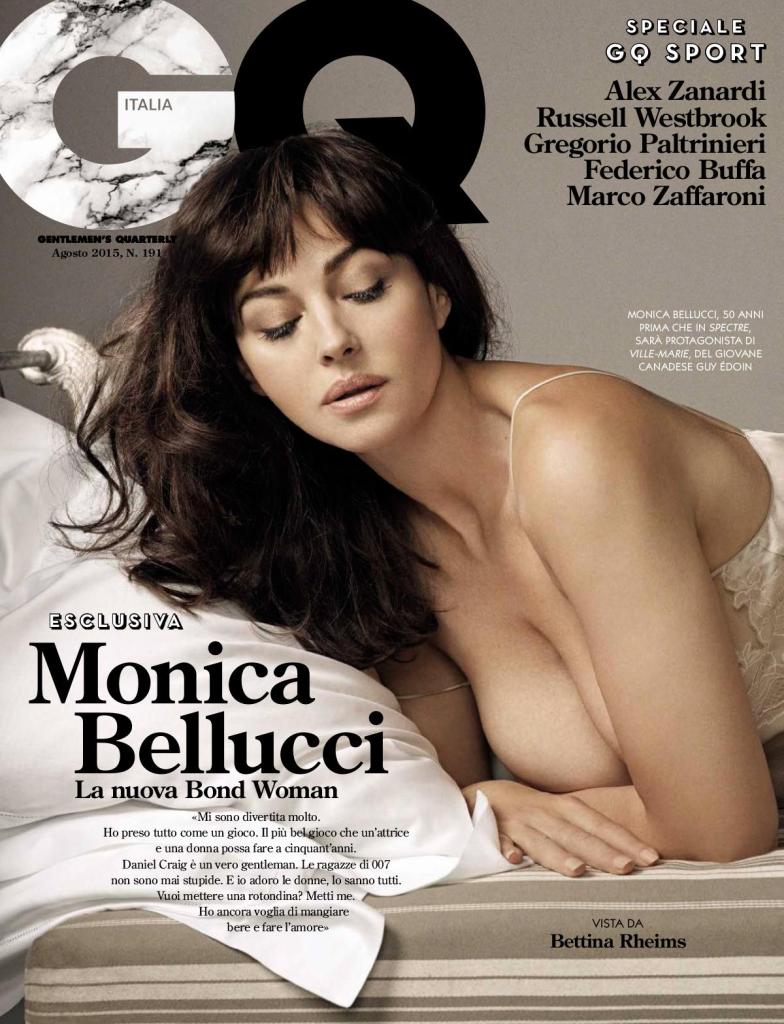
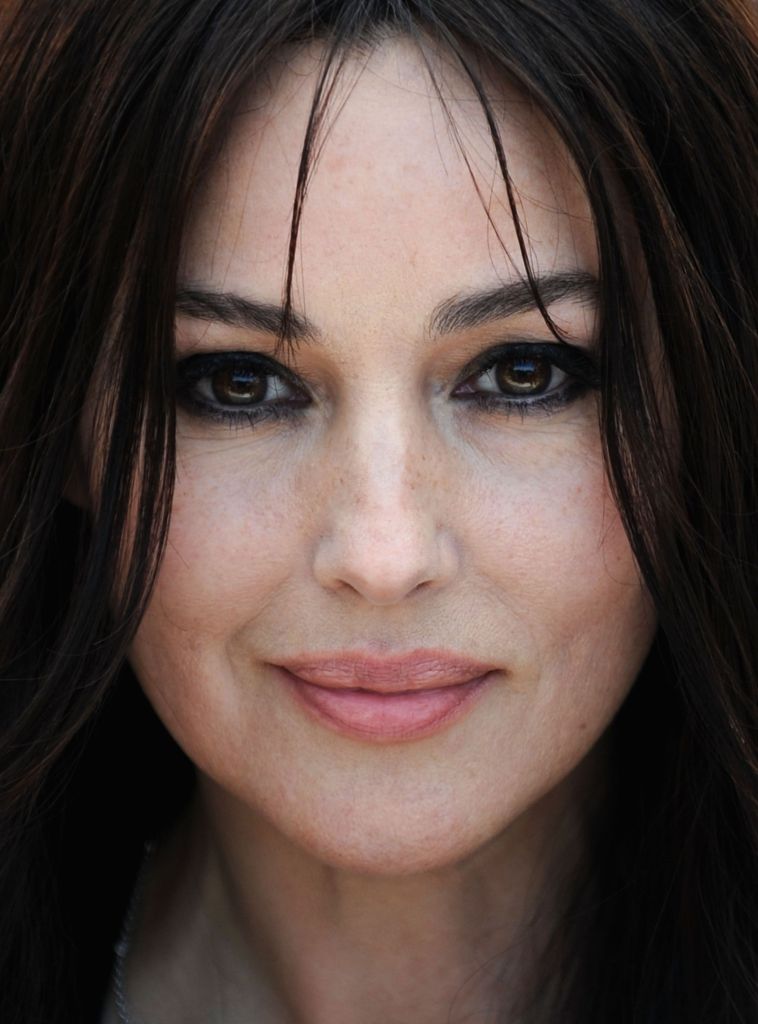
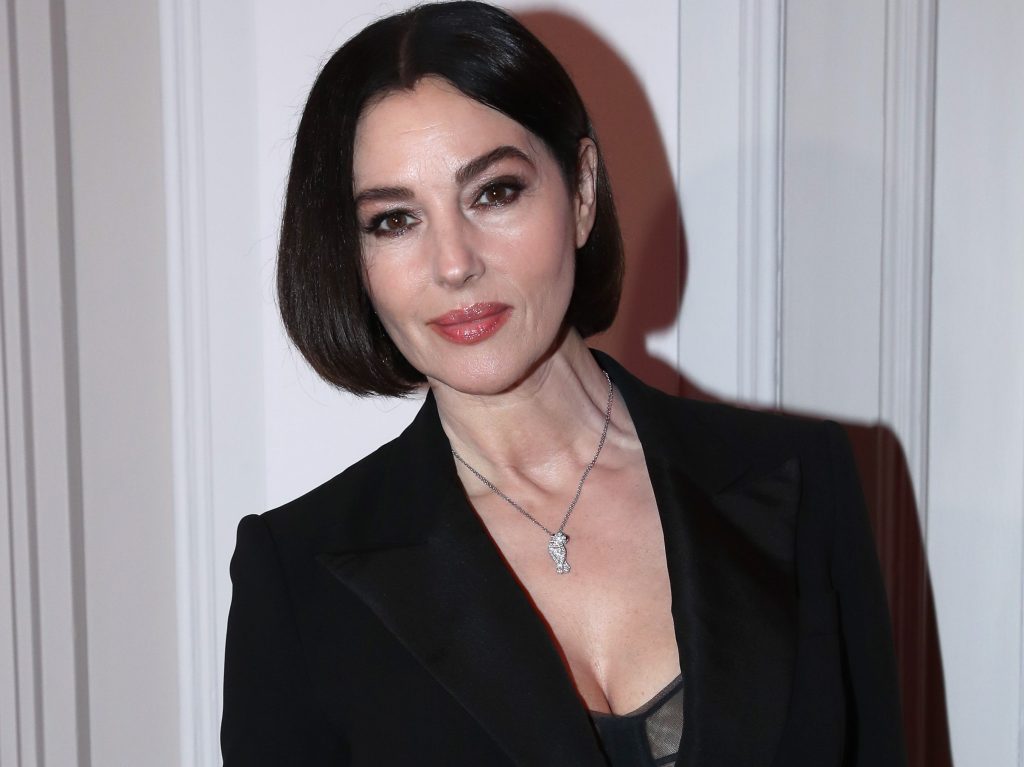
Beauty Icon: Monica Bellucci

Of all the beauty icons we have today, it is likely that Monica Bellucci is on par with being considered the “Anita Ekberg of our generation.” (This is because Ekberg was iconic for her bombshell role in Federico Fellini’s La Dolce Vita.) Bellucci is undoubtedly one of the great Italian actresses of our time. Monica has appeared in films for decades and has been considered a fashion icon as well. Monica grew up in the region of Umbria in Italy. Her career start was modelling for fashion houses Dolce & Gabbana and Dior. As a young model, she was signed with Elite Models and lived in Milan.

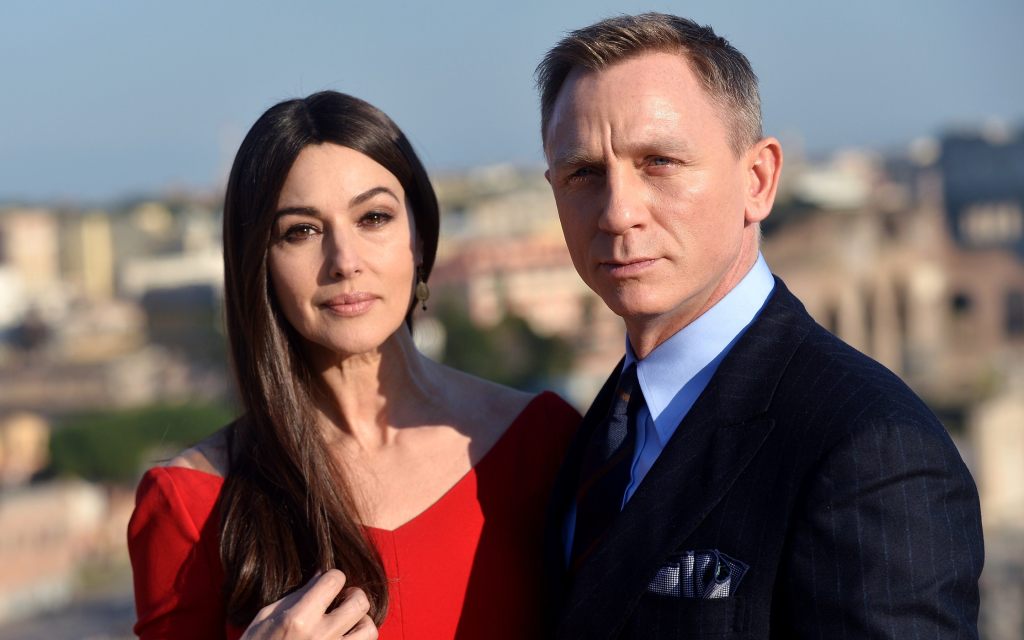
Monica’s transition to film was natural and she has acted in many films over the years. Notably, she acted in The Passion of the Christ as Mary Magdalene. She has appeared in dozens of films beyond that – including in Francis Ford Coppola’s Bride of Dracula in 1992. In 2015, when she became a Bond girl in the James Bond film Spectre alongside Daniel Craig, she became the ‘oldest’ Bond girl in the franchise’s history, which allowed for a more inclusive perspective on who can be cast as a Bond girl… In her personal life, Bellucci’s boyfriend, Nicolas Lefebvre, is 18 years her junior. Age truly is just a number and hopefully the vivacious way Bellucci has lived her life continues to be an example of this to others. You can be sexy at any age!

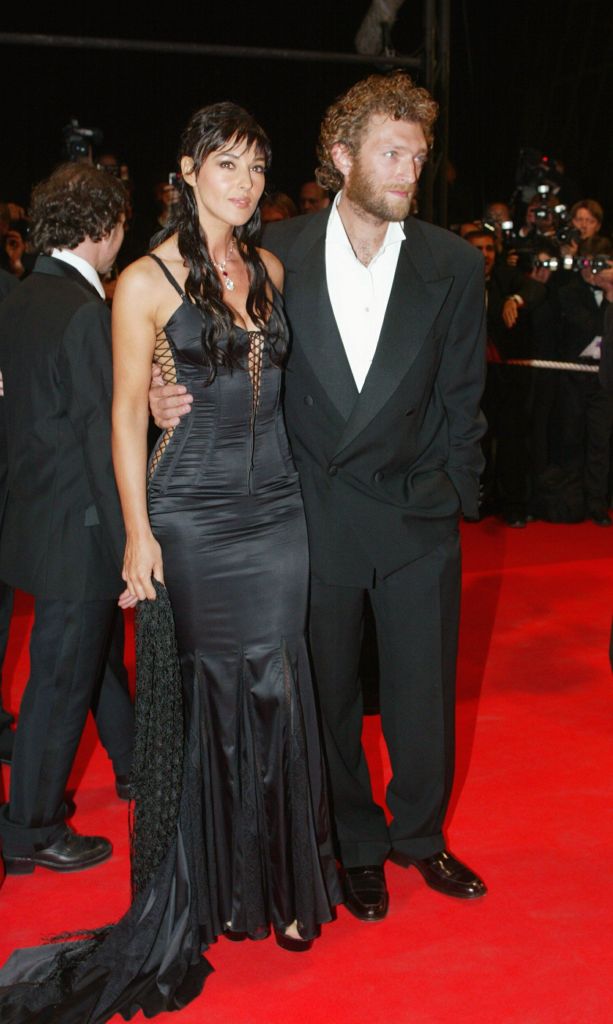
Part of the grand allure of Bellucci’s style is how her style is elegant and simple. Often, she pairs a smokey eye with a black dress. This is her signature look and she has stuck to what works for her. Do what works for you and build on that! That is the core of what style is: leaning into what suits you and building on that. There is so much to learn from her demeanor as well. Bellucci is an icon for a reason. We can all learn a thing or two about how demeanor and style put together can generate the energy that we want to keep and how we present ourselves. Monica’s style is a good reminder to always show up as the best version of yourself.

Monica became a “Bond girl” alongside Daniel Craig in Spectre.

Delving Into Cottagecore Culture

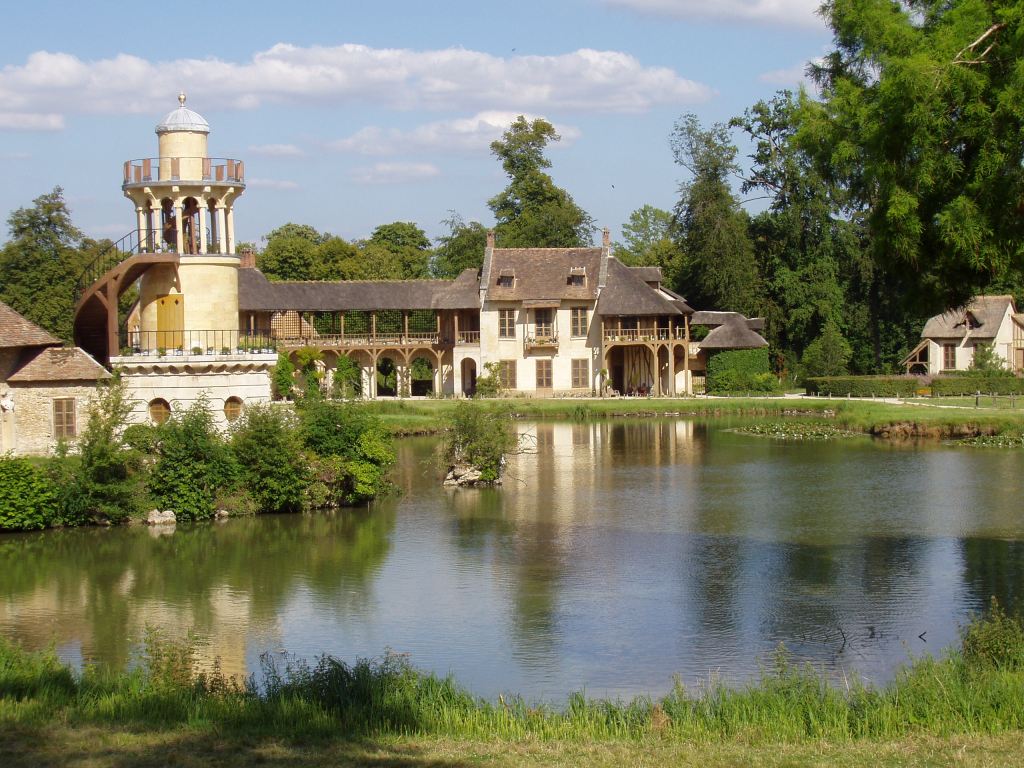
Marie Antoinette’s ‘Hameau de le Reine’ at Versailles

“Cottagecore is all about living simply and slowly and appreciating the little things. It is about being present in every moment and thus living life to the fullest… Cottagecore is also closely linked with sustainability and living a sustainable lifestyle.” -Ruby Granger

Cottagecore has been described as the ‘biggest trend in quarantine’ and ‘where fairytale meet slow living.’ Undoubtedly, the COVID-19 pandemic has forced us all to re-evaluate our priorities in life, our livelihoods, and the pace of our lives. “Cottagecore” has been around for a long time. It was the aesthetic of Marie Antoinette’s farm house, the Petit Trianon, where the monarch sought refuge from the suffocating duties of complex palace life – the concept of slow living bodes much better with frivolity than complex interdynamics of nations intertwined together. In Marie Antoinette’s case, she was likely quite homesick for the Austrian countryside.

Perhaps this is what unraveled for the world during the pandemic – while we are all connected, we were together alone. And while this is powerful, we realized that there are some aspects of the “way things were” just no longer need to be “how they were.” There is nothing wrong with having more time with your family for example! Being an Austrian dual citizen, there are many elements of this philosophy and lifestyle which I grew up with already; for example, being appreciative of things that are homemade and having an emphasis on a good lifestyle at home. Austrians are known for being very hospitable, which exemplifies their quality of life at home!

The aesthetic of Cottagecore brings comfort and solace. To that end, I have personally tried to bring together the best of both worlds in this way (complexity + comfort). I have personally become interested in Complex Systems Theory and have been working towards building a more fluent understanding of its application (the application of this theory feels endless). With that said, challenging oneself and utilizing extra time to learn also means valuing the ideals of rest, which the pandemic has also allowed us all to reframe.

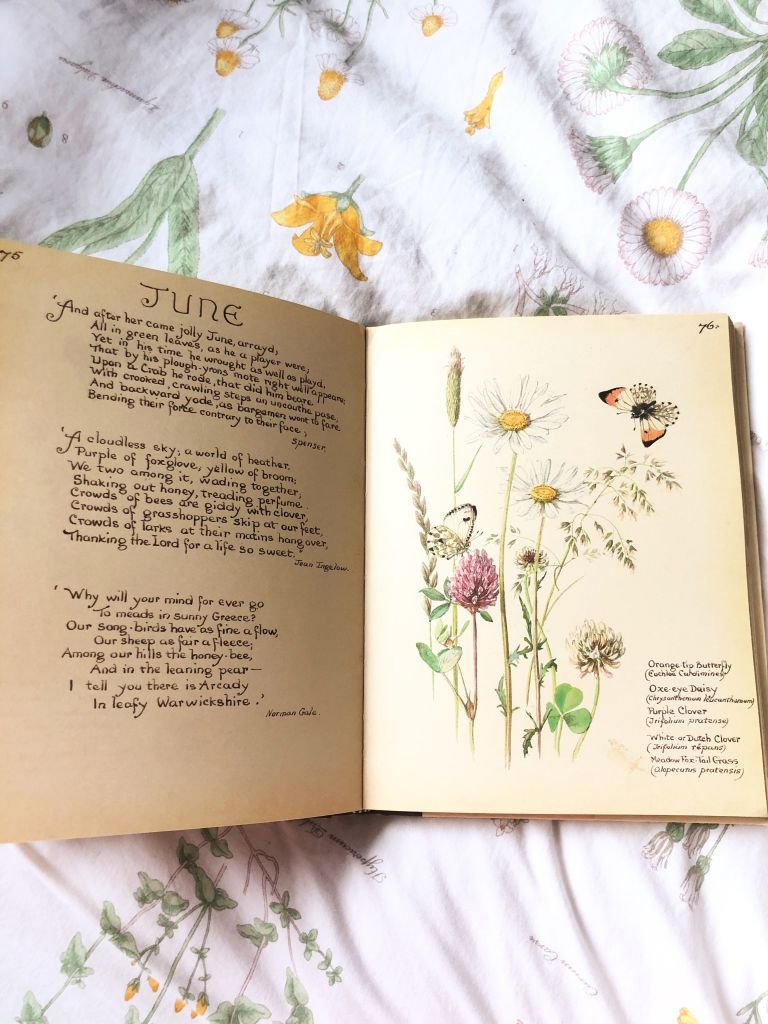
No one can perform at their best without proper rest. This is where the Cottagecore aesthetic comes in well; the entire ideal of the philosophy of Cottagecore is about slowing down. It’s about engaging with the environment around you. It’s about appreciating the roses and variety of country style flowers around and honoring your existence in this way. Of course, not everyone has access to a stunning countryside (many people have been navigating stressful urban environments during the pandemic), however, there are ways to appreciate and cultivate a deeper connection to nature. An antique looking painting of flowers and plants can be a good reminder of this in your home.

Even if a countryside is not nearby, small shifts in routine can help balance your lifestyle and live into this Cottagecore aesthetic and philosophy. For example, waking up and saying “thank you” for a new day is a simple way to accept your circumstances and live more presently. An important part of the Cottagecore philosophy and aesthetic is that you are living presently and one with nature. Always remember, all you have is now. Make the most of it!

xxx Bianca

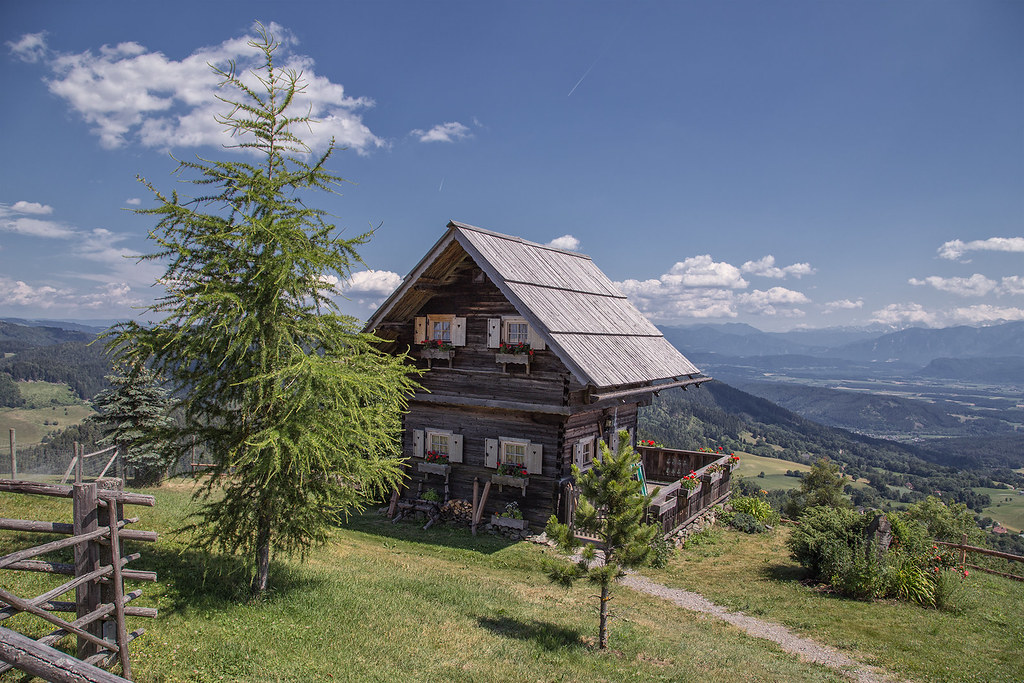
A cottage in the Austrian countryside

Venus is Everywhere

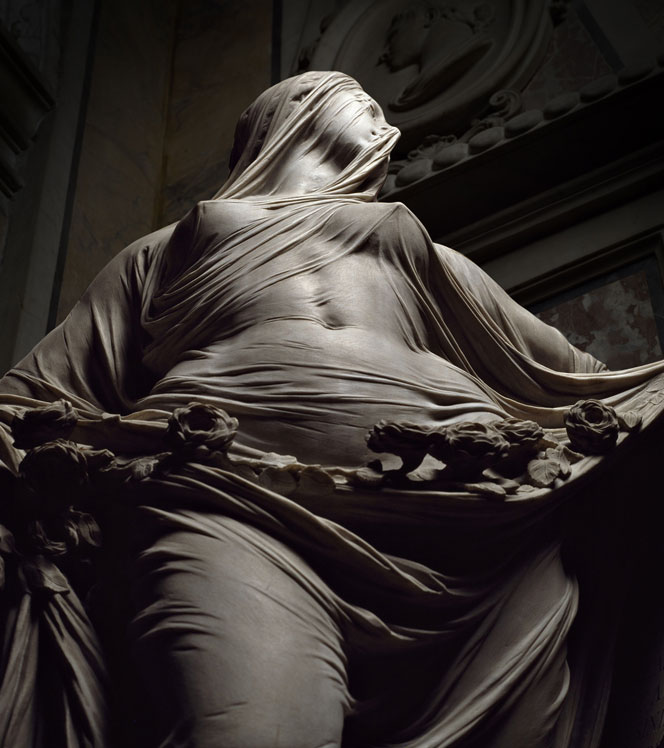
Veiled Truth by Antonio Corrodini, 1752

Veiled Truth by Antonio Corrodini, 1752. The Italian sculpture worked during the Rococo period. The sculpture resides in the Sansevero Chapel in Naples.

Venus is everywhere… she truly is. Venus, the embodiment of love and beauty in a female form, is a presentation that most of us are familiar with. From Botticelli’s Birth of Venus painting to the equally well known Venus de Milo sculpture, we are familiar with her form in one shape or another. When we take a closer look at her appearances throughout art and culture in general, we are able to see how alive and well her truth is. Even today, beyond the classical embodiment that she seems to prevail within, Venus, in all of her varied presentations, is a goddess that connects our earthly habitation with the spiritual one. This is perhaps why she is closely tied with the dove, which is a symbol that allows us to see how we can set the spirit free.

The sculpture “Veiled Truth” by Italian sculptor Antonio Corrodini clearly depicts a female body that is of Venus like proportions. While the veil is intended to be a sign of modesty, the style of how the veil is draped around the female body is how Corrodini communicates the “truth” of the female body in this sculpture. It’s a particularly striking work of art because of how it weaves together the ideas of modesty with the presentation of the female body, which has an undeniable correlation to the goddess Venus and her presentation. Corrodini provokes the viewer to consider is modesty real? If the truth is in nature (of the body), then perhaps modesty is a social fabric, just like the veil that is wrapped around the body. This message in a sculpture is one depiction of how Venus appears again and again throughout our artistic and cultural psyche. Another unique depiction of Venus is a painting by the French painter, Louis Jean Francois Lagrenée from 1770, which is housed at the Getty Museum today. This painting, entitled “The Allegory of Peace,” depicts Mars, the god of war in bed with Venus, the goddess of love, and how their union creates “peace.”

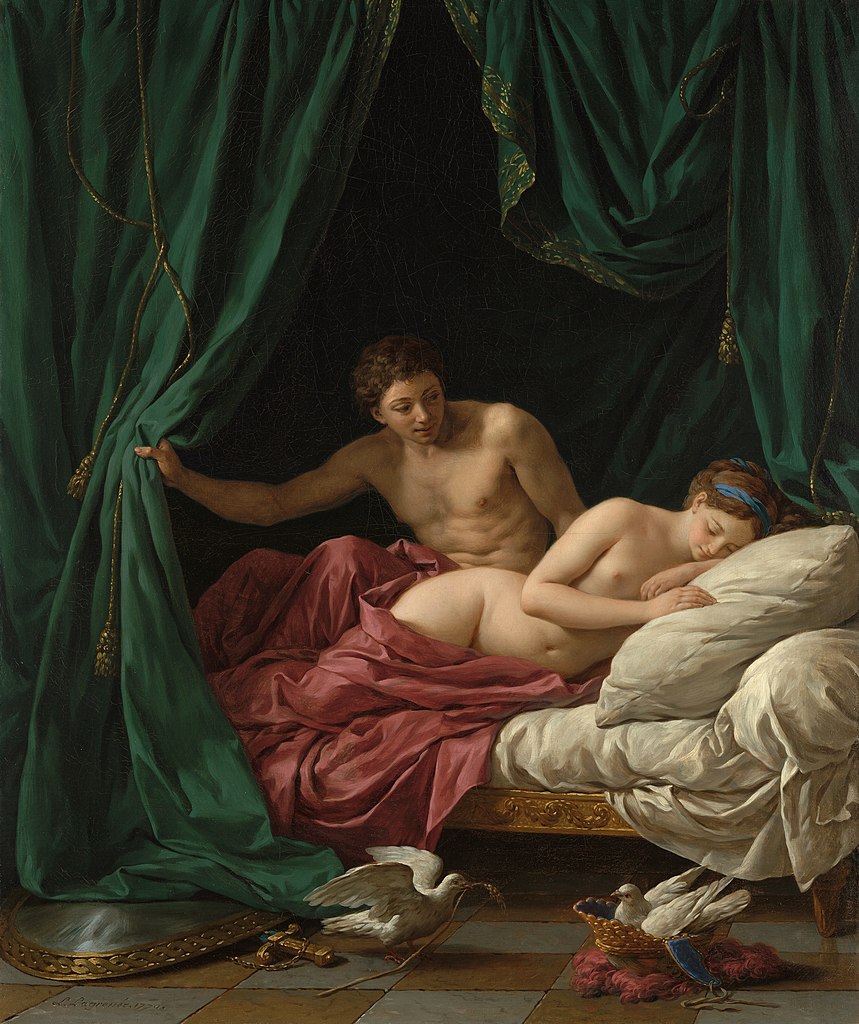
Allegory of Peace by Louis Jean Francois Lagrenée, 1770

Mars, the Roman god of war lovingly overlooks Venus, the Roman goddess of love as depicted in the “Allegory of Peace” by Louis Jean Francois Lagrenée, 1770; The Getty Museum.

Venus is not only a beautiful woman, Venus embodies a state of mind and being. She embodies how the human existence can embody love as a state of being. This is well contrasted with the visual of her lover, Mars, as depicted in the painting the “Allegory of Peace,” which brings together the two states of love and war (Mars & Venus) into a mutual state of peace. Love and light ultimately prevails over the state of war. The painting sends a message: Love ameliorates all.

Beyond the artistic depictions of Venus that are well established across our collective cultural psyche, there are more subtle embodiments of her that are less easy to spot. One of my favorite examples of this is in The Little Mermaid. When Ariel transforms from her mermaid state to be joined with Eric in the end of the film, she steps out of the water in a sparkling lavender dress (being birthed as a human from the water), she is exiting the water fully formed as a human being, exactly as her birth story is described in mythology.

Something else that is particularly intriguing about this depiction of Venus is its appearance in a Disney film… The Little Mermaid is a combination of Venus and a savior character. Princess Ariel literally saves Prince Eric from drowning in a storm and when dropping him off on the shore has an angelic presentation being surrounded in light, manifesting a spiritual character and is ‘birthed’ from water like the Venus story describes. This underpins the Venus and Mars narrative well, as the embodiment of love with Venus brings a kind of spiritual transcendence.

Ariel becoming human appears like the birth of Venus…
Ariel looking down at Prince Eric after she saved him from drowning

It is unique to note that in the mermaid story, it is a ‘spiritually transcendent’ experience to become mortal versus becoming a ‘magical creature’ such as a mermaid. The transformation into being a mortal connects back to this idea of Venus being the human embodiment of love. Humanity as a collective can love one another more and we don’t discuss that enough and more broadly as a society. I have never heard this topic discussed in the news. Perhaps because it is easier to divide people than to unite them. I still believe we can all practice love as a spiritual practice and embody it.

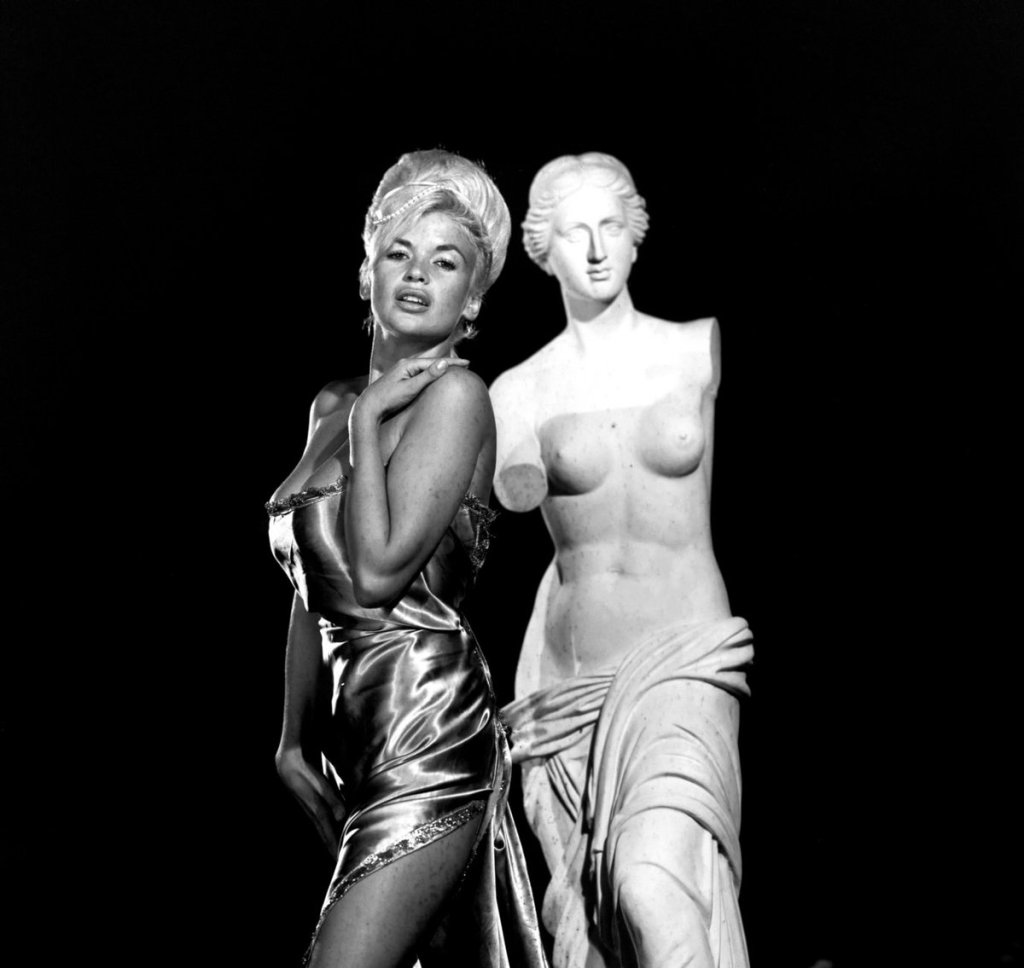
Popular culture undoubtedly presents the Venus narrative in many different forms. Another noteworthy and perhaps less quickly identified cultural depiction of Venus is Jayne Mansfield. In the 2000 film, Dr. T & the Women, Richard Gere, plays a sought after Dallas based gynecologist. In the film, identifies Jayne Mansfield as being a “noteworthy woman” of Texas to have a highway named after when patients in his office ask for his input. The idea is that Gere’s character is elevating the Venus like attributes of Jayne Mansfield. Mansfield also posed alongside Venus sculptures multiple times, so she was well aware of the comparison. It’s in the cultural mythology of “dumb blonde,” do you not see that she was in fact much more conscientious and aware of engineering her persona than people understood at the time. People who knew Mansfield well described her as highly intelligent. She was fluent in multiple languages and played the violin as well. While Mansfield may be a more modern representation of Venus, she is certainly not where Venus in culture ends. Venus will always have a presence, in some kind of “veiled modesty” or in all her glory.

Jayne Mansfield posing next to a Venus de Milo sculpture in the 1950s.

Rosy Beauty – Summer 2021

As the seasons change, so do our makeup looks. The colors of our makeup may change to coordinate with our outfits and to indicate the season, but I have come to believe that there is a basic formula to how you can achieve the best looks of a season (while complementing your best features) without trying too hard. Firstly, it is said time and time again, and should not be underestimated: skin is the canvas that you have your makeup on, therefore, your skin’s health is of the utmost priority. Skincare before your makeup is truly the answer to all of the best makeup looks above all. My mother has an esthetician degree from when she was a young woman in Austria. I have had all of the benefits of her tips and tricks and I haven’t always heeded her advice, to my detriment. I did not realize when she’d tell me: “You only need concealer, no foundation!!,” she was giving my makeup look’s best advice. Now, I have begun to heed that advice and have stopped using foundation all together. I know that on certain occasions foundation can be good (full makeup looks for a photoshoot or for events that are in the Fall/Winter have become how I categorize when to best use foundation). Now, I solely use a concealer wand to conceal any darkness under my eyes and any red spots that I might have. Adhering to a good skincare regimen that treats your skin type well can do wonders to how your skin looks, without makeup. Ultimately, you can afford a few sun rays when you are outside (not for prolonged periods of time when you should apply sunscreen). Generally, let your skin breathe.

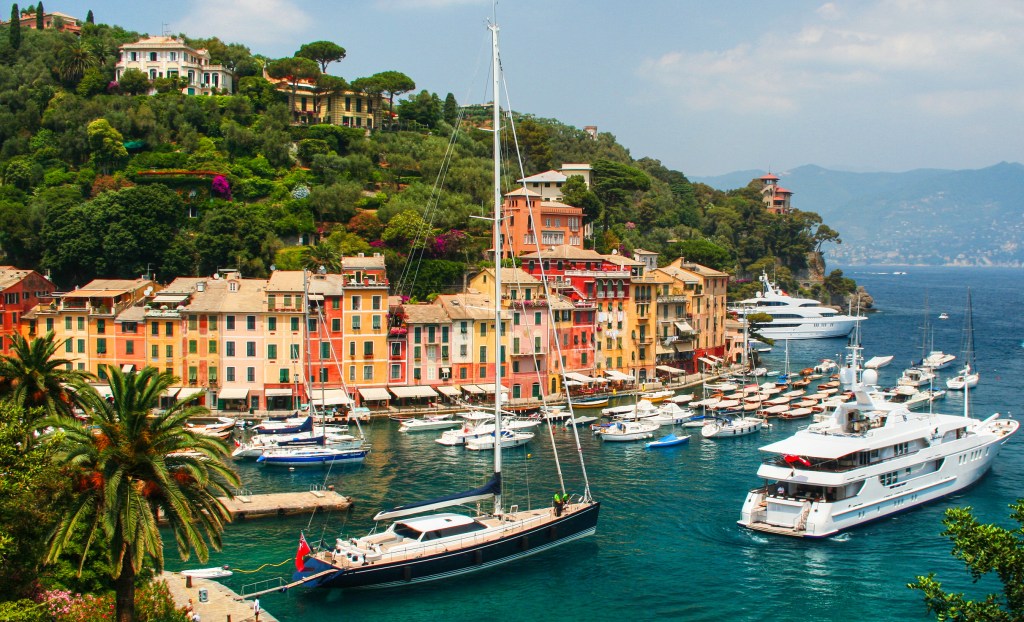
Once you have properly allowed yourself a good ‘canvas’ for your skin, then you can start thinking about which shades and tones complement you best or complement your outfit well etc. For the makeup look above, I wanted to have a look that conveyed all of the tones that you might see in Portofino. I have a particular way of creating my makeup looks. I love to have rosy cheeks of course (sometimes I go overboard and need to remember that a natural flush will add color as well). I will use a cream textured pink lipstick on my cheeks (yes, on my cheeks) as a cream blush. I do a quick swipe of pink lipstick on each side and blend, blend, blend into the apples of my cheeks. It’s great to smile while you blend it too so you know where your color would be in the apples of your cheeks. This blends very naturally if your skin is properly moisturized. After I have applied concealer and blush, I begin applying eye makeup. I use a tiny bit of concealer on my eyelids as a base that I blend in to make eyeshadow adhere better. Then, I apply a light smoky shade of shadow (this can be anything from gray to gray blue to silver-like shade of eyeshadow for the base of my shadow. I use a darker shadow, like a dark gray or dark brown to line my upper lash line very thinly. Then, I apply a couple swipes of mascara! You can also skip mascara (most days) and spare your lashes. This way, they can grow long naturally without any breakage. Less can actually be more with makeup looks, remember that!

For my final step (my favorite), I apply lipstick and lip gloss. I love full, glossy lips. The matte lipstick trend has never been a favorite of mine and I prefer to stick to a creamy lipstick with a lip gloss over. I think that is the most beautiful lip look! I love to wear reds, pinks, and coral shades of lipstick. I think those shades complement my features best and they make me feel my best. Voila, this is your rosy summer makeup look. It’s light and only four steps (concealer, blush, eye makeup, and lipstick). You can make a big impact with your makeup looks with the colors that you choose and please make sure to take care of your skin first and foremost.

Happy Rosy Summer!

xxx Bianca

Rosy Conversation with Andrea di Robilant

Andrea di Robilant is an Italian journalist and writer who has written five well-received books of non-fiction.  During his forty-year career in journalism, Andrea has worked in Europe, Latin America and the United States, where he was U.S. correspondent for the daily La Repubblica (1980-84) and U.S. Bureau Chief for La Stampa in Washington D.C. during the Clinton years.  He attended Le Rosey in Switzerland and received a B.A. and a Master’s degree in International Affairs from Columbia University in New York City.

In 2003 Andrea published A Venetian Affair, his best-selling account of two star-crossed lovers in Eighteenth century Venice based on a cache of letters his father, Alvise di Robilant, found in the attic of the family’s palazzo. His next book was a biography of Lucia Memmo, his great-great-great-great grandmother, who was a close friend of Josephine Bonaparte, the wife of Napoleon. In 2011 he published Irresistible North, a book about a controversial Fourteenth century journey of two Venetian navigators Nicolo and Antonio Zen in the North Atlantic in the Fourteenth Century. Three years later he published Chasing the Rose, which tells the story of his own journey in search of a mysterious rose. His most recent book, Ernest Hemingway and His Last Muse, published in 2018, is about Ernest Hemingway’s relationship with a young woman named Adriana Ivancich in Venice in the 1950s. Andrea is now in the midst of writing a book about maps and travels in the Renaissance.  You can find his website for more information here. 

Our Conversation

Bianca: I think you spent quite a while decoding your family’s letters with A Venetian Affair.  How long did decoding the love letters take? 

Andrea: My father found these letters in a shoebox in the palazzo in Venice where he had grown up and he brought the box home one day and none of us knew what they were.  It didn’t really make sense to us who was writing, what they were about… most of them were written in a secret code.  It was very pretty.  It looked like there were a lot of hieroglyphics on the page… it was a very quick hand, not a labored job.  It was rather intriguing and very beautiful to look at.  We started trying to crack the code and my father took on the job, it was he who had found the letters and eventually it was he who cracked the code and then he transcribed all of the letters.  

Out of that labor came this fascinating love story between my ancestor Andrea Memmo and Giustiniana Wynne, the illegitimate daughter of an English baronet. It was really thanks to my father that we were able to understand who was writing and what the story was about.  It became my father’s favorite conversation piece. After my father died I thought I should pull all the strings together and write the book that he should have written.  That said, the book is more than the transcription of the letters.  I use the letters as a starting point of a historical research that enabled me to recreate the background – social, political, artistic – of the period. So the book is not limited to their story, it is really about a period of history, the last decades of the declining Venetian Republic.  

The story of this impossible love is emblematic of the inability of this ancient Republic to reform, to modernize itself, to make it possible for two young people who loved each other to marry – despite the fact that Andrea was the scion of one of the Venetian Republic’s oldest families. Of course there were masked balls and all of that, but the reality was that the Venetian Republic was slowly dying because it simply could not marshall the energies necessary to reform itself.  There is something very poignant in that. Andrea’s struggles must be seen against that backdrop.  

Bianca: Your book after A Venetian Affair, was about Andrea Memmo’s daughter, Lucia Memmo, entitled, Lucia: A Venetian Life in the Age of Napoleon.  What inspired you to write this book? 

Andrea: After I had written A Venetian Affair, I found another shoebox of letters – this is not a joke – and I realized that these had belonged to Lucia.  She makes a brief appearance in A Venetian Affair towards the end.  Andrea visits Giustiniana in Padua on her deathbed.  She is dying of a tumor and Andrea traveled all night long to be with her in her last moments, the woman of his life.  Lucia, his daughter, was also present.  She writes about this in a letter and describes her father’s tortured face as he holds Giustiniana’s hand. It’s a very moving scene.

From there, I went on to write Lucia’s story and it was very fascinating for other reasons.  The story of Lucia was the story of an intelligent, highly educated, attractive woman living in a time in Europe when great events are happening and the scene is constantly changing – you have the death of the Venetian Republic, Napoleon bursts onto the scene and Lucia adapts to her new life.  It was fascinating for me to find such an eloquent witness of those times and to be able to see those rapid changes happening in Europe through the eyes of an intelligent woman and a wonderful writer!  She was always in the thick of things and wrote diaries and letters that are illuminating. Thanks to her I was able to write a book that has the sweep of a novel, though it’s all true and documented.  It started out with a batch of letters.  The batch of letters were fascinating. They told the story of the arranged marriage between Lucia and Alvise Mocenigo.  This is very ironic because her father, Andrea, arranged her marriage – a man who fought so hard to try to marry the love of his life and failed.  The letters I found were between Lucia and Alvise before they actually met.  It’s a fascinating correspondence that gradually turns into love… you know how today, people can fall in love just by communicating online?  This is very similar. You can see their relationship burgeoning and growing into something substantial through words. That really sparked my interest and I went looking for more material on Lucia in the archives in Venice.

Bianca: Your next book, Chasing the Rose, is set during the time of Josephine Bonaparte, Napoleon’s first wife. Can you give an overview of that wonderful book? 

Andrea: While Lucia was in Paris, she was a good friend of Josephine’s, she became a botanist of sorts – she became very knowledgeable about roses in particular.  Josephine was an important figure in the world of roses.  She was able to import roses from China and the arrival of these roses to France and to Europe in general at the end of the 18th century was a great moment in the history of rose breeding.  It was the arrival of these roses from China that really transformed the landscape of roses in France and across Europe.  Josephine made it very fashionable for the other grandes dames of Parisian society to have their own rose gardens.  It was truly a Golden Age for roses.  As I said, Lucia was at the center of all of this, observing everything and absorbing all of this.  She returned to Venice to her house in the country and she brought back hundreds of roses. And she created her own rose garden and a park that became a model of its kind. Alas, nothing has remained of that garden, except this one rose.

It grows wild in what used to be the park and is now just woodlands. I had no idea about the existence of this rose until one day, I was called up by people who lived near the woods. They had found this mysterious rose growing wild there and they couldn’t figure out what it was, nor where it came from.  Since I had written a book about Lucia, they thought I might know something about it.  I wondered if there was some connection between that wild rose and the roses that Lucia had brought back from Paris.  

People in the area had named it Rosa Moceniga, because that was Lucia’s married name – the Mocenigos are my ancestors. So I went to see the rose in the woods, and the people there gave me a small plant and I took it back home and planted it in my garden in Venice.  It grew very well on its own, despite the bitter cold in the winter and the salty air and it took over the garden and it forced me to focus on this rose and I became more and more intrigued about this rose’s history.  It looked to be a Chinese rose of some kind.  Chasing the Rose is really the story of my journey into the world of old roses searching for the identity of this particular rose… I gave myself a late education in roses…Along the way I met fascinating people who knew a lot about roses and I went to Paris and finally I solved the mystery.  And now the rose is officially recognized as the Moceniga Rose. 

Readers wrote to me suggesting I should make a perfume from this rose. It was a cool idea but I knew nothing about perfumes so I let it go.  Then, one day, I went to see the Perfume Museum in Venice, which is a new museum in an old Palazzo Mocenigo which had long ago belonged to my family.  I found the museum fascinating, it was really well done and I thought to myself – if I ever do a perfume, I want to do it with the people who set up this museum.  I asked mutual friends to arrange a meeting between me and the head of the company, The Merchant of Venice, which makes wonderful perfumes.  They go back four generations in Venice.  I told the head of the company that I’d written a book about a rose and they  happened to have a perfume museum in a Palazzo that had the same name as my rose – Moceniga. They thought it over and then they called me a few weeks later and said it was a great idea. Within a year, they had produced the fragrance in a beautiful Murano glass.  In fact, it’s been so successful that Rosa Moceniga is their best selling perfume today. During the Pandemic we produced a Rosa Moceniga hand sanitizing gel that became very popular…!

Bianca: Is there a favorite time in history you enjoy researching the most? 

Andrea: My father studied history, I studied history at university and so did both my sons.  I guess it runs in the family. But I am not a historian. I am a reporter interested in history – and I use journalistic techniques in my research.  I like to relive moments of history through other people and to find keys to understand the past.  For example, in writing another book, Irresistible North, I was fascinated by the idea of these two brothers, two Venetian merchants who were trying to expand the bounds of their world to broaden their market…  they were  shipwrecked in the North Sea and ended up in the Faroes, Iceland, Greenland and this was back in the 1300s.  They published their letters and a map about their voyages – nobody in Europe had yet made a map about that part of the world. Three hundred years later the map was denounced as a fake for what I thought were spurious reasons and I wanted to get to the bottom of the story. So there was a journalistic angle to that.

The book about Hemingway and his love story with Adriana Ivancich started by chance. One day I was taking a walk on the Venetian mainland and I ended up in someone’s property.  I was actually trespassing and didn’t realize it. I kept going further until the owner drove up to me.  He was an old man who had just had a stroke.  I apologized and explained to him that I had wandered onto his property without knowing… he invited me in and I learned that he was the older brother of Adriana, the eighteen year-old girl Hemingway fell in love with when he came to Venice in 1948.  He mentioned that he had just sold the last batch of letters between Hemingway and Adriana to the JFK archives in Boston.  I happened to be going to Boston a few weeks later on a book tour and I went and checked on the letters in the library.  And the letters were there, sure enough, and there were many others! I immersed myself in them.  I must have spent two or three days locked in the library reading letters.  I realized this story was not simply an anecdotal story, this was a major love story that had a great impact on Hemingway’s career as  a writer. Most Hemingway biographies don’t give this story the importance it’s due. So I thought it would be a good idea to write a whole book about it.  

It was also a matter of recreating life in those years not just in Venice but also in Cuba, because Adriana eventually went to Cuba to stay with the Hemingways. She went with her mother! The whole set up at the Hemingway estate turned into a sort of Tennessee Williams drama in the Tropics.…In any case the appearance of  Adriana in Hemingway’s life really galvanized him and got him writing again — he had not published a book in ten years. But Adriana was also deeply affected by their relationship – perhaps more so than she realized at the time. Years later she took her life after suffering from depression. Like Hemingway. I thought it was a very compelling story that needed to be written.

Bianca: Your family heritage plays such a significant role in your writing.  Your most recent book though, Autumn in Venice: Ernest Hemingway and His Last Muse, is not entirely about your family, but it does take place in Venice.

Andrea: The Hemingway book does not have much to do with my family, even though my great uncle Carlo makes several appearances and so does my aunt Olghina. But that’s because the setting is Venice. Carlo was Hemingway’s favorite drinking buddy. He was a happy drunk, Hemingway used to say, and he liked to hang out with him at Harry’s Bar. They wrote children’s stories together, believe it or not.  That was really the extent of it; although, drinking was a big part of his life in Venice.  

Bianca: There is a Ken Burns documentary about Ernest Hemingway’s life coming out on April 5th on PBS. Do you think he will mention the relationship between Hemingway and Adriana? 

Andrea: I don’t know, I am very curious myself.  It’s a three-part documentary and there’s a possibility that he may not be able to cover everything!  He started work on the documentary before my book came out in 2018.  But I am very curious to find out. An international production has also just finished shooting the movie version of  Across the River and Into the Trees, the book he wrote after meeting Adriana. It’s a strange novel, but it’s the novel that got Hemingway back to writing.  So this novel was very important to him personally even though a lot of critics panned it. In the movie the Hemingway-inspired protagonist is played by Liev Schreiber, who starred in Ray Donovan, the popular American series. Fancy that! His young lover is played by a young Italian actress, Matilda de Angelis. 

Thank you, Andrea, you are truly a rosy addition to Rosy BVM!