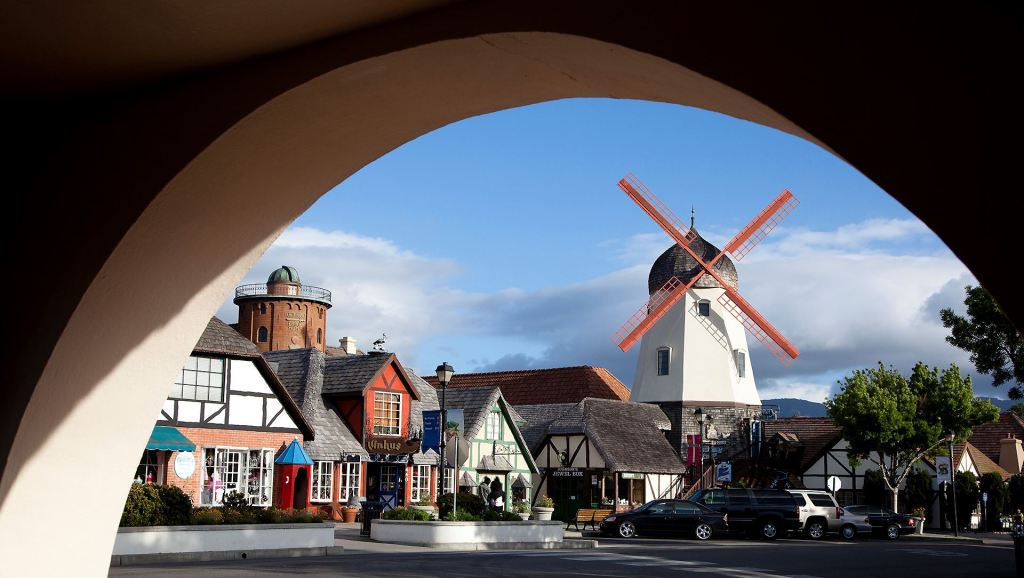
I am a native Californian and only stumbled across hearing about this town in Santa Barbara County while watching the iconic 2004 film, Sideways, by Alexander Payne. A small town with a population of 5,000, Solvang has been known as a “Danish village” because of its distinctive Danish architecture. It is also known for its wineries. Founded in 1911, the town has a museum dedicated to Hans Christen Andersen, the author of The Little Mermaid. Between 1850 and 1930, a considerable number of Danes left Denmark for economic reasons and these Danes who settled across the US were specifically Danish Lutherans. In 1911, Solvang was founded by purchasing 9,000 acres of the Rancho San Carlos de Jonata land grant.
In the film Sideways, scenes in Solvang are most notable in a restaurant where one of the main characters (played by Paul Giamatti) has a burgeoning relationship with a waitress named Maya, whom he initially looks down upon, but is actually studying horticulture and waitressing on the side, played by Virginia Madsen. The restaurant featured is still open today in the downtown area (aptly named Solvang Restaurant) and you can feel right at home with the completely fascinating world of Sideways. Additionally, in the neighboring town of Buellton, you can stay at the renamed “Sideways Inn” (formerly known as the Windmill Inn which is mentioned in the film). The town is only a 10 minute drive away from Solvang. California is certainly filled with wonderful destinations to serve all tastes and any sort of adventures you seek. I think Solvang is a forgotten treasure and it’s a bit like a real life Disneyland, too.
The Regency era is one that holds fascinating social, cultural, and historical appeal throughout the years. It has been reappearing in popular culture more recently with shows like Bridgerton and Sandition highlighting this bygone era. In some intriguing forms of irony, it is very likely that the structured social codes and ways of maneuvering society appeals to the present day, because while our modern era affords many freedoms, the structured societal “rulebook” of the Regency era certainly does not exist today. Perhaps people are seeking or fantasizing about what that structure may look like in a world as complex as today.
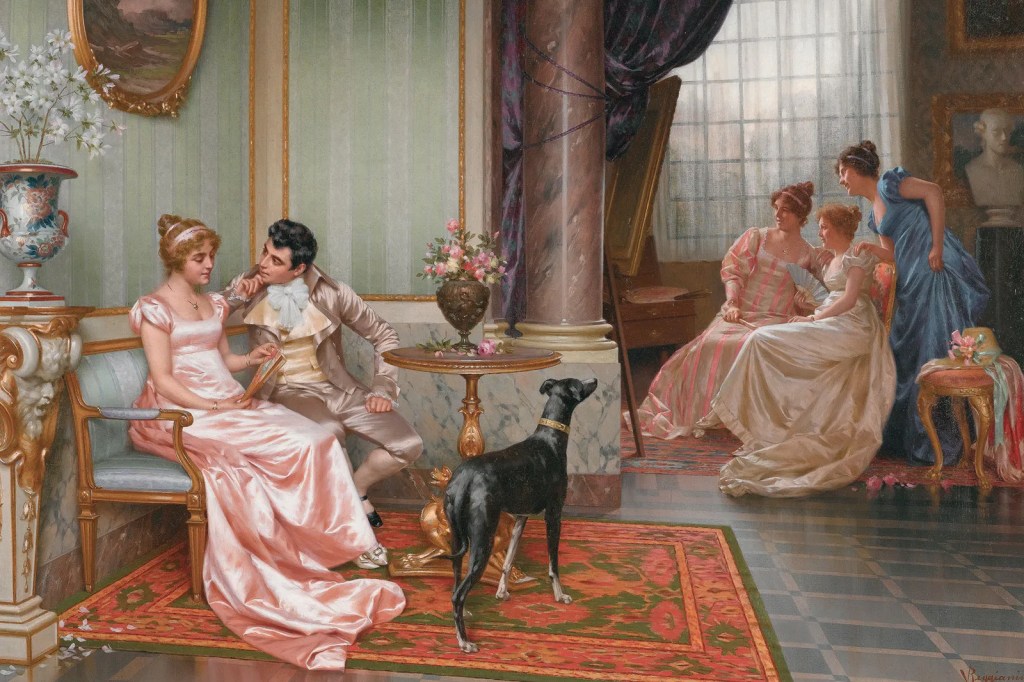
In particular, there was a practice during the Regency Era of the “Marriage Season.” This was a time where many society balls enabled unmarried men and women to find their mates and marry. This repeated ritual was so common that it was entirely expected as a way of living for the British upper crust. This was intended to make alliances and generally “social climb.” It was truly fascinating. The season ran from November through June. This was a large part of the year. In particular, the “Marriage Season” ran from March until June. These activities were concentrated in the fashionable part of London. For example, a common tradition would be to attend the theater multiple times per week! The plays of William Shakespeare were very popular during this period. This was truly a way of living for the entirety of British social society who effectively governed all of Britain at the time.
The Regency era was from 1811 to 1820. It is is a sub-era of the Georgian era, which spanned from 1714-1837. Beyond the rules and regulations of participating in society, the Regency era was one of greatly appealing fashions, art, and literature. In literature, writers such as Jane Austen, William Blake, Lord Byron, John Keats, Mary Shelley, and William Wordsworth were all defining voices of the era. Personally, I could not have imagined being an English major without having read titles by each of these writers. There is so much to be learned by these incredible authors. You can truly have an entire career based studying just one of these writers. That is how profound their impact has been on literature.
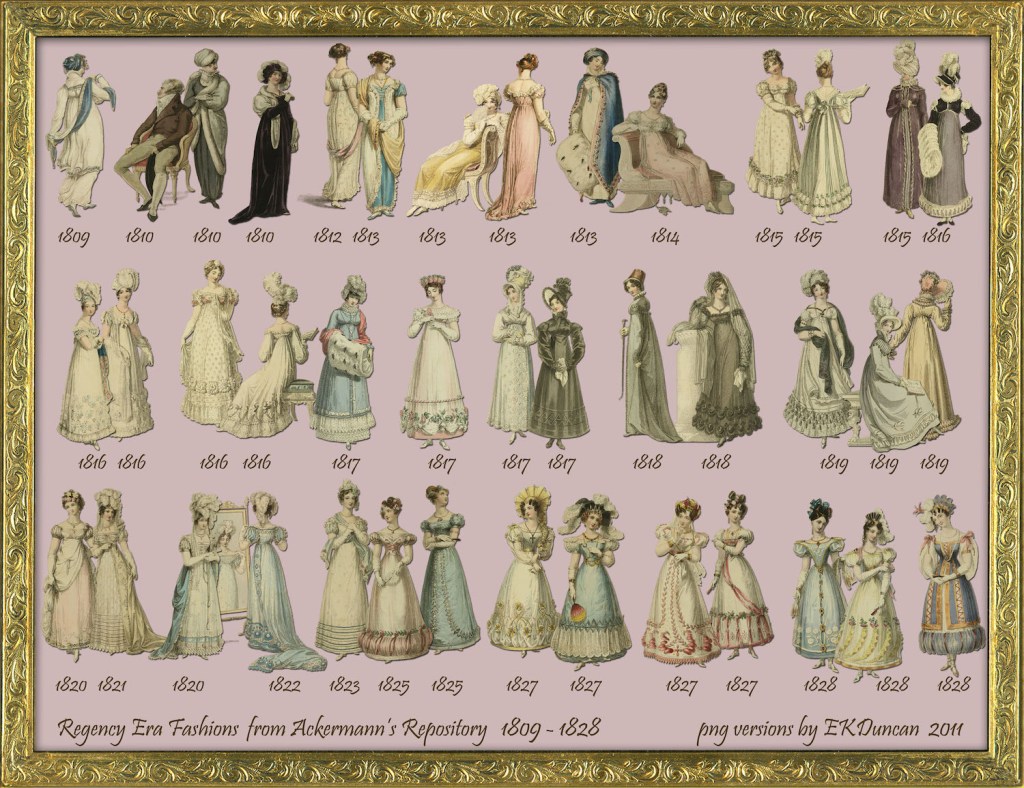
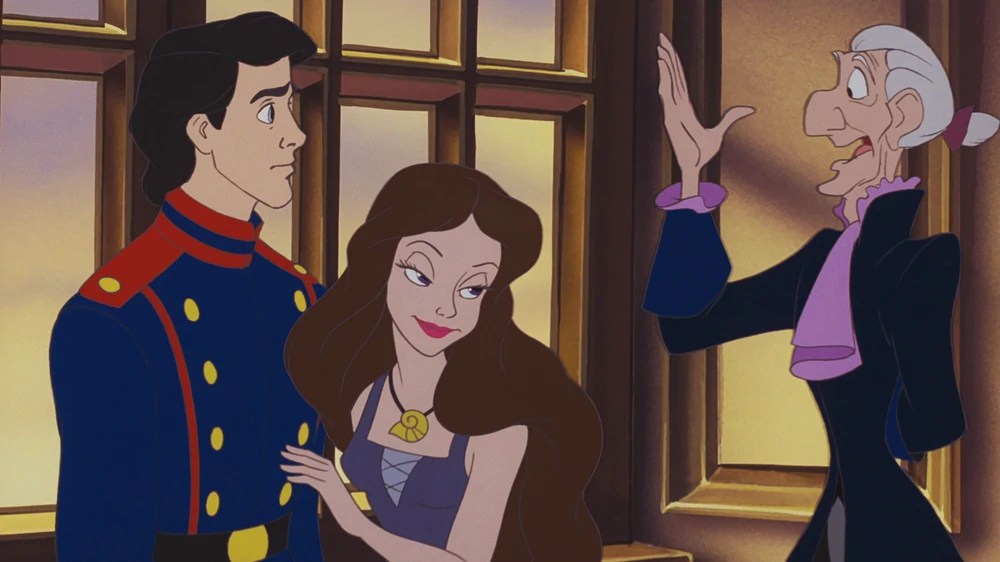
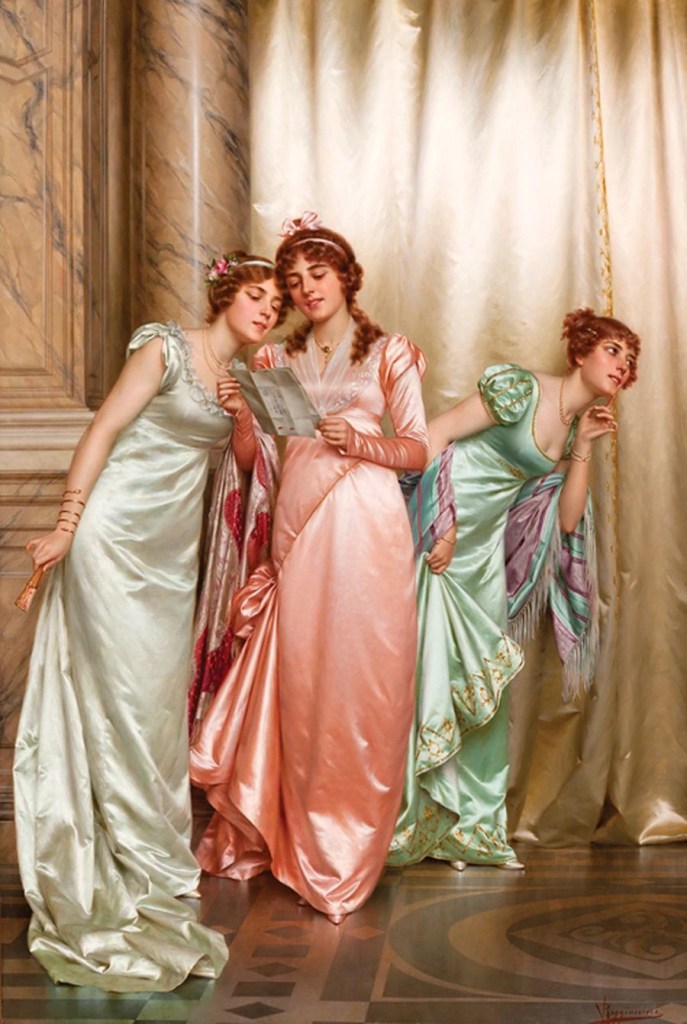
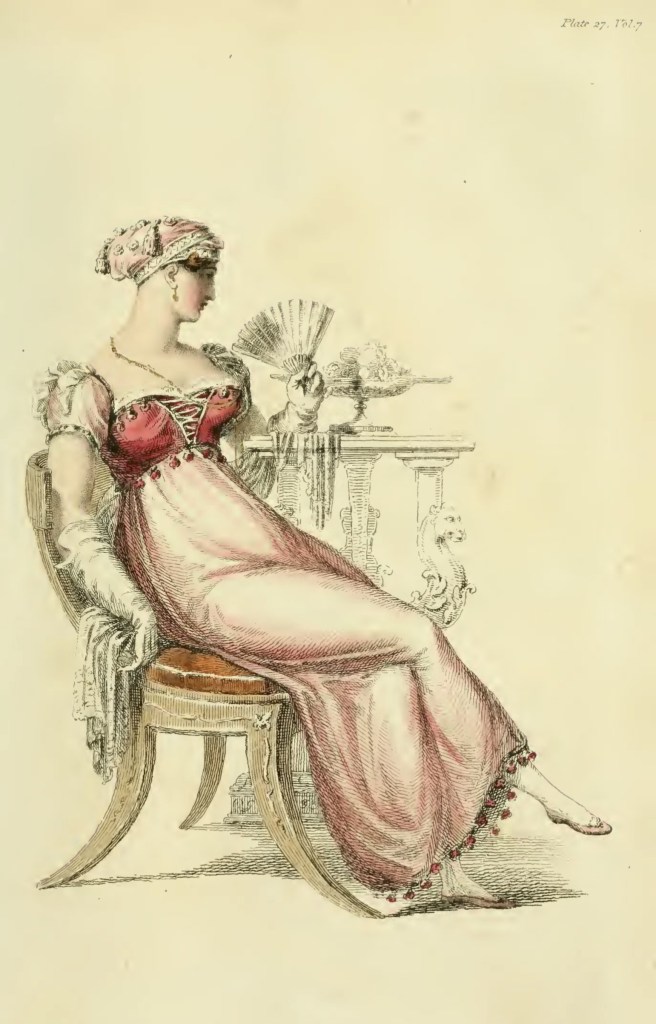
In fashion, the shift to using fashion as a way of self expression began during this time. In the aftermath of the French Revolution, nobility did not want to be associated with a particular kind of costume that was incredibly uniform. Therefore, the Regency era began to see more differentiation in dress (albeit still very conceptually standard – just for the time, it was quite of the box!). Fashion during the Regency era embodied new social values. This is most likely another one of the more endearing aspects of the era – it was a time of structured rule following, but it allowed for more freedoms (such as fashion for individual expression) which was a big shift in the ways that formal society dictated living one’s life. Even the character costumes of the Disney film The Little Mermaid are set in the Georgian era! Specifically, Grimsby’s costume is a tell-tale sign of the era.
Sir Grimsby in Georgian era costume is expounding on a topic to Prince Eric and Vanessa (Ursula in disguise)
The aesthetic appeal of the Regency era is timeless. And beyond the aesthetic, exploring its literature and theater is equally entertaining. You can certainly find yourself caught in some form of its endearment.
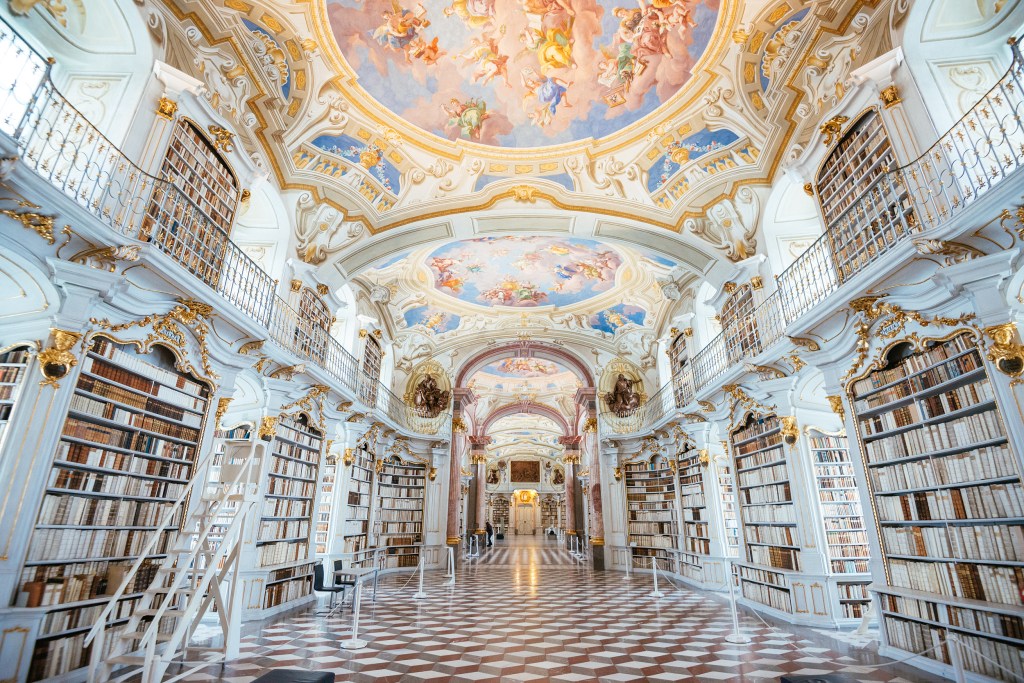
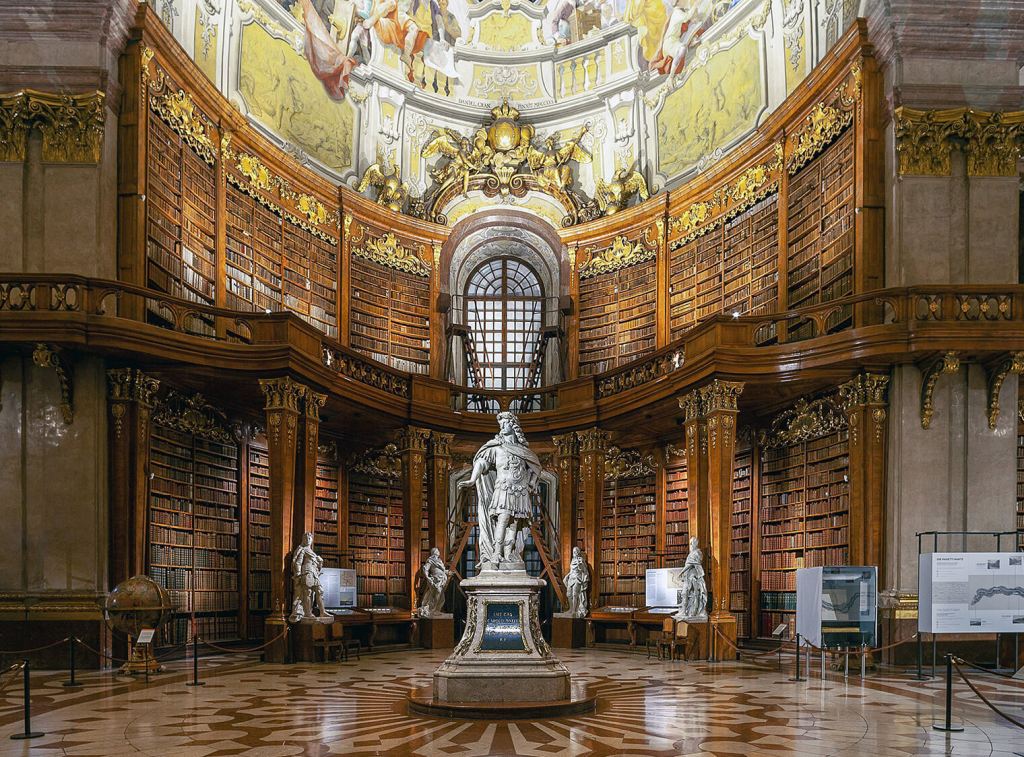
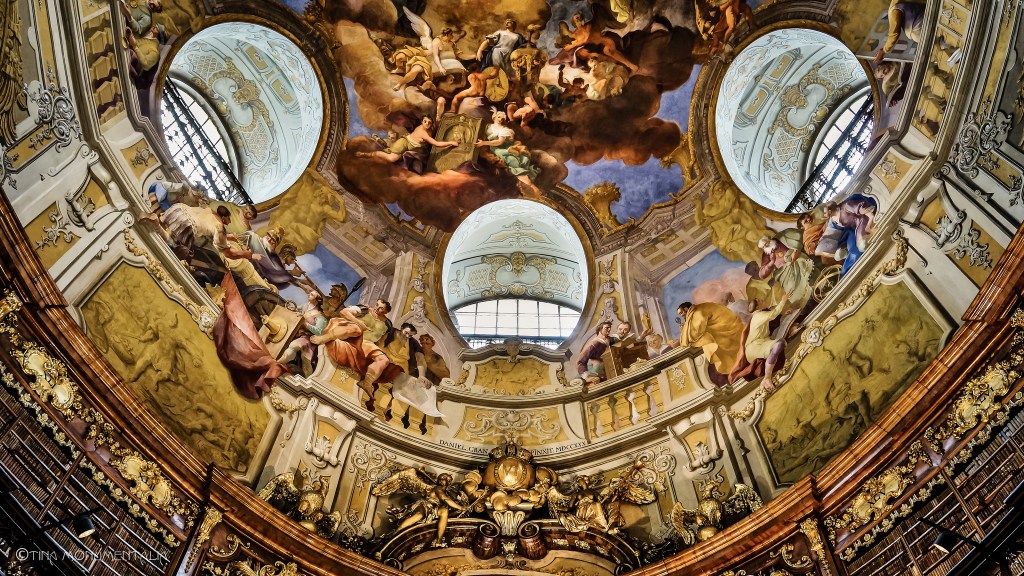
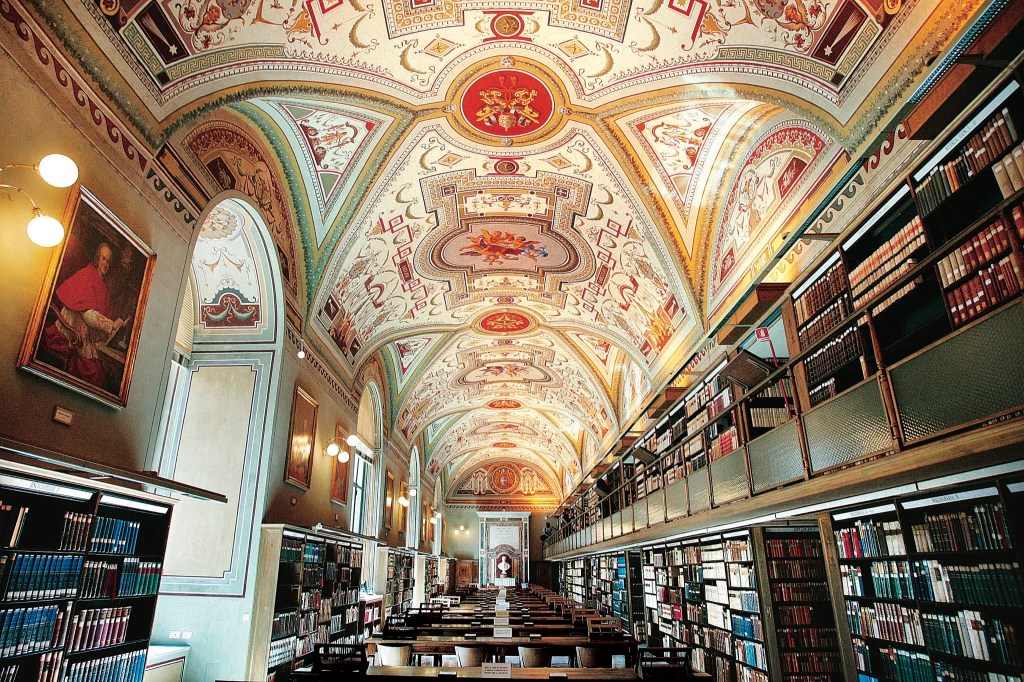
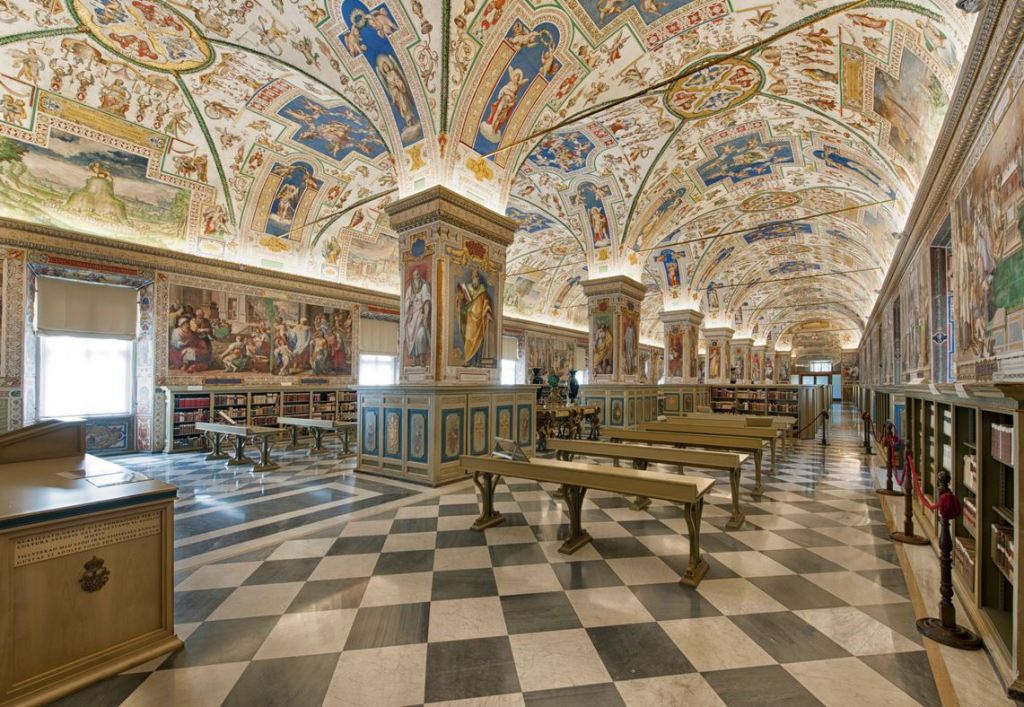
All around the world there are breathtakingly beautiful libraries, which serve as monuments, museums, and of course, book repositories, which seem endless and all together wonderfully substantial. Literacy is arguably the most essential part of intellect. Having a passion for books and reading provides endless opportunities for learning, but it truly expands the human experience in a multitude of ways. If more people were focused on learning and reading, I strongly believe we would have much less problems in the world. While life is meant to be lived boldly and with an adventurous spirit, a huge part of that is learning and understanding the many lessons there is to learn through reading all sorts of classical stories and having a zest for seeing through the surface. Altogether, beyond the surface in life, we find deeper meanings because of literature we are exposed to. Supporting literacy efforts in the education space is incredibly important. Reading and writing are the building blocks to any subject matter.
Literacy has been a huge part of my life (I was an English major at UC Davis). Not everyone may have a passion for literacy, but having some intrigue for reading and writing will take you further than you imagined in life. If there is any topic you have interest in, find every book you can about it and read! I think it’s become especially important in today’s world (when we exist in such a primarily digital space), that we keep the magic of books and libraries alive. While these libraries may be the most beautiful libraries in the world, going to your public and local library and checking out a book that you’ve never read before can be just as magical of an experience. Literacy enables you to refine your own curiosity. The more you read, the more you begin to learn what sorts of literature speaks to you and what may not. You may find your niche and continue reading similar books your entire life. That is quite alright! For me, Regency Era novels are enticing. Reading is magical, so it seems well fitting that there are libraries of this kind in the world. Austria has many of the most majestic libraries in the world. If you take a trip to Austria, you must stop and enjoy one of the many illustrious libraries there.
𝓍𝑜𝓍𝑜
𝓑𝓲𝓪𝓷𝓬𝓪
Austrian National Library, Vienna
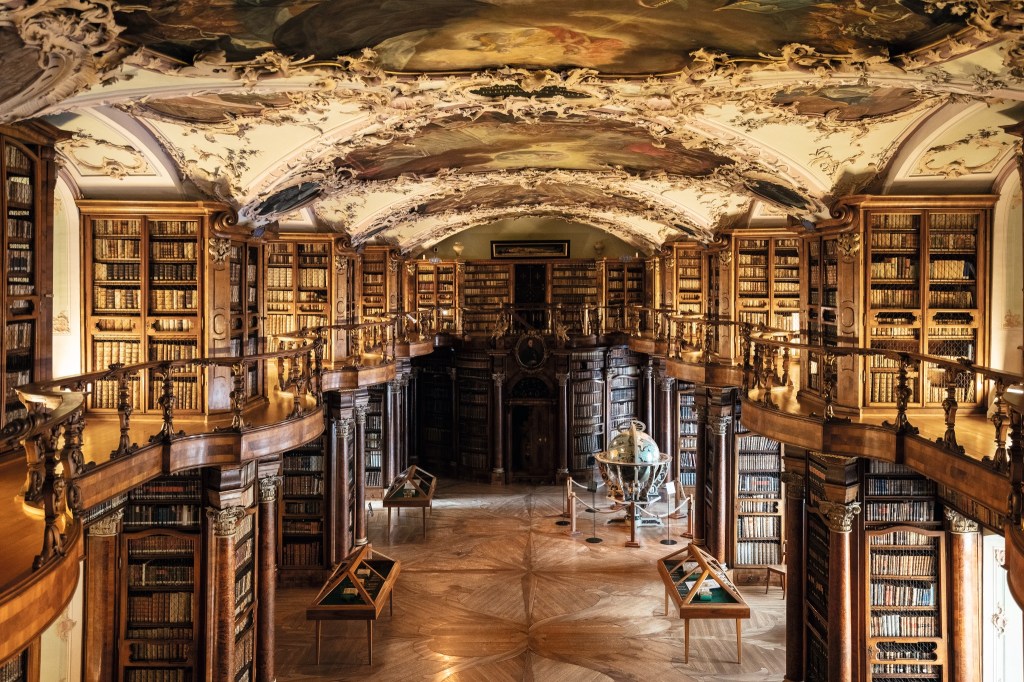
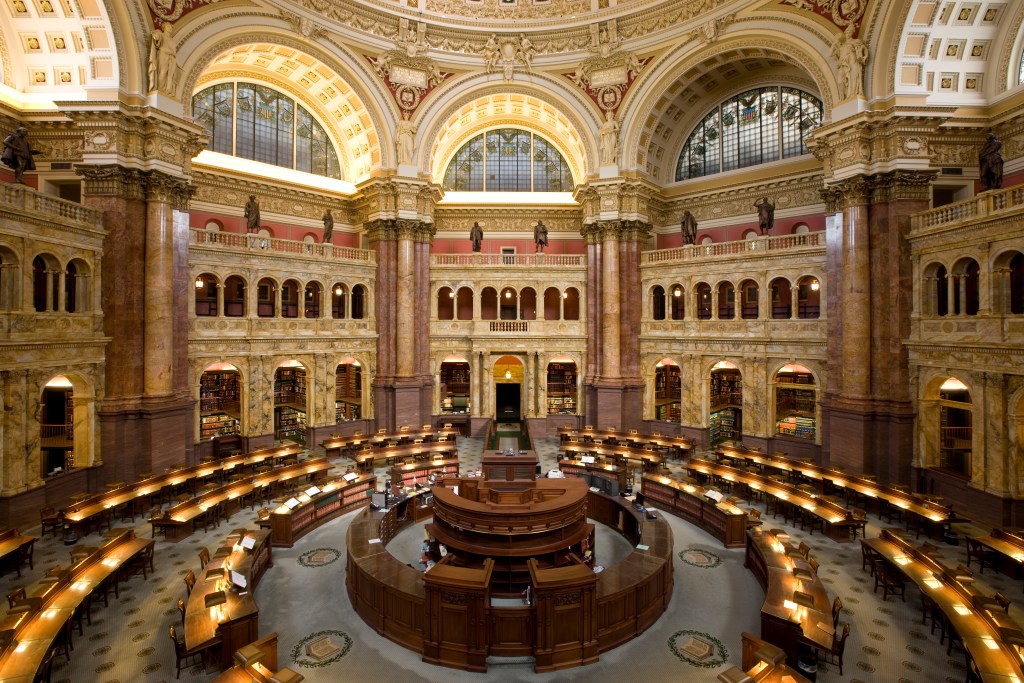
The Vatican Library Abbey Library, St. Gallen, Switzerland The Library of Congress



 rosybvm.com