Rosy Conversation with Charlie Chanaratsopon

I recently had the pleasure of speaking with Charlie Chanaratsopon, Founder of Charming Charlie.  Opened in 2004, Charming Charlie is a women’s fashion and accessories brand with over 270 stores across the United States.  In 2015, he was named by Forbes as one of “America’s 40 Most Successful Young Entrepreneurs.” Charlie is a first generation Thai-American who graduated with an MBA from Columbia Business School.  He generously spoke with me about the emergence of the Charming Charlie brand as well as the ever changing landscape of the retail and consumer market. Charming Charlie is most notable for its unique strategy in organizing merchandise by color.  My experience speaking with him was a pleasure and I am very pleased to share my interview.

Bianca: What prompted your realization that accessories would be your business? Did you have a sense of assuredness in your vision to supply the market in the way that Charming Charlie does now? Was this because of a lack that you saw in the industry for affordable fashion accessories?

Charlie: At the core, I’m an entrepreneur, and love buying and selling “things” since I was a kid. I’m from Houston, Texas, and grew up in an entrepreneurial family. As for Charming Charlie, I knew that I didn’t want to focus the brand on apparel, as it is a highly competitive and generally difficult category to compete. I was thinking about what product mix to curate for the brand, and after studying other retail concepts, I realized that there was an opportunity in accessories. Charming Charlie could be the one stop for women’s accessories.

Bianca: I love the namesake aspect of Charming Charlie – a reference to you! How did it come about? Likely because of your charming personality?

Charlie: This is a good story!  I never imagined we were going to have stores all over the country, and just wanted to quickly come up with a name and get started. So, I hired a marketing firm and explained that we were going to be selling this type of product and that I needed a name. I recall the first few names that were suggested, and I only remember the awful sounding ones like “Accessory Buffet, ” “Accessories City,” or “Funky Monkey.” I asked if we could explore other names and one of the marketers sitting in our meeting looks at me and says, “What about Charming Charlie?”  That was really catchy and easy to remember, and that was it!

Bianca: The color coordination concept is fabulous; some artists would say that a color becomes a color when it’s next to other colors (the way in which colors affect other colors). Did you consider from the company’s inception that color organization would be an essential part of your brand’s identity?  I remember being struck by how great that was when I shopped in the store.

Charlie: When we had three or four stores, I asked myself, “How do we maintain differentiation/innovation, and give the customer what they want?”  I was standing in a store on a Saturday and speaking to customers. One of our customers told me, “You should present the product by color, it’s how I shop.” We first tried the color coordination in one store. We received great feedback. We then took the three front tables and color coordinated them; the customers loved it. Since then, color is such an important pillar of the brand, and all stores changed to be merchandised by color.

Bianca: Trends, fashion, and timeless style are all integrated into the brand so well, does the design team gain inspiration from a combination of current trends in the market and occasion-oriented wear (i.e. cocktail party, everyday wear, etc.)? There really is something for everyone and it’s a good mix of timeless and trendy!

Charlie: Merchants/buyers need to constantly stay on top of trends and fashion, but most importantly know the brand’s core customer.

Merchants stay on top of trends by following influencers/brands on social media, going through magazines, working with our product partners, attending fashion shows, gaining inspiration from luxury brands, and shopping at other retailers. These activities help merchants quickly bring relevant on trend beautiful product to customers.

Bianca: What points in the history of Charming Charlie do you consider most notable? It has scaled remarkably; I read on the company website that there are ~260 stores?

Charlie: There’s all sorts of milestones, but something that was very special for us was when we first expanded outside of Texas, opening in other states in the US and seeing women smile and their positive reaction as they entered the store; whether it was a woman in Georgia or a woman in New Jersey, seeing that Charming Charlie was not just a local phenomenon. It was really rewarding and exciting to see the brand resonating across the country.

The Cultural Importance of Cinderella

The Cinderella shoe by Christian Louboutin
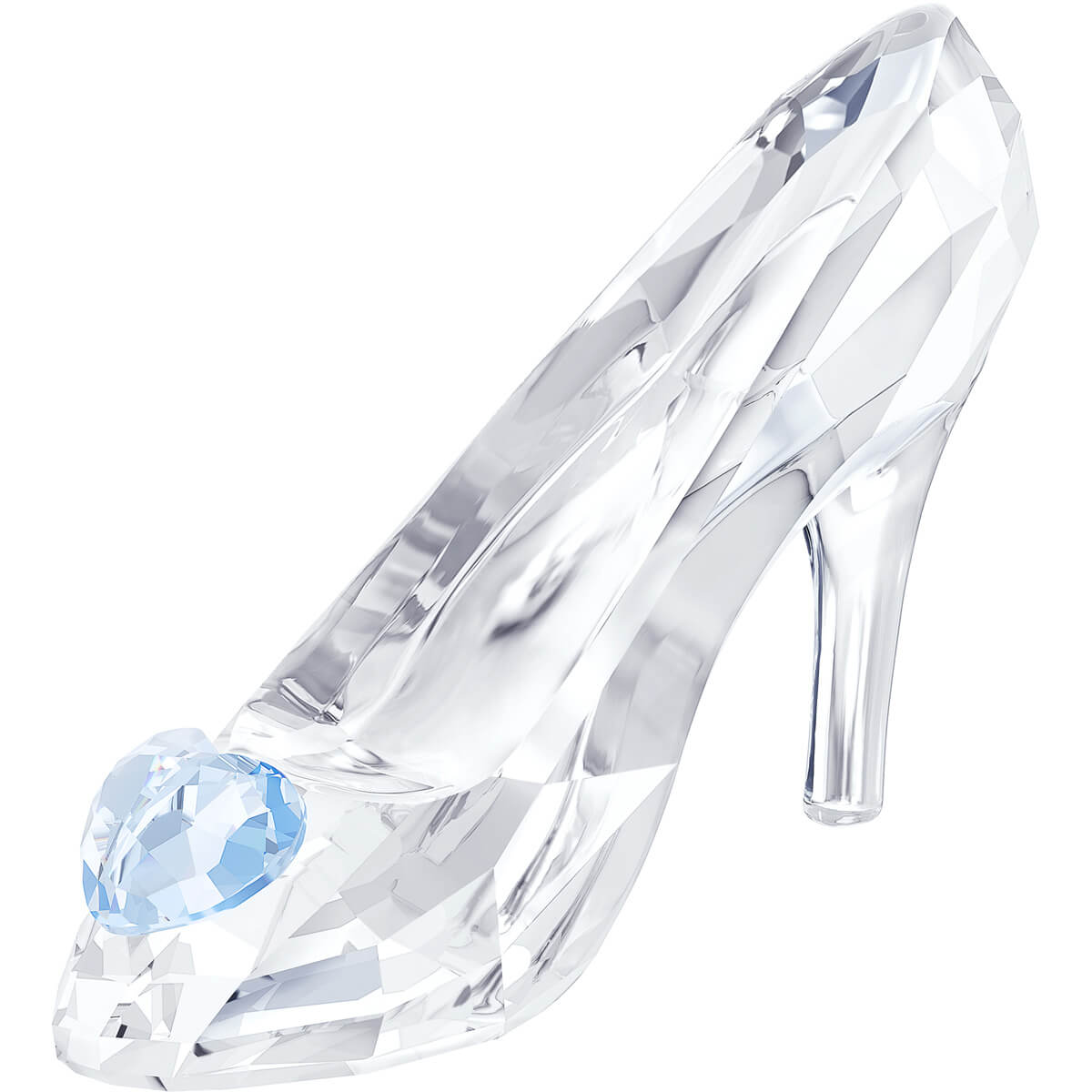
The Cinderella slipper by Swarovski
The original Cinderella movie poster from 1950.
Disney’s 2015 live action remake
Hilary Duff and Chad Michael Murray in A Cinderella Story (2004).
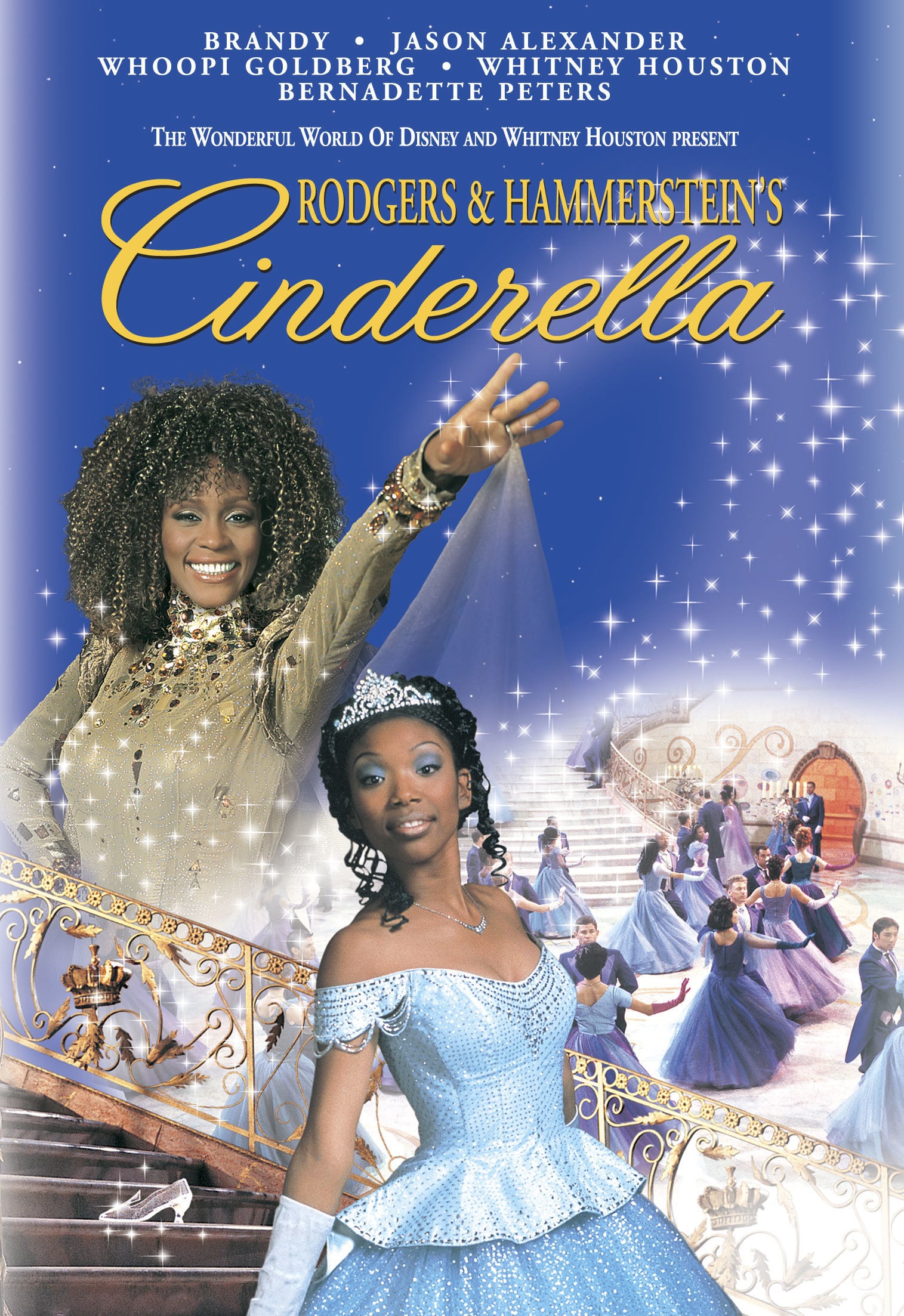
Cinderella portrayed by Brandy, 1997.
Cinderella castle at Walt Disney World
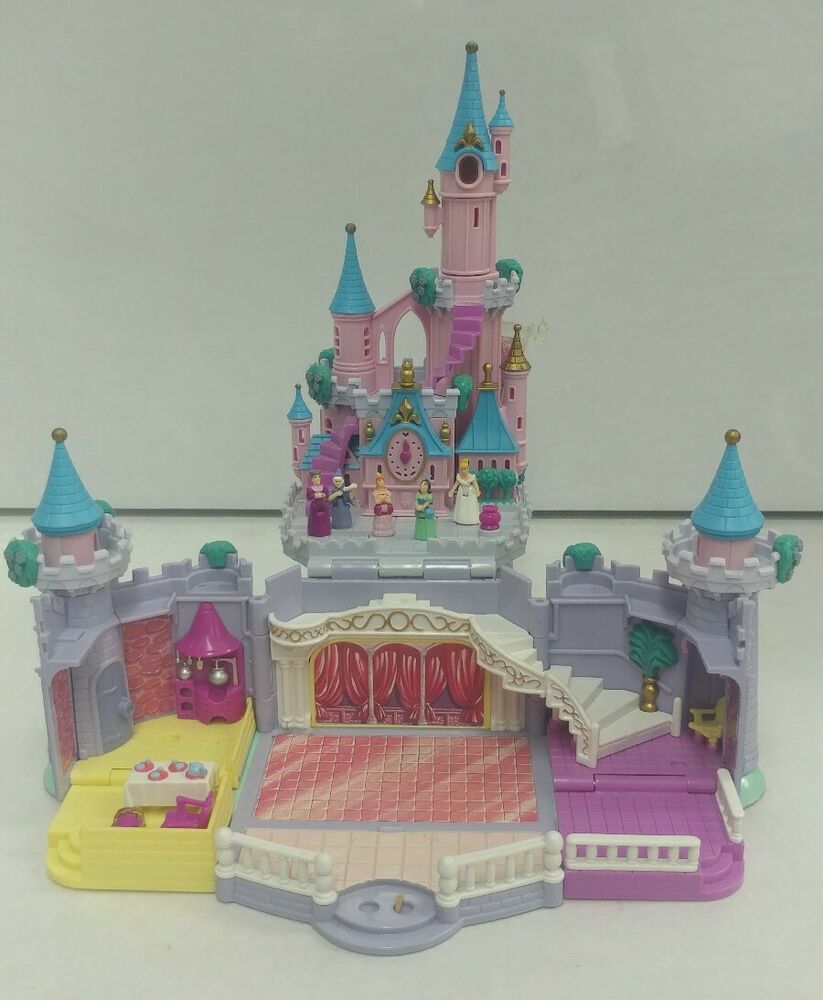
The Polly Pocket Cinderella castle from 1995 (I received this for my 4th birthday, and I thought it was so rad).
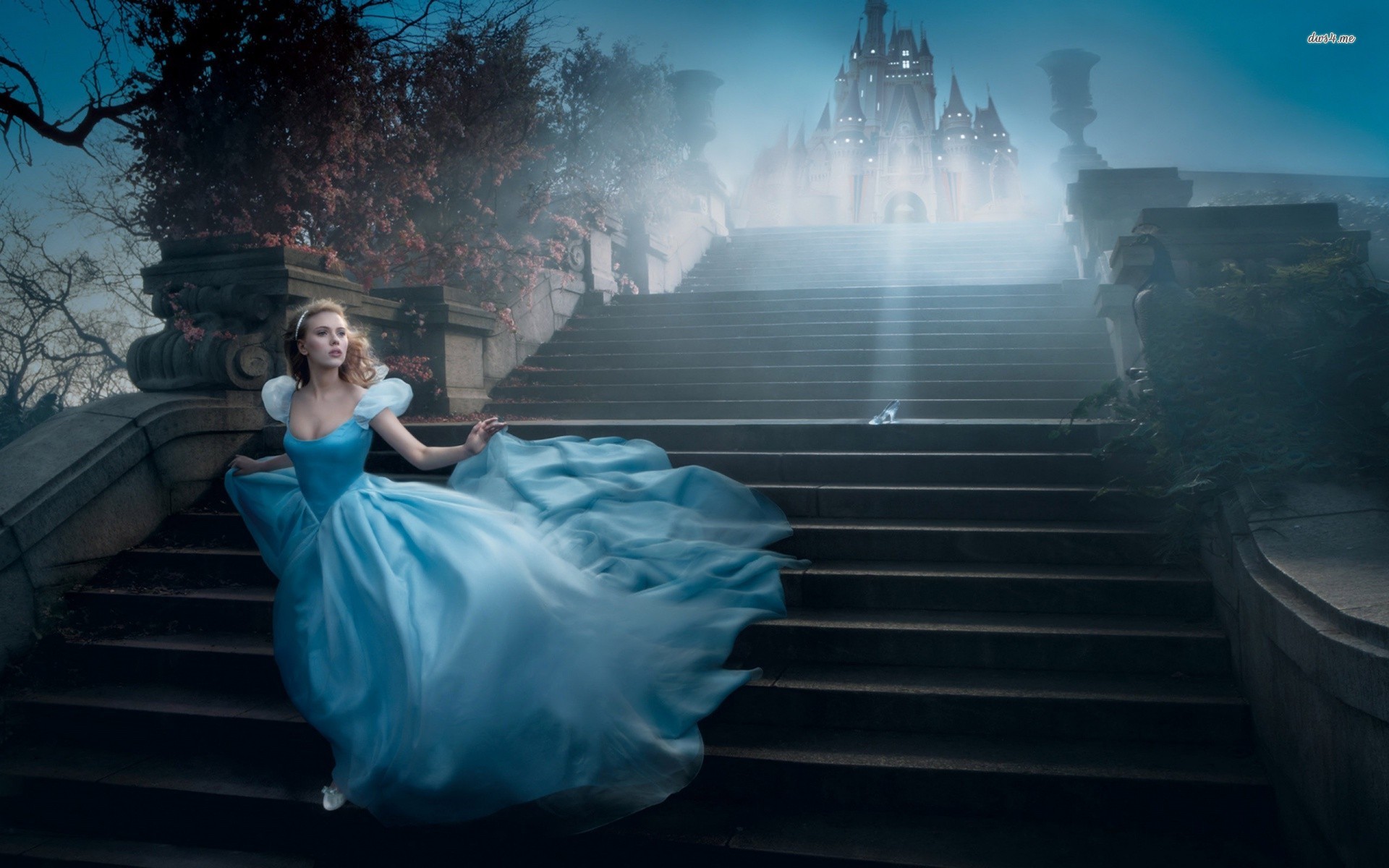
Scarlett Johansson photographed by Annie Leibovitz.

Cinderella is mythical and she is also an image of social mobility; she is the classic tale of “rags to riches” and she also represents something greater than that – she represents a character of goodness and kindness among people who are petty and unkind. When Walt Disney Animation Studios released Cinderella in 1950, there was pressure to succeed given the standard that Snow White set with that monumental film’s release in 1937. Snow White set an animation standard that is still being taken seriously today. With that said, the aesthetic that Cinderella presented is also highly valuable – the ideas presented are original and fantastical, that is why Cinderella has made such a cultural impact and has stayed relevant today.

From the pumpkin that turns into a carriage to Cinderella’s glass slippers, the imaginary comes to life in Cinderella and this plays a vital role in the creative development of young children. Throughout my childhood, Cinderella made a significant impact. My mother made my fourth birthday party theme Cinderella and I still remember parts of that day fondly, and how fantastical I considered Cinderella. Furthermore, in 1997, the release of Brandy’s portrayal of the princess was remarkable and I consider that film to be one of my favorite made-for-TV films of all time.

Later into the millennium, Hilary Duff’s portrayal of Cinderella in A Cinderella Story was also unique; she played a down to earth high school girl who took orders at a diner and was bullied by the “popular” girls in school. I was 12 years old when that film was released and given the fact that I saw this film before I went to high school, the values that it presented (a down to earth nature) impacted me alongside the other values that the Cinderella character represents.

After I graduated UC Davis, I needed to find a job quickly to make a living, so I worked in a bakery; many days I would work shifts that would be closing the bakery and when I would tidy up to close the bakery, bakers who were ending their shift used to call me “Cinderella” because they always saw me sweeping and making sure everything was in order for the next morning.

Cinderella plays a significant role in how people understand social mobility; she is a character that under a set of circumstances is made to be less fortunate, and surely there is much to question about the fact that she needs a prince to become a princess, but truly, Cinderella does represent more than her story line. She represents an opportunity to consider how important your dreams are wherever you are in your life and the importance of how all dreams are valuable. Cinderella has made a significant cultural impact with this premise, more so than other famous Disney Princesses such as Snow White or Sleeping Beauty, and she remains more relevant than ever.

Rosy Reads: Coffee Table Books

Sometimes the easiest way to have a book capture your attention is the one that you will see on someone’s coffee table. Growing up, my mother always had fascinating books of all kinds on our coffee table – from books about pop culture icons (John Lennon, Marilyn Monroe etc.) to books about Monet, Impressionism, Degas, Matisse (art in general!), to ancient mythology and the ancient world. Coffee table books can be an important part of displaying the interests that you have for your home.

I have included a starter kit here of coffee table books (controversial or not) of books that should capture anyone’s interest, but in this case are geared towards the rosy lifestyle. With the disappearance of bookstores more generally, it’s so important to cultivate a book-friendly culture around you and to foster this with your communities more broadly. Reading unlocks the world for us.

My Story by Marilyn Monroe with Ben Hecht

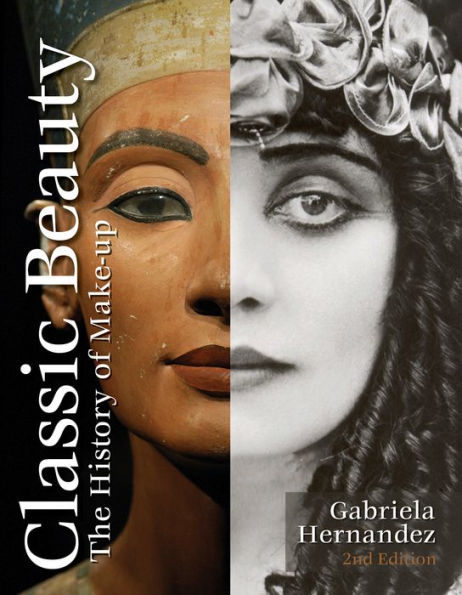
Classic Beauty: The History of Makeup by Gabriela Hernandez


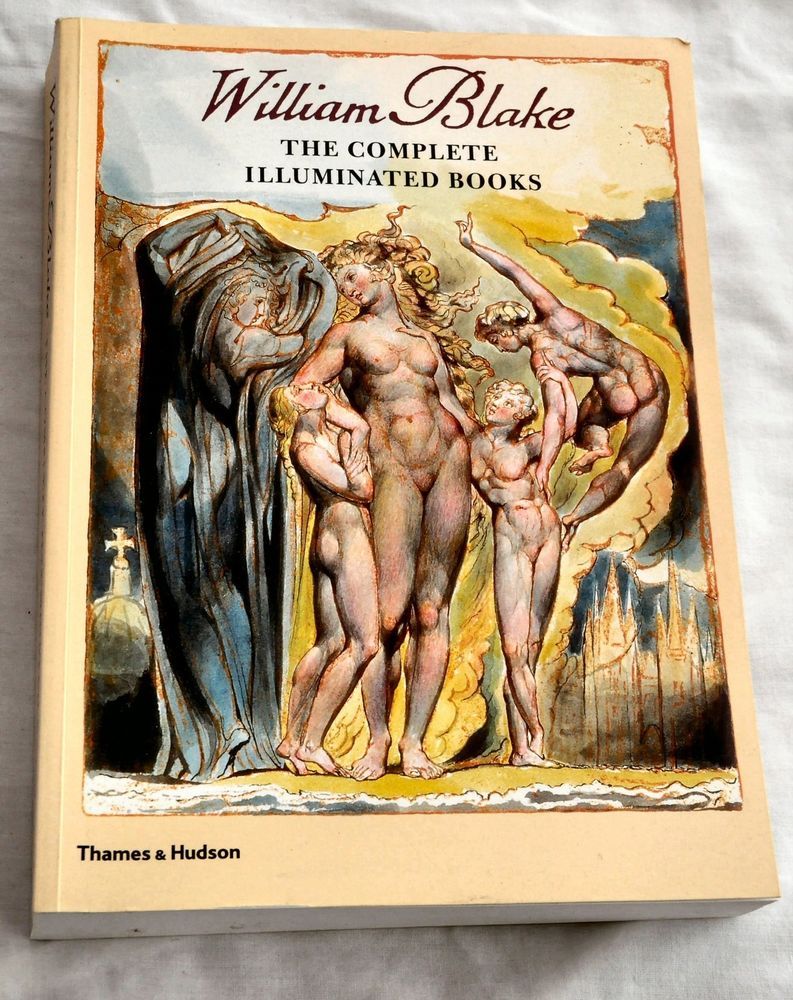
William Blake: The Complete Illuminated Books by William Blake

Matisse by Taschen

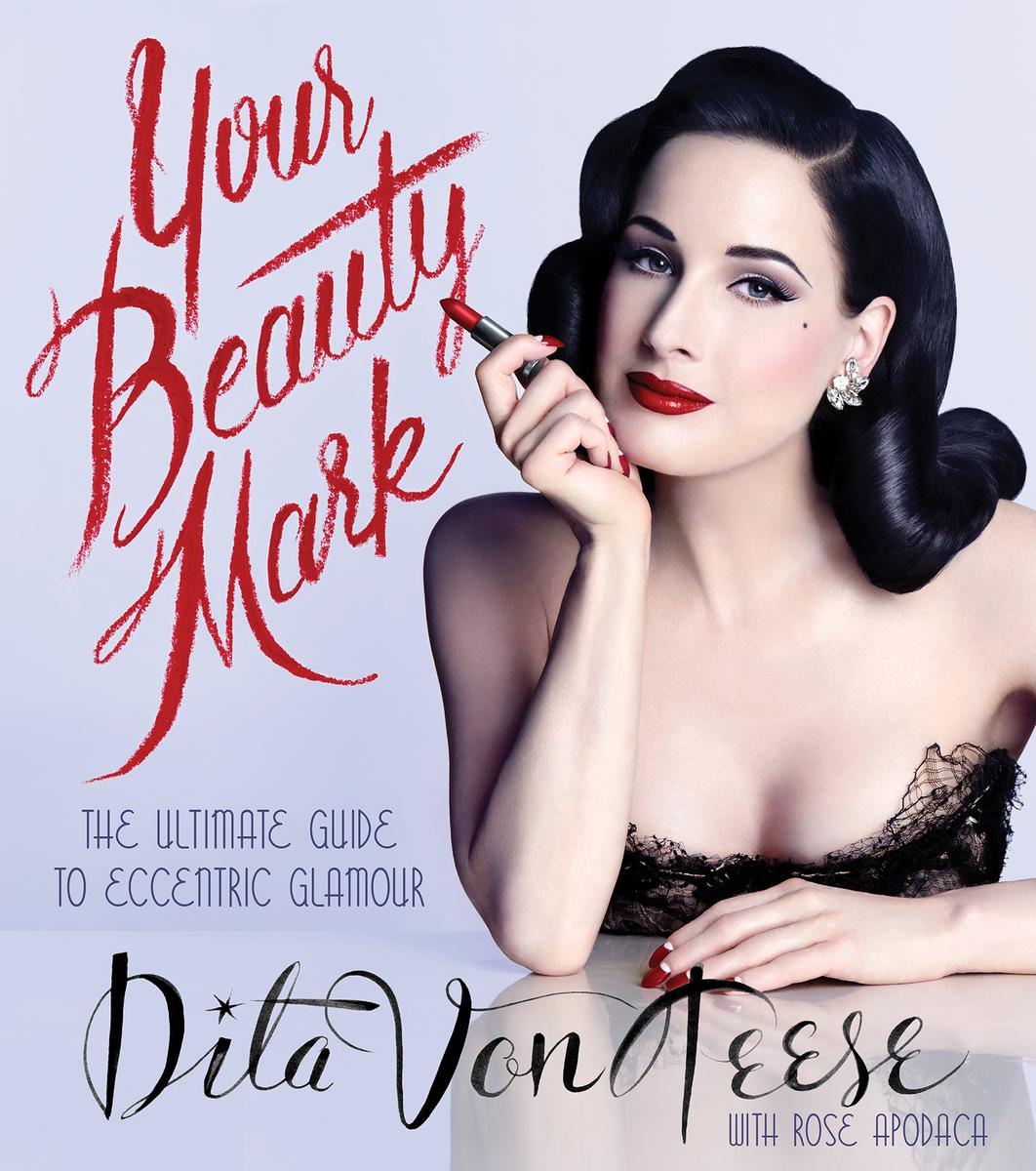
Your Beauty Mark: The Ultimate Guide to Eccentric Glamour by Dita Von Teese

Morning Noon Night: A Way of Living by Soho House

Eat Drink Nap: Bringing the House Home by Soho House

The Queen’s Diamonds by Hugh Roberts

Barbie: 60 Years of Inspiration by Assouline

The Career Code: Must-Know Rules for a Strategic, Stylish, and Self-Made Career by Hilary Kerr and Katherine Power

Vogue: The Covers by Dodie Kazanjian

Ultra-Glam DIY Vanity

Recently I listened to an interview with Dita Von Teese where she stated how glamour should not always be equated with being expensive. She stated, “Isn’t running a bath, adding some rose petals, and having a cup of strawberries next to you glamorous? That doesn’t cost much at all.” That is exactly the mindset that I was raised to have and frankly, it’s a good one to have, I’m very lucky that my mother instilled that value in me. You should not hinder your creativity with cost; as they say, “When there is a will, there is a way.” Investing in a glamorous dressing table is part of a lifestyle attitude in my opinion and I am happy to share some of my ideas here.

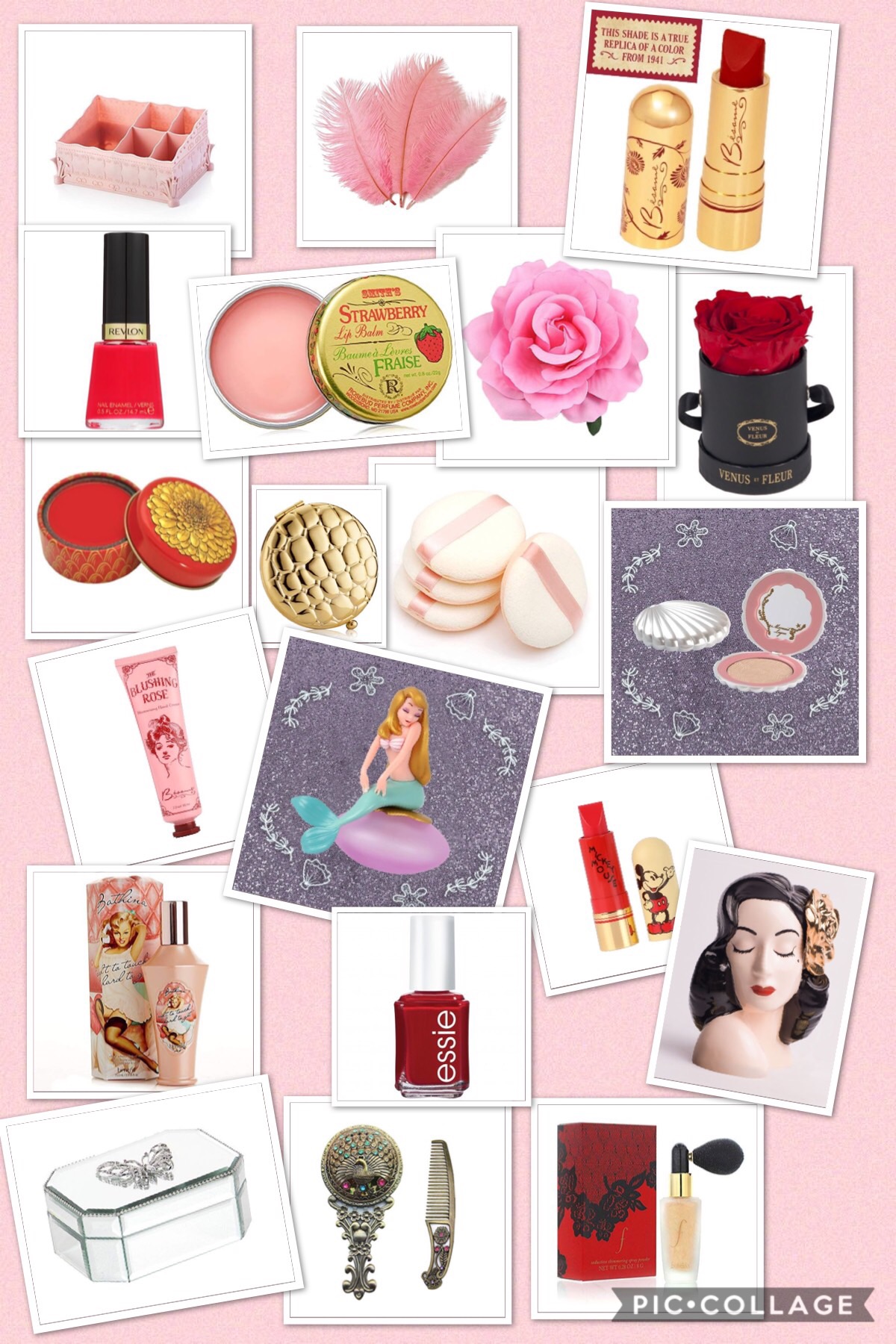
Have you ever thought about creating a vintage-inspired vanity but aren’t quite sure where to start? Retro style is my favorite style and I think it’s the most timeless style, too. The beauty looks out of the 1940s and 50s are my all-time favorite. Creating a vintage dressing table is a fun project and it’s a gorgeous creation when complete. I’ve curated a few of my favorite products that are perfect for display on a vanity table and are lovely to use!

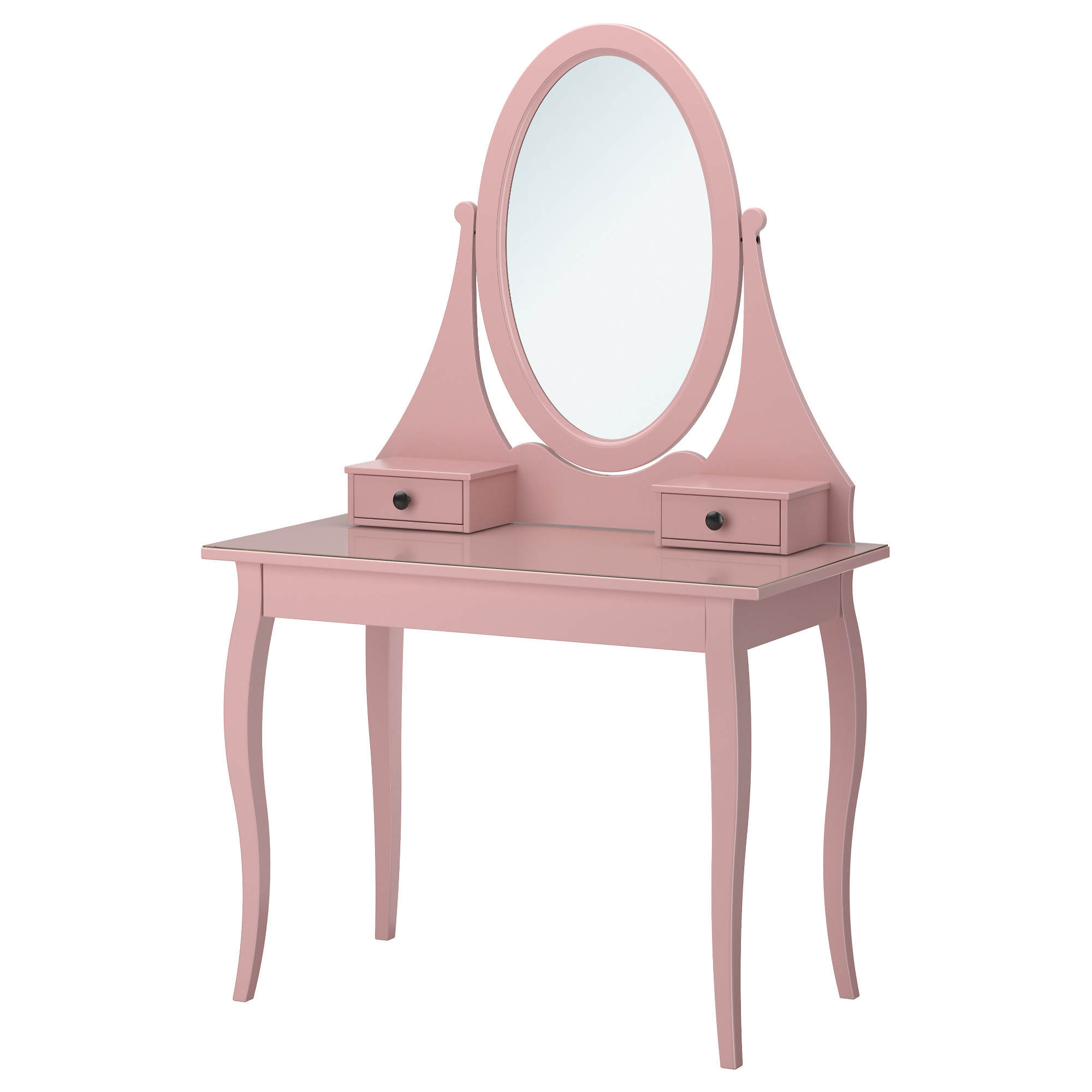
Almost all of these items are available on Amazon and are not antiques; though, if you have the time and know a lovely antique store in your neighborhood, take a look around and see what strikes your fancy – antique stores are so wonderful. Your vanity table can be found at IKEA: they have a great one here. You can also find dressing tables at antique stores for a more vintage look! All of these items are affordable and ultra-glamorous and they are sure to make you feel like a silver screen siren out of the 1940s.

xx Bianca

Decorations

  1. Mirrored Art Deco Inspired Butterfly Box available on Amazon
  2. Vintage Inspired Handheld Mirror and Comb available on Amazon
  3. Pink Ostrich Feathers available on Amazon
  4. Vintage Inspired Makeup Organizer available on Amazon
  5. VENUS ET FLEUR Le Mini Round
  6. Dita Von Teese Gilded Rose Glamour Girl Vase
  7. Bésame Cosmetics Waterfall Mist Fragrance
  8. Rose hairpiece available on Amazon

Nail Polishes

  1. Revlon Red
  2. Essie in Fishnet Stockings

Skincare & Makeup

  1. Estee Lauder crocodile print compact
  2. Benefit Cosmetics Bathina body oil on Amazon
  3. Frederick’s of Hollywood Seductive Shimmering Spray on Amazon
  4. Bésame Cosmetics Blushing Rose hand cream
  5. Bésame Cosmetics crimson cream rouge
  6. Bésame Cosmetics Victory Red lipstick
  7. Bésame Cosmetics Mickey Mouse red lipstick
  8. Rosebud Strawberry lip balm tin on Amazon
  9. Makeup & powder sponges available on Amazon

Total Cost

Total cost of decorations and products = ~$400

Total cost of products w/ dressing table from IKEA = ~$700

Voila! You have an ultra-glamorous DIY vintage inspired dressing table that you can enjoy every day.