
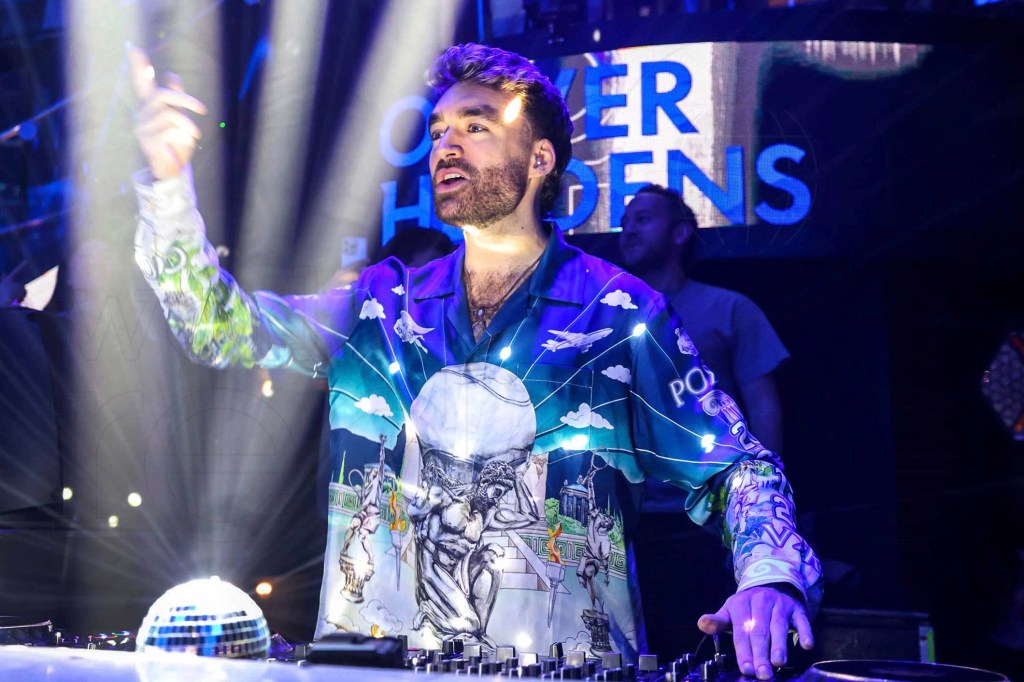
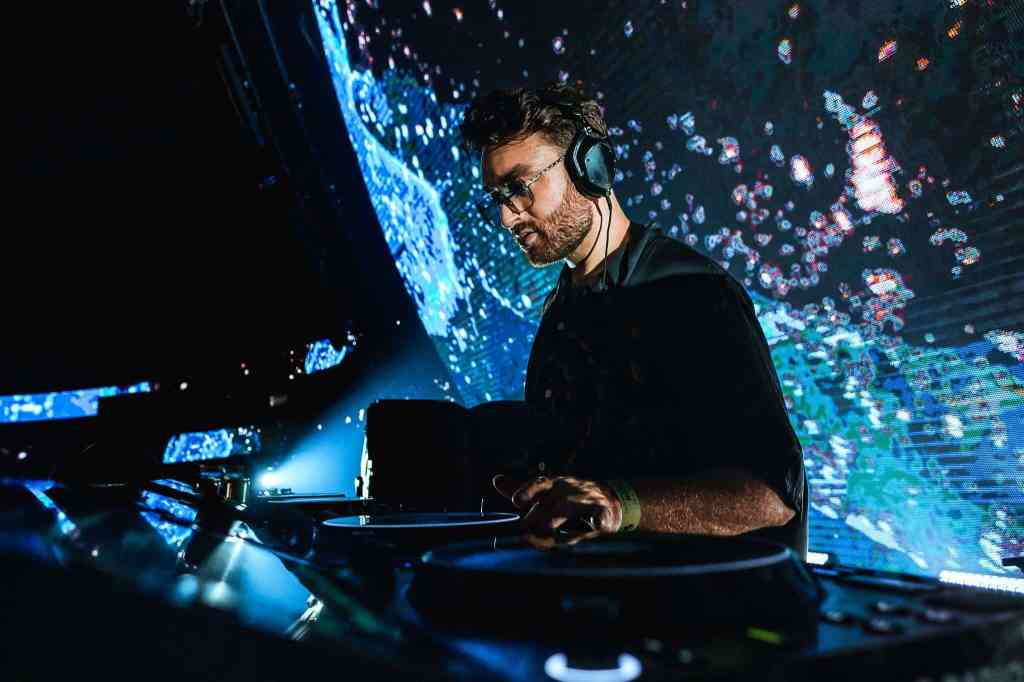
Oliver Heldens, HI-LO, and Techno’s Mystique

If my “Spotify Wrapped” were to be only one artist these past couple of years, it most certainly would be Oliver Heldens. The Dutch DJ has been streamed over a billion times on Spotify with good reason. People can listen to his music for hours at a time at music festivals with good reason as well. His unique and immersive sounds sit at a fascinating intersection between the mainstream EDM and house music sounds that many people enjoy at electronic dance festivals like EDC in Las Vegas or Tomorrowland in Belgium because of his future forward techno sounds. While he is known as a mainstream DJ, he is also known for a darker techno style of music that feels grittier and more underground in its beats, which he has a separate performance name for as “HI-LO.” I think this darker flavor of techno is the evolution of techno sound at its finest and much of his contemporary sounds and beats are likely originating from this unique sound base that he draws upon (with an additional understanding of the history of techno). The “Godfather of Techno” is undoubtedly Detroit’s Juan Atkins. Atkins is known for pioneering the earliest sounds of techno in nightclubs in Detroit.

Interestingly, Atkins’ father was a concert promoter, so the emergence of techno sound is one which sits at the intersection of dystopian science fiction brought together with mainstream exposure to the music industry, similar to Oliver Heldens and his mainstream versus HI-LO musical styles. This is where innovation sits – understanding where we are and creating something unique and new. Heldens is paving the way similarly to how Atkins carved out techno as a genre. Atkins specifically drew upon science fiction for creating the aesthetic ideas around techno music. One of my all-time favorite English courses in college was the history of Science Fiction as a genre. The genre as a storyline concept is highly underrated, to the extent that it often gets over simplified to ideas solely rooted in “Star Wars” or “Star Trek,” where the genre is actually quite expansive and makes social commentary on the contemporary reality of merging together mankind with technology and machinery.

Something deeply fascinating about Heldens music is that there is something which will likely appeal to most audiences. He has the mainstream “beats” which are going to be popular within any nightclub atmosphere (or candidly, it can even be the music used preceding a corporate event or meeting… it truly has a non-offensive sound quality to it and can be adaptable to its use case). However, the styling of HI-LO, his darker music is the one which fascinates me more: he merges together sounds and songs which are unique and he will bring together a very classic techno beat with a cultural song or sound, one that is deeply classical. For example, he has brought together the sounds of Mozart and turned it into an echo chamber of techno sound that resonates with listeners of EDM, where ultimately the new beat merged together with the original classical song enables the brain to focus back onto the classical song, somehow enhancing its original sound quality and turning it into something new and different.

I believe Oliver Heldens is the best DJ of our time for the reason that he is never stuck in one sound style – he is constantly pushing his own limits and this is especially exemplified through HI-LO. However, the qualities of sound he creates is a combination of talent, passion, skill and an understanding of where techno as a music genre has been, where techno is going, and what is also utterly timeless. Ultimately, techno as a genre and Oliver Heldens style is going to move in the direction of his individual passion for the music which is clearly based in how he loves what he does. Heldens is certainly carving forward the path for where the techno landscape is going. As a listener, you can sense that Heldens is performing out of genuine enjoyment for the musical talents he has to share. Hopefully, the continuation of his music career is rooted in this: a passion lit from within and shared as a gift for others. He is considered a pioneer of “future house” music because of his unique blend of electro house sounds. He releases a weekly track set called “Heldeep Radio” – be sure to his evolving talents each week!
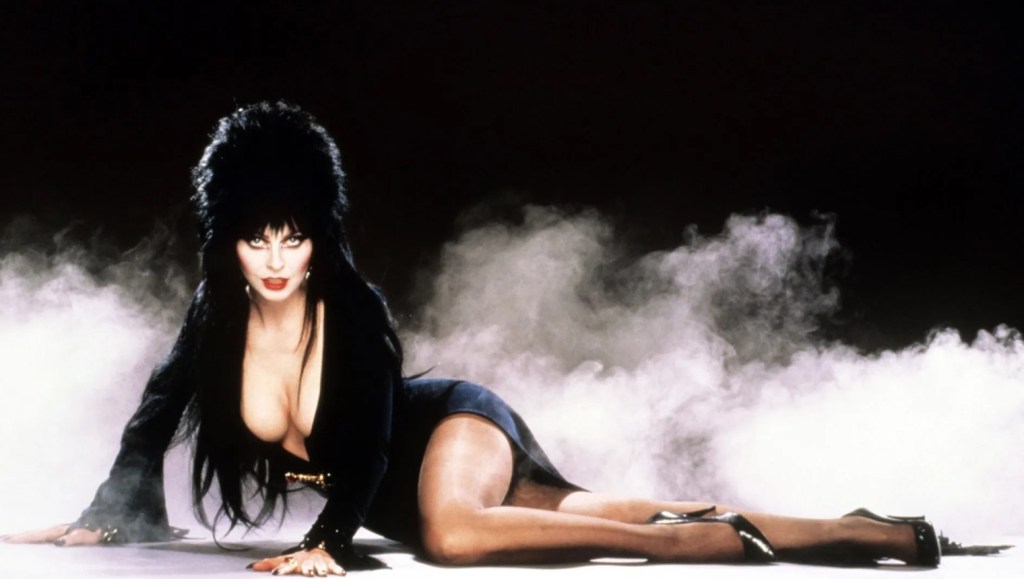
The Legendary Elvira, Mistress of the Dark

Happy Halloween! Elvira, Mistress of the Dark, is undoubtedly, the Queen of Halloween, for all time to come. Cassandra Peterson, the woman behind the character, has been in costume since her character’s spooky film debut in 1988. Since Halloween is upon us, I think it’s fascinating to highlight the feminine depths of Elvira’s spooky character, a legendary figure of the Halloween season since her campy film debut in the 80’s. She is perhaps one of the most fascinating characters of America’s Halloween culture. Her costume has not changed much since her debut, which means her character remains consistent and memorable for the public. In 2021, Julien’s Auctions held an auction of Elvira’s personal collection. It sold remarkably well! Her original costume dress sold for $10,000 alone. I think there is much to appreciate about how Elvira contributed to Halloween culture in general.

I am most fascinated by Elvira’s femininity and the overlap of the occult has with strong feminine energy, which has historically been relegated into arenas of witchcraft and became generally stigmatized as something to fear by mainstream Western society. For example, the origin of Friday the 13th, was a Pagan day for worshipping Divine Feminine energy. It would later be transitioned as a patriarchal day to fear in general (spooky Friday the 13th is quite feminine!) and has various religious and cultural roots. For example, it’s said that in Christianity, Judas was the 13th supper attendee of the Last Supper, who betrayed Jesus, and then Jesus was crucified on a Friday. This is one example of Friday the 13th being perceived as a fearful day, when in actuality, the historical origin of the number 13 for Friday the 13th is that women usually have 13 menstrual cycles in a year and Friday is a day to worship the female from Paganism. The various connection points of Friday the 13th are fascinating to observe. The belief of bad omens for Friday the 13th has been embedded in cultures for quite a while, though. Arnold Schoenberg, the Austrian-American composer, was so fearful of the number 13, he omitted the 13th measure in some of his musical compositions. The musician Taylor Swift has a deep belief in the good luck the number 13 has brought her throughout her life.

The feminine origin of Friday the 13th now been recently resurging through a renewed cultural interest in the history of the divine feminine again, which is ironically re-entering into mainstream discourse. I think this is similarly aligned with the mainstreaming of strong feminine energy for Halloween culture. For example, it’s become a norm for celebrities to dress up in the weeks leading up to Halloween in near perfect costume recreations of characters like Elvira. In 2022, Kylie Jenner famously recreated Elvira’s costume which introduced Elvira to a younger generation.

Kylie Jenner as Elvira

I appreciate how Cassandra Peterson crafted a persona and character which feels like a parody of the occult and continues to elevate femininity in spite of the fearful and spooky mask of makeup she wears. She is also a fashion icon for it. According to W Magazine, it was when Elvira was a child that she asked her mom if she could become the “Queen of Halloween” for her costume. That year, she ended up dressing as Morticia Addams, of the fictional and spooky Addams Family. The Addams Family was created as stand-alone comics by Charles Addams for The New Yorker between 1938 and 1988. The comics became films, and Morticia is seen as the Matriarch and feminine energy of a group of old-money people who delight in the macabre (perhaps a fascinating social commentary on institutions which do not reform become macabre). The TV series debuted on ABC in 1964 and ran for two seasons. The origin story of Elvira is most certainly tied into the origin story of Morticia Addams.

The Morticia Addams role reprised by Carolyn Jones, Angelica Huston, and Catherine Zeta-Jones through the years looks similar to Elvira, Mistress of the Dark for a reason… Elvira was inspired by her!

Elvira was born in Kansas in 1951. During her childhood, she has stated she was with fascinated horror themed toys instead of Barbies. Later into her career, she would become involved with Playboy and would guest star on the hit E! television show, The Girls Next Door, where she would often make jokes about how dying her hair blonde be a spooky thing for her — the macabre was always her element. She hosted the film, Hef’s Halloween Spooktacular, which was about the making of the annual Playboy Halloween Party, often known to be the most spooky Halloween party in all of Hollywood. She bonded closely with Bridget Marquardt (the real-life woman who inspired the film The House Bunny) as Bridget was the resident of the Playboy Mansion who was most committed to Halloween and the horror genre. To this day, they remain connected over their feminine connection the macabre. I think there is something noteworthy about how women can find common ground in any topic, and genuinely support one another, no matter how different their personality and style may be!

Bridget Marquardt and Elvira at the Playboy Mansion in 2006

In 2021, Elvira released a memoir about her life entitled, Yours Cruelly, Elvira: Memoirs of the Mistress of the Dark. Her book is a must-read if you’re a fan of Halloween culture. In the meantime, enjoy watching her many films this Halloween night!