“Softness is not the absence of strength; it is strength refined by kindness, curiosity, and courage.”
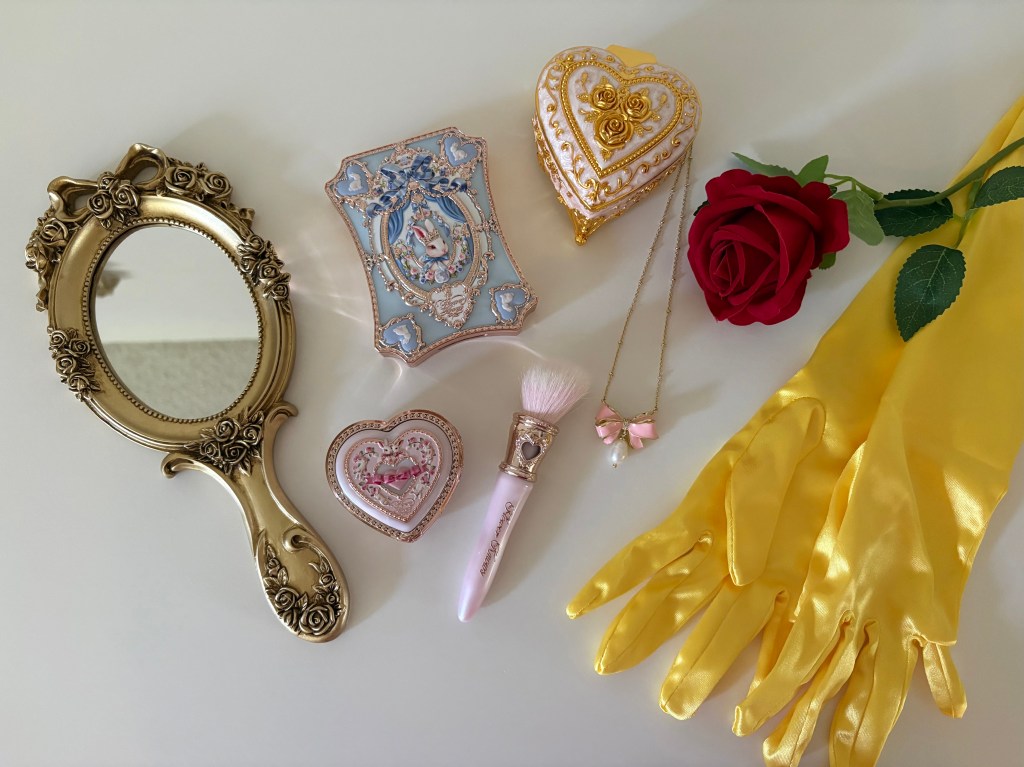
There are many heroines in storytelling, but few resonate with the quiet strength and elegance of Belle. She is often remembered for her love of books, her kindness, and the iconic golden gown, but what makes Belle truly compelling is the way she embodies both softness and strength at the same time.
In a world that often frames femininity as something fragile or secondary, Belle reminds us that softness can be powerful. She lives gently, yet intentionally. She chooses curiosity over conformity, compassion over cynicism, and courage over fear. In many ways, Belle represents a heroine who naturally aligns with what many today would call the soft life, a life centered on beauty, learning, emotional richness, and meaningful connection.
A Soft Life Rooted in Curiosity
Belle’s softness is not passive. It is rooted in curiosity and intellectual independence.
From the opening scenes of Beauty and the Beast, Belle is portrayed as someone who delights in reading, imagination, and reflection. While the town around her prioritizes routine and tradition, Belle is quietly expanding her world through literature.
Books allow her to envision adventures, empathize with others, and imagine possibilities beyond the village.
There is something deeply coquette about this type of intellectual femininity. The coquette heroine is not merely decorative… she is thoughtful, observant, and inwardly rich. Belle’s love of books shows that a woman can cherish beauty and romance while also nurturing a powerful inner life.
Gentleness as Strength
Belle’s kindness is often mistaken by others in the story as naïveté. Yet again and again, her gentleness reveals itself as moral courage.
When Belle chooses to take her father’s place in the Beast’s castle, it is not because she is powerless, it is because she is brave enough to act with compassion. Her empathy ultimately transforms Beast, proving that emotional intelligence can be more transformative than brute force.
Belle never abandons her values to survive her circumstances. She remains thoughtful, principled, and self-respecting. That quiet integrity is the essence of her strength.
In this way, Belle embodies a powerful feminine paradox: She is soft without being weak, and strong without losing her grace.
The Coquette Heroine Archetype
Belle can also be understood as a kind of coquette heroine… a woman who lives with elegance, curiosity, and romantic sensibility while maintaining independence of mind.
The coquette heroine appreciates beauty: books, gardens, music, candlelight, and conversation. She values emotional richness and intellectual depth. She is not rushed by the world’s expectations; instead, she moves through life with intentionality.
Belle’s village life reflects this beautifully. Her daily rhythms revolve around reading, walking through town, caring for her father, and imagining the wider world. There is a quiet luxury in this simplicity.
The soft life, in this sense, is not about indulgence, it is about creating a life where gentleness, learning, and beauty are allowed to flourish.
Strength Without Hardness
Perhaps the most admirable quality Belle possesses is her refusal to become hardened.
Even when misunderstood by the villagers or confronted with fear inside the castle, Belle remains empathetic and open-hearted. She does not sacrifice her softness in order to survive adversity.
This is a profound lesson.
True strength does not always look like domination or aggression. Sometimes it looks like patience, compassion, and the courage to remain kind in difficult circumstances.
Belle demonstrates that a woman can cultivate intelligence, independence, and resilience while still embracing softness and romance.
A Modern Reflection
In many ways, Belle’s character feels especially relevant today.
Modern women are often encouraged to choose between being strong or being feminine, intellectual or romantic, ambitious or gentle. Belle quietly rejects that false dichotomy.
She reads deeply. She thinks independently. She loves sincerely. And she never apologizes for her softness.
That is why Belle remains such an enduring heroine. She reminds us that the most powerful lives are not always the loudest ones. Sometimes the most meaningful strength is found in curiosity, compassion, and the quiet confidence of someone who knows her own heart.
Princess Belle shows us that the soft life is not about escaping the world, it is about moving through it with grace, intellect, and unwavering kindness.
And that, perhaps, is the most timeless form of strength there is. ✨
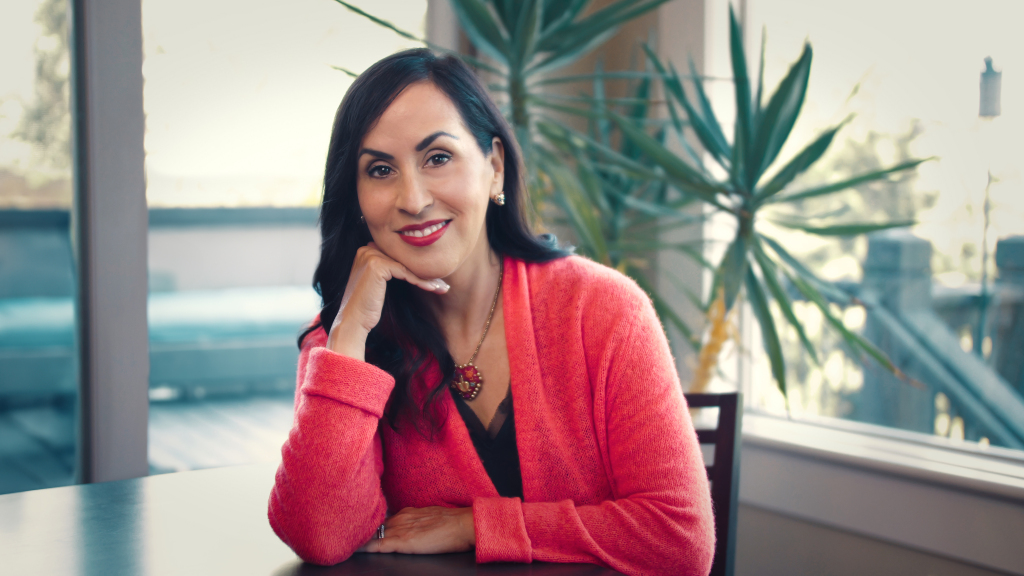
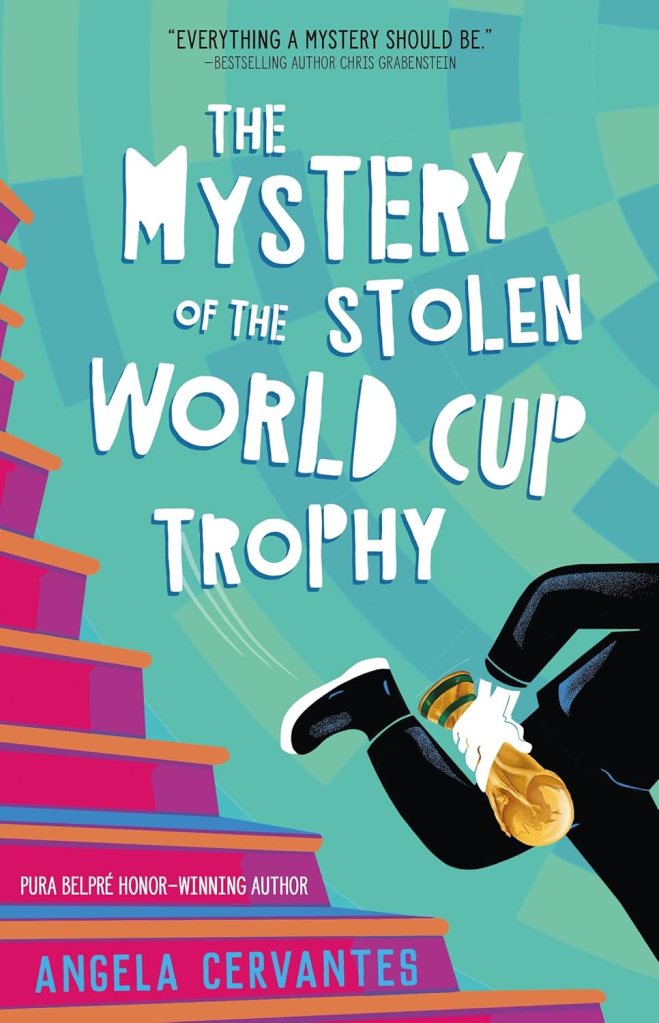
Angela Cervantes is a bestselling, Pura Belpré Honor Award-winning author who has sold over a million copies of her children’s books centering Latinx protagonists. Her forthcoming 2026 releases include a fútbol sleuth story for middle grade readers, “The Mystery of The Stolen World Cup Trophy,” and the second installment of her Junior Library Guild-acclaimed fantasy adventure series, “Anomalies 53: Dragon Dreams.”
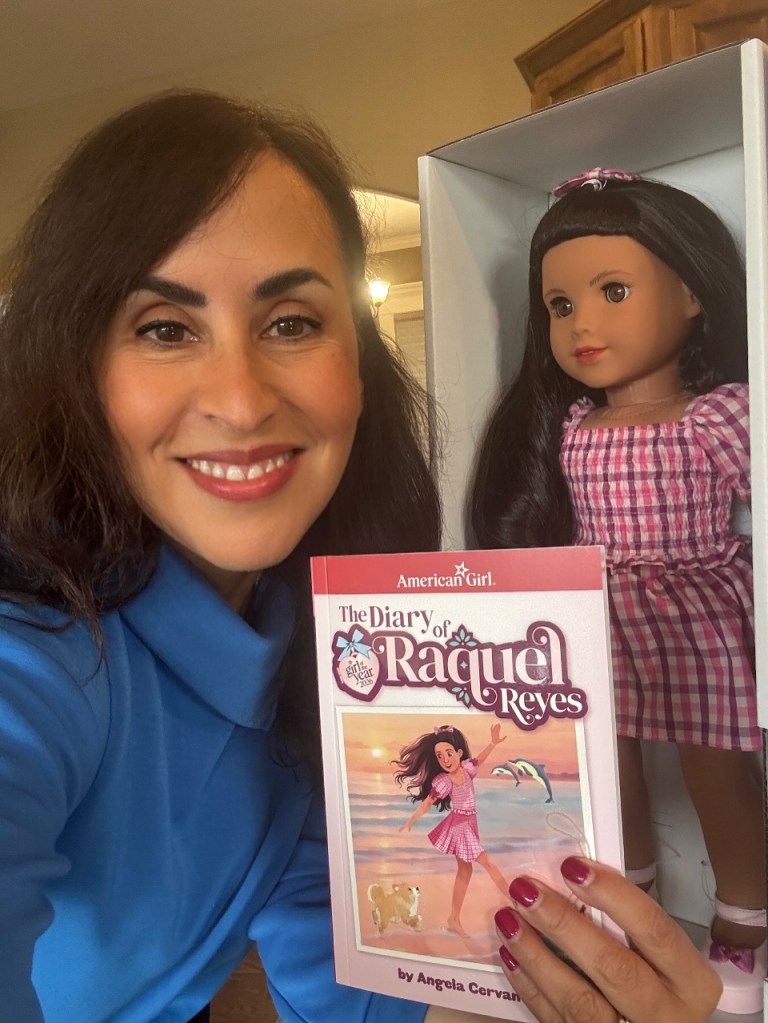
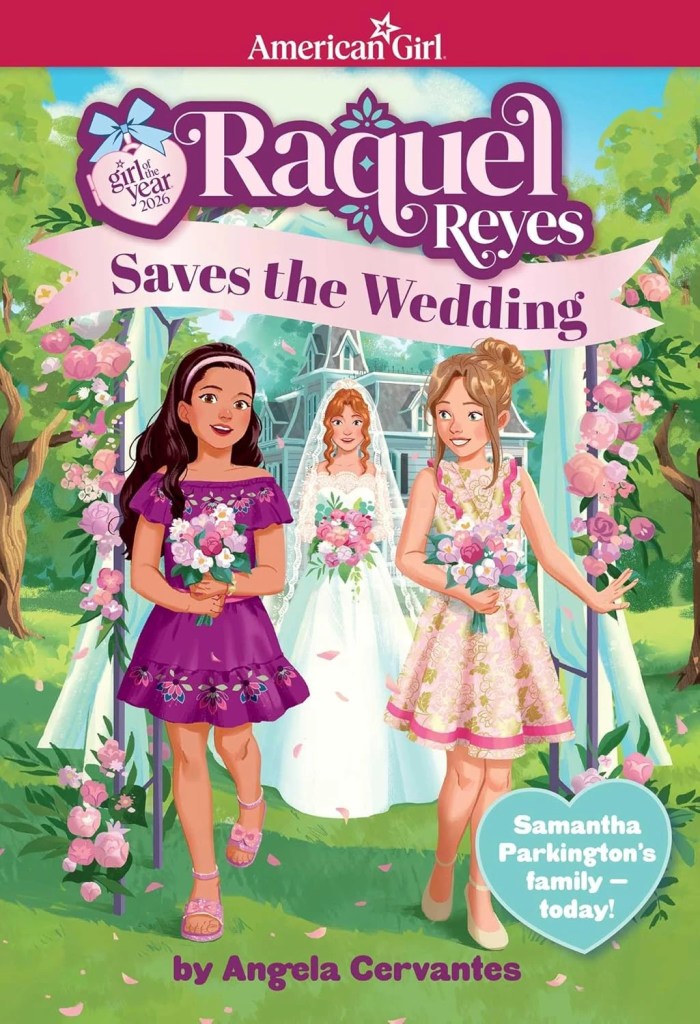
Cervantes is the voice behind American Girl’s “Girl of the Year 2026,” and also wrote the novel “Raquel Saves The Wedding” that accompanies the company’s first contemporary Mexican-American doll as Girl of the Year.
In addition to her original stories, Cervantes is known for her collaboration with Disney/Pixar to write the junior novelizations for Oscar-winning animated films “Coco” and “Encanto.”
The daughter of a retired elementary school teacher who instilled in her a love for reading, Cervantes began writing her own stories featuring Latinx protagonists when she was only nine years old because she wanted books that reflected her Mexican American and Latino community. Her short stories have since been featured in “Chicken Soup for The Latino Soul” and the young adult anthology “Beyond Borders: Growing Up Mexican in America.” And her popular children’s novels are regularly added to state reading lists across the U.S.
Cervantes writes from her home in Kansas City. When she’s not writing, she enjoys reading, running, gazing up at clouds and taking advantage of Taco Tuesdays.
Bianca: Angela, you have gone from playing with brown paper dolls to becoming the author voice behind American Girl’s Girl of the Year 2026. What does that moment mean to you personally and culturally?
Angela: It means so much to me. I’ve worked with American Girl before. You might remember that in 2021, American Girl released three dolls as part of their World By Us series. I was invited to write Maritza Ochoa’s story: Lead With Your Heart. It was such a wonderful opportunity and it included a visit to their headquarters in Madison, Wisconsin. I felt like I was walking into a dream factory! I had the chance to meet the people who put together the fun animations, create the dolls, the designers who put so much thought into every piece of clothing for the dolls. It was so much fun! Since that experience, I kept hoping, even while I was writing other books, that American Girl would contact me again and they did! In 2024, they reached out and I immediately jumped at the opportunity to work with them again, but this time for the 2026 Girl of the Year, which is a huge honor.
As a child growing up in Kansas, I did not have an American Girl doll. By time American Girls launched their first dolls, I had moved on from dolls and more into books. And I’m not sure my family could have afforded them for me anyway. My mom was a waitress at a Mexican restaurant before she became a teacher… I received hand-me-down Barbie dolls. They never came in a pretty new box, but at the time, it didn’t matter to me. I had dolls to play with! I had a best friend named Raquel and we would play with Barbie dolls together. I was often the bossy person in the group and I directed the storyline. I believe playing with dolls is part of what made me want to grow up to tell stories. Before the barbie dolls though, I had paper dolls. My mom, who is not Latina by the way, came from a generation where paper dolls were popular and she was always crafty! She used to make me paper dolls that were brown like me. For her, it was important to reflect my Mexican American heritage. She understood the importance of kids being mirrored in dolls, books, and movies. I understand it too. So, it’s a joy to know that American Girls, an iconic American company, also recognizes this significance and power of creating dolls for everyone.
For me, creating a story where Raquel’s both sides of her family’s backgrounds, her cultural identity, is celebrated and viewed as a strength was key and I think most girls can relate to it. I was raised in Kansas. I know that a lot of people don’t think of people from Kansas as particularly diverse. My grandparents followed the railroads… My grandpa went from Lagos de Moreno in Jalisco, to California, to Colorado, to finally settling in Kansas. My mom’s side of the family is a mix of many European backgrounds. Sometimes, people expect you to choose which side you are when you are bi-cultural and not willing to recognize your full family history. I don’t feel like I have to choose. I meet kids, who are bicultural like me, and their parents are concerned that their child is not choosing their Latino heritage. They will ask me: “Is there anything I can do to help them feel more pride?” I usually suggest that they introduce their child to our music (Bad Bunny for example!), books, foods, and to get them involved in non-profit work and art projects. There are lots of paths to help them connect more with their heritage and culture.
Bianca: Raquel is inspired by her great-great-grandmother Samantha Parkington and rooted in family history. Why was it important for you to show how the past helps shape who we become?
Angela: It’s important because we can learn so much from our past and shared history. The past doesn’t always have to be a sad story, it can be uplifting as well. For example, I love the moment when Raquel finds Samantha’s diary and she starts reading about her great great grandmother who grew up in tough times. Remember, Samantha Parkington’s story is that she was a 10 year old orphan living with her grandmary. Later, she would be adopted by her Uncle Gard and Aunt Cornelia. Samantha grew up during the early 19th century, when some children were working in factories! Can you imagine? How utterly horrifying. It’s remarkable the progress we have made in this country. Samantha represents part of that history and allows the readers to recognize how we have moved forward from that awful part of our history. I hope with Raquel’s book that readers get curious about Samantha and want to learn more about history, how she even stood up and spoke out for other children. I hope they look back and learn about history through the lens of another American Girl. Perhaps they’ll ask themselves as they read: “What was going on in the country at the time?” I hope this gives readers hope that things can change even when it seems like all the world is upside down. We can speak out, we can use our privilege, we can create a better future.
The Mystery of the Stolen World Cup Trophy
Bianca: The World Cup trophy has actually gone missing twice! What about that real history inspired you to imagine this mystery for young readers?
Angela: I’m super excited about this new novel for a couple of reasons. I’ve written a mystery book and a soccer book before… If you recall, Maritza Ochoa of American Girls was a soccer player who dreamed of playing for the US Women’s National Team someday.
This next novel combines my love for mysteries and soccer!
For this new novel, I started with research. I wanted to discover a true mystery and I found it. While I was researching the World Cup, I read how the original FIFA World Cup trophy, known as the Jules Rimet Trophy, was almost stolen by the Nazis during World War II. Lucky, it wasn’t. Yet, it was stolen in London while on display and later found by a dog named Pickles. It’s 100% true. The robbers realized they were’t going to get a ransom payment so they dumped the trophy and Pickles, the dog, found it… Pickles ended up becoming a national hero in England at the time. Fast forward to 1983, the Jules Rimet trophy was stolen again, but this time from Brazil… and the trophy was never seen again. There are several theories about where it went. Some people believe it was melted down and others think it could still be out there in someone’s basement. Who knows?
This history inspired my fiction novel, “The Mystery of The Stolen World Cup Trophy.” In my novel, the main protagonist, Diez Espada, is unexpectedly invited to a World Cup party in Miami and while the famous FIFA World Cup Trophy is on display…it’s taken! Now my young sleuth has to find it before it’s gone for good. That’s all I can reveal! You’ll have to be sure to read the mystery when the book is released on May 5.
Bianca: With the 2026 FIFA World Cup approaching, what excites you most about introducing Diez Espada and this story at such a global moment?
Angela: It’s perfect timing for the World Cup coming to North America. I believe soccer is growing in popularity here in the States. Our National Women’s team have won the FIFA World Cup four times! Now, we get the chance to cheer on the men and see what they can do this time around. I admit that I love soccer. I’m like that guy on the show, Ted Lasso, that’s always shouting “futbol is life!” Basically, this novel is my love letter to soccer and classic whodunit mystery novels. I hope the kids love reading it as much as I enjoyed writing it. Again, my main mission as a children’s author is that the children read my book, and love it so much that it makes them reach for another book to read. And then another book!
Representation & Cultural Commitment
Bianca: In the face of book bans, how has your commitment to writing honest stories about Latinx children evolved or deepened?
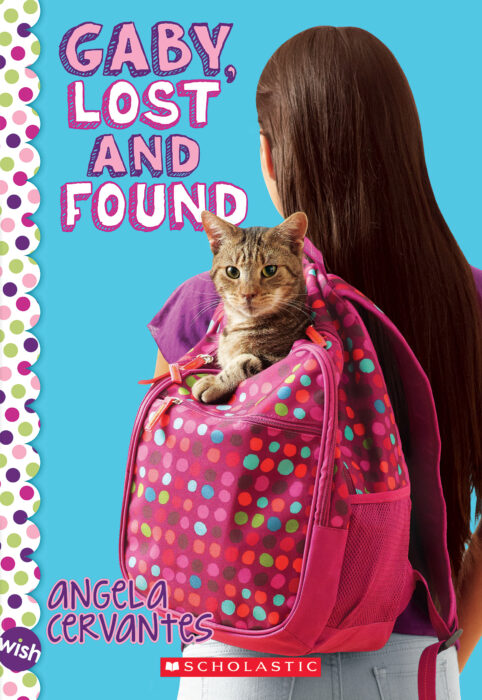
Angela: I honestly don’t understand the people who want to ban books. Book bans are not American and it’s the absolute opposite of freedom. Why would we give up our freedoms? As a society that aims to prepare the next generation, we should be celebrating books and finding ways to get more books into kids’ hands; not taking them away. I’m a firm believer that books save lives. Books make you smart. Reading builds empathy. Reading creates a civilized society. For this reason, I’m still confused that my first novel, “Gaby Lost and Found” was pulled off the bookshelves in Florida along with a bunch of other books. When I reviewed the list of books that were pulled off the school district’s bookshelves, they were predominantly books related to marginalized communities, or books written by Latinx, and African American authors. Why are they choosing those books in particular?
Storytelling Roots & Inspiration
Bianca: Your grandparents were your first storytellers, sharing stories across Spanish and English. How does that bilingual, bicultural storytelling live on in your writing?
Angela: It’s just natural and organic to me to code switch between Spanish and English and to want to center the Latinx voice. To write any other way would be forced and awkward. I particularly love it when publishers like American Girls include a glossary in the back of the book because there’s a lot of kids out there trying to learn Spanish and what better way to learn than reading a book that includes some Spanish words.
Bianca: As the daughter of an elementary school teacher, how has your understanding of young readers shaped the way you tell stories?
Angela: The whole reason I became an author was because when I was a child, I wanted to read books that reflected my community and culture. Those books were not there. And although I was young, it made me feel invisible and resentful. I questioned it. Were our stories not important? Do people not want to read about us? We read about them all the time. Do they think we don’t read? My head was full of questions. This propelled me to want to write. Since then, I always knew I wanted to be a writer and that I would center Latinx characters and our community in my stories.When it comes to storytelling, my mom and dad instilled me with pride in being Mexican American. They didn’t have to tell me that my culture and heritage was important, we lived and practiced it. This exposure gave me the freedom and desire to share our unique stories. Later, in college when I was an English major, I was always told to write what I know. That’s solid advice, but I also believe in writing what you love. With my novels, I’m writing what I know and what I love!
Bianca: Thank you, Angela, for your thoughtful answers and for ensuring the American Girl of the Year 2026 is a wonderful role model for a generation!

 rosybvm.com