How To Embrace Y2K Fashion With A Modern Twist

There was a time when velour tracksuits turned sidewalks into runways, especially in Los Angeles, and bedazzled flip phones were the most prized accessories. If you’re like me, you remember it well, the era of pop princesses, playful maximalism, and a fearless approach to fashion. And now? The early 2000s are back in a big way.

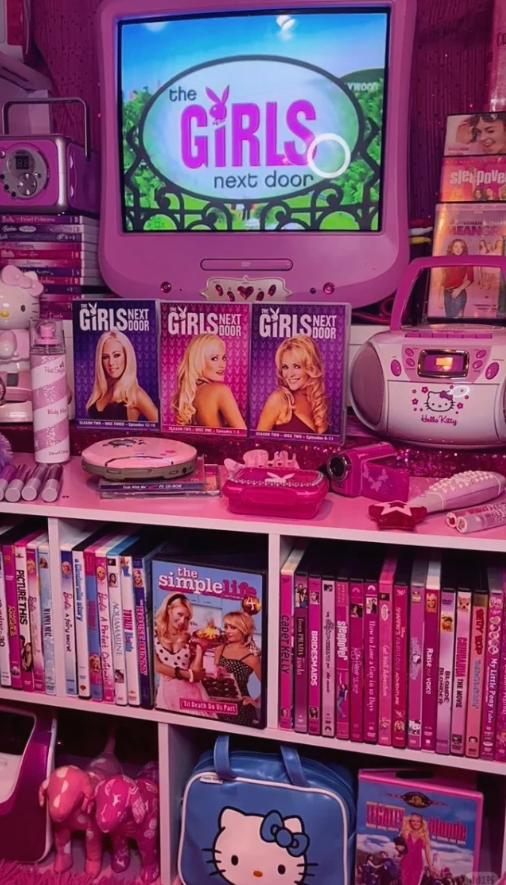
Let’s be honest: while the Y2K revival is undeniably fun, no one wants to walk around looking like they’re headed to a theme party… The key is to channel the essence of the era while keeping your style polished and personal. Here’s how to bring back the magic of early 2000s fashion… without looking like you are wearing a costume. I think the subtle nods to the era are most important – it’s not about the all-out Juicy Couture velour tracksuit anymore. For me, I find the styles presented on the E! show, The Girls Next Door, as a starting point for this fashion era, especially when it comes to Holly’s signature knee high socks. You can take elements of the time and make them uniquely yours and upgraded for 2025.
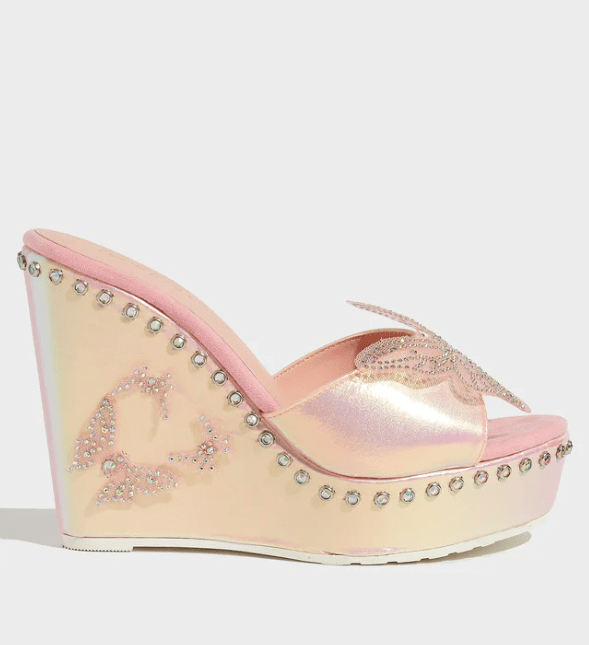
The Bianca wedge by Sparkl Fairy Couture

💖 Why We’re Still Craving Y2K Magic

The early 2000s were about more than just clothes. That era captured a youthful sense of rebellion and fun, wrapped in rhinestones and topped with a trucker hat. Y2K fashion gave us permission to be bold, sparkly, and unapologetically ourselves.

Maybe that’s why it’s making such a powerful comeback… In a world that can feel overwhelming, nostalgic fashion offers comfort. It reminds us of a time when style was playful, expressive, and feeling fabulous.


💼 The Key Pieces Making a Comeback (and How to Style Them Now)

Baby Tees
These tiny tops are perfect under slouchy suits or high-waisted pants. Choose soft pastels, graphic prints, or classic white for a timeless Y2K nod.

Mini Bags
More aesthetic than functional, the mini bag is your moment to shine. Go metallic or glittery if you want to lean in. Otherwise, try classic leather in bright colors to add a pop to your look. Also, the BAGGU trend is having a moment, which means you can lean into that and maximize the amount of items you can fit into one of those bags. There are plenty of small bags now that have plenty of room – it’s quite magical.

Velour Tracksuits
Juicy Couture made them iconic. Today, pair yours with sleek sneakers, gold hoops, and a clean bun for a look that’s cozy and curated (without the Juicy logo emblazoned loudly).

Platform Sandals or Kitten Heels
These add instant throwback glam. Match them with modern slip dresses or wide-leg trousers to keep the look intentional. Find them in pink or black to have a real Y2K moment for yourself.


📸 Iconic Inspirations from the Era

Pull out the digital scrapbook: early 2000s icons are our muses. Paris Hilton in her rhinestone glory. Destiny’s Child in coordinated denim. Brandy in bold accessories. Gwen Stefani in crop tops and cargo pants. Britney Spears—need we say more?

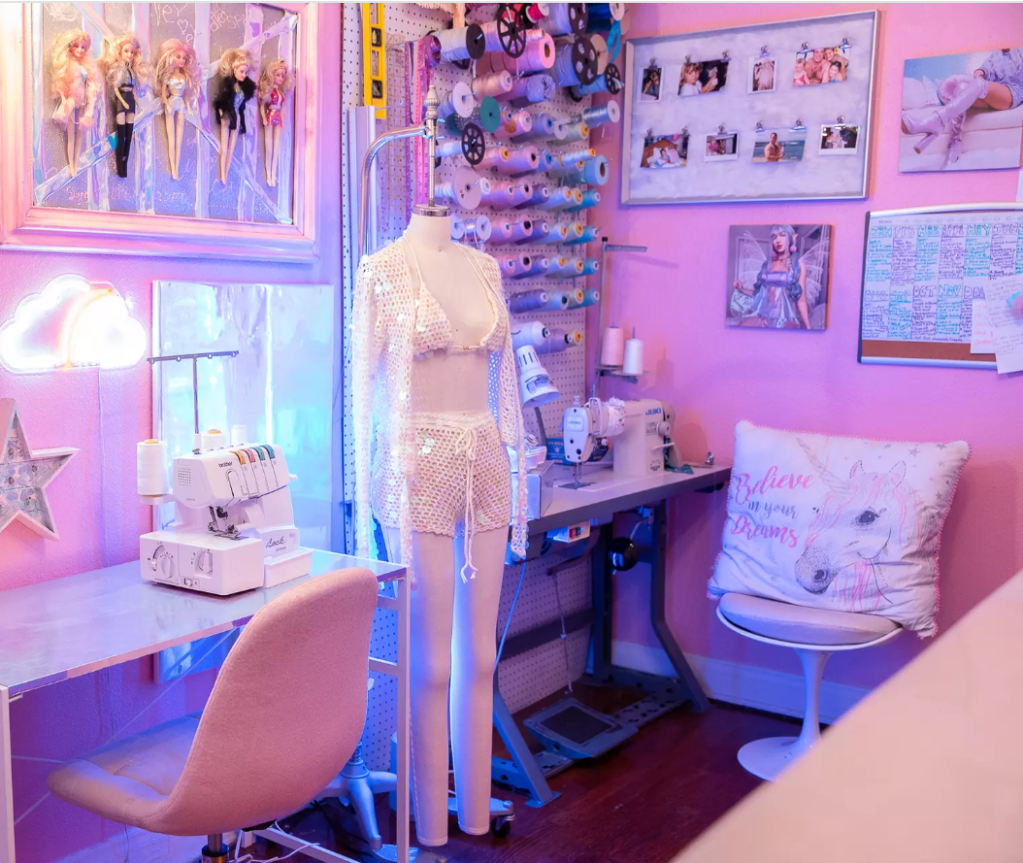
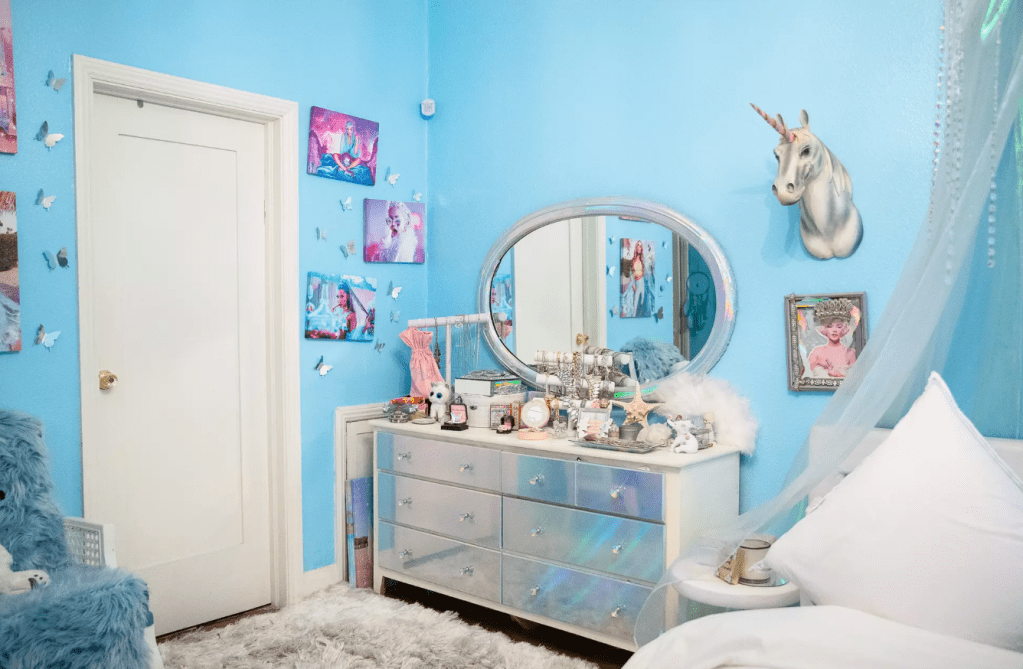
Use their style as a starting point. What made these looks unforgettable wasn’t just the clothes—it was the confidence behind them. Using tools like Pinterest boards can really help you shape how you want to incorporate a Y2K look into your everyday style. An example of how this resurgence has happened in real time, we have the up and coming fashion brand Sparkl Fairy Couture making waves by Gabi Iwalani Hall. Her designs have been worn by the likes of Megan Fox. Gabi’s designs have also trickled into interior design, and she offers a rentable space (like the bedroom below) for photoshoots in LA called “Sparkl Fairy Palace,” which you can book through Peerspace.

🍭 Where to Shop the New-Y2K Look

Thrift Stores & Depop: For true vintage finds.

Heaven by Marc Jacobs: A Gen Z-fueled nod to 2000s chaos with structure.

Urban Outfitters & ASOS: They’re masters of the trend-forward twist.

Amazon & Etsy: Great for accessories like butterfly clips, charm necklaces, or rhinestone sunglasses.


✨ Make It Yours: Adding a Personal Twist

Fashion is always more beautiful when it reflects you. To keep Y2K fresh and not costume-like:

  • Mix in antique or heirloom jewelry for a timeless contrast
  • Add soft feminine details like lace trims or satin bows
  • Stick to a cohesive color palette (monochrome pinks, neutrals, or pastels)
  • Don’t be afraid to reinterpret rather than replicate
The Power of Pink

The Color Pink: From Femininity to Power and Rebellion

Pink has long been associated with femininity, but its journey from a “soft” color to a bold symbol of power, defiance, and self-expression is one worth exploring. Over the centuries, pink has evolved from being a status symbol to a gendered shade, a fashion statement, and even a political tool. It’s one where we can explore how gender affiliation is not necessary and how the power of a color can enhance and strengthen both genders, and also push us to explore ideas around femininity and masculinity.


1. Pink as a Symbol of Prestige in History

Surprisingly, pink was not always tied to femininity. In the 18th century, European aristocrats—both men and women—wore pink as a sign of wealth and status. The color was seen as luxurious, with men of the French court (including King Louis XV) favoring pink suits adorned with embroidery. During this time, pink was not considered “girly” but rather elegant and sophisticated!


2. The 20th Century: Pink Becomes Feminine

The shift towards pink as a “women’s color” began in the early 20th century. Before that, it was actually seen as a strong color suitable for boys, while blue was considered more delicate and suited for girls. However, marketing and societal shifts in the 1940s and 1950s (particularly after World War II) reinforced pink as a feminine color.

  • Hollywood & Fashion Influence: Marilyn Monroe’s famous pink dress in Gentlemen Prefer Blondes (1953) solidified pink as a glamorous and ultra-feminine hue. The rise of pink in fashion, from Dior’s “New Look” to Barbie’s introduction in 1959, further cemented the association with womanhood.
  • The ‘Pinkification’ of Girls’ Products: In the mid-to-late 20th century, toy companies and advertisers aggressively pushed pink for girls’ products, reinforcing gender norms that still exist today, and can be analyzed even further. As much as we can create and construct a narrative, we can also deconstruct the narrative.

3. Pink as Rebellion & Strength

By the late 20th century, pink was being reclaimed as a color of strength rather than just softness.

  • The Power Suit: In the 1980s, pink power suits became a way for women to embrace femininity while asserting dominance in male-dominated industries.
  • Breast Cancer Awareness: The pink ribbon, introduced in the 1990s, turned the color into a symbol of resilience and solidarity in the fight against breast cancer.
  • Punk & Protest: The riot grrrl movement of the ’90s and artists like Madonna used pink in a rebellious, almost ironically—showing that femininity could be both powerful and defiant.

4. Modern Day: Pink as a Political & Cultural Statement

Today, pink has evolved into a symbol of empowerment, breaking free from its once-restrictive associations.

  • The 2017 Women’s March: Pink knitted hats become a global symbol of feminism and resistance.
  • Pink in High Fashion: Designers like Valentino and Jacquemus use bold pinks to celebrate femininity with strength rather than fragility.
  • Millennial Pink & Gender Fluidity: The rise of “millennial pink” (a muted, almost neutral shade of pink) in the 2010s marked the shift of pink being more inclusive—moving beyond gender norms and becoming a universal aesthetic and one that was especially utilized by Glossier.

Pink as a Color of Strength

Pink is no longer just the color of dolls and princess dresses—it’s a color of revolution, resilience, and self-expression. Whether worn in protest, in fashion, or as a personal statement, pink has transcended outdated gender stereotypes and become a powerful shade of confidence, defiance, and identity.


How to Wear Pink with Power & Confidence

a) The Pink Power Suit

Channel your inner boss with a structured pink suit. From soft blush tones to hot pinks, the right shade can make a statement while remaining sophisticated. Pair it with neutral accessories or go all out with monochrome styling for a striking effect.

🩷 Style Tip: Opt for tailored cuts and structured fabrics to maintain an air of authority while embracing the playful nature of pink.

b) Pink in Streetwear & Casual Looks

For a more laid-back approach, incorporate pink into everyday wear through oversized blazers, statement sneakers, or a pop of color in a graphic tee. Pink hoodies and joggers, especially in deeper shades like fuchsia or dusty rose, blend femininity with urban edge.

🩷 Style Tip: Try pairing a pastel pink top with leather pants or denim to balance softness with edginess.

c) Pink Accessories for a Subtle Touch

Not ready to fully embrace head-to-toe pink? Accessories like a bold pink handbag, rose-tinted sunglasses, or a statement belt can add a touch of empowerment without overwhelming your outfit.

🩷 Style Tip: A pink handbag or heels can instantly elevate an all-black outfit, adding a striking yet sophisticated contrast.


Beauty: The Power of Pink Makeup

Pink isn’t just for clothing—beauty trends continue to push pink as a symbol of both femininity and bold self-expression.

a) The Bold Red-Pink Lipstick

Red lipstick has long been seen as a power move, but pink variations (like deep raspberry or electric fuchsia) offer an equally daring alternative. A bold pink lip can be just as commanding as a classic red, while still feeling fresh and modern.

🩷 Beauty Tip: Try a matte hot pink lipstick for a striking statement, or a glossy rose shade for a softer, elegant touch.

b) Blush: The Ultimate Confidence Booster

A well-placed pink blush can instantly lift the face and add warmth. Rosy and berry-toned blushes create a fresh, youthful glow while emphasizing natural beauty.

🩷 Beauty Tip: Apply blush higher on the cheekbones for a sculpted, lifted look rather than just on the apples of the cheeks.

c) Pink Eyeshadow for Playful or Edgy Looks

Pink eyeshadow may seem intimidating, but it can be effortlessly chic when done right. Soft pinks offer a romantic vibe, while neon pinks bring a fearless, high-fashion edge.

🩷 Beauty Tip: For a subtle approach, blend a dusty rose shade into the crease. For a bold statement, go for a monochromatic pink eye with shimmering finishes.


Pink as a Lifestyle Choice

Beyond fashion and beauty, pink has also become a lifestyle aesthetic—one that represents confidence, empowerment, and self-expression. From pink-themed home decor to stationary and branding, the color has cemented itself as a force beyond trends.

🩷 Incorporate Pink into Your Life:

  • A pink journal for manifesting powerful goals
  • Rosy-hued candles or decor to create a calming yet inspiring atmosphere
  • Pink-tinted sunglasses for a “rose-colored” outlook on life (literally!)

Embracing the Power of Pink

Pink is no longer just a color for princesses and dolls—it is a statement of power, rebellion, and individuality. Whether through a striking fashion moment, a bold lip color, or a lifestyle choice, pink allows you to embrace both your femininity and your strength, proving that the two are not only compatible but beautifully intertwined.

So go ahead—wear that pink 🩷

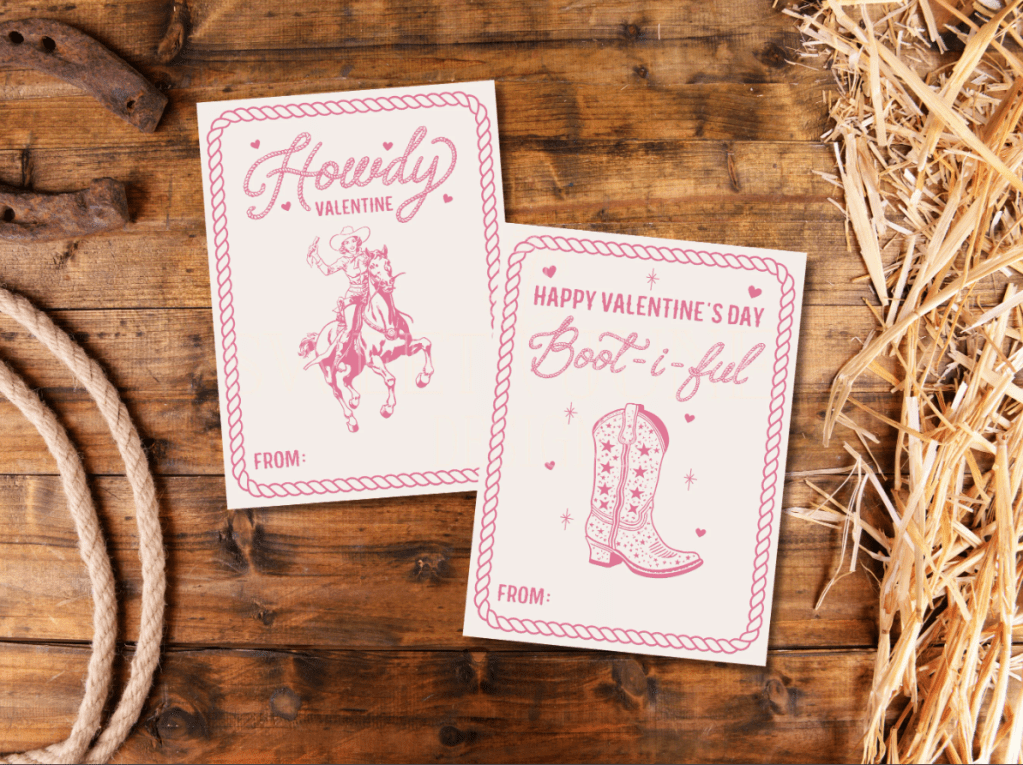
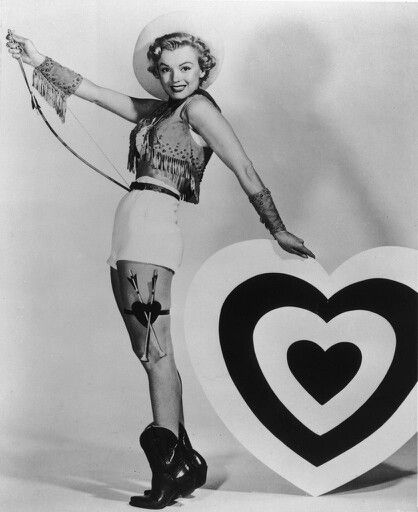
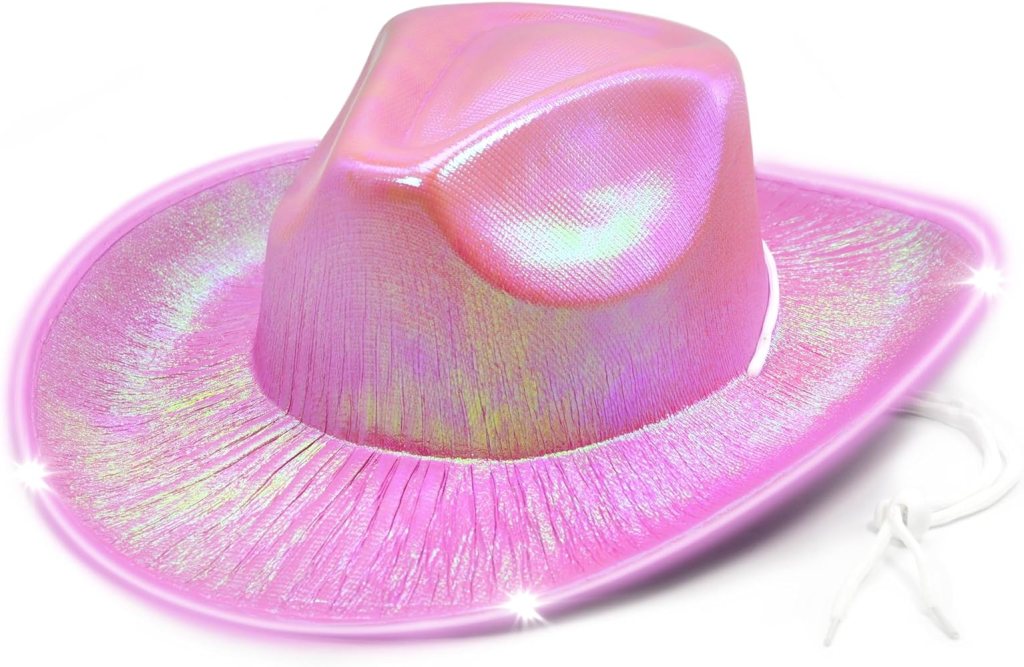
Valentine’s Day Cowgirl Aesthetic

The marketing aesthetic of the Cowgirl Valentine this year is one that embodies both feminine style, and a new, future forward idea around cowgirl style. As people tap into what their connection to “country” might be in this current historical moment (and in a much larger schematic now – whether that be from a Grammy award to a way of life), there is definitely room for the style to embolden girls and young women to be their own cowgirl valentine. The costume of the “Space Cowgirl” has long been one that is fascinating to me. It is the idea that girls can bring forth retro style with a futuristic idea of femininity where the past meets the future. It likely originated from the Sci-Fi film genre of the Space Western.

The Space Western film genre touches on tropes of how women are “out of this world” – which can be perceived in empowering ways – and there are elements throughout the Space Western that incorporates how women are perceived, unfortunately, in classically misogynist ways at times, and other times in forward-focused inclusionary ways. I think merging together the tropes of the Sci-Fi Space Western films, obvious examples such as Star Wars to more niche ones like the 1956 film Forbidden Planet, to include these feminist elements with the main characters is especially fascinating. I remember fondly watching the movie Zenon: Girl of the 21st Century in 1999. I know that film was an instant Disney Channel classic, yet it’s rarely mentioned in popular culture now. I hope the messaging of belonging and kindness as a global attitude for the 21st century is one that continues to be elevated. Ideally, in ways that are truly focused on embracing themes of women supporting women, and men being allies in supporting women and ensuring the holistic nature of this occurring.

While we know Valentine’s Day is a holiday geared specifically towards embracing our loved ones and appreciating them in individual ways, there is a broader marketing opportunity for positive and inspiring messaging in merchandise and marketing that will occur, which is undoubtedly a huge component of how we perceive what is “trending” during a particular year. This year, I hope the Cowgirl Valentine is one that makes us continue moving forward with values of women embracing their feminine style, whilst being mindful of a broader messaging that ties together themes with identifiers of country, past and present.

Happy Valentine’s Day!

The Aesthetic Sensibilities of Social Media’s Hyperfeminine Culture

“It’s a man’s world,” is a common phrase that rings true in different ways. According to social media, it is very much a woman’s world, and hyperfeminine style has become a type of expression and aesthetic sensibility that has built entire brands and brand collaborations (LoveShackFancy‘s Stanley cup collaboration immediately sold out this year), which has fueled entire industries… from the resurgence of vintage cake decorations to professional influencers who run businesses based off of the social media aesthetic they created (Hannah Dahl of The Dahl House is one example). At the core of this hyperfeminine approach to consumerism is an amalgamation of online subcultures which have evolved over the past few years. There is the the allegiance of the “Coquette” style – which can be a combination of Sofia Coppola’s Marie Antoinette and Netflix’s Bridgerton costumes and accessories. I have blogged about Coquette style and Bridgerton style in the past:

These historical styles naturally tie well with the ideals of the more modern “Y2K” fashion and lifestyle concepts that have also emerged throughout social media as we live in a modern, technologically driven world (the early 2000s styles perhaps best embodied by Paris Hilton and Kim Kardashian has gained a huge amount of traction), and then merging those fashions with the “Siren/Mermaid” femininity of “Mermaidcore” fashion brings together a large bandwidth of hyperfeminine aesthetics. If put into one sentence, the modern hyperfeminine aesthetic is if a mermaid film were to be created by Sofia Coppola and it were to be set in 1950’s Los Angeles. That might be the best description of converging together the aesthetic qualities that come together across fashion brands, celebrities, and consumers. Consumers are clever, they know what they like, and they also pick up on trends very quickly – this is easily said for many things, but it’s especially fascinating in the hyperfeminine aesthetic.

The Emi Jay Hair Accessories hairclip brand is also a social media phenomenon that has brought about a more feminine look to hairstyling. Social media star, Katerina Rozmajazl (former Miss Georgia USA), created her own fashion brand “Roz Avenue,” styled as a convergence of hyperfeminine looks that merges together Southern thriftiness with luxury and sophistication. She even designed the logo to have a hyperfeminine bow surrounding the words. Perhaps most idealized across all of the streams of social media’s styling, there is the emergence of LoveShackFancy as a leader of these styles brough to the mainstream market. Their new Pottery Barn collection is the perfect example of how bringing “girly style” to the mainstream market is a definite win.

The hyperfeminine style that has been evolving over time online is likely not going to stagnate anytime soon, and it’s likely not a market niche either. I do think there is something to be said about how soft style holds its own power. As Charles Eames powerfully said, “The details are not the details. They make the design.”

The Bowklahoma Bow by The Dahl House

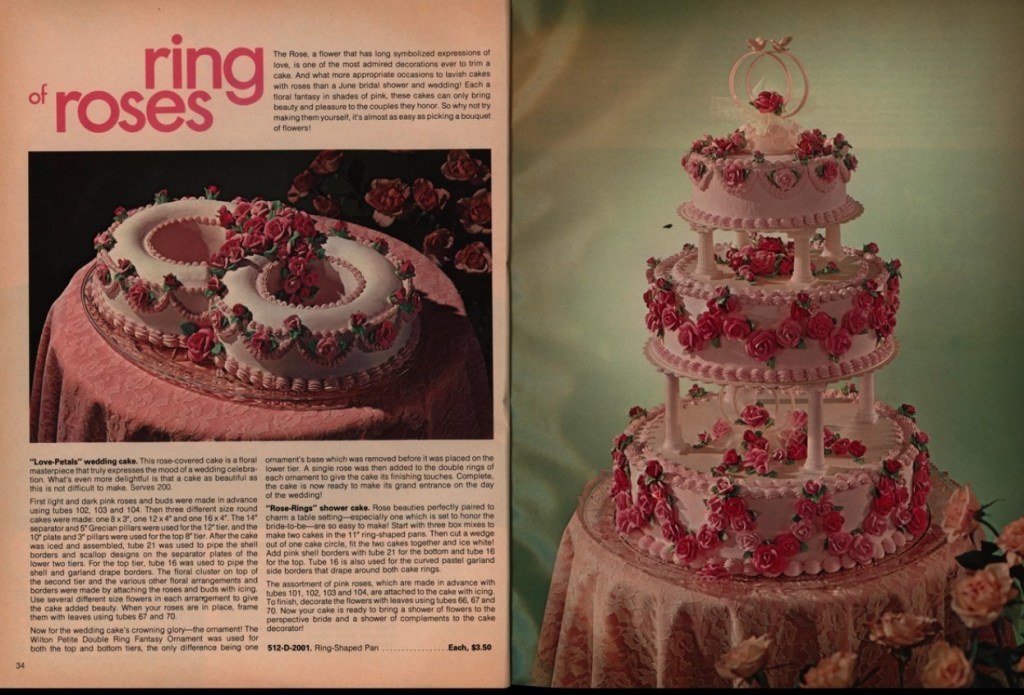
The Wilton 1974 Cake Decorating Yearbook loved roses

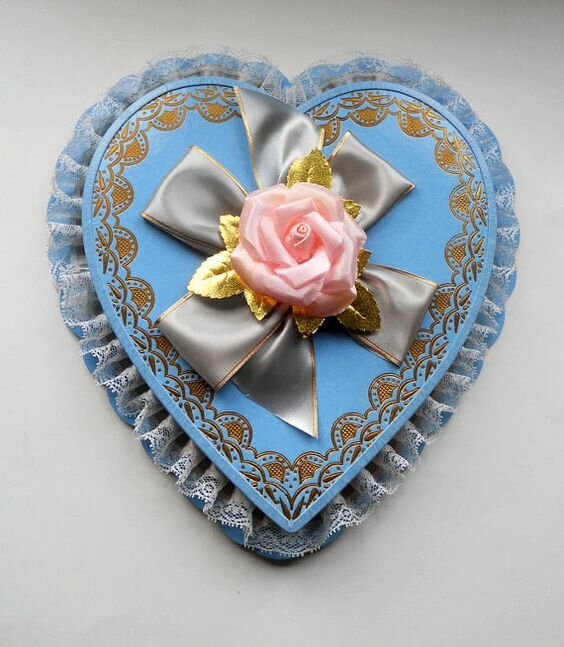
This is a cake shaped jewelry box created by Crafty Dessert, available on her online shop
Emi Jay hairclips
Robes by Roz Avenue

LoveShackFancy by Pottery Barn

The Westmores of Hollywood & Classic Beauty

The Westmore Family is a well known name, yet perhaps now overlooked in the current beauty industry narrative, yet this family was so integral in the shaping of our contemporary beauty standards that this family created what we know as the “makeup chair” in Hollywood. The Westmores are an esteemed family who led makeup departments of film studios, wrote numerous books and worked to have the makeup chair as a standard norm in Hollywood studios. The family would go on to advocate for there to be an Academy Award for Best Makeup and Hairstyling. The family’s name made an impact in Hollywood beginning with George Westmore, who created the first makeup department in 1917, where he freelanced through major film studios of the time. This experience also acquired a deep knowledge of how Hollywood studios operate, which would impact generations to come, with the achievement of a star on the Hollywood Walk of Fame for the family.

George would go on to have six sons in leading makeup department roles in Hollywood studios, out of his 19 children during his marriage to Ada Savage. I am fascinated by the idea that each of so many of his sons were passionate enough to pursue a burgeoning industry, which undoubtedly crafted our idea of glamour and classic beauty, which holds firm in its concepts today. The family also found success in the emerging field of classic horror films, such as Frankenstein (1931). When Bud Westmore led Universal Studios, he took over for the role of makeup for Frankenstein – a truly artistic endeavor to create such an impactful and iconic film monster. According to Wikipedia, by 1926, four of George’s sons, Monte, Perc, Ern (Perc’s twin), and Bud all became chief makeup artists of four different Hollywood studios. They each became the champions of beauty in Hollywood, and they formulated the ideas of how women should look on screen. Their passion and impact was truly for the betterment of Hollywood studios. Monte, the first makeup artist to use airbrush makeup, tragically passed away due to a heart attack because of the demands of working on the film production of Gone with the Wind (1939). Monte was the only makeup artist working on such an extensive and expansive film production. His work on that film was the first use of airbrushing of makeup. Remaining family members went on to build the House of Westmore Salon, which served both Hollywood stars and the public alike.

The Westmore family brought innovation to Hollywood. They enabled Hollywood studios to have an in-house makeup artist, but they also crafted a narrative for the public to also hold themselves to a personal standard of grooming, which is to say that when you feel your best, you look your best. This is something that stands true today and will remain a timeless concept!

I own one of their books on the topic of 1940s beauty and most of the ideas presented are focused on ensuring skincare that suits your skin type and the overall enhancement of natural beauty with specific tools that are geared to bringing out the best of the features that person has. I think that’s more inspiring than some of the beauty standards we are seeing today, which emphasize so much “change” in the features of someone, so much so that people have normalized the idea of plastic surgery. This is not healthy for the most part to believe that changing oneself is a good thing, and it’s important to remember that we are all unique for a reason! Social media has unfortunately created unrealistic beauty standards through photoshop and filters and have impacted an entire generation to not be comfortable with their own features now. Beauty should be about elevating your best features and not changing them. It’s important to remember that beauty does come from within and that the attitude and mindset one carries is also reflected in your style makeup!

The Westmore family was not only critical in its development of major film studio makeup departments, they also learned to collaborate. Ern Westmore, for example, went on to work closely with Max Factor, another well-known Hollywood name. Ern, for his part, worked on Bette Davis giving her a fuller more natural brow and focused on creating the classic lip line we know her to have.

In contemporary Hollywood, the family has continued to work on major productions, including films like Blade Runner in the 1980s, and perhaps most notably, for the Star Trek series. Ultimately, the passion and commitment to quality and understanding of character development and presentation in Hollywood is how the Westmore family has persisted for so many generations. Today, the brand lives on through Westmore Beauty with his great-great granddaughter’s commitment to timeless beauty sharing its commitment to 100+ years of innovation.

The scion of the Westmore Family, George Westmore

Sources:

Wikipedia

Westmores of Hollywood

Coquette Style and The Divine Feminine

In our complicated modern world, we see bursts of expressions in people which reflect what can be understood as the “divine feminine.” According to The Good Trade, “the divine feminine is the spiritual concept that there exists a feminine counterpart to the patriarchal and masculine worship structures that have long dominated organized religions.” For example, the most well known being the Virgin Mary in Roman Catholicism. However, the idea goes beyond religious iconography.

This concept of the divine feminine also inhabits a space outside of religion and explores the idea of how feminine representations show up throughout cultural discourse. The term “divine feminine” is not a mainstream term quite yet, but I think it is approaching mainstream now. The idea of the divine feminine is not necessarily holding a religious connotation, but it holds the ideas around how femininity appears in its many forms, and not solely represented in the female sex. The ideas surrounding femininity and spirituality have a multi-faceted way of being understood and are subject to opinion and transcend any boundaries of gender norms or heteronormativity.

Divine femininity is a good thing for civil society as it enables people to achieve a full expression of their sense of self. As such, the ideas which underpin divine femininity is an inherently inclusive structure that enables the embracement of feminine concepts in fashion and beauty as a way of expressing oneself in any context. This has widespread implications for our idea of how we “show up,” in society – for example, how dress codes are perceived as appropriate in certain work environments as one example. This also extends to how comfortable women feel in their own bodies as well. According to Women.com, the idea of coquette style is being “unapologetically feminine.” This is a great description around embracing femininity without qualms. Byrdie.com described the style as “reclaiming hyper-femininity.” Across the range of ways that one can express their own style, the coquette aesthetic is one which gives ample freedom to embrace womanhood.

To clarify the expression of the divine feminine and its appearance in popular culture, it is important to note the intersection of social media and fast fashion due to the popularity that hashtags signify for the fashion industry. Within that space, there is an opportunity to identify particular styles which then take on trend based representations of what might be a response to popular culture events happening at that time. For example, most recently “Barbiecore” for the release of last year’s hit movie, Barbie, or “Mermaidcore,” for the Disney The Little Mermaid‘s release last year as well. For the divine feminine, all of these trends can be understood within the broader umbrella of femininity. However, I think the emergence of the style “Coquette Core,” is likely the most clear embodiment of the divine feminine as an aesthetic sensibility.

In summary, embrace your rosy style. Embrace it.

For example, Coquette Style can be described as including such through fashion:

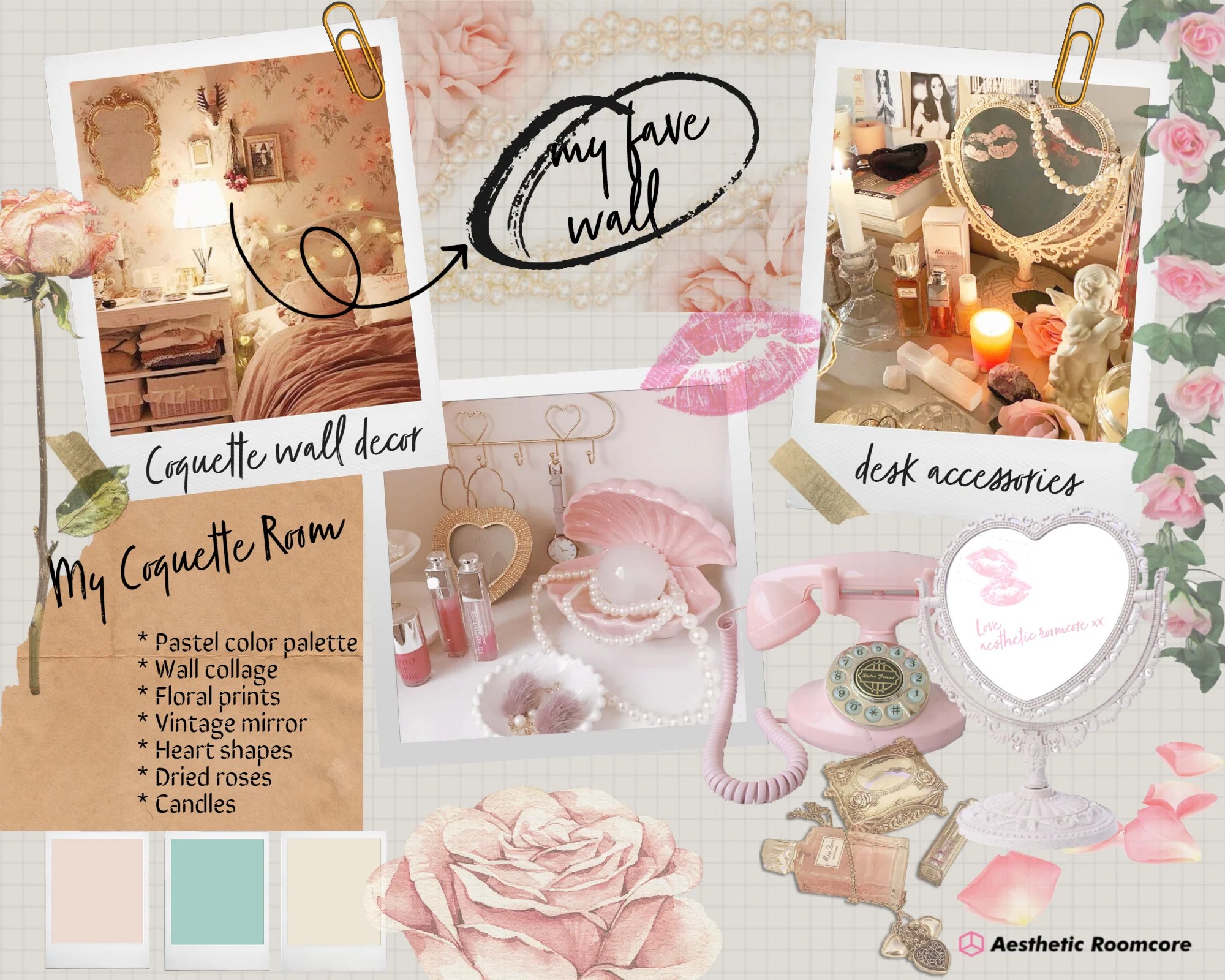
  • Pastel colors (especially light pink)
  • Lace
  • Bows
  • Victorian Era style
  • 1950s style
  • Balletcore aesthetic
  • Cottagecore aesthetic
  • Princesscore aesthetic

As described on Wikipedia, “This aesthetic has been characterized as both a way to relive and express creativity… and a way to fully escape into femininity without feeling guilty about it.” This is a particularly fascinating description, because so much about contemporary fashion and style elevates the idea that successful women can look more “manly” and therefore be equated with being more “respectable.” This is deeply untrue. I strongly believe that self expression takes on many forms, but I also believe that trends do impact us more than we may admit, so the reality that women may shy away from their feminine style is something not to be ignored. I fully embrace the idea that women can be both very feminine, successful, intellectual, and career driven without compromising the integrity of the other.

Stay rosy.

xoxo

Bianca