
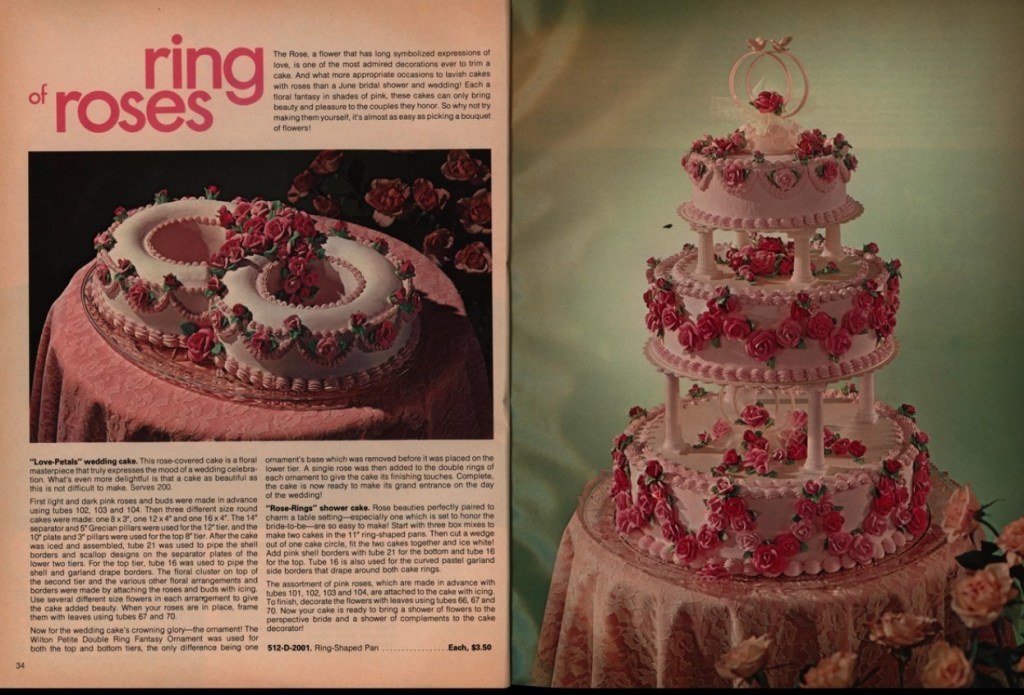
“It’s a man’s world,” is a common phrase that rings true in different ways. According to social media, it is very much a woman’s world, and hyperfeminine style has become a type of expression and aesthetic sensibility that has built entire brands and brand collaborations (LoveShackFancy‘s Stanley cup collaboration immediately sold out this year), which has fueled entire industries… from the resurgence of vintage cake decorations to professional influencers who run businesses based off of the social media aesthetic they created (Hannah Dahl of The Dahl House is one example). At the core of this hyperfeminine approach to consumerism is an amalgamation of online subcultures which have evolved over the past few years. There is the the allegiance of the “Coquette” style – which can be a combination of Sofia Coppola’s Marie Antoinette and Netflix’s Bridgerton costumes and accessories. I have blogged about Coquette style and Bridgerton style in the past:
These historical styles naturally tie well with the ideals of the more modern “Y2K” fashion and lifestyle concepts that have also emerged throughout social media as we live in a modern, technologically driven world (the early 2000s styles perhaps best embodied by Paris Hilton and Kim Kardashian has gained a huge amount of traction), and then merging those fashions with the “Siren/Mermaid” femininity of “Mermaidcore” fashion brings together a large bandwidth of hyperfeminine aesthetics. If put into one sentence, the modern hyperfeminine aesthetic is if a mermaid film were to be created by Sofia Coppola and it were to be set in 1950’s Los Angeles. That might be the best description of converging together the aesthetic qualities that come together across fashion brands, celebrities, and consumers. Consumers are clever, they know what they like, and they also pick up on trends very quickly – this is easily said for many things, but it’s especially fascinating in the hyperfeminine aesthetic.
The Emi Jay Hair Accessories hairclip brand is also a social media phenomenon that has brought about a more feminine look to hairstyling. Social media star, Katerina Rozmajazl (former Miss Georgia USA), created her own fashion brand “Roz Avenue,” styled as a convergence of hyperfeminine looks that merges together Southern thriftiness with luxury and sophistication. She even designed the logo to have a hyperfeminine bow surrounding the words. Perhaps most idealized across all of the streams of social media’s styling, there is the emergence of LoveShackFancy as a leader of these styles brough to the mainstream market. Their new Pottery Barn collection is the perfect example of how bringing “girly style” to the mainstream market is a definite win.
The hyperfeminine style that has been evolving over time online is likely not going to stagnate anytime soon, and it’s likely not a market niche either. I do think there is something to be said about how soft style holds its own power. As Charles Eames powerfully said, “The details are not the details. They make the design.”



 rosybvm.com