

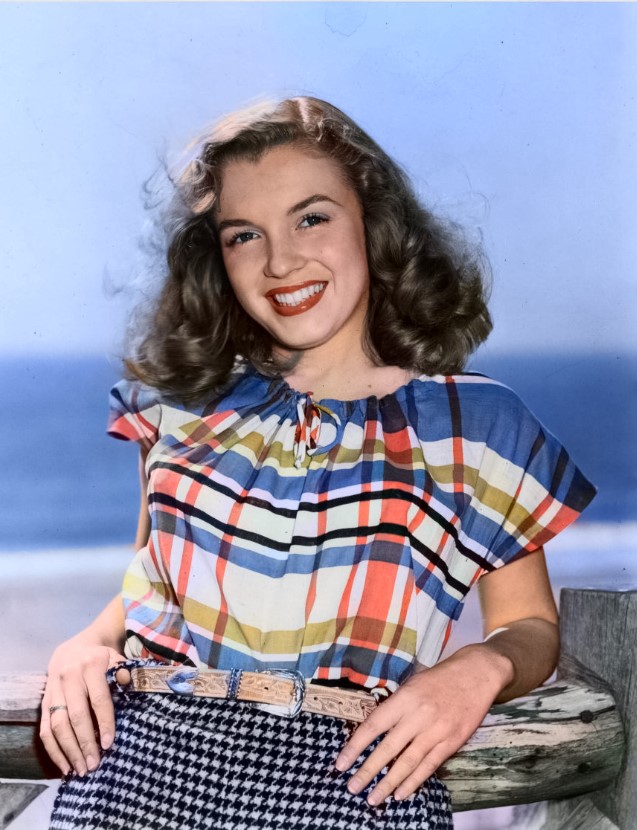
Born Norma Jeane Mortenson, baptized Norma Jeane Baker, and eventually marrying James “Jim” Dougherty, made Marilyn Monroe originally identify as Norma Jean Dougherty. The identity of “Norma Jean Dougherty” is who came right before the emergence of Marilyn Monroe, and likely who Marilyn always was contending with and perhaps grieving. She lost herself in Hollywood, in spite of her incredible talent and fame that would last until this day. Notice the notable dropping of “e” is how Marilyn preferred it spelled. Marilyn was a fabrication of the Hollywood studio system. On March 12, 1956, Norma Jean legally changed her name to Marilyn Monroe, though she began using the name in 1946, at the launch of her career. She essentially was assigned a name that would be marketable in the movies. Marilyn is truly a fabricated character, which Norma Jean played the role of throughout her life. It is as if she lived a completely performance art life, which cannot be good for the soul. Entire books can be written about the “mythology” of Marilyn Monroe’s life. Up until now, there are various viewpoints and understandings of every aspect of her life, from her upbringing and early life, to the eventual spiraling downfall of her career, marred by people with less than generous interests in her fame. Her husbands following Jim, did not live up to her hopes, I imagine. Monroe, who continues to be an icon of Hollywood glamour, and may actually be the face of Hollywood for all of time to come – was, undoubtedly, a creation of the Hollywood studios. There are unavoidable facts, such as her incredibly warm spirit and clear self awareness that she seemed to cultivate at a very young age, which were essential components of her success.
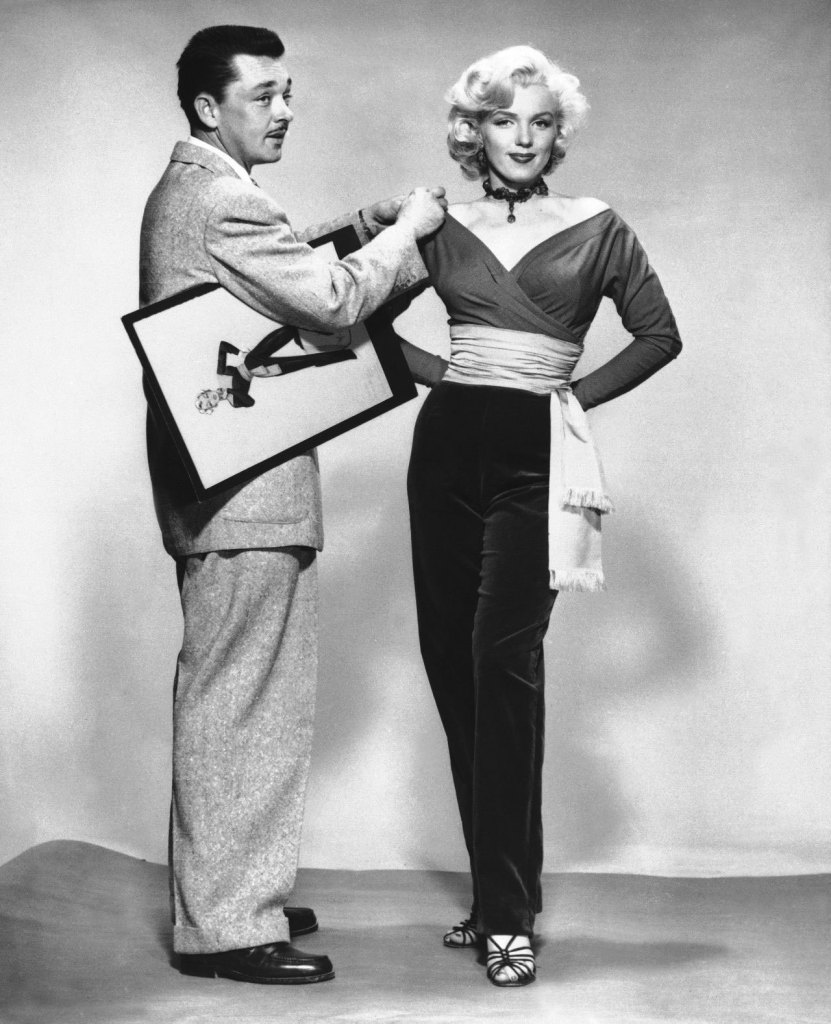
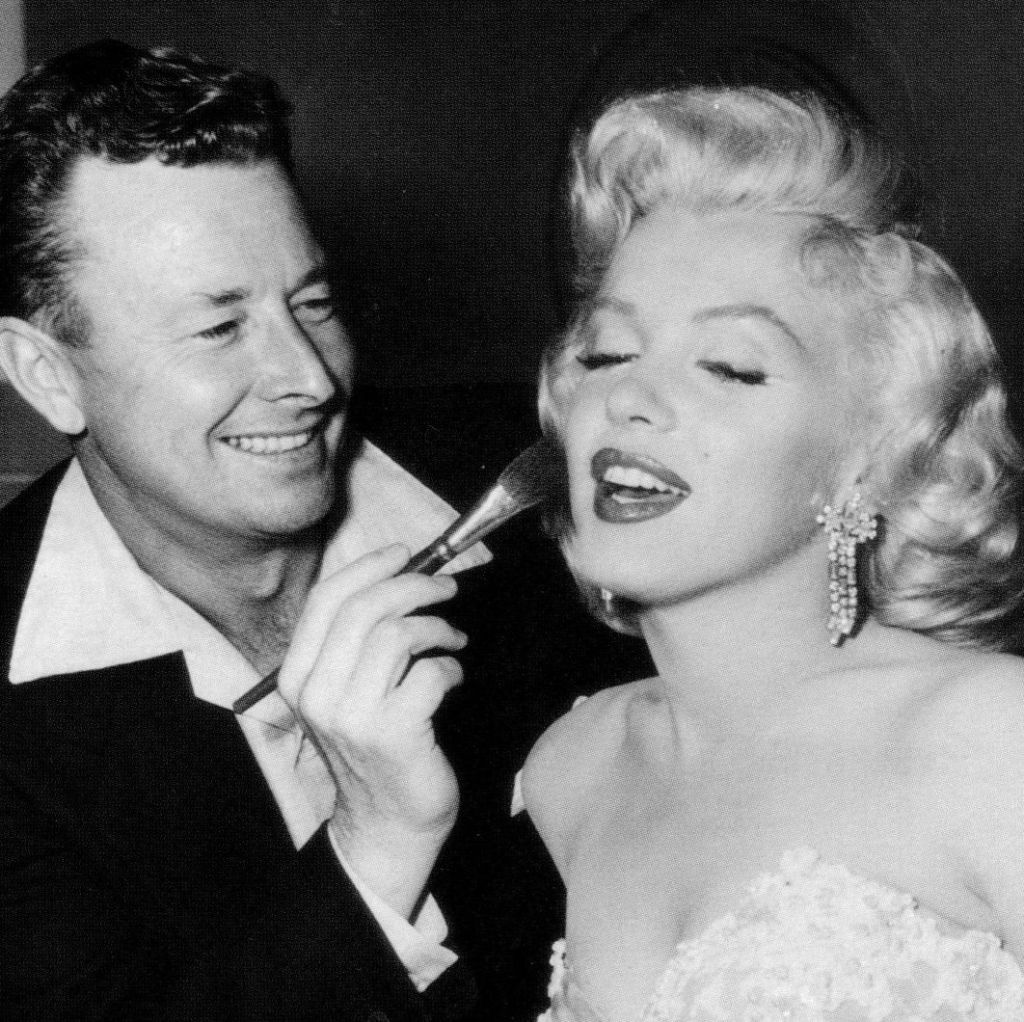
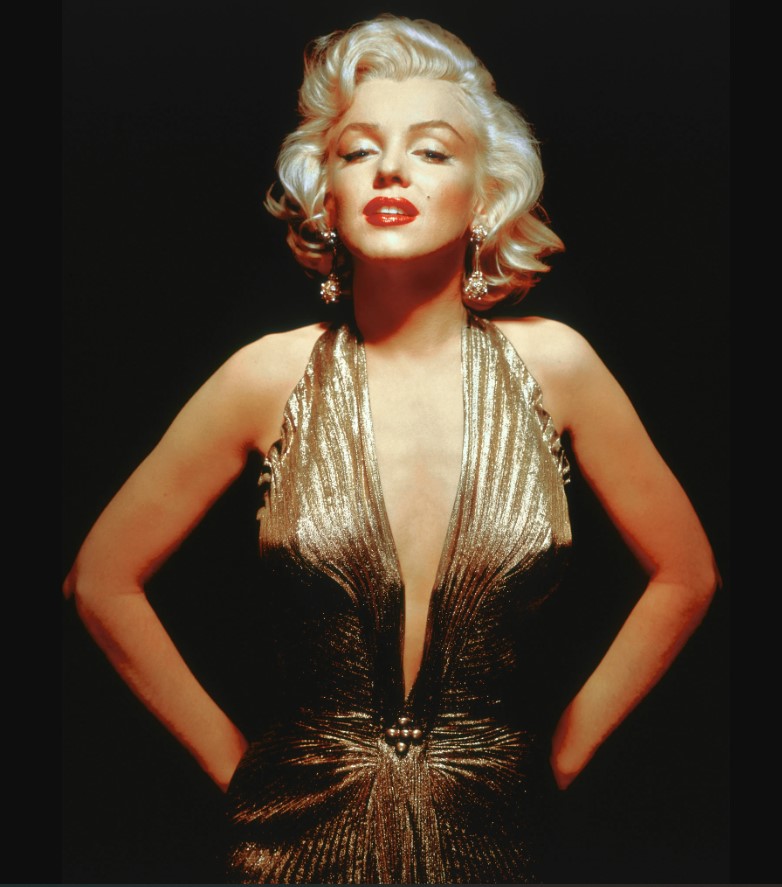
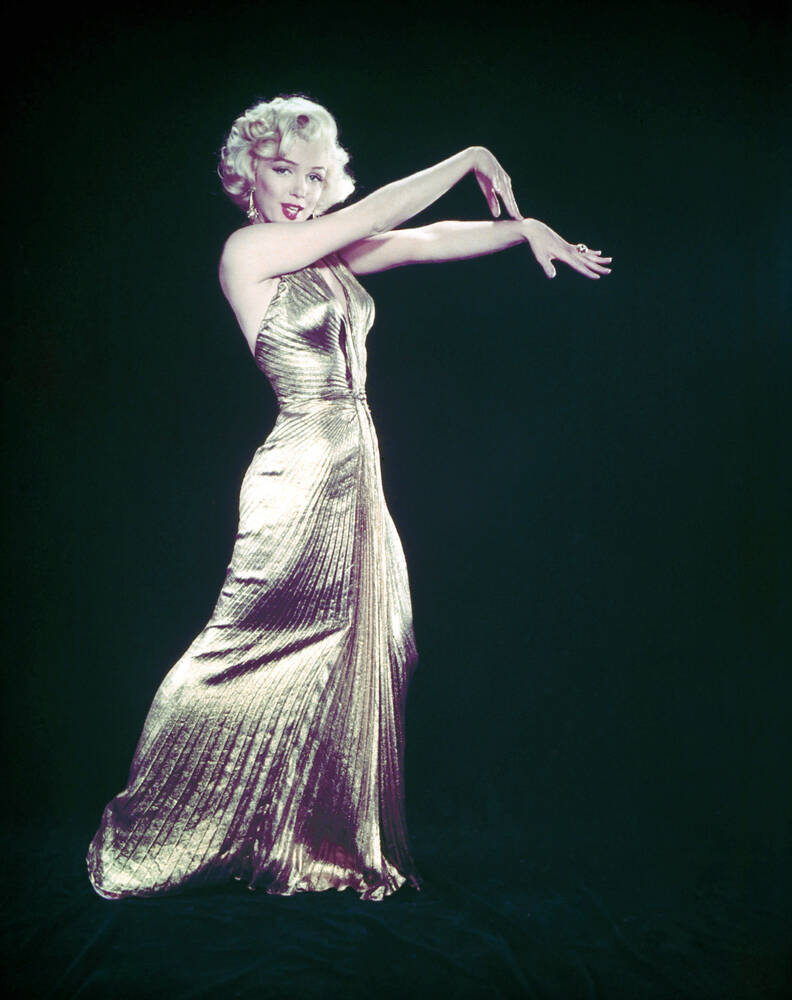
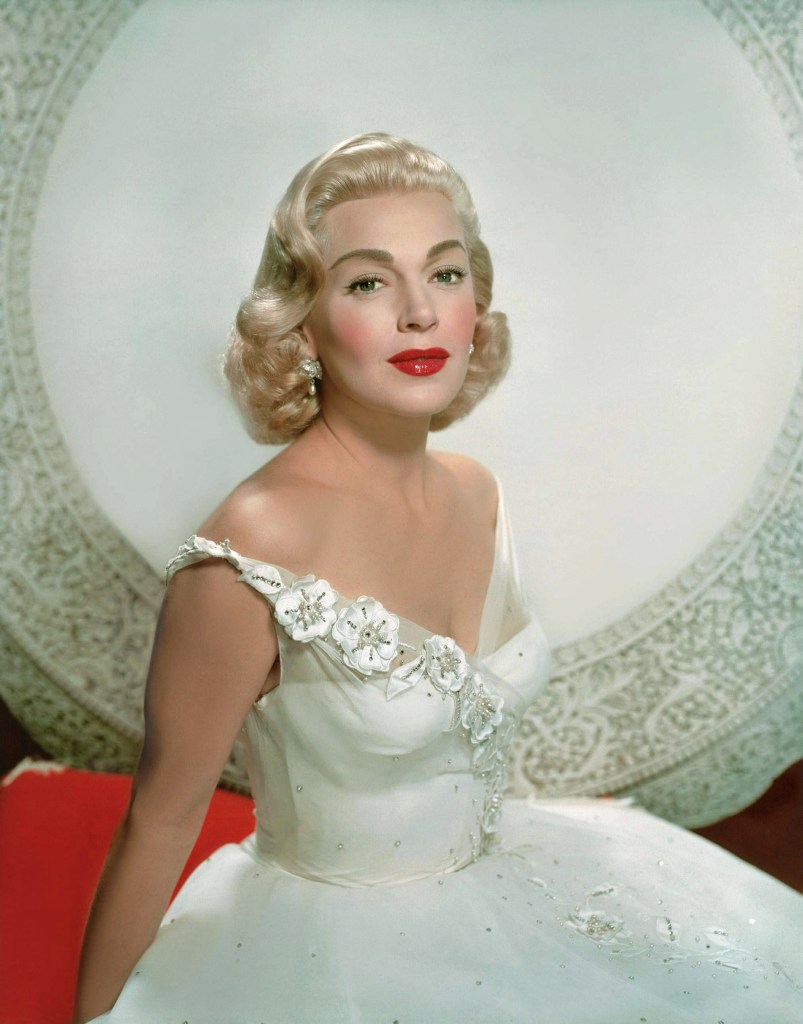
The creation and imagery that we all associate as Marilyn Monroe today, was designed and crafted by William Travilla and Allan Snyder. These two men, who are inextricably tied to this history of the image of Marilyn, are costume designer, William Travilla, and makeup artist, Allan “Whitey” Snyder, who both worked with Marilyn to closely craft the image that we quickly affiliate as Marilyn’s today. The broader discourse of her blonde hair and how she was framed out by Hollywood studios as a “dumb blonde” character is an entire story of itself, and for which I will not attempt to analyze here. In the scope of her Hollywood career, her blonde persona in Niagara is likely the peak of her acting abilities. Everything after could not reach the heights of the role of Rose Loomis, who ironically is a dark, calculating character. Perhaps Marilyn, and much deeper, the hurt Norma Jean, understood that the armor of glamour was all that she had left to wear against Hollywood. The hairstyles and hair shades of Marilyn Monroe evolved throughout her career, first starting as a lightened blonde at the encouragement of Emmeline Snively of the Blue Book Modeling Agency. She also trusted and believed in these people to help her become the actress she would be. Later, she would lose sight of her inner truth. However, the charm and beauty of Norma Jean Dougherty, before Hollywood touched her life, is a story of its own.
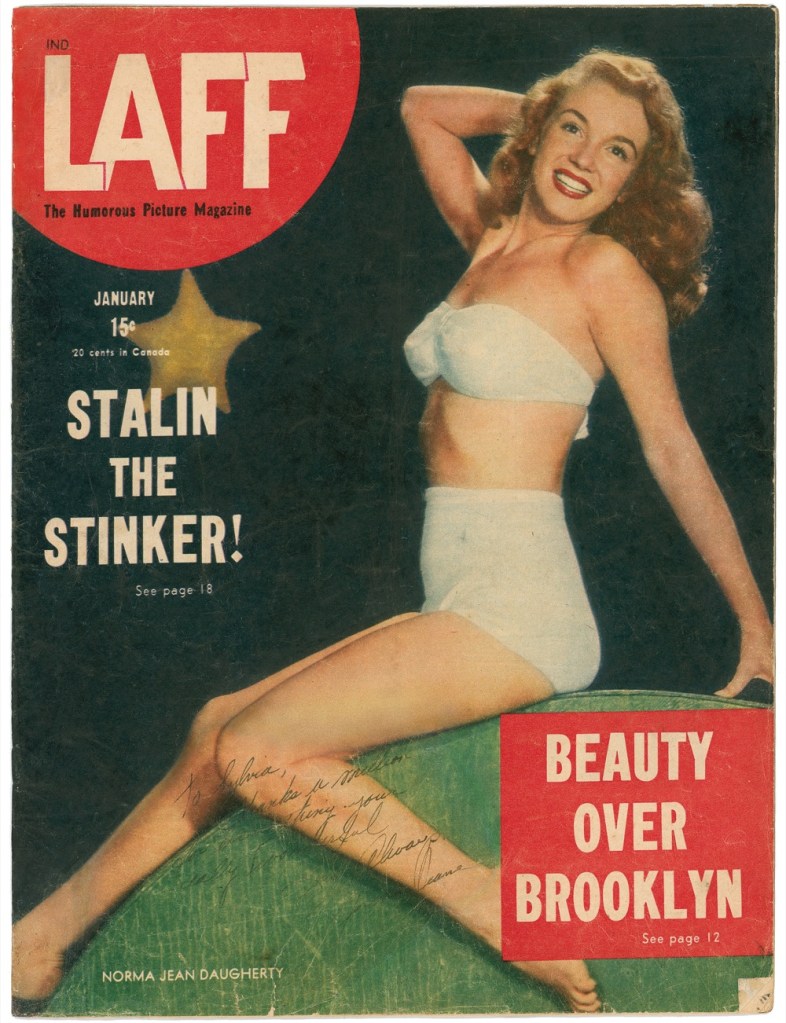

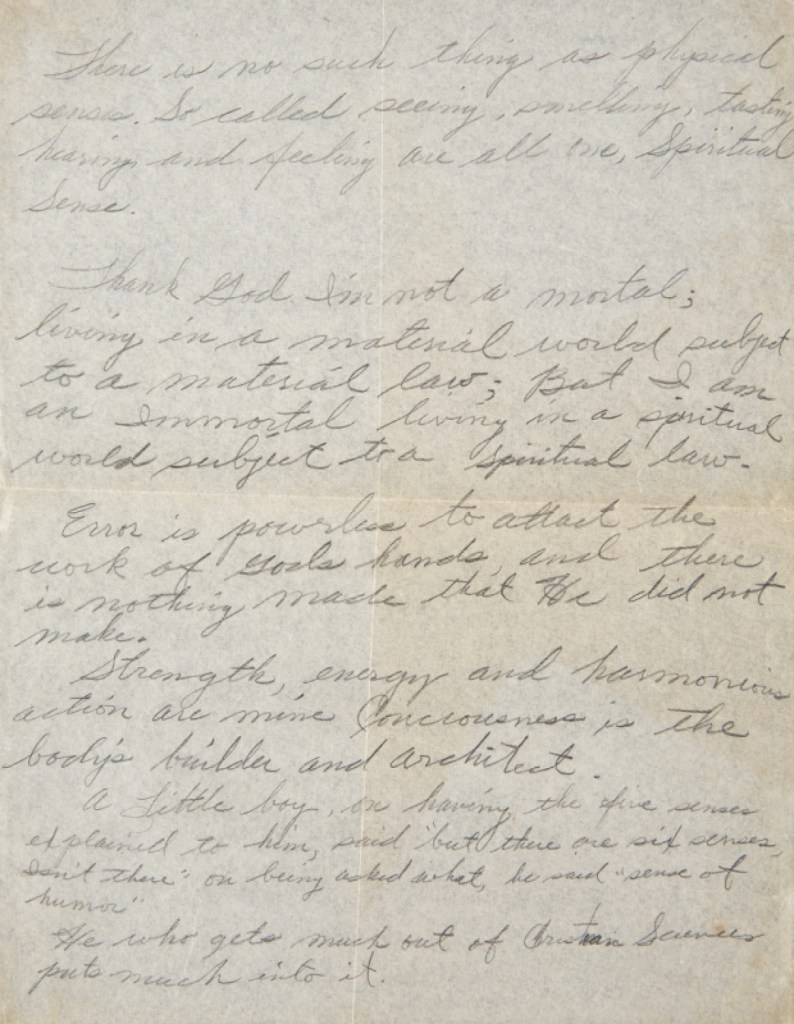
Personally, I hold true to the idea that the brunette Norma Jeane in post-war era of 1946 (right before her rapid rise to fame and she was still married to her first husband), the young woman who had big dreams, was someone who had great potential outside of Hollywood, and Hollywood with all of its ferocious lies and deceits, failed her miserably. The young woman who loved fishing in the great outdoors and playing with her dog, Muggsie, with her first husband, Jim, eventually could not protect her against the pull of Hollywood. I choose to believe in the story of the potential of who Norma Jean was – seeing her as a young woman with a hard childhood and, more importantly, a value set which originally saw the good in others, in a sincere and beautiful way. This was mostly instilled by her Christian upbringing, whilst staying in foster care with the deeply religious Bolender family, and then further into her belonging in the Christian Science denomination because of her Aunt Ana, the woman who played a heroic role in Norma Jean’s early life and who was also a devoted Christian Scientist. At Julien’s Auctions, a letter written by Norma Jean about her thoughts on Christian Science sold for more than $3,000. The letter states the following:
There is no such thing as physical senses. So called seeing, smelling, tasting, hearing, and feeling, are all me, Spiritual Sense. Thank God I am not a mortal; living in a material world, subject to a material law; but I am an immortal living in a spiritual world subject to a spiritual law. Error is powerless to attract the work of God’s hands and there is nothing made that He did not make. Strength, energy, and harmonious action are mine. Consciousness is the body’s builder and architect. A little boy, having the five senses explained to him, said, “but there are six senses aren’t there,” on being asked what, he said “sense of humor.” He who gets much out of Christian Science puts much into it.
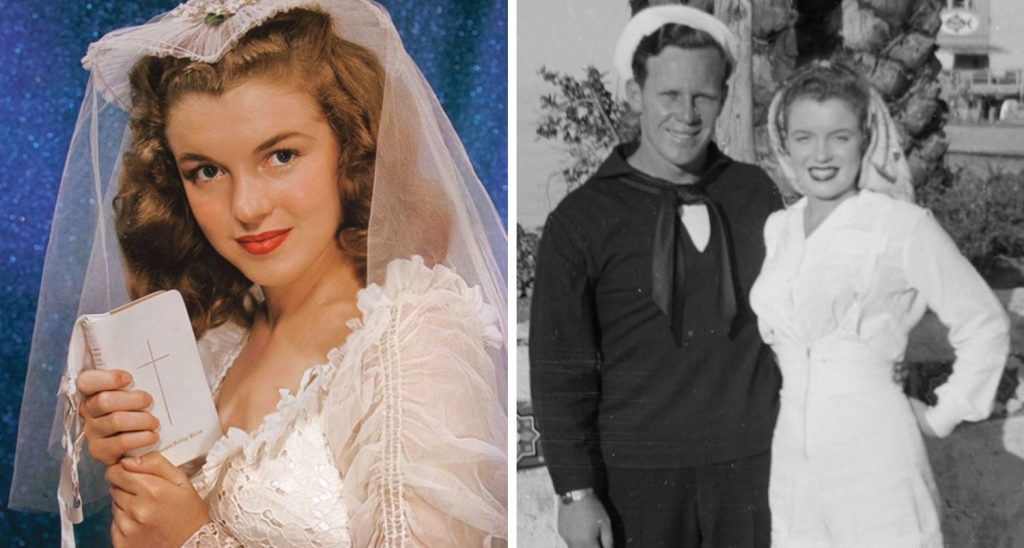
Norma Jeane in 1944
Most likely, and according to her first husband, James (Jim) Dougherty, Norma Jean would have stayed as Norma Jean had he not joined the Merchant Marine during WWII. Norma Jean loved wearing white and especially loved her dog, Muggsie, which Jim gave her. Muggsie eventually passed away of a broken heart when she left him behind with Jim’s family for Hollywood. With a zest for life and adventure (and both being far too young for the mature lives they led in an early marriage), Jim underestimated the impact leaving Norma Jean would have on her. She always looked up to the Hollywood stars, like anyone else. Being a Los Angeles native, she grew up watching Jean Harlow closely on the movie screens and it became rather ironic that her fame would surpass Harlow’s and Marilyn Monroe would be the “new Jean Harlow” by studio standards. In many regards, the success Marilyn achieved was not the success or happiness of Norma Jean, a young woman who clearly wanted to have a family with Jim. When that did not work out in the way she pictured it, she likely abandoned hope for that all together and was caught up in the idea that fame was her path forward, given how much attention men gave her in general. This was probably overwhelming at times and maybe pushed her in the wrong direction. Perhaps Norma Jean resolved the camera can’t hurt you, or so she thought.
Jim went on to have a successful career working many years as a police officer for the LAPD and trained the first SWAT team. He was notably a kind man by all who knew him, and he fell into police work by chance, because he was out of a job and working for a gas station after returning from the war, according to his book. Before he enlisted to join the war effort, he worked the night shift for Lockheed Martin. Norma Jean spent much of his allotment money while he was in military service on clothes for her burgeoning modeling career. She was seduced by a dream that was smoke and mirrors, in my opinion. While it was theoretically exciting to picture that the talented Norma Jean would put her talents to good work in Hollywood – she was ultimately grossly mistreated by the Hollywood studio system. To say mistreated is an understatement. She was robbed of her dignity and sense of autonomy in my opinion. The life Norma Jean could have led after her husband returned from the war is a much more energizing thought. Norma Jean, despite not having much formal education, was intelligent, and it is truly disappointing to see how marred things became for her. The enticement of the incredible fame and glamour she achieved coupled with a tragic early end to her life is clearly a cautionary tale.
Jim’s later association with “Marilyn Monroe” was complicated (he felt strongly he did not know who this woman was), and he did his best to respect his wives who he married later by never mentioning her or openly watching her films. His privacy would later be intruded because of her fame, too, which became burdensome in its own way to be the “first husband of Marilyn Monroe.” He states in his books how he never stopped loving Norma Jean and was not the one who asked for a divorce. He also went on to marry again and burned letters that she had sent him when he was on duty in the Pacific, he mentions there were 200 letters or more where she thematically discusses missing him everyday. He states in his book how he burned the letters to not allow himself to hold onto the ghost of that marriage while he was in another marriage, which he came to deeply regret, for obvious reasons. He was dispatched in the Merchant Marines when he received her notice of a divorce request. She had gone to Las Vegas for divorce papers, which was common at the time. She discussed with him how she wanted their relationship to continue, how much she still loved him, but that she could not enter the Hollywood studio system being married since contracts were not usually given to married women.
Jim went on to marry two more times, had a successful law enforcement career for much of his life, was a great fan of the outdoors, and passed away at age 84 in San Rafael, CA from complications of leukemia in 2005. The idea that Norma Jean could have continued leading a values based, self assured adult life is one that I choose to believe was lost. A Hollywood icon may have been created, but that took away the dream of who Norma Jean could have been. Soon, that ambition and zest for life would be gone from the eyes of Marilyn Monroe. In my opinion, this the lost feminist narrative of Marilyn Monroe’s life – who would Norma Jean truly wanted to have become had Hollywood not come along?
Sources: Fred Guiles book Norma Jean: The Life of Marilyn Monroe and Jim Dougherty’s book, The Secret Happiness of Marilyn Monroe.


 rosybvm.com