My Modern Marilyn Monroe Makeup


To quote Marilyn Monroe:

“Beauty and femininity are ageless and can’t be contrived, and glamour, although the manufacturers won’t like this, cannot be manufactured. Not real glamour; it’s based on femininity.”


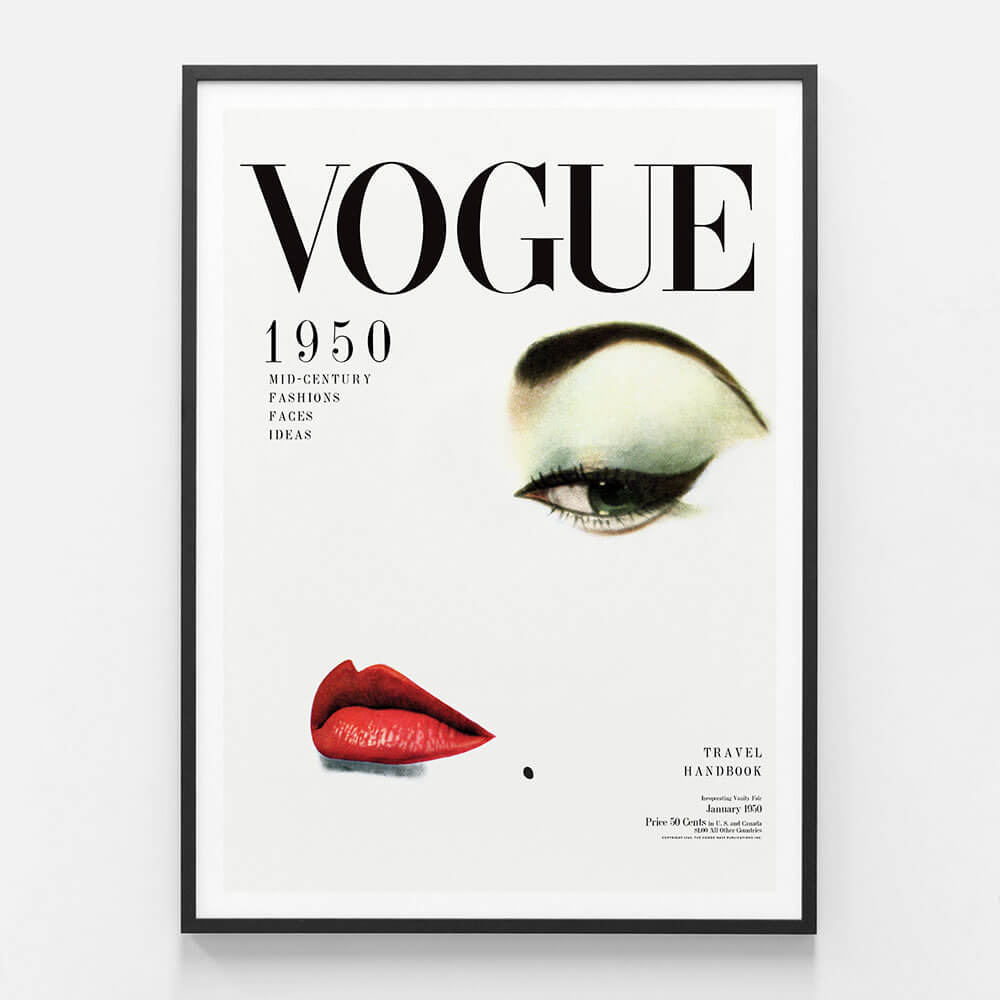
There may not be a more iconic image of beauty than Marilyn Monroe. Her makeup style is one that appears highly sophisticated in its aesthetic, yet it is more simple to achieve than most of the makeup routines that dominate the world today. Marilyn did not wear layers of different shades of foundation, she applied color to her face in strategic ways. For example, the offset of the creamy white eyeshadow she was known for was dramatically offset by her black winged eyeliner. Much of her makeup aesthetic was based in dramatic offset. The same goes for her signature red lip. The red shade offset her black eyeliner. The 1950’s makeup looks were informed by a Vogue magazine cover which came out in January 1950.

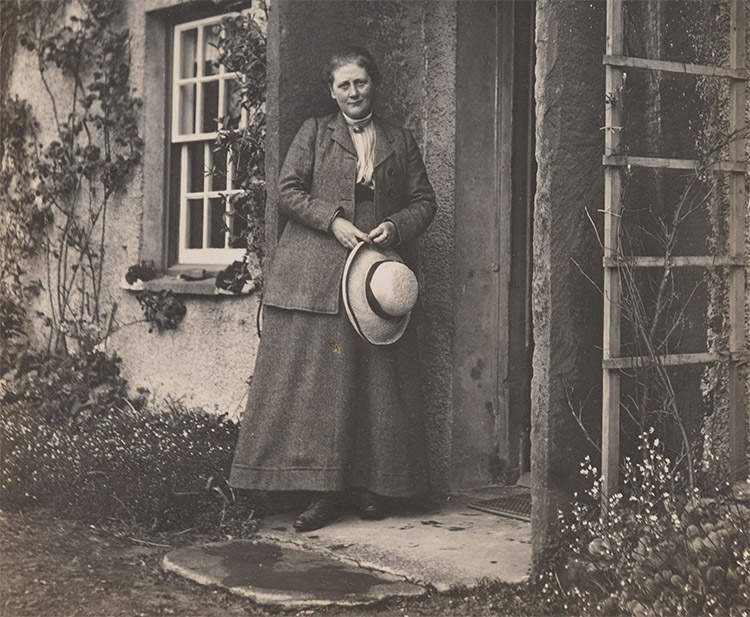
Nowadays, there are ways to achieve this glamorous look in subtler ways. For example, I am not wearing heavy winged eyeliner. I prefer not to combine bright red lipstick and classic winged liner often. The makeup and style you have exists within a context. Achieving your most glamorous, confident look is realizing how you can style yourself best within the context you are in. There are three essential parts to the routine that helped me achieve the look I have done in the image above.

  • Skincare and the right concealer – the lighter your base is, the better. The skincare aesthetic you are working to achieve is a natural, clean shine. Marilyn was known for using Erno Laszlo’s skincare regimen which you can read about it here, Nivea creme, Pond’s cold cream, and Vaseline. She used Vaseline on her cheeks and on top of her eyeshadow sometimes to add additional shine. In the film studio, she also was known for wearing Vaseline under her foundation for adding moisture to her foundation look. This might be a bit too intense for everyday depending on your skin type, so I think opting for a subtle shine on cheeks or eyelids is a great option! Wearing Vaseline to highlight features is essentially the 1950’s version of a sparkly highlighter which I think is a very smart to wear today
  • Finding a light brown eyeshadow to use in the crease of your eyelid for contouring the eyelid and adding dimension to your eyes. Marilyn was known for her dramatic eyeliner which I am not wearing here, but she did have the eyeliner applied over a cream or white eyeshadow base and a light brown eyeshadow or bronzer to contour the eyelid crease. I think the dramatic eyeliner is optional
  • Finding the right shade of red lipstick to compliment your skin tone and applying it well. Finding the right shade of “Parisian red” for you and applying red lipstick can be an art. The texture of the lipstick formula is important, too. I generally prefer creme textured lipsticks compared to matte lipsticks. The creme texture keeps your lips moisturized and maintains natural shine without having lip gloss on over it. Though, Marilyn was known for using lip gloss over her lipstick as well. One of my favorites is an authentic reproduction of the red that Marilyn wore by Besame Cosmetics. Besame Cosmetics is one of my favorite makeup brands.

Whether you are dressing up for a night out or dressing for the day you have ahead of you, you can style yourself glamorously. As Marilyn said, glamour cannot be manufactured.
The Tale of Peter Rabbit: An Emblem of Easter

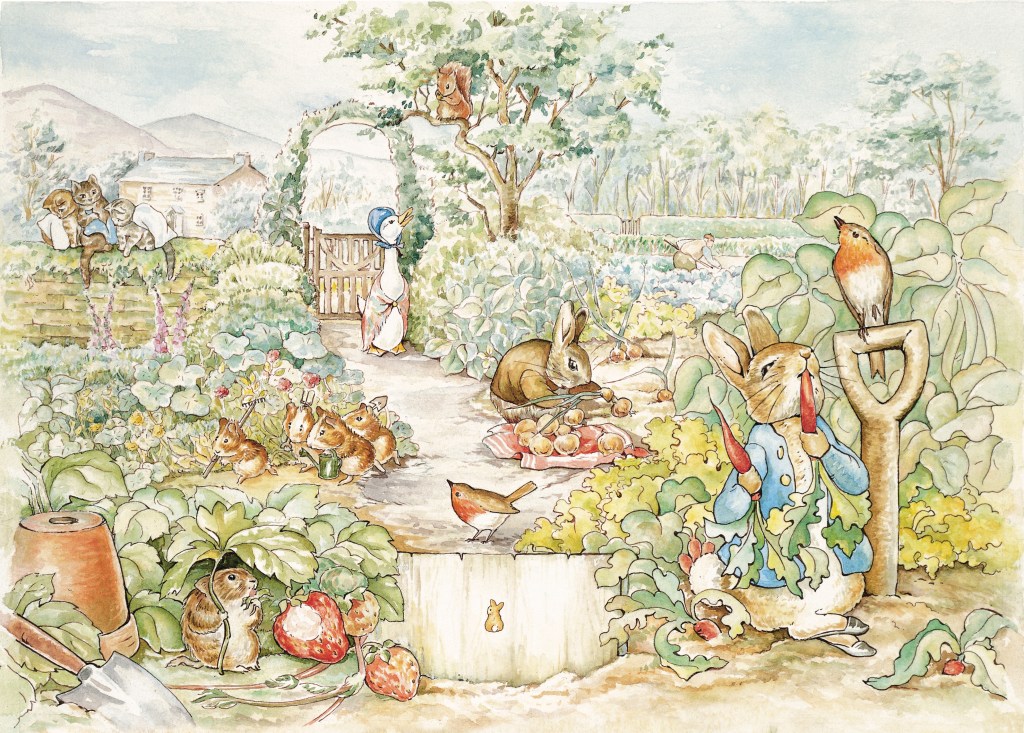
The Easter Bunny is a symbol of Spring, a symbol of new life and rejuvenation of spirit. For Easter tidings, it’s of particular significance to focus on rejuvenated spirit because Christ’s renewed life by his crucifixion is the central idea of the Christian faith. I think Peter Rabbit is a lovely depiction of the “Easter Bunny” and is symbolic of the season. Peter Rabbit’s story is fascinating. Beatrix Potter was an English writer, illustrator, natural scientist and conservationist who lived during the Victorian era. She had numerous pets and loved flora and fauna. Beatrix Potter was an example of the good that it does to a person when they are closer to nature. The landscape that she enjoyed was in Scotland and the Lake District in England. She was born in London in 1866 and was avidly interested in all sciences except astronomy. One could perhaps assume that she felt a particular affinity for being “of the earth.”

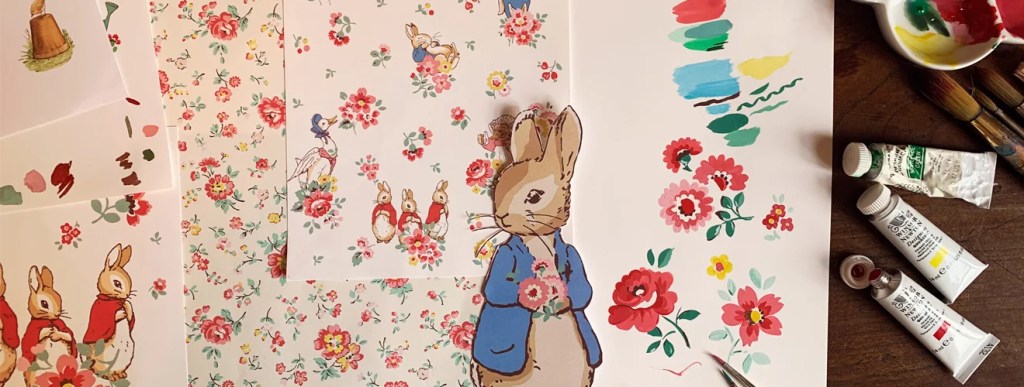
Potter wrote The Tale of Peter Rabbit in 1902. It is a quintessentially Victorian book, and its appeal has lasted through the decades. Peter Rabbit is a mischievous and disobedient rabbit who gets chased around the garden by Mr. McGregor, a horticulturist who is trying to keep rabbits out of his vegetable garden. The character has been used in toys, dishes, clothing etc., because Beatrix Potter patented a Peter Rabbit doll and board game in 1903. The characters are Peter Rabbit, Flopsy, Mopsy, Cotton-Tail, and Mr. McGregor. They are a family of rabbits with different personalities… it’s all very adorable.

Walt Disney had attempted to turn the tale of Peter Rabbit into a Disney film, but Beatrix Potter refused. Disney had likely seen a correlation between the charm of the woodland creatures in his wildly successful adaptation of Snow White and the Seven Dwarfs (1937). In any event, Bambi was likely the successor of a woodland creature story, which was released in 1942. Numerous films have been made about Peter Rabbit, though. He may not have become a Disney icon, but interestingly, has maintained a type of icon status in his own right!

I am most intrigued about how Beatrix wrote a tale about rabbits which humanized an animal to some degree. I believe Beatrix meant this to be charming, memorable, and teaches early on how we are part of nature just as much as our fellow animals are. Having an appreciation for nature and respecting the earth early on is essential. Now, when climate change threatens our fundamental conception of survival, it may be more than fitting to re-introduce Peter Rabbit. From being a friendly reminder of the joys of nature, to a symbol of the Easter season… take a leap down the rabbit role this Easter and appreciate Peter Rabbit’s tales for all of its charms and seasonal joys.

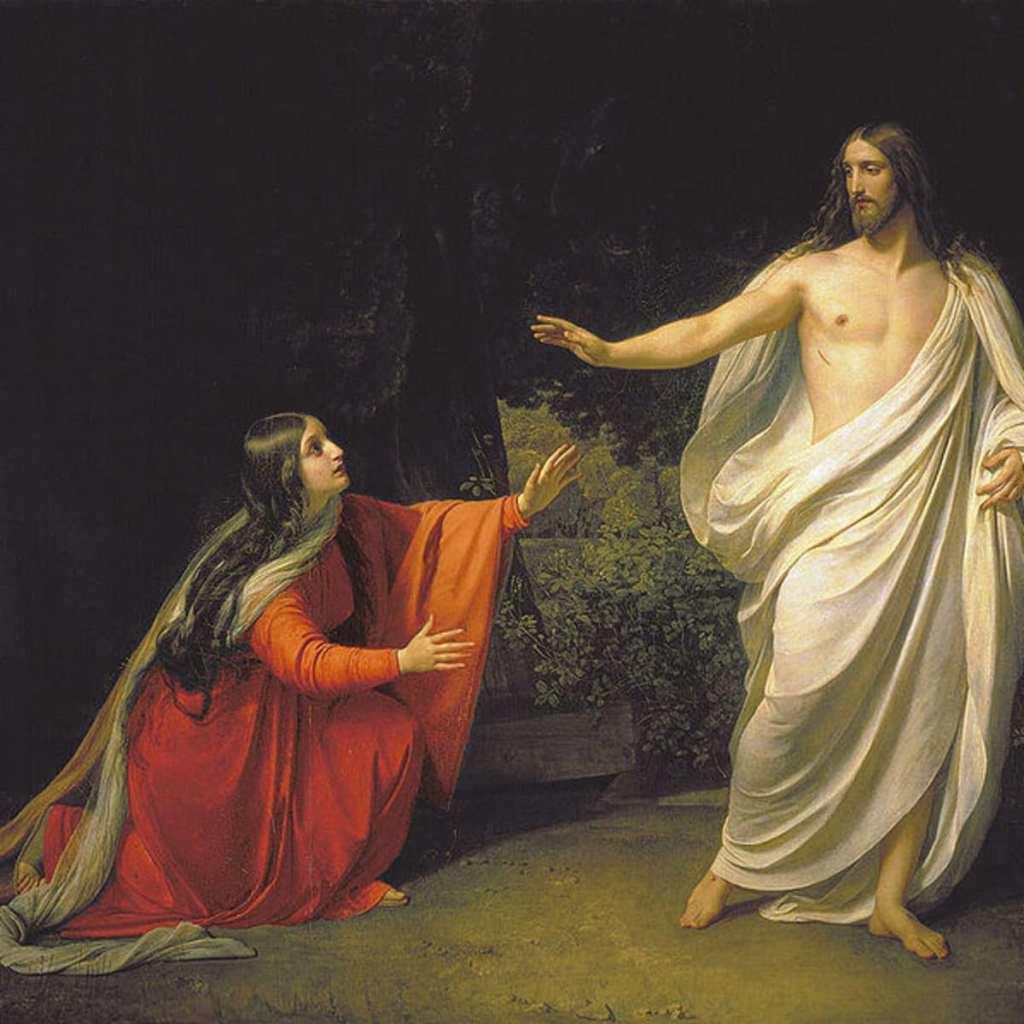
Mary Magdalene: An Example of Easter Devotion

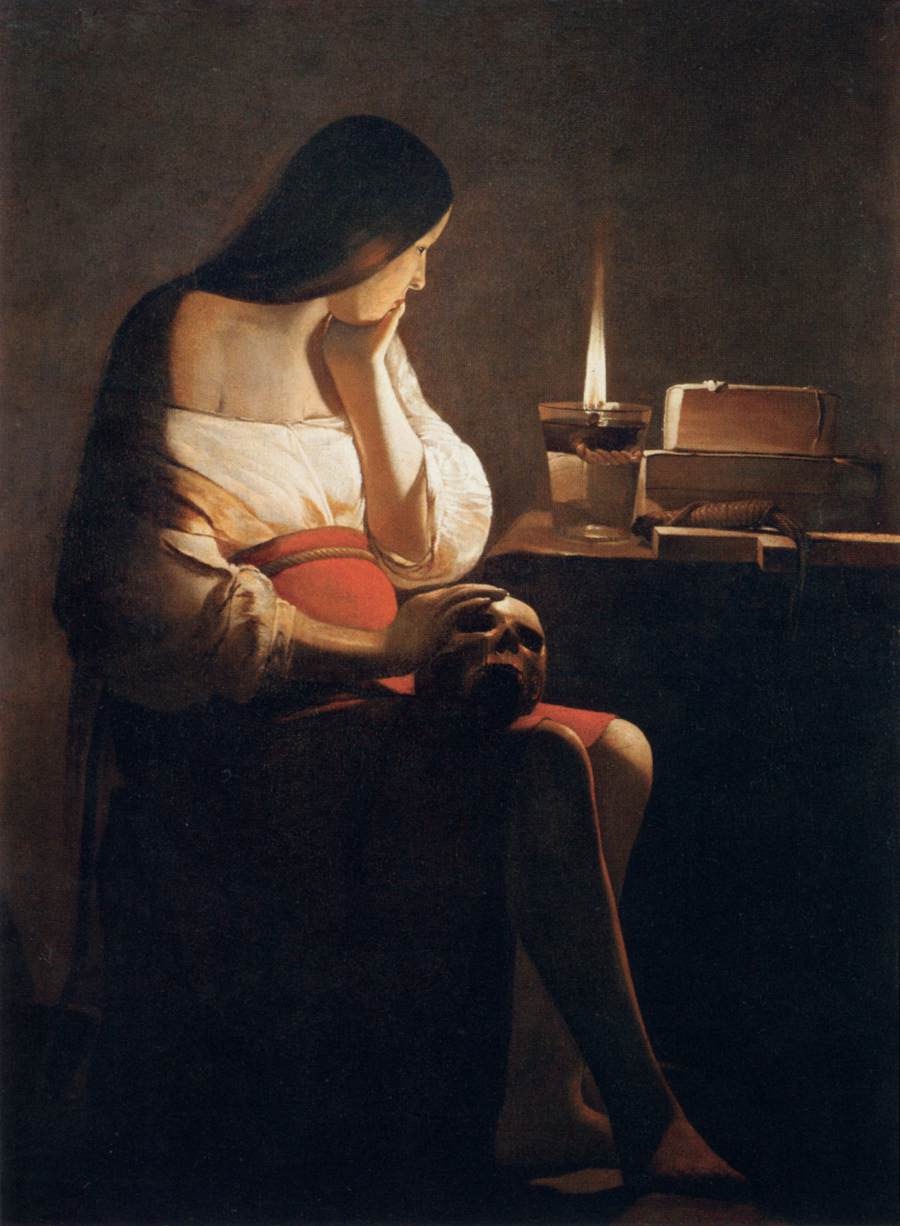
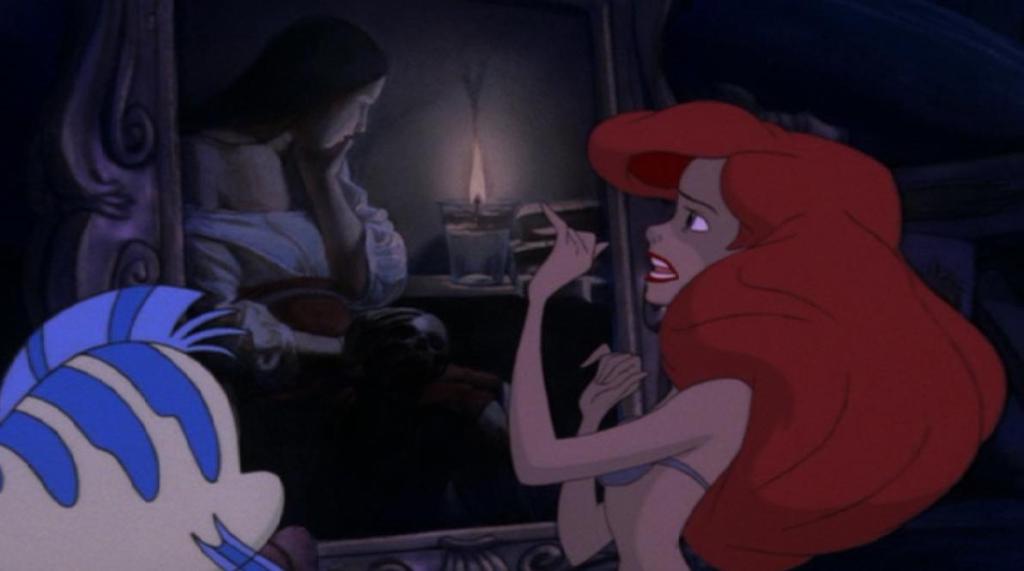
Mary Magdalene represents a devotion to Christ which is deeply inspiring and represents the Easter season to me. She has been depicted in art throughout the centuries. In 1640, she was painted by Georges de la Tour, a Catholic Baroque painter, his piece part of a series depicting her. The most famous painting of the series is entitled “Magdalene with the Smoking Flame.” Today, the painting is housed at the Louvre. In 1989, Disney’s The Little Mermaid included the painting in Ariel’s grotto.

The glimpse of the painting in the film is likely intended to represent a devotion to becoming human (which Ariel’s grotto is a religious temple of sorts to becoming human), a congruent allegory to Mary Magdalene’s deep devotion to Christ. The devotion Ariel has to the spiritual transformation of becoming human is similar to the transfiguration of Christ.

According to the Musée du Louvre, “During the 17th century, great devotion was shown to Mary Magdalene in all Catholic countries. She was the perfect lover of Christ, her beauty was made more appealing because of her repentance, which had a special attraction for a period so passionately interested in problems of mysticism, quietism and asceticism. The theme of the repentance of sinners and trials sent by God is illustrated in subjects such as the Repentance of St. Peter, Mary Magdalene, and Job. The number of written works give evidence to the cult of Magdalene and this cult became widespread since Provence contained two great sanctuaries dedicated to her: the grotto of La Sainte-Baume, and the Saintes-Maries-de-la-Mer.”

Mary Magdalene represents the spiritual devotion that I seek this Easter.