Villa Rosa & Villa Virginia, Positano

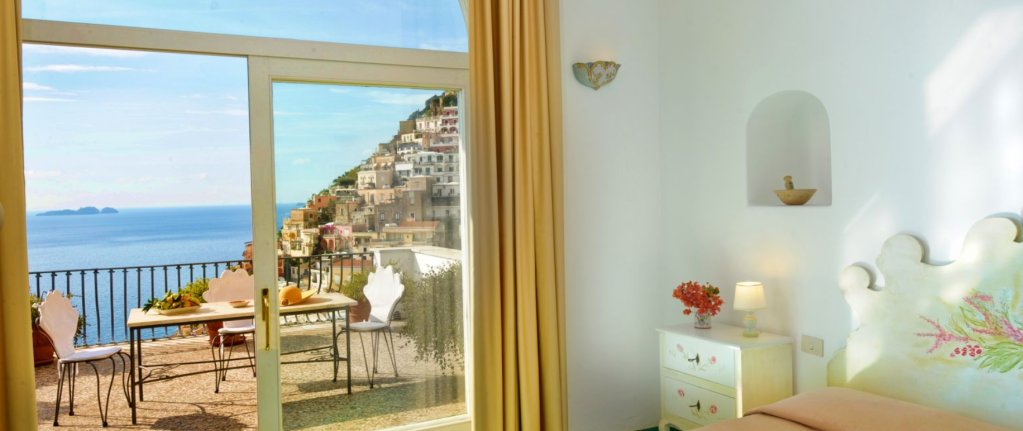
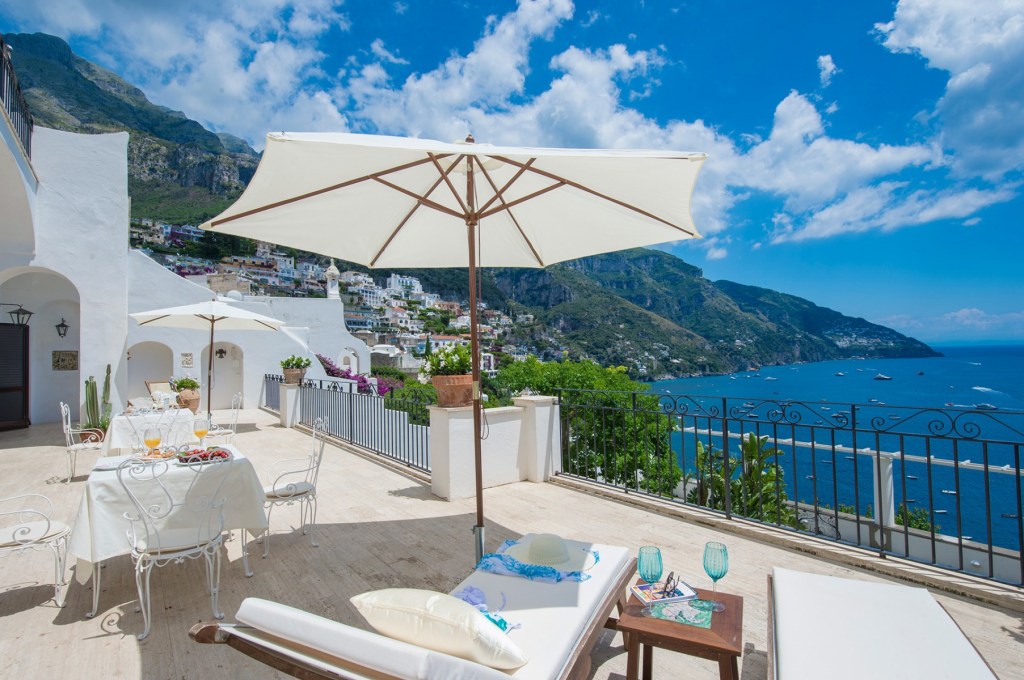
Every so often we hear of or see places that we know are just incredibly special. For myself (and like many others), I think Italy is a very special place. Because of the Amalfi Coast’s tourism popularity, there are definitely “hidden gems” among the places that you can choose to visit. Positano is one of the most visited tourist destinations in Italy. When you go, you can certainly find hidden gems to enjoy it to the fullest and make the most of your stay. The Villa Rosa and Villa Virginia in Positano are two of those hidden-in-the-sea-cliffs gems. The views are breathtaking and these properties are at the heart of Positano.
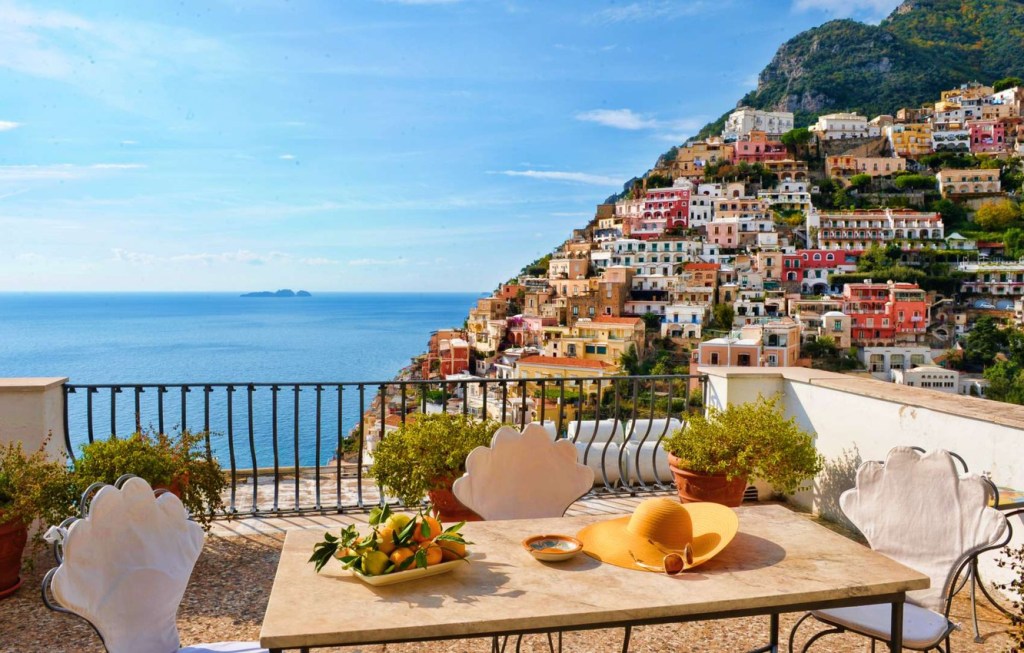

Both properties provide stunning views of the Amalfi Coast. In my personal opinion, they are the ultimate views of Positano, the true “postcard” view. If you are planning a glamorous getaway or even a wedding, both of these destinations are ready to serve you. There truly may not be many places on the planet that are as stunning as these two properties, and that is saying a lot. While the hype of Positano’s popularity is real, these destinations are the true gems of the Amalfi Coast, combining the stunning seaside imagery and true Italian charm. As the world starts to re-open more broadly and it is becoming more normal again and you may be thinking about planning some summer travels, consider giving Italy some extra love… XOXO

Esther Howland: The Origins of American Valentine’s Day Cards

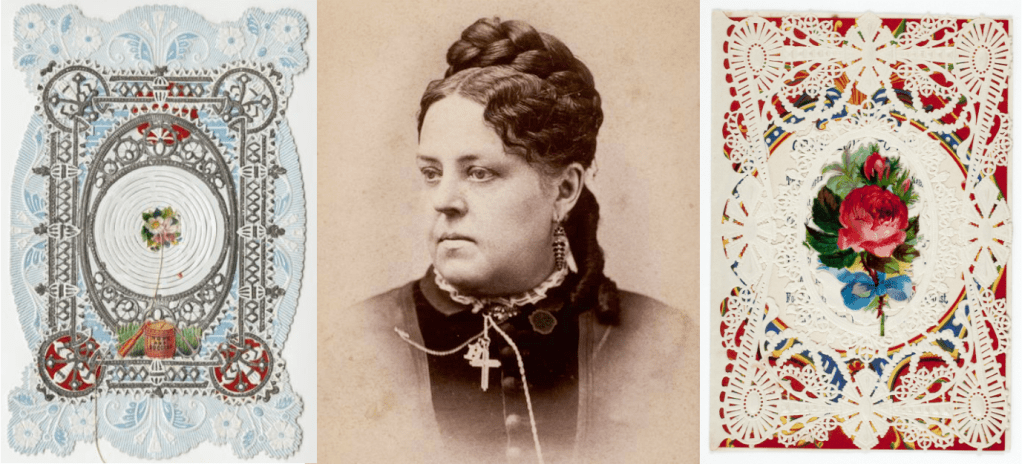
Esther Howland is considered the “Mother of the American Valentine.” Her company, started at the ripe age of 19, was conceived when she “received a fancy English valentine from an admirer in 1847, and she was inspired to start the first American valentine company. She hired friends to help make the valentines around her parents’ dining room table. Esther designed the cards… Soon, Esther’s New England Valentine Company was making thousands of dollars a year.” (Samantha’s Friendship Fun, 2002). Born in Worcester, Massachusetts and daughter of Esther Howland Allen, author of The New England Economical Housekeeper, a cookbook including original recipes of New England clam chowder, salt cod, and Boston pudding. Her mother adopted a famous phrase from Thomas Jefferson, “Never buy what you do not want because it is cheap.” This philosophy of living likely inspired Esther Howland to focus on what was truly special to her, which was designing beautiful Valentine’s Day cards.

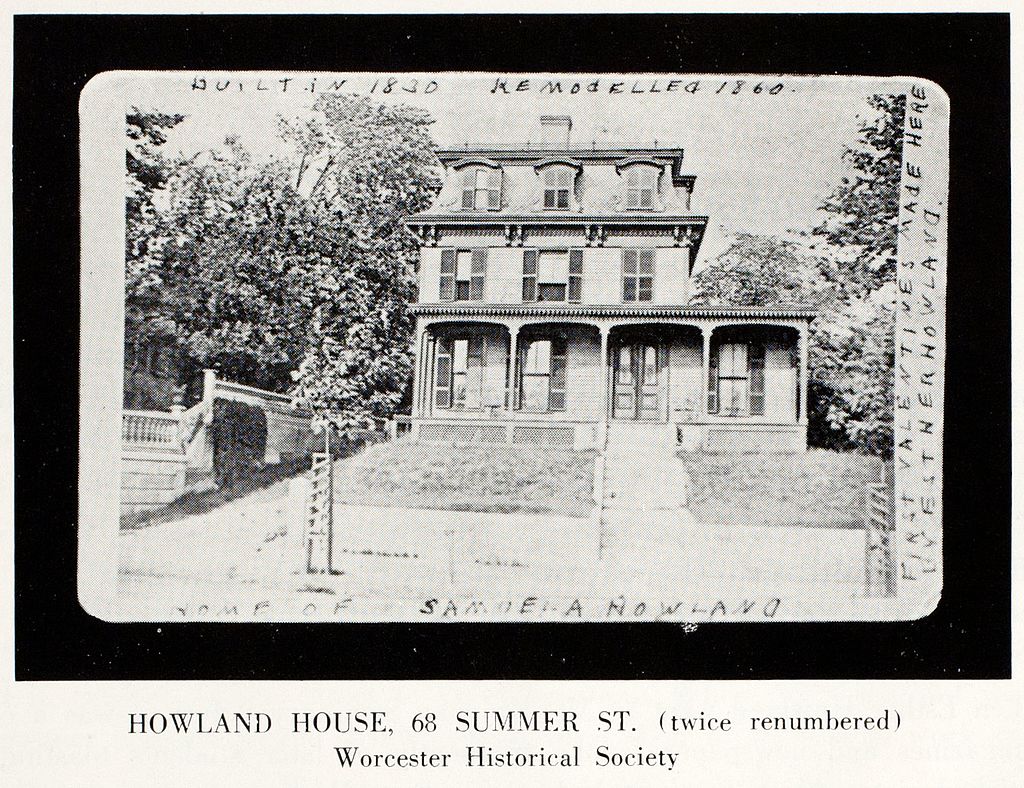
The house that Esther lived at in Worcester, MA.

Since Valentine’s Day cards were not considered affordable to Americans yet, Esther was determined to create economical and beautiful designs to democratize access to Valentines! This was a highly innovative concept for the time and Esther’s commitment and passion to seeing her company thrive has made her the “mother” of American valentines. She made a dozen samples of her cards and her brother, who was a salesman, took them with him on his sales trip. Expecting $200 in orders, she received $5,000 in orders. She knew this would be a success. A guest bedroom in her family home was used for the operations and she hired women where she spread the work to be “light and pleasant,” as all of the cards were handmade. She was the first to create the commercialization process for Valentine’s Day cards. She imported materials for her cards from Germany and she also thought of using silk and embossing cards. Eventually, she sparked competition! The original New England Valentine Company is America’s first ever valentine’s card producer. Thank you, Esther!

A Literary Legend: Zora Neale Hurston

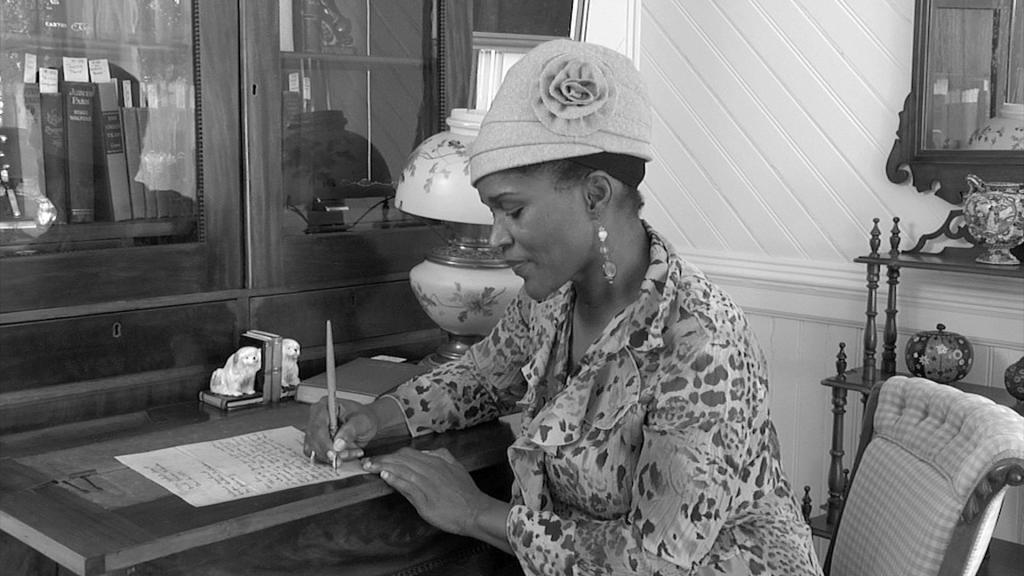
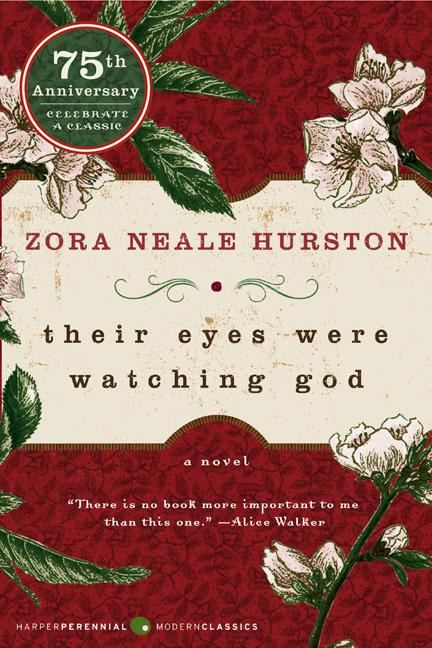
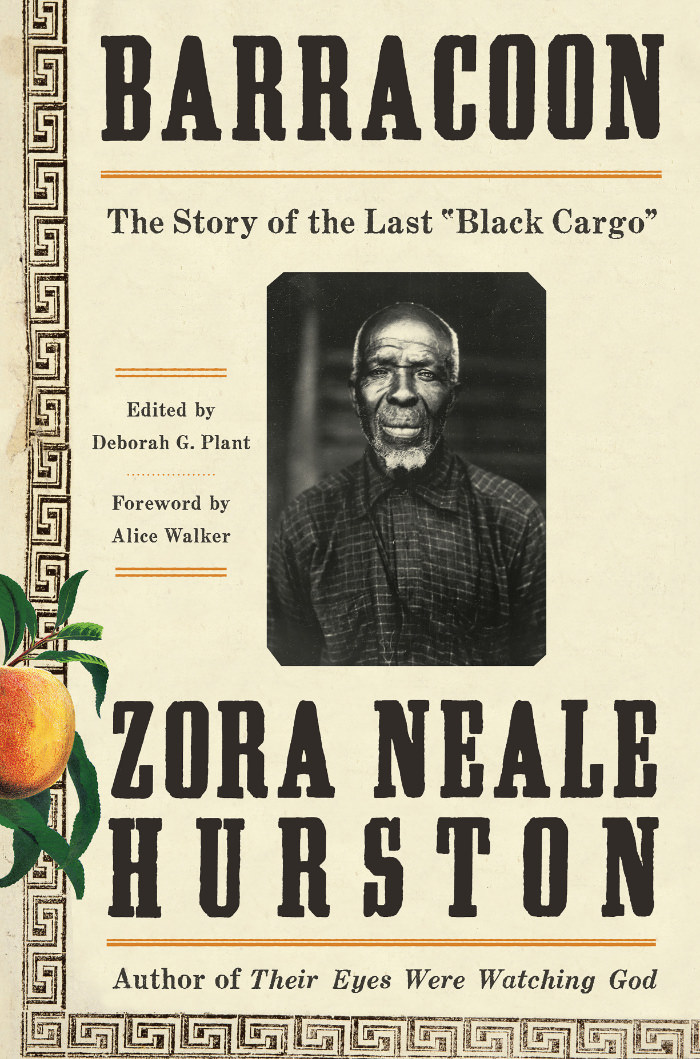
When I was a student at UC Davis, I took a course on American Literature. This was the first time I was introduced to Their Eyes Were Watching God, a book written by Zora Neale Hurston which was published in 1937. Hurston’s literary impact is enormous. In honor of Black History Month, I am featuring her because she has had impact on me and many others. Hurston was born in Alabama in 1891 as the fifth of eight children and Hurston grew up in Florida. Her father was mayor of the town that she grew up in, Eatonville, which was one of the first all-Black towns in the United States. Later, her father served as minister to the town’s largest church. She was formally educated and she attended Howard University, Barnard College, and Columbia University. She was a central figure of the Harlem Renaissance and she wrote about contemporary issues in the Black community. Hurston often used Eatonville as a setting for her stories.

Hurston’s writings reflect a deeply anthropological lens and this is not by chance. She was educated with this lens and one of her main goals was to prove similarities between ethnicities. In 1920, she was one of the first initiates to Zeta Phi Beta, a sorority for all Black women. Hurston was married three times. Her first husband in 1927, a jazz musician, Herbert Sheen, who later became a physician. Their marriage ended in 1931. In 1939, she married Albert Price, but their marriage ended after a few months. In 1944, she married James Howell Pitts. Again, this marriage also lasted less than a year. Hurston has no children and she traveled extensively in the Caribbean and was immersed in local practices – a true anthropologist. Much of her work’s focus was around preserving cultural practices and she was also a documentary filmmaker. Hurston’s legacy lives on to this day.