Edelweiss: The Flower of Dedication

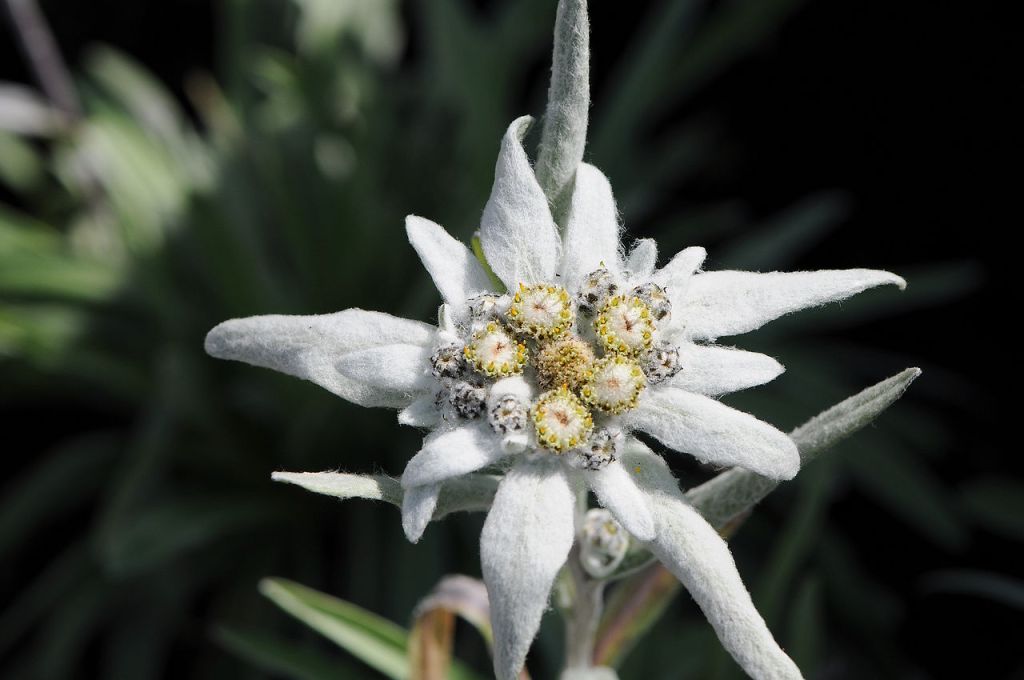
Edelweiss is a wonderful and unique flower – it is a mountain flower belonging to the daisy family… The flower prefers rocky terrain to inhabit (which makes it even more special!). The flower is a national symbol in Austria and also appears in Switzerland, Slovenia, Romania, Bulgaria, and Mongolia. When given to a loved one, the flower symbolizes dedication to your romantic partner. The story is quite simple why. In order to find an edelweiss, one must look hard and climb high mountains (it is work to find one of these lovely flowers), thus when given to your love, it is a symbol of your dedication to that person. However, it is worth noting that the flower has declined due to overcollection (and is now protected by laws), so perhaps if you find one in the alpine mountains you hike, it might be best to symbolically share that you found this for your lover… and there are plenty of souvenirs representing this flower, rather than picking it from the wild.

The Sound of Music famously has a song for it… the lyrics go like this:

Edelweiss, Edelweiss
Every morning you greet me
Small and white clean and bright
You look happy to meet me
Blossom of snow may you bloom and grow
Bloom and grow forever
Edelweiss, Edelweiss
Bless my homeland forever.


The charm and national symbolism of this flower gives me so much nostalgia for my second homeland, Austria. Also, given the rarity of this flower (which gives it a certain magic), there are easy comparisons to the magic of Christmas, which is described beautifully in this hymn above by English poet Frances Ridley Havergal in 1877. In whichever capacity you choose to enjoy the presence of edelweiss, make sure to honor it when you encounter it. This flower is incredibly special for a reason.
Mangroves and Climate Change

Mangroves store 50 times more carbon in their soils by surface area compared to tropical forests, and ten times more than temperate forests. This phenomenon makes the conservation of these coastal trees imperative in the bid to combat global warming and climate change.

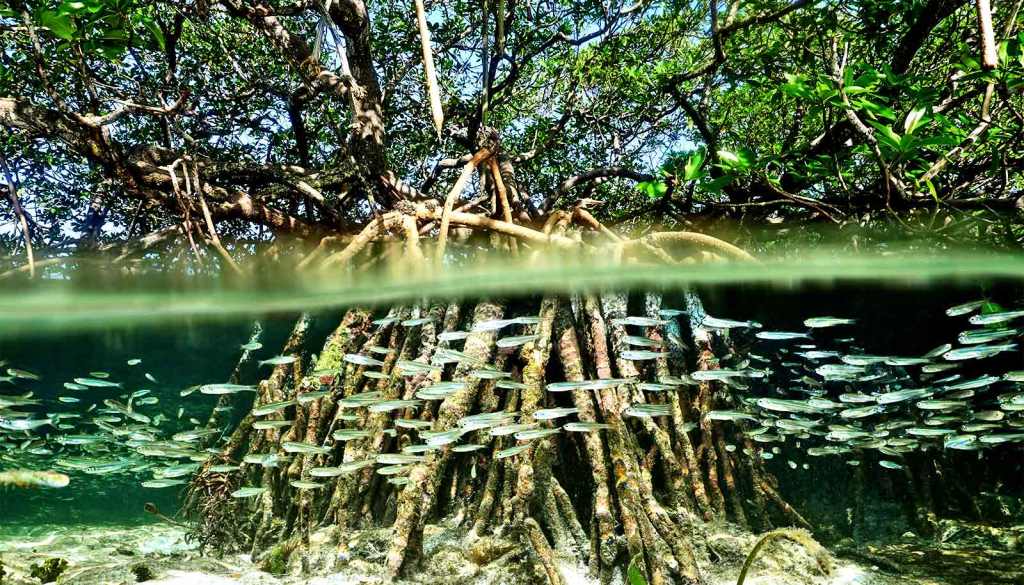
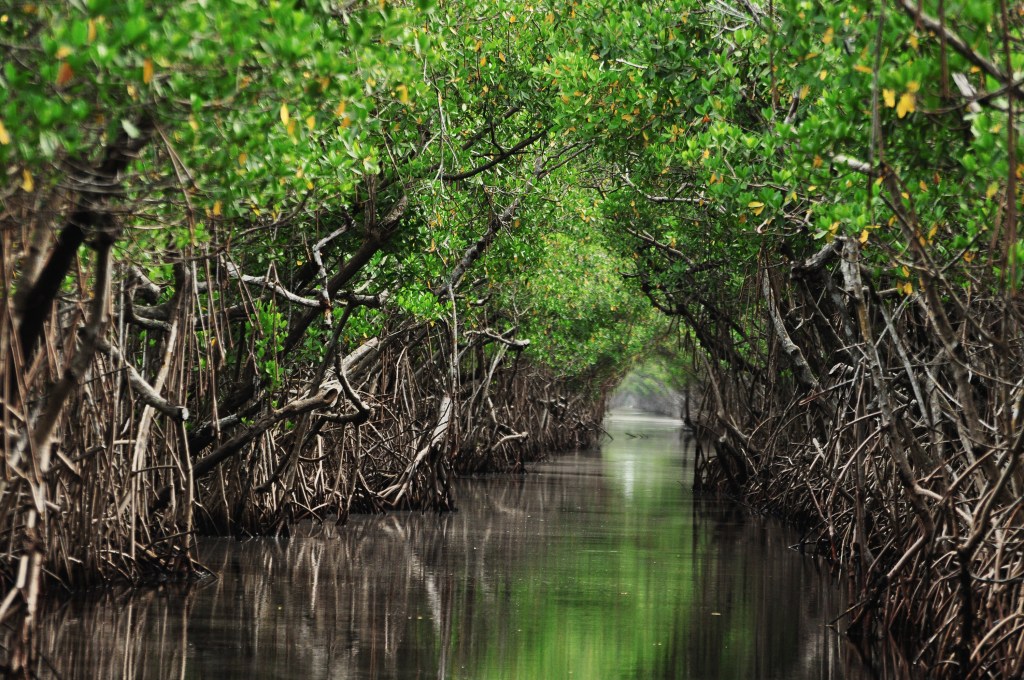
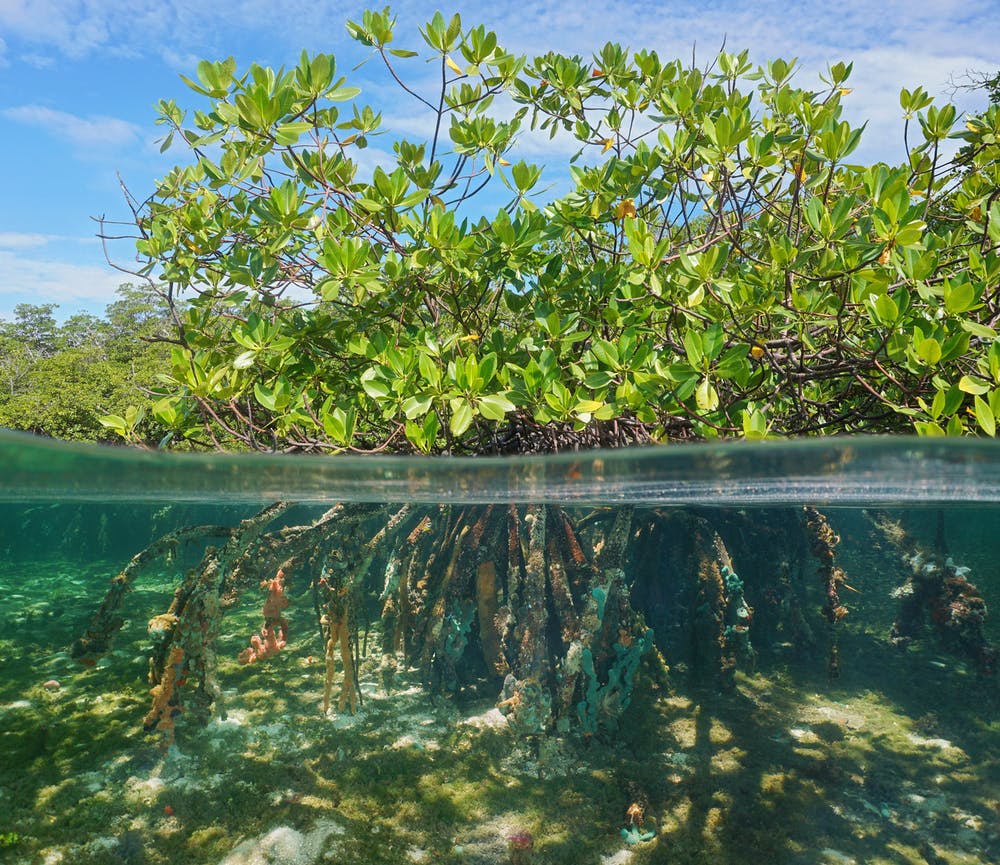
What are mangroves? What effect do they have on our climate and biodiversity? These two questions have lengthy answers… The answers to these questions are more complex than one might initially think of trees that grow out of the water. These trees are quite magical, though. Mangroves, by definition, are small trees which grow in saline or brackish water (water with high salinity rates). They mostly appear in Indonesia, Brazil, Malaysia, Papua New Guinea and Australia. They also appear in Africa, as you will read later. These trees help fight climate change. That is tremendously important, and yet, these trees are disappearing.

It is estimated that roughly half of all mangroves in the world have been removed. According to The Washington Post, in the 1980s and 1990s, coastal mangrove forests were “obliterated by industrial agriculture, aquaculture and harvesting of wood for housing and charcoal… tens of millions of tons of the carbon that was once locked away in these forests’… is now in the atmosphere.” Troublingly enough, their removal goes back to the 1980s, which certainly raises questions regarding the rate of carbon emissions and how there are natural ways of sequestering those emissions, which mangroves do beautifully. Mangroves are some of our planet’s guardians. They truly are. Mangroves are an ecological habitat as well (think along the lines of what coral reefs do). According to The Economist, they have been referred to as “evolutionary marvels and they are a critical part of most tropical oceanic ecosystems… but they are rapidly disappearing.” However, there are ways to protect mangroves and I believe spreading awareness about that is important. At the rate of loss we are looking at currently, all mangroves would disappear in the next 100 years. We cannot allow that to happen.

In Kenya, the world’s first mangrove conservation project “Mikoko Pamoja,” (in Swahili means “Mangroves Together”) is funded by the sale of carbon credits. This is a revolutionary project which started in 2014. According to the organization’s website, “The key to unlocking an intervention that would reverse the loss of mangroves and resuscitate the livelihoods of the Gazi Bay Community was the villagers’ realization that the mangrove forest do not belong to the government and that they couldn’t wait for someone else to save the mangroves. This important realization initiated the need for community involvement in the conservation of their mangroves, and the quest to improve their livelihoods through natural solutions.” This project was revolutionary in its effort to combat multiple issues at once – by the villages working together to protect the mangroves, they also found a solution to improve economic outcomes and fund access to clean water and education. I do believe that mangroves are endangered, but I also have hope that projects like Mikoko Pamoja in Kenya are scalable solutions and I truly hope the future of mangroves lies within that truth. Long live the mangrove tree!