Beauty Icon: Monica Bellucci

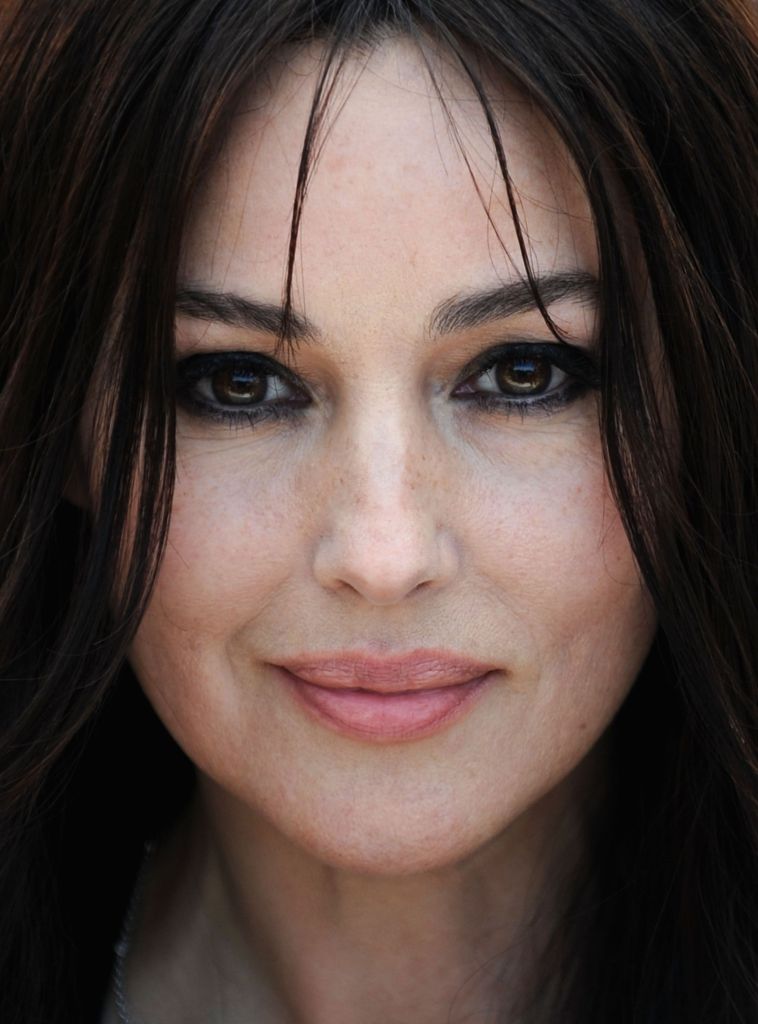
Of all the beauty icons we have today, it is likely that Monica Bellucci is on par with being considered the “Anita Ekberg of our generation.” (This is because Ekberg was iconic for her bombshell role in Federico Fellini’s La Dolce Vita.) Bellucci is undoubtedly one of the great Italian actresses of our time. Monica has appeared in films for decades and has been considered a fashion icon as well. Monica grew up in the region of Umbria in Italy. Her career start was modelling for fashion houses Dolce & Gabbana and Dior. As a young model, she was signed with Elite Models and lived in Milan.

Monica’s transition to film was natural and she has acted in many films over the years. Notably, she acted in The Passion of the Christ as Mary Magdalene. She has appeared in dozens of films beyond that – including in Francis Ford Coppola’s Bride of Dracula in 1992. In 2015, when she became a Bond girl in the James Bond film Spectre alongside Daniel Craig, she became the ‘oldest’ Bond girl in the franchise’s history, which allowed for a more inclusive perspective on who can be cast as a Bond girl… In her personal life, Bellucci’s boyfriend, Nicolas Lefebvre, is 18 years her junior. Age truly is just a number and hopefully the vivacious way Bellucci has lived her life continues to be an example of this to others. You can be sexy at any age!

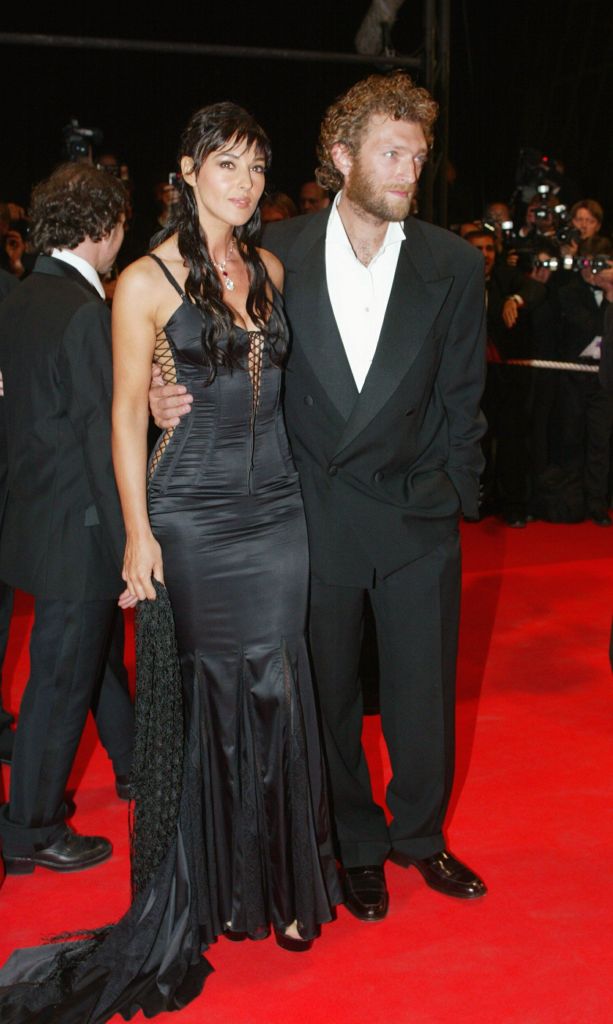
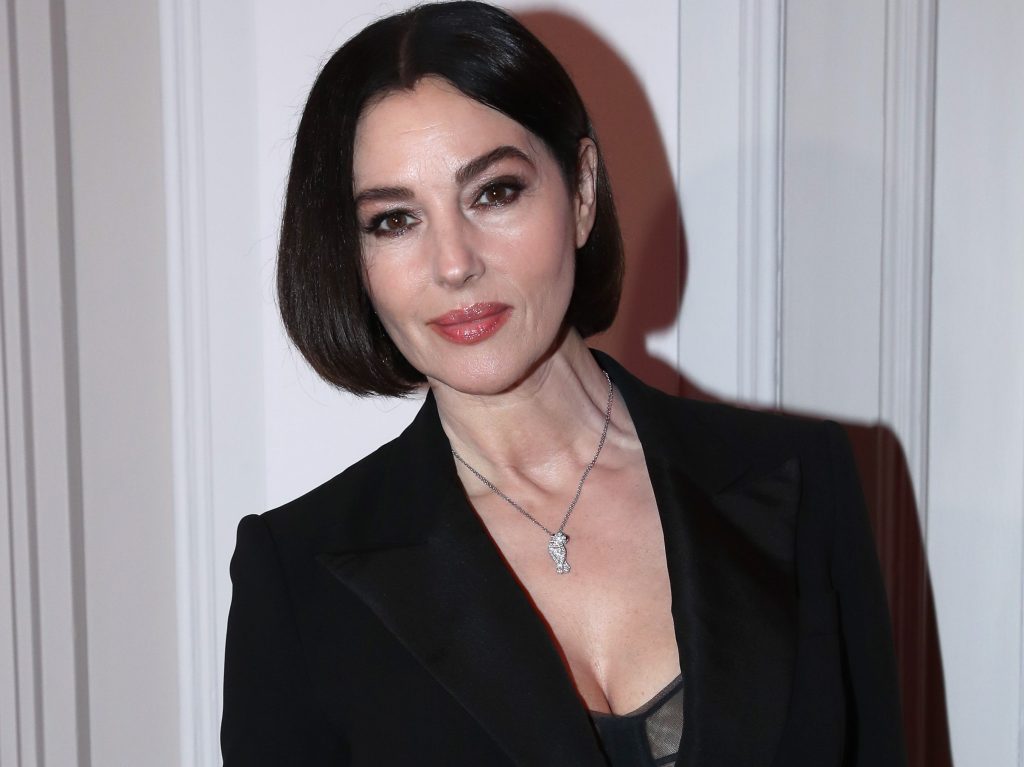
Part of the grand allure of Bellucci’s style is how her style is elegant and simple. Often, she pairs a smokey eye with a black dress. This is her signature look and she has stuck to what works for her. Do what works for you and build on that! That is the core of what style is: leaning into what suits you and building on that. There is so much to learn from her demeanor as well. Bellucci is an icon for a reason. We can all learn a thing or two about how demeanor and style put together can generate the energy that we want to keep and how we present ourselves. Monica’s style is a good reminder to always show up as the best version of yourself.

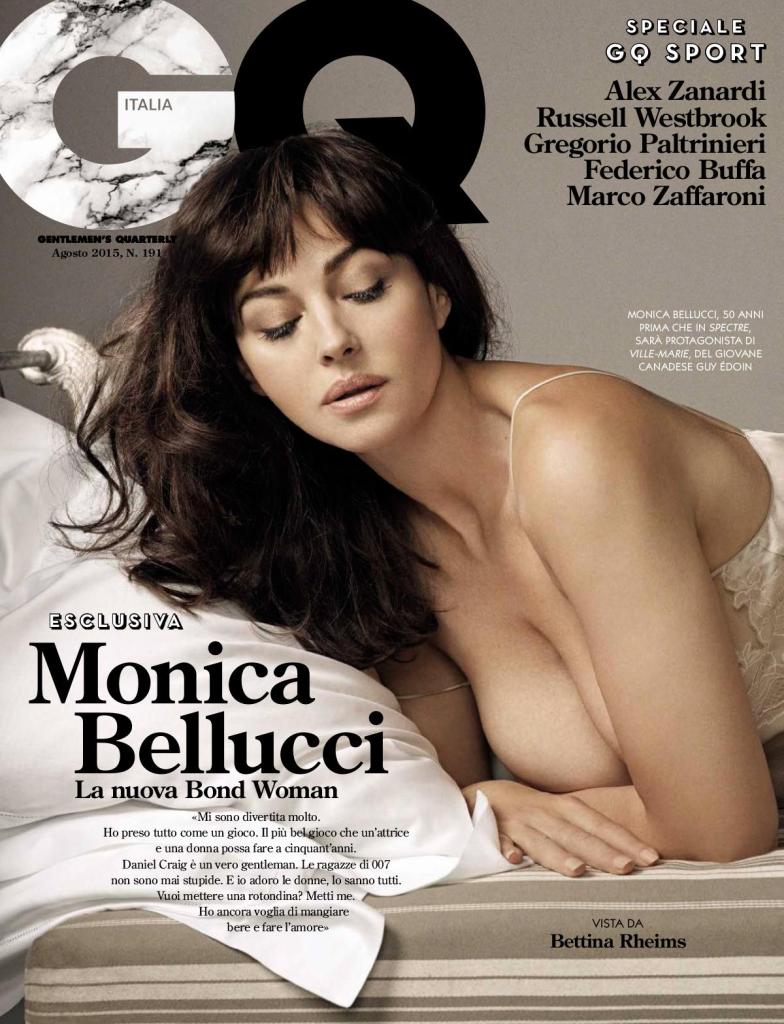
Monica became a “Bond girl” alongside Daniel Craig in Spectre.

Delving Into Cottagecore Culture

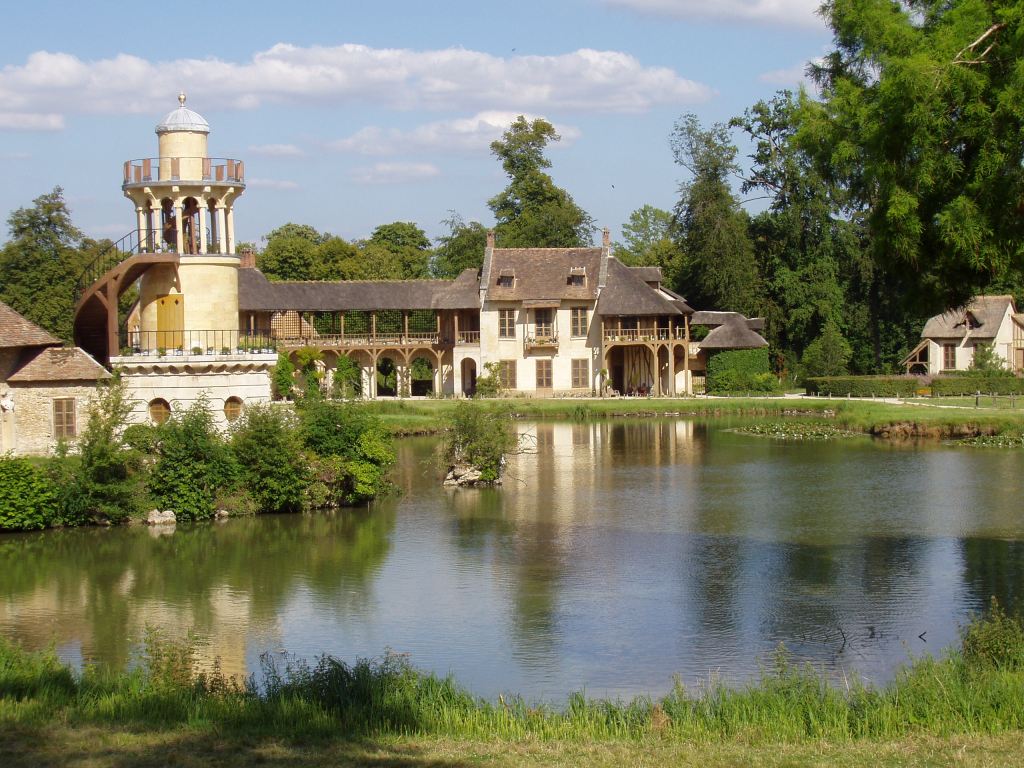
Marie Antoinette’s ‘Hameau de le Reine’ at Versailles

“Cottagecore is all about living simply and slowly and appreciating the little things. It is about being present in every moment and thus living life to the fullest… Cottagecore is also closely linked with sustainability and living a sustainable lifestyle.” -Ruby Granger

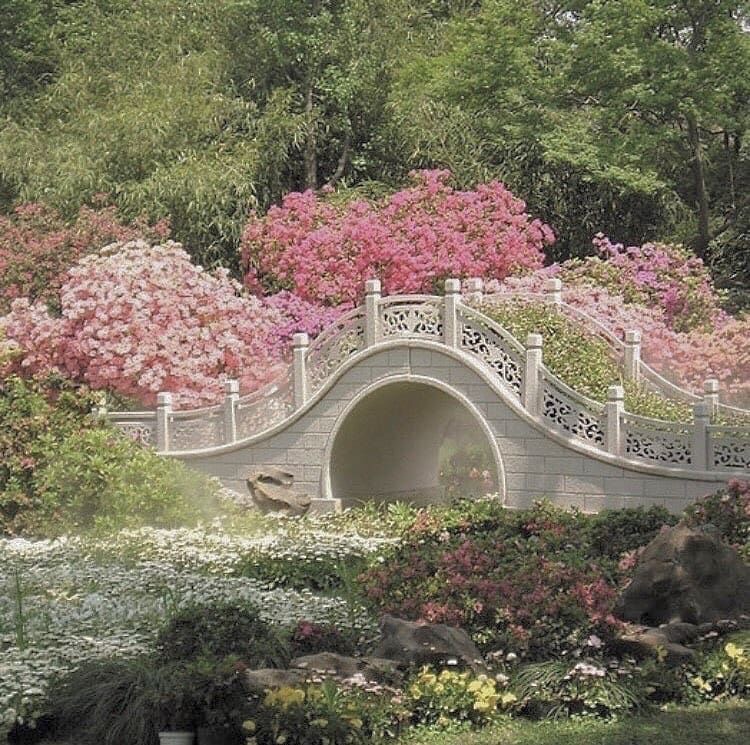
Cottagecore has been described as the ‘biggest trend in quarantine’ and ‘where fairytale meet slow living.’ Undoubtedly, the COVID-19 pandemic has forced us all to re-evaluate our priorities in life, our livelihoods, and the pace of our lives. “Cottagecore” has been around for a long time. It was the aesthetic of Marie Antoinette’s farm house, the Petit Trianon, where the monarch sought refuge from the suffocating duties of complex palace life – the concept of slow living bodes much better with frivolity than complex interdynamics of nations intertwined together. In Marie Antoinette’s case, she was likely quite homesick for the Austrian countryside.

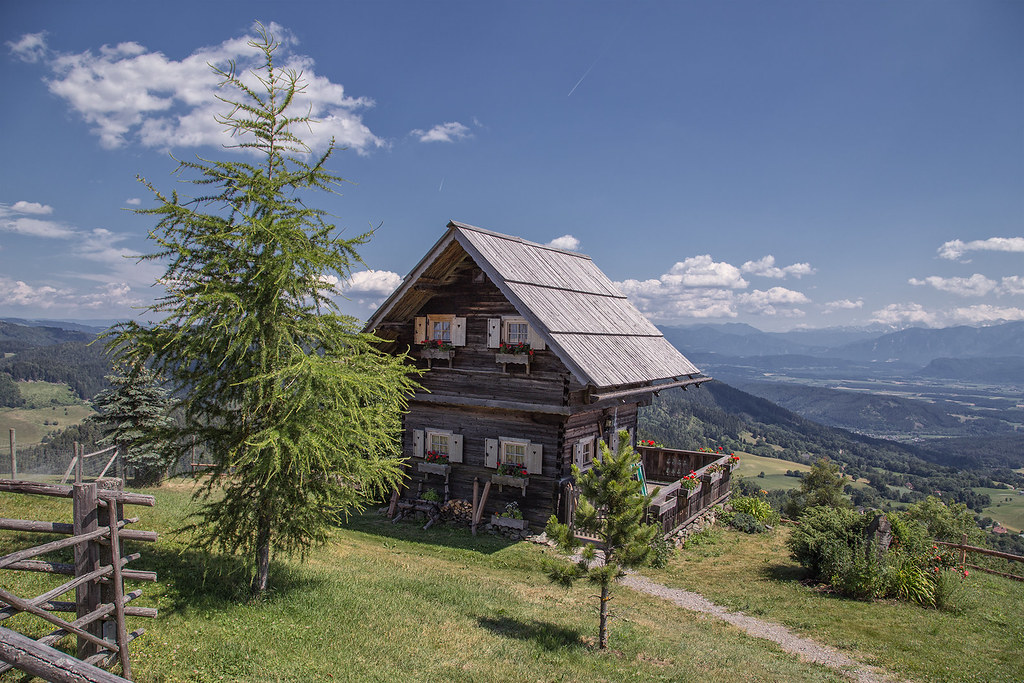
Perhaps this is what unraveled for the world during the pandemic – while we are all connected, we were together alone. And while this is powerful, we realized that there are some aspects of the “way things were” just no longer need to be “how they were.” There is nothing wrong with having more time with your family for example! Being an Austrian dual citizen, there are many elements of this philosophy and lifestyle which I grew up with already; for example, being appreciative of things that are homemade and having an emphasis on a good lifestyle at home. Austrians are known for being very hospitable, which exemplifies their quality of life at home!

The aesthetic of Cottagecore brings comfort and solace. To that end, I have personally tried to bring together the best of both worlds in this way (complexity + comfort). I have personally become interested in Complex Systems Theory and have been working towards building a more fluent understanding of its application (the application of this theory feels endless). With that said, challenging oneself and utilizing extra time to learn also means valuing the ideals of rest, which the pandemic has also allowed us all to reframe.

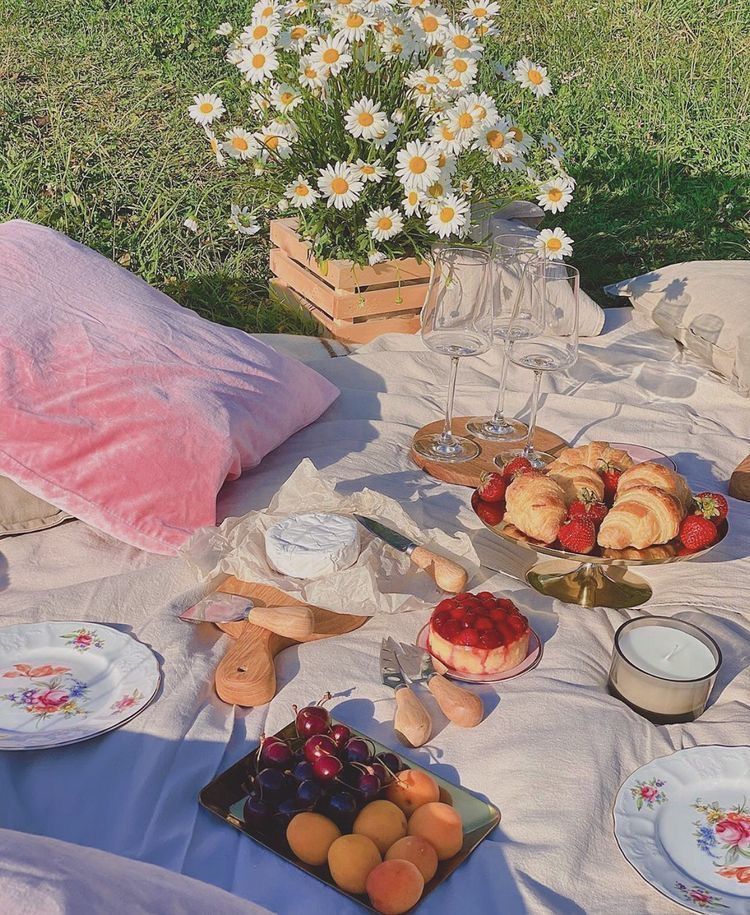
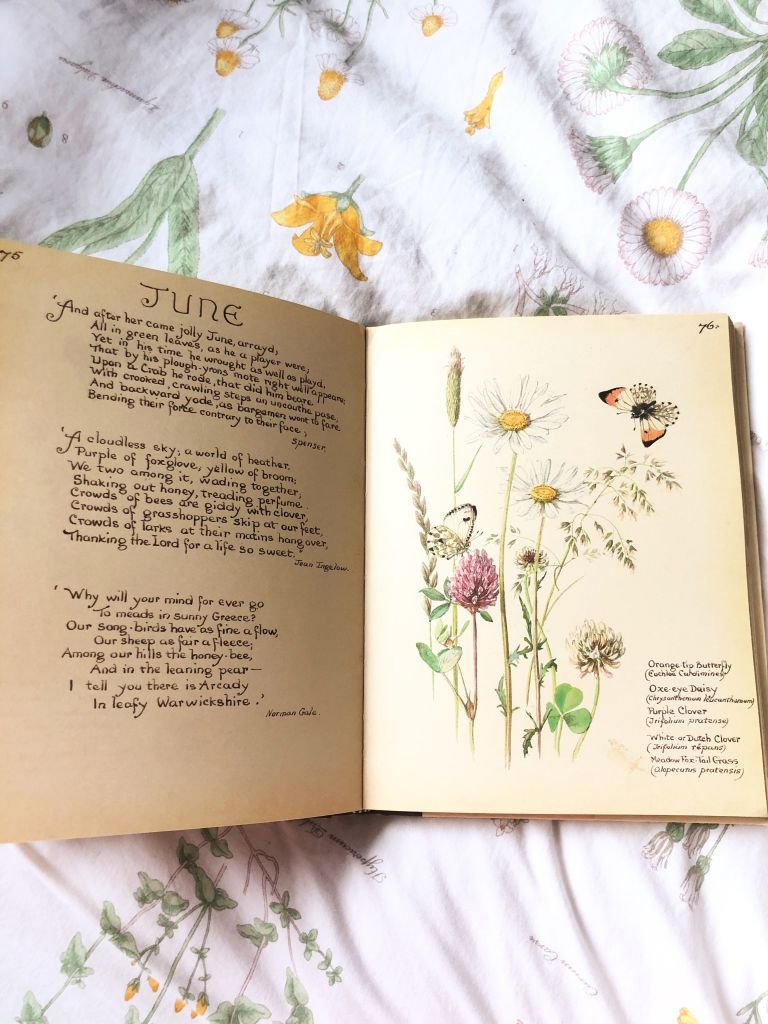
No one can perform at their best without proper rest. This is where the Cottagecore aesthetic comes in well; the entire ideal of the philosophy of Cottagecore is about slowing down. It’s about engaging with the environment around you. It’s about appreciating the roses and variety of country style flowers around and honoring your existence in this way. Of course, not everyone has access to a stunning countryside (many people have been navigating stressful urban environments during the pandemic), however, there are ways to appreciate and cultivate a deeper connection to nature. An antique looking painting of flowers and plants can be a good reminder of this in your home.

Even if a countryside is not nearby, small shifts in routine can help balance your lifestyle and live into this Cottagecore aesthetic and philosophy. For example, waking up and saying “thank you” for a new day is a simple way to accept your circumstances and live more presently. An important part of the Cottagecore philosophy and aesthetic is that you are living presently and one with nature. Always remember, all you have is now. Make the most of it!

xxx Bianca

A cottage in the Austrian countryside